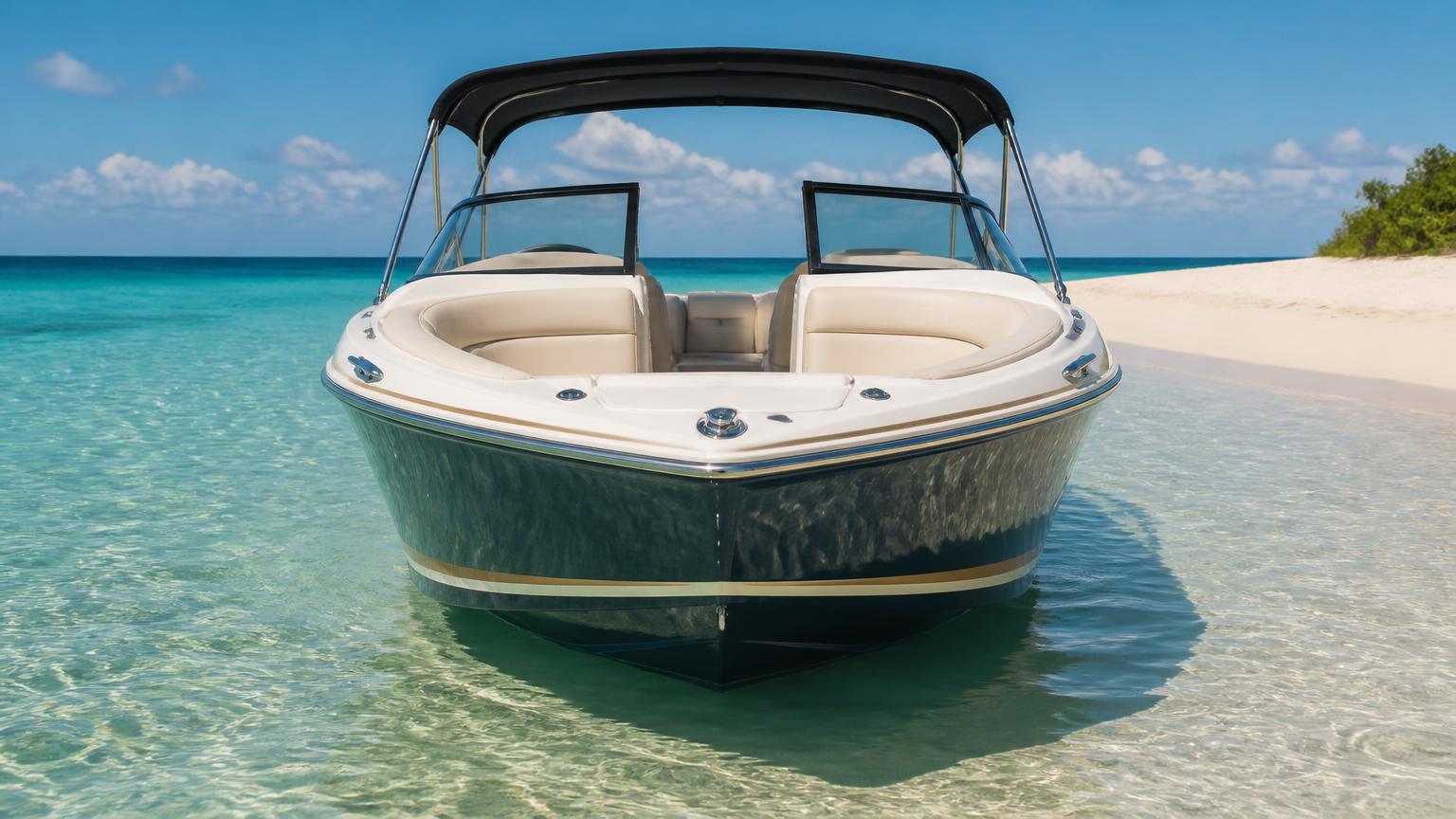
Which Is the Lightest Bowrider Boat ?
The lightest bowrider boats by hull weight and trailered weight, why aluminium wins on the scales, and how light is light enough to tow behind a normal family car.
Site Menu — Find Your Page
Bowrider Boats Mega Website
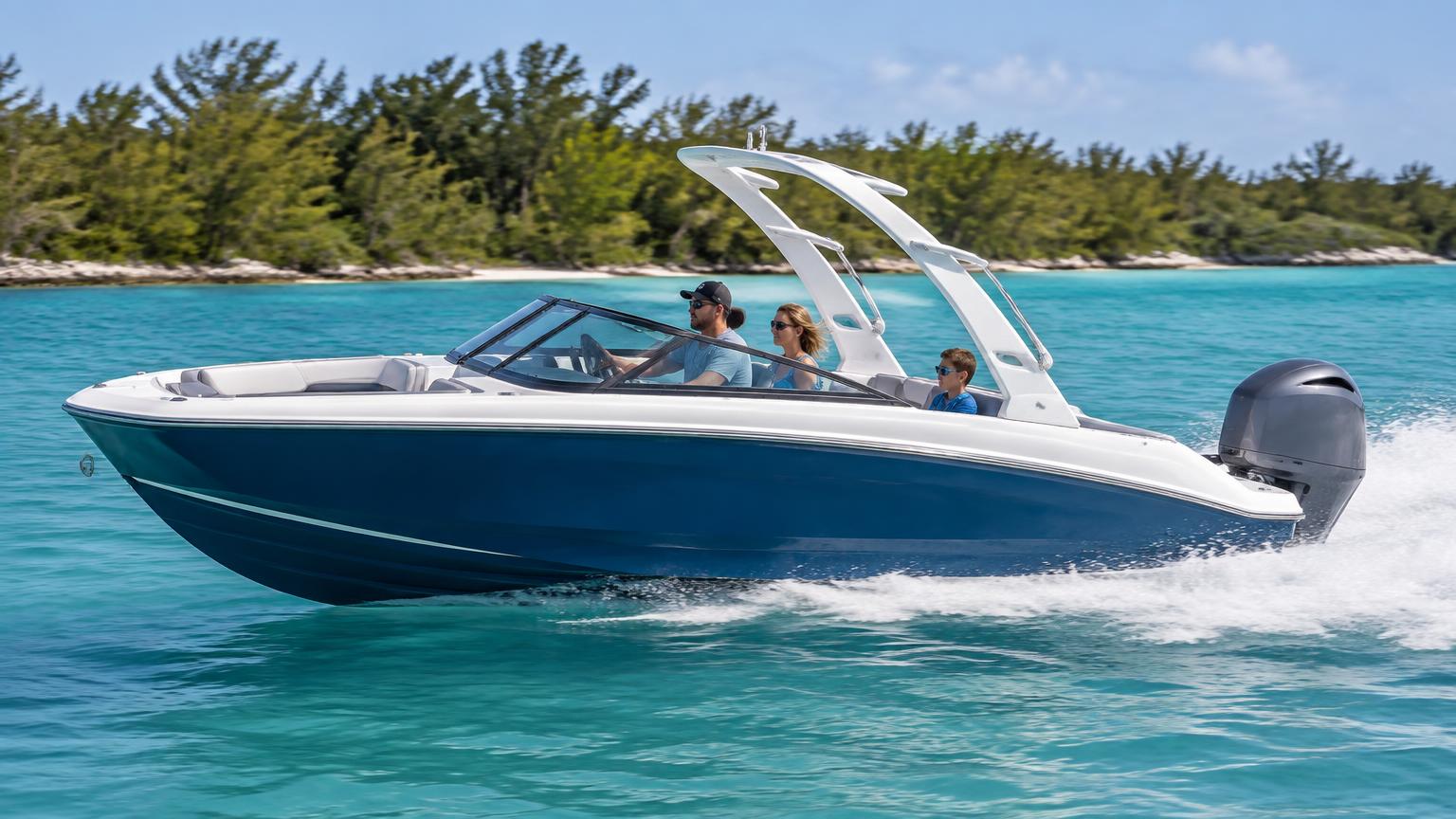
Bowrider Feature Articles
Bowrider Reviews and Expert Guides Covering Best Boats, Buying Used, Prices, Outboard Engines, Stern Drives, Towing, Fishing, Family Use and Maintenance.
34 full feature articles, each with four photos from our favourite bowrider photo album. A brand new bowrider feature article is published here automatically every Thursday.
The lightest bowrider boats by hull weight and trailered weight, why aluminium wins on the scales, and how light is light enough to tow behind a normal family car.
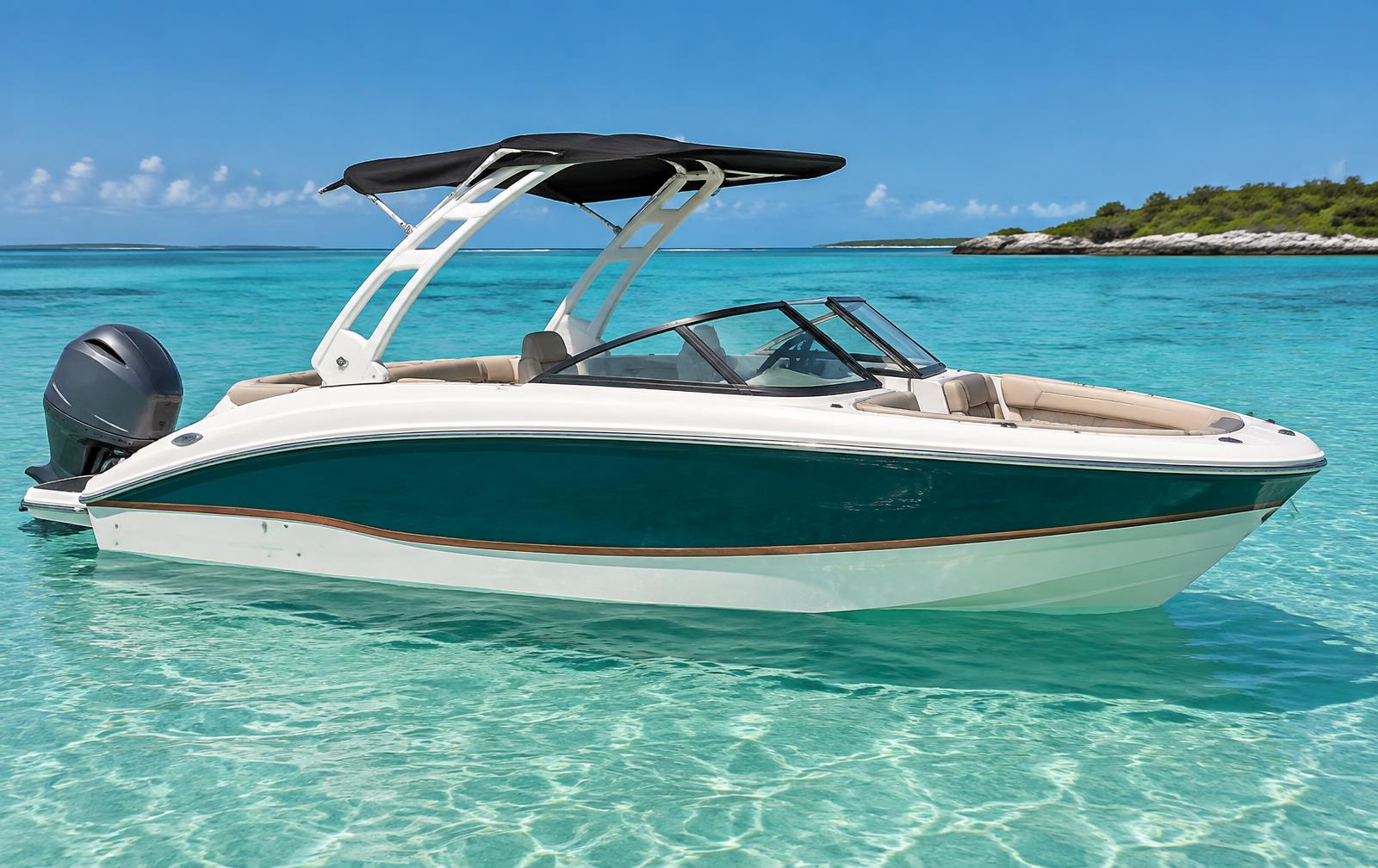
How bowrider design changed over thirty years — hulls, drives, layouts, materials and electronics — and where an older boat still beats a new one.
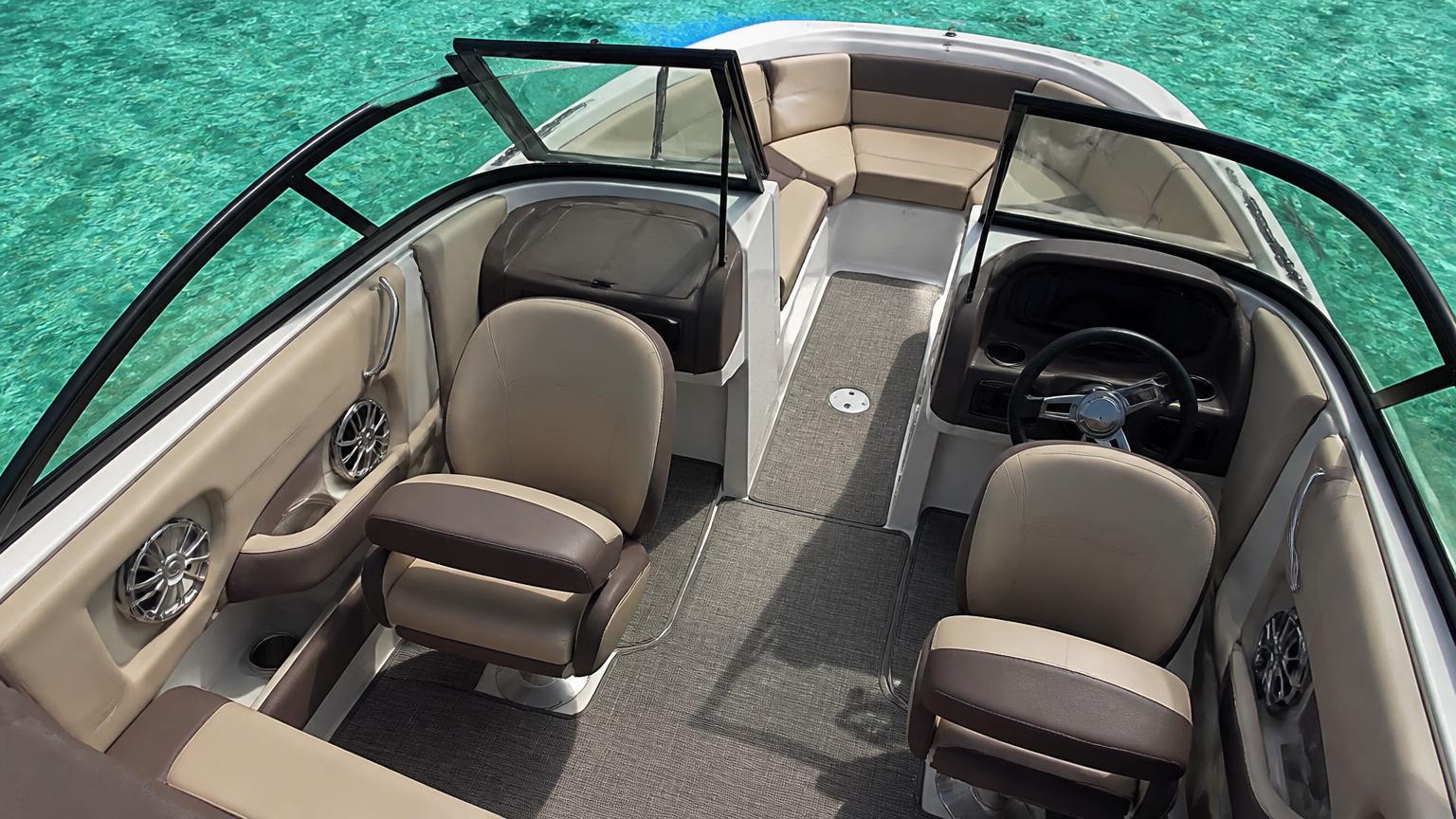
What to buy as a first bowrider — sizes, power, budget, new versus used, and the beginner mistakes that cost the most money in the first two seasons.
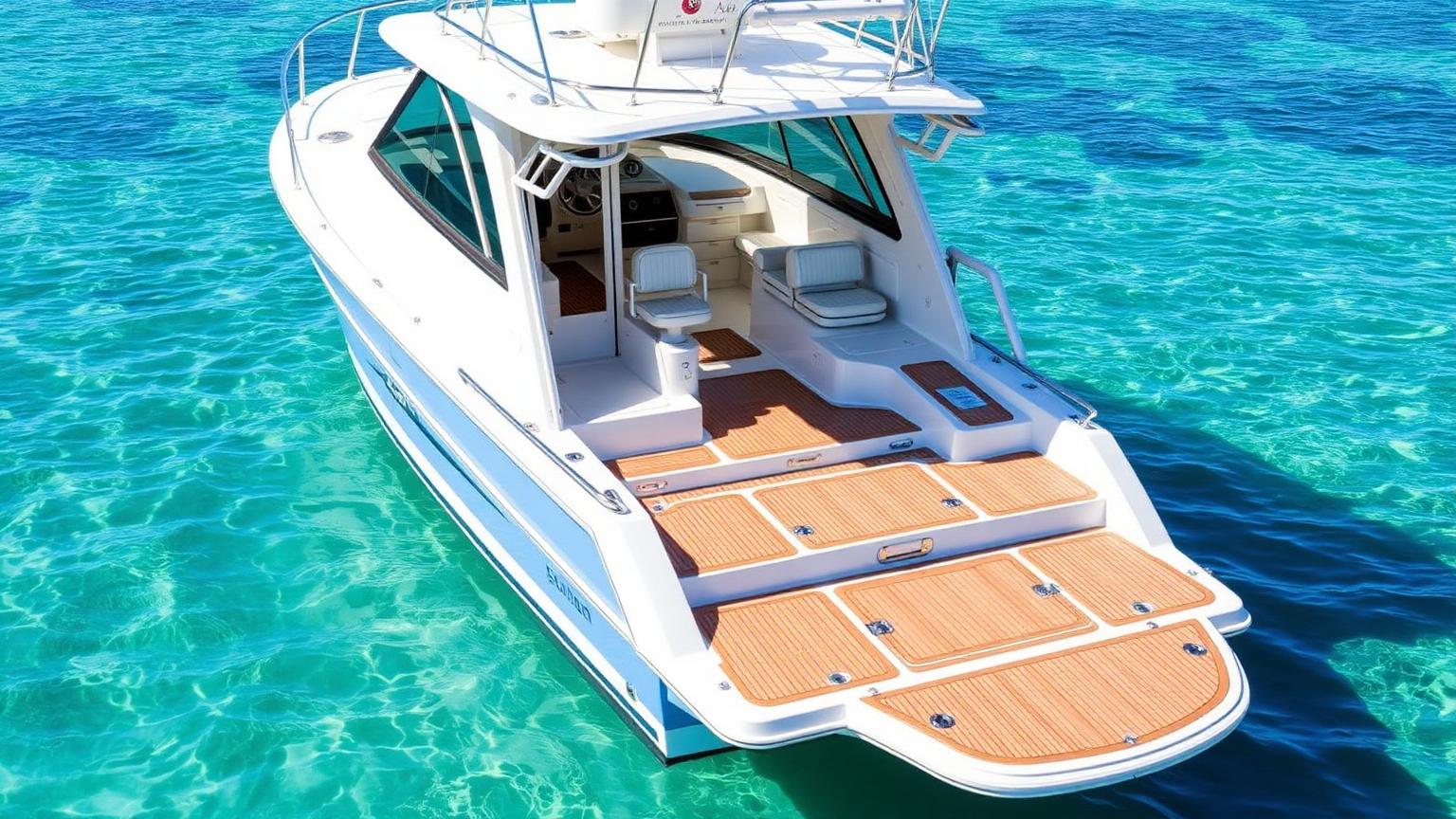
Bowrider seating capacity by length, how capacity plates work, and the difference between how many people fit and how many are comfortable.
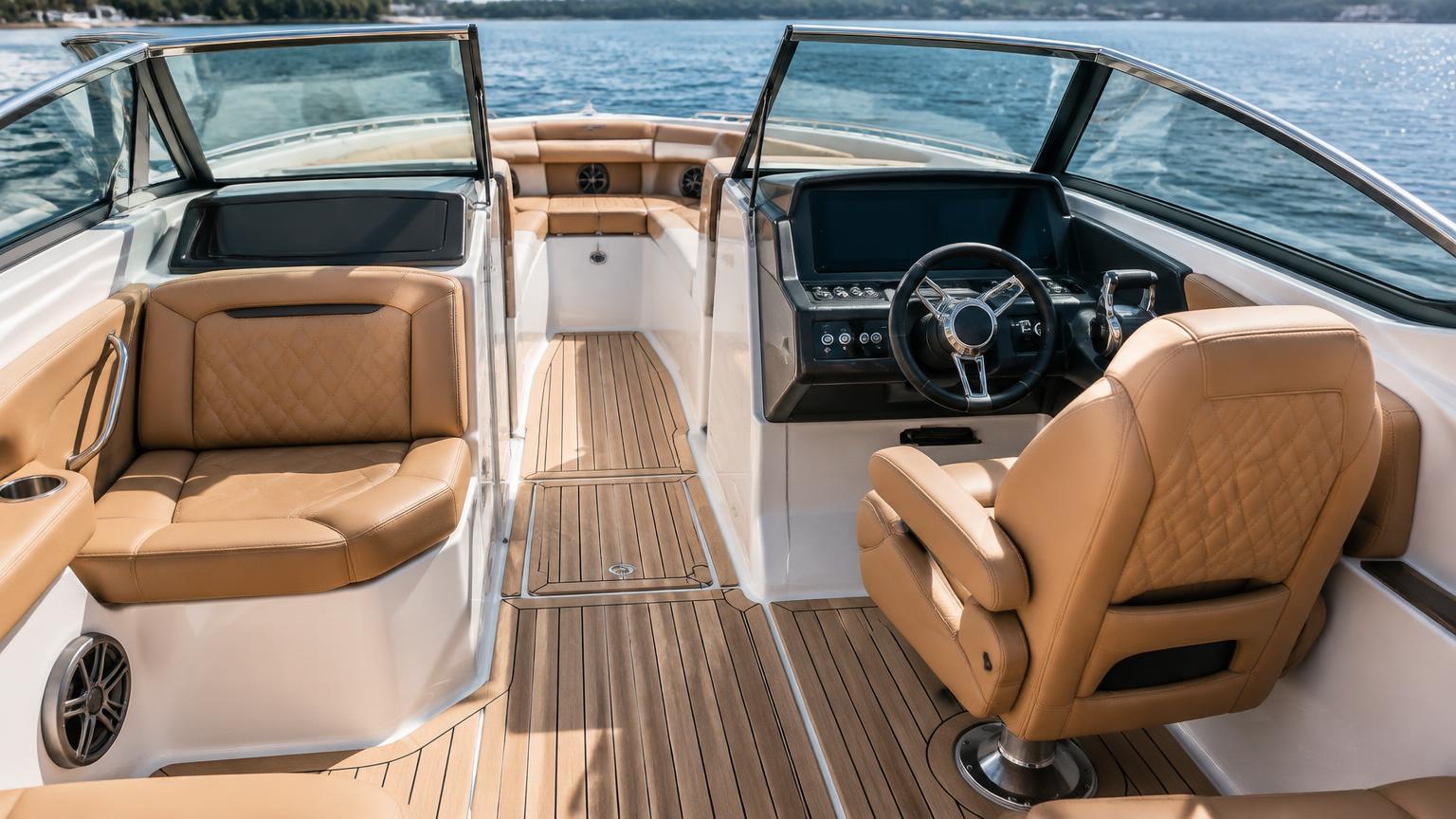
Choosing bowrider length for family boating — how 18, 20, 22 and 24 ft boats compare on seating, ride, towing, storage and running cost.

What $50,000 buys in a bowrider — new entry-level models, nearly new value buys and premium used boats — plus how to get the most boat for the money.
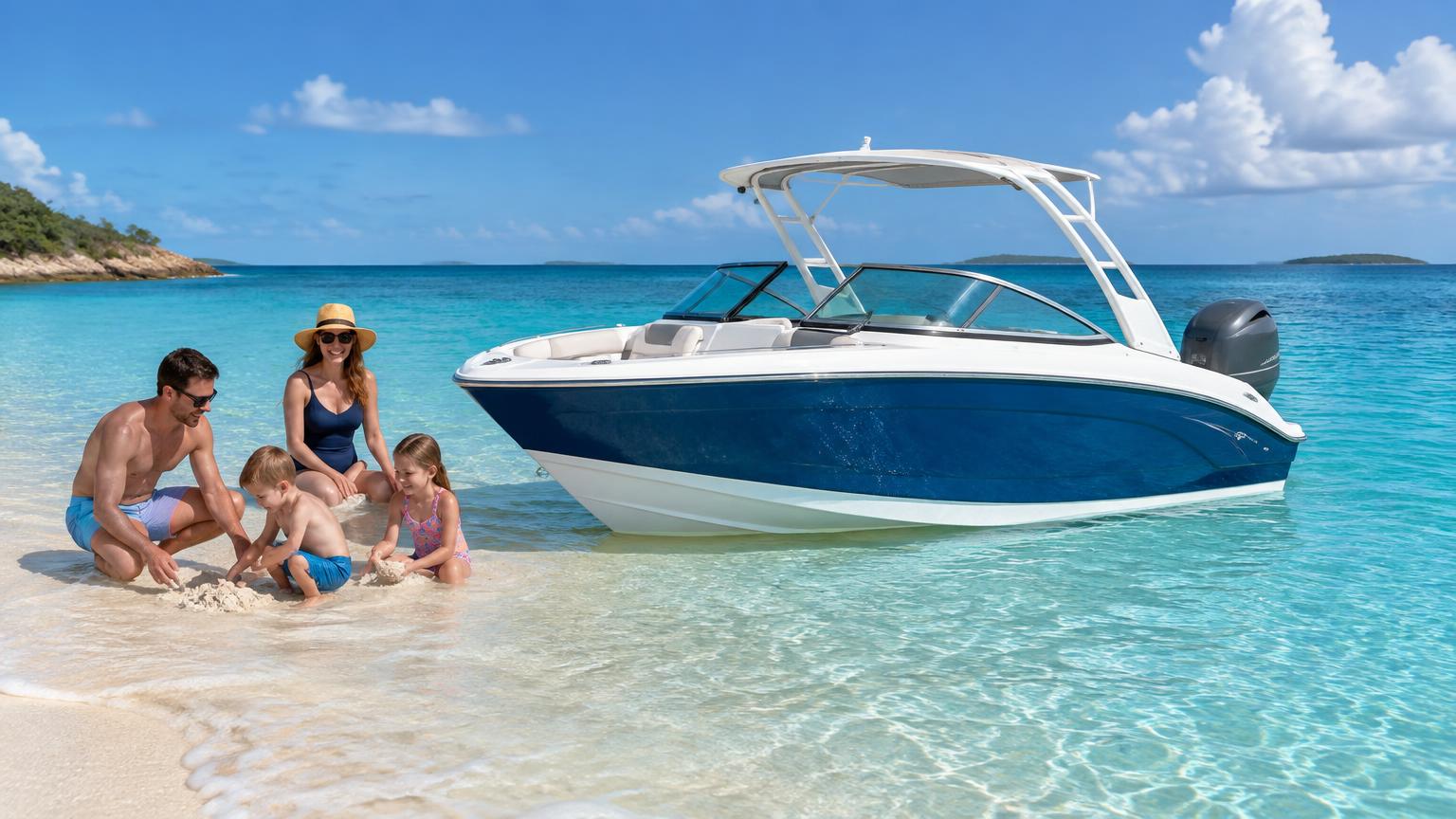
A practical used-bowrider inspection checklist covering hull, floor, transom, engine, drive, electrics, upholstery and trailer, plus the sea trial that reveals everything.
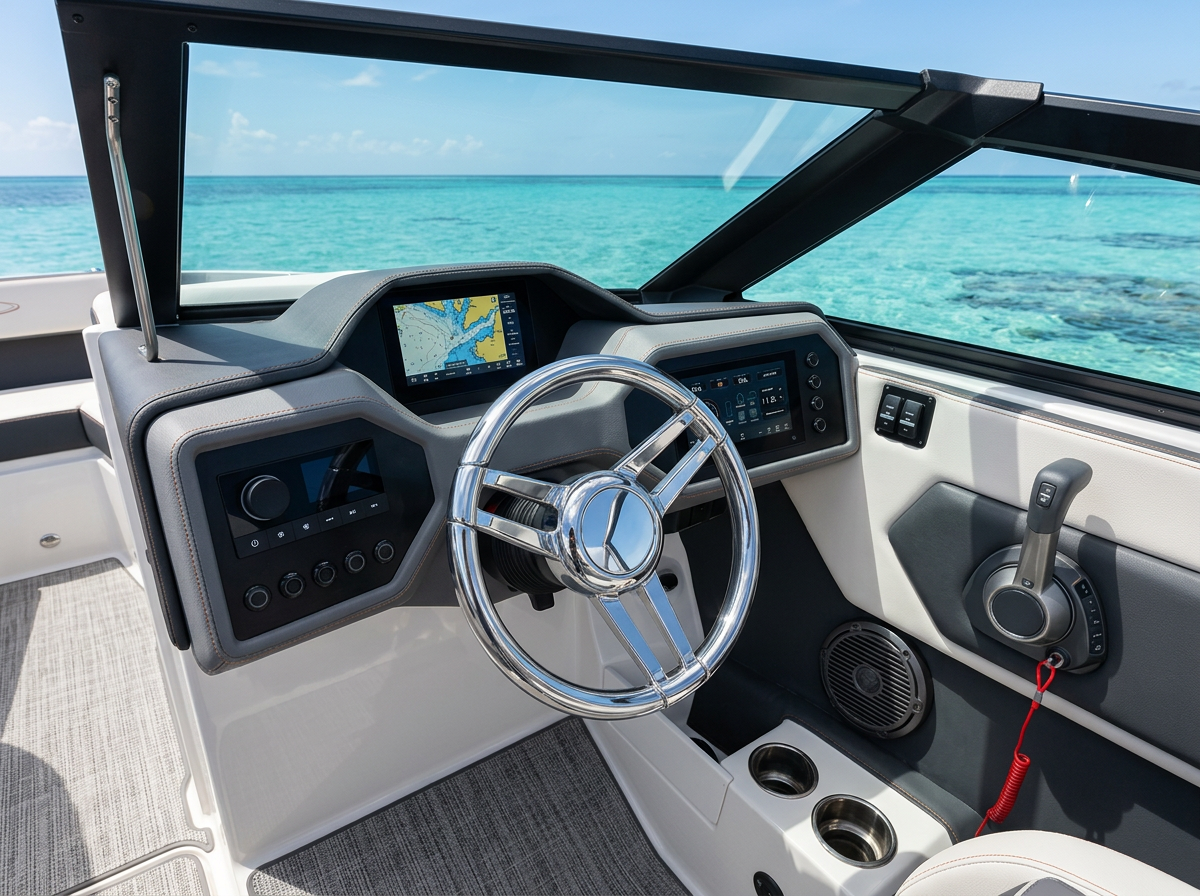
What separates a luxury bowrider from a mainstream one — build quality, finish, ride, technology and equipment — and which builders lead the premium end.
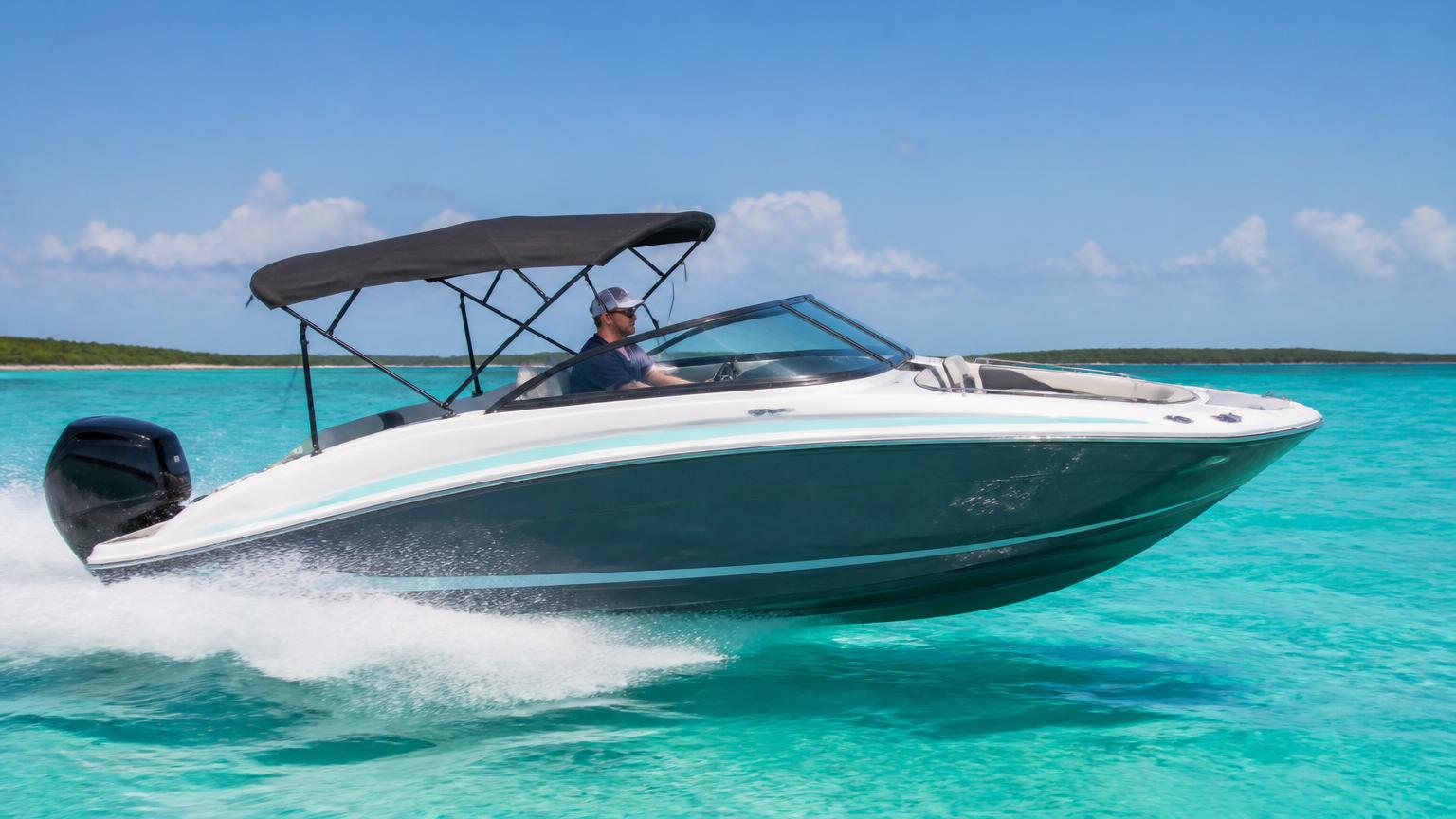
The bowrider configurations that need the least upkeep — aluminium hulls, outboard power, simple upholstery — and the servicing costs you avoid by choosing them.
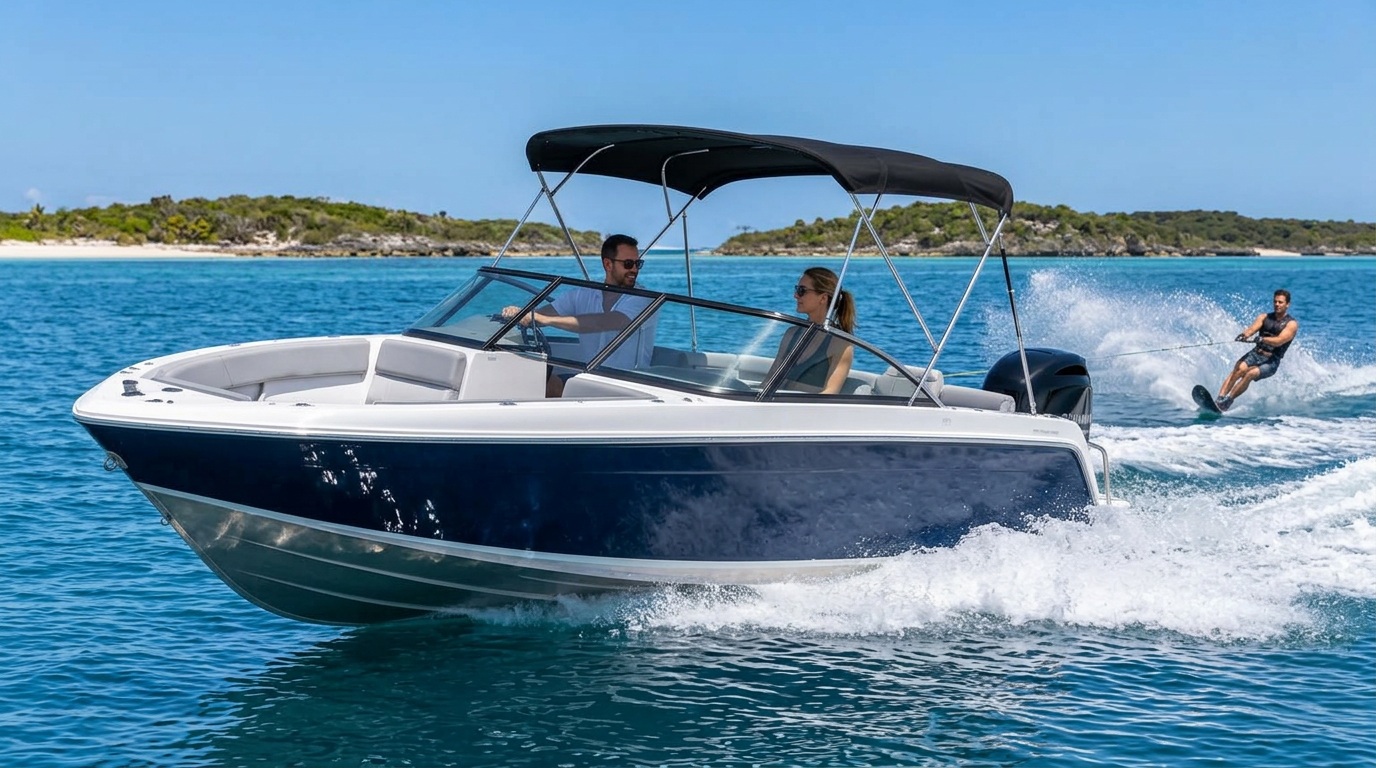
A realistic annual budget for bowrider ownership — fuel, servicing, insurance, storage, registration, trailer costs and depreciation, with worked examples.

Realistic bowrider lifespans by material and drive type, what actually wears out first, and the maintenance that decides whether a boat lasts ten years or forty.
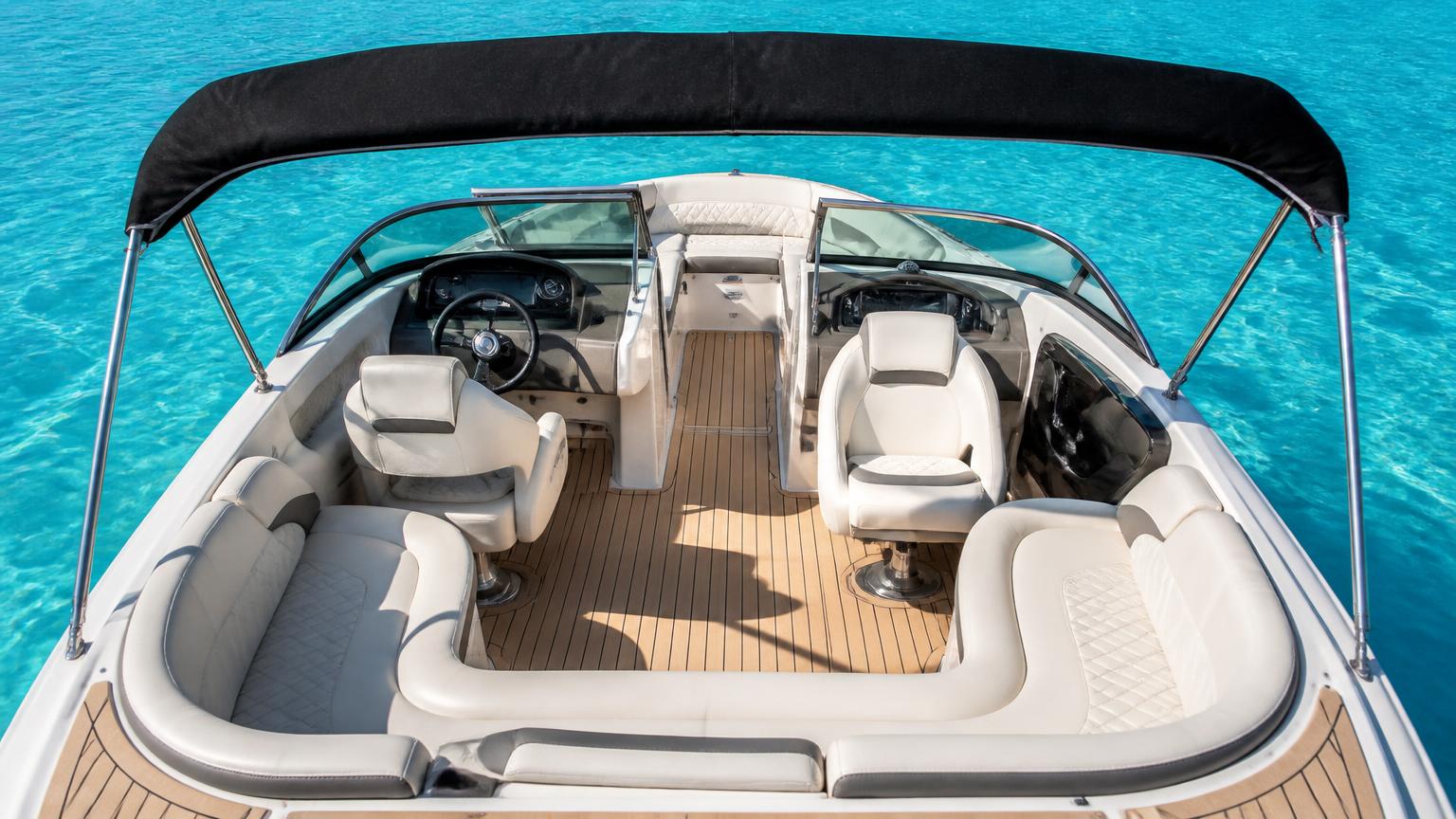
How to match a tow vehicle to a bowrider — real trailered weights, tow ratings, tow ball loads, braked trailers and practical towing tips.
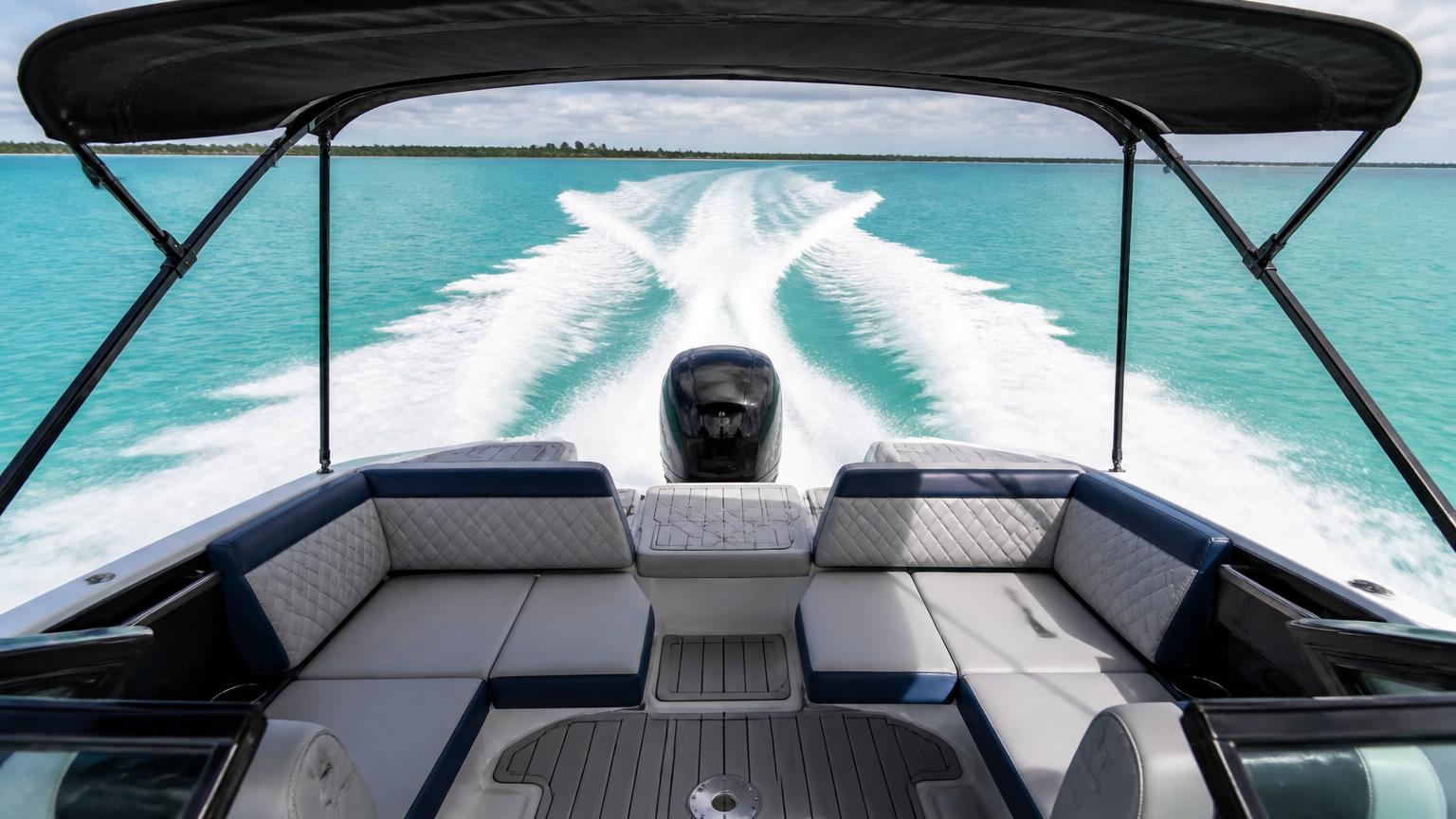
How to lay up a bowrider properly — engine, fuel, water systems, batteries, upholstery and covers — plus storage options and off-season care.
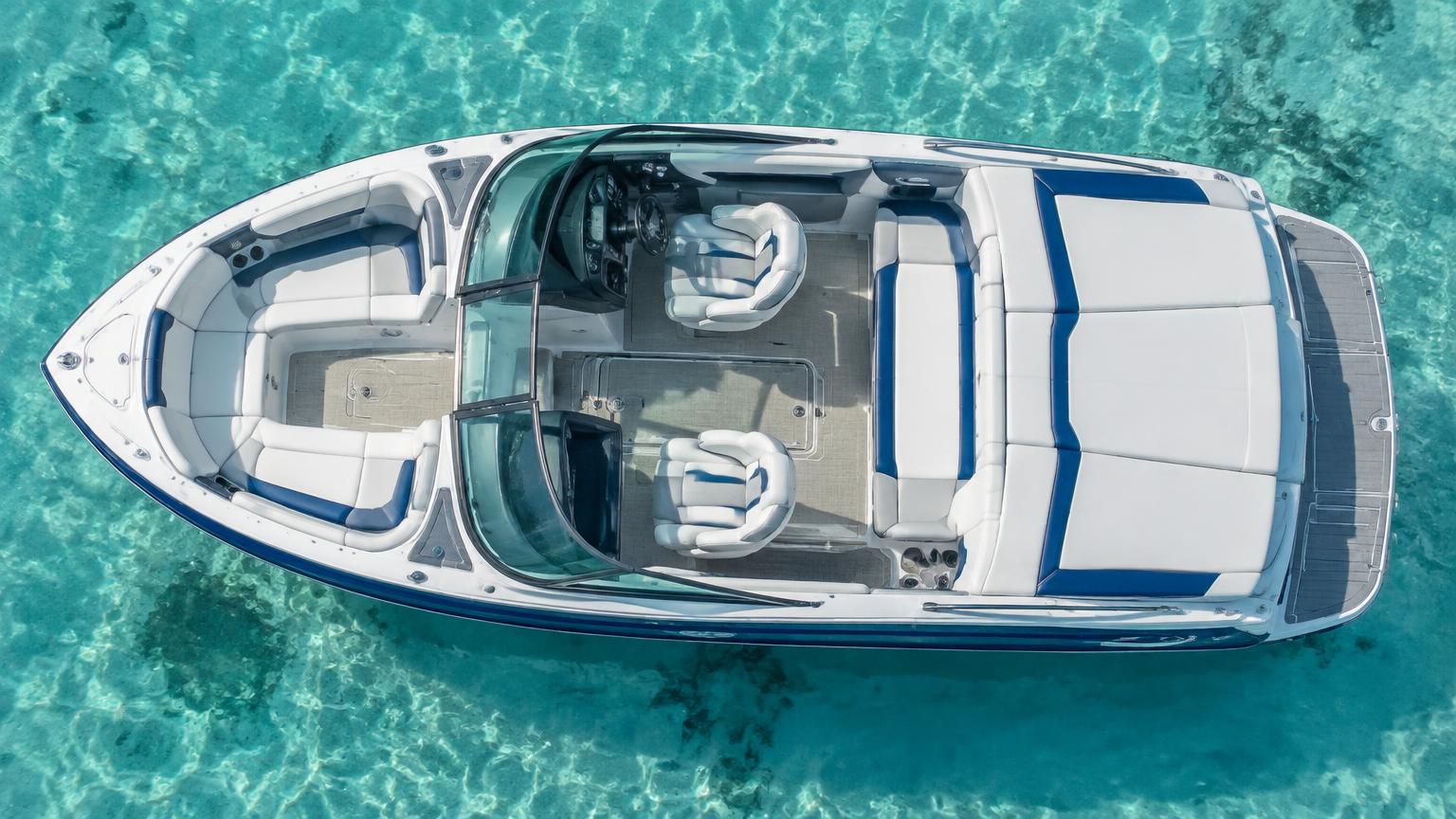
How salt water changes bowrider ownership — corrosion, flushing, anodes, wiring, upholstery and resale — plus the routine that keeps a saltwater boat healthy.
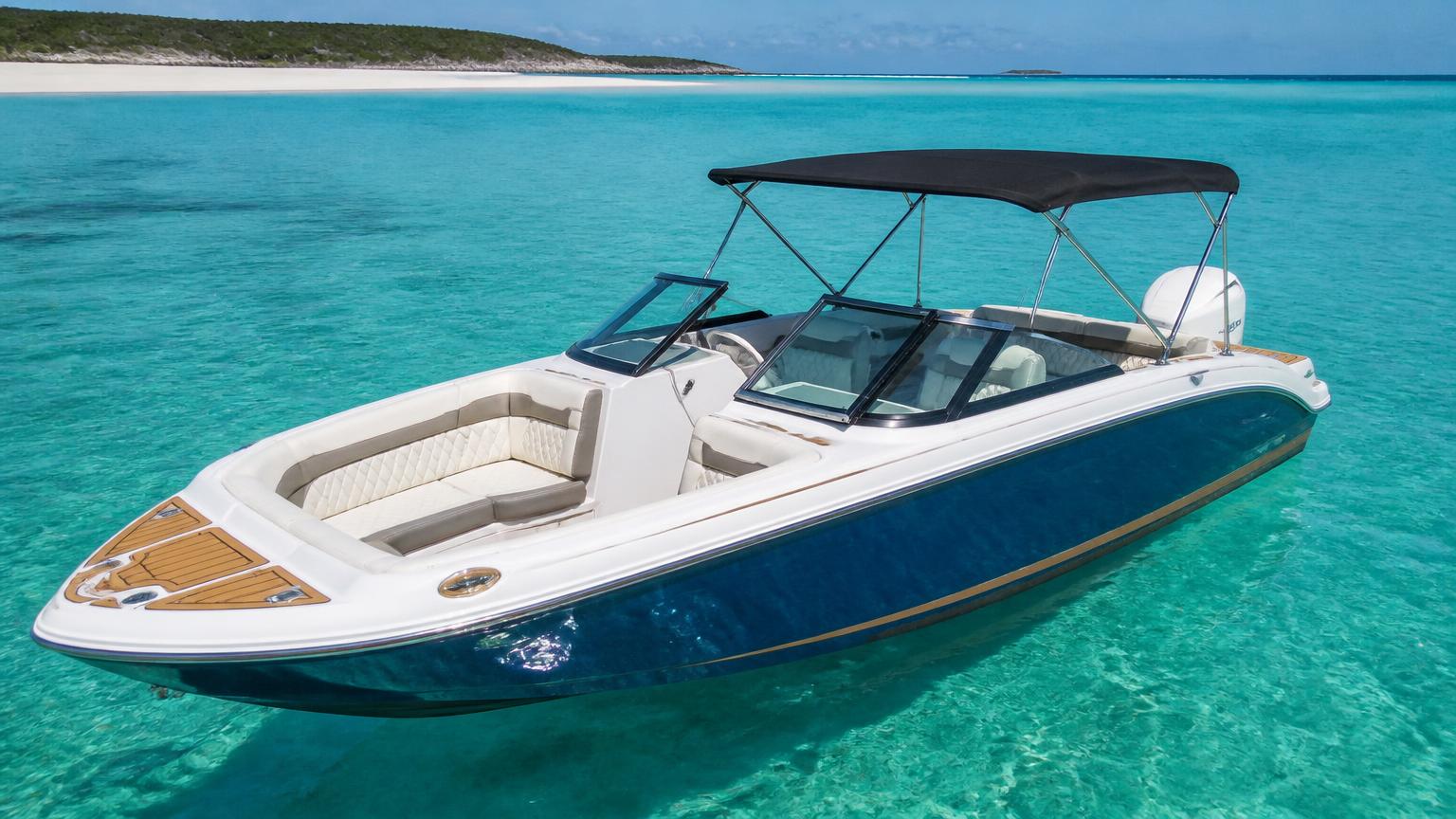
The bowrider accessories owners use every trip — covers, biminis, ladders, safety gear, electronics and comfort upgrades — and the ones that gather dust.
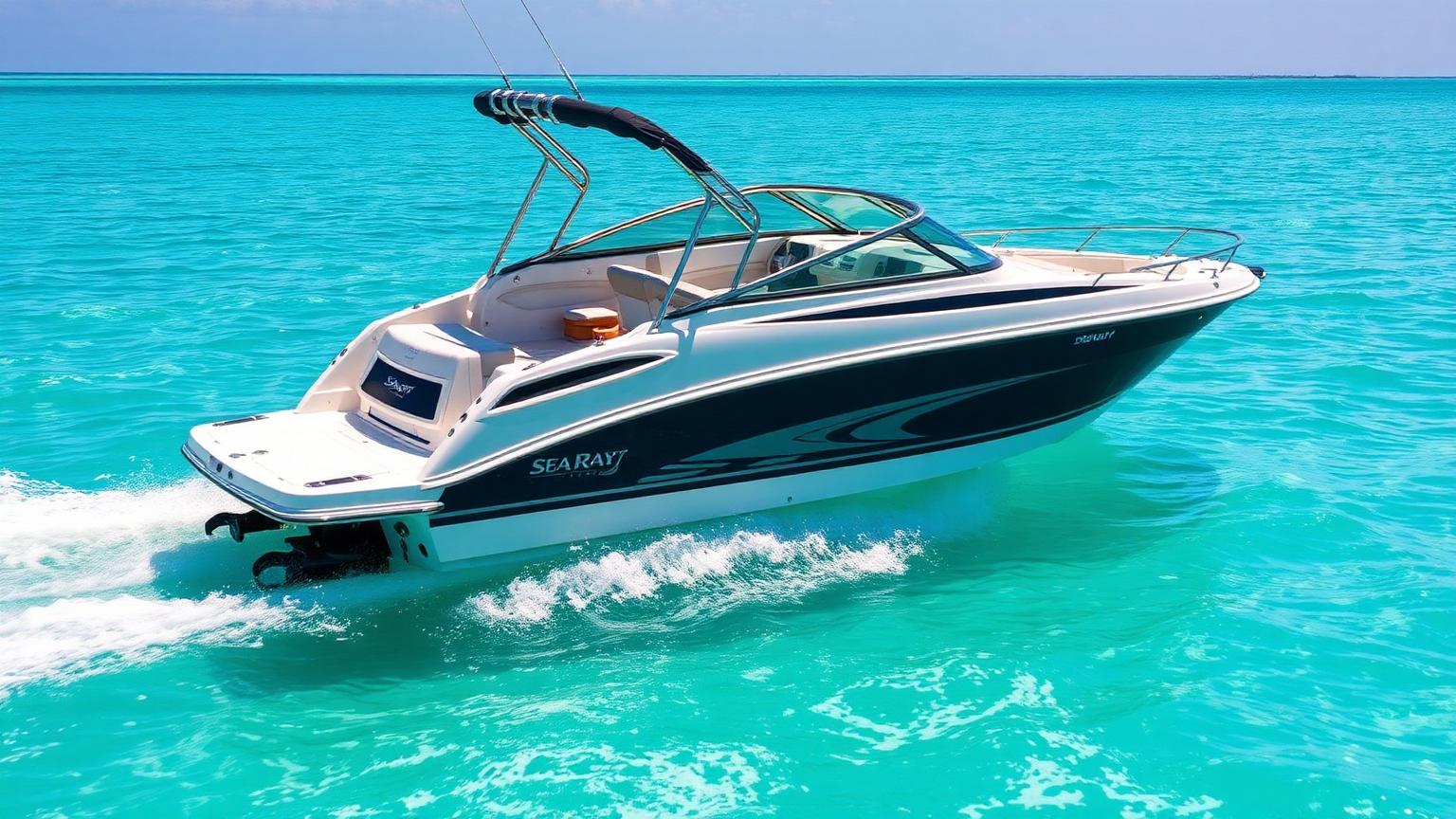
Every shade option for a bowrider explained — the classic centre bimini, wake tower T-tops and hard tops, and the convertible four-pole bow shade that covers the front lounge cushions.
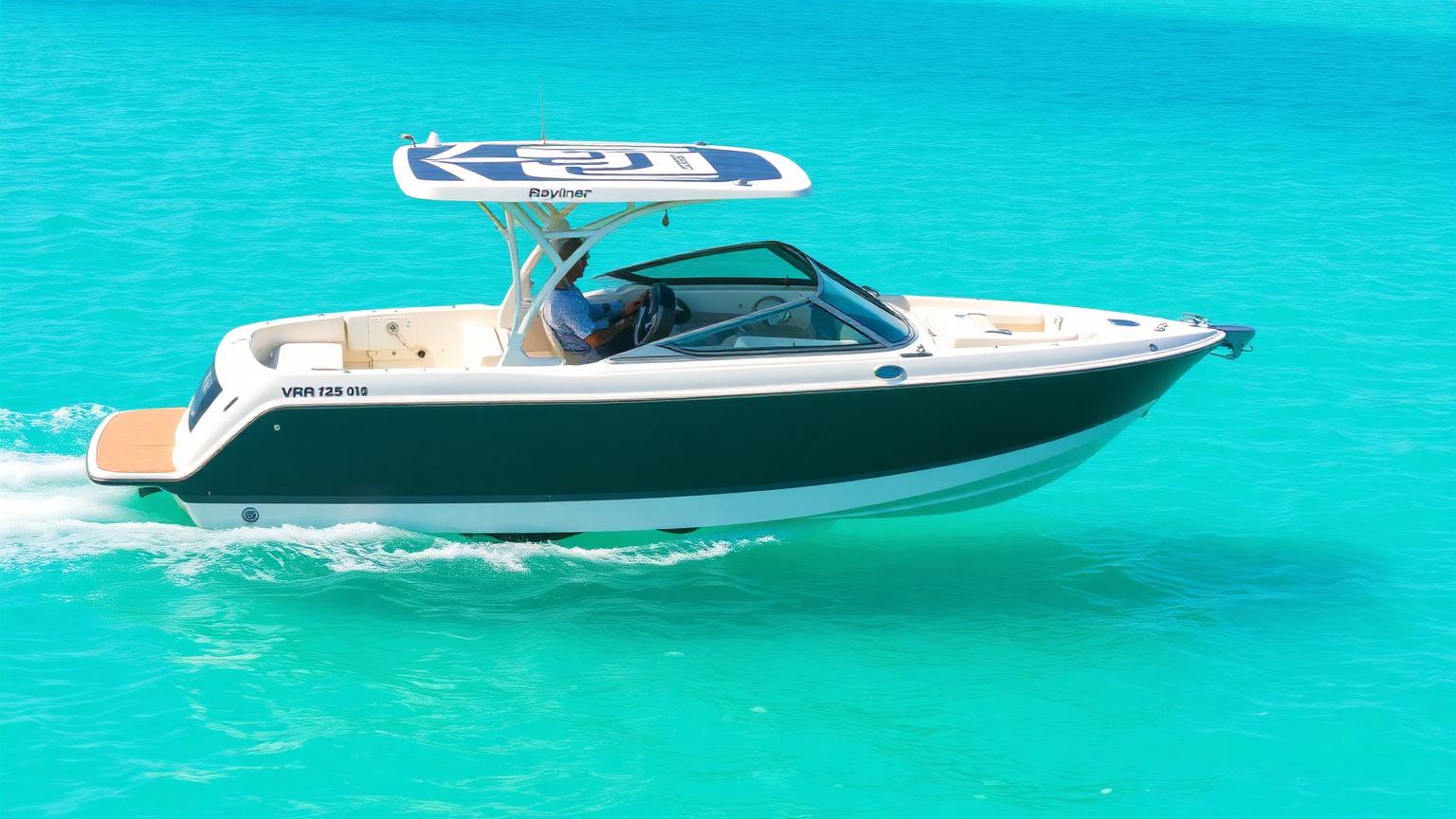
A straight answer on stern drive bowriders — the ride and space advantages, the maintenance and resale drawbacks, and when a sterndrive is still the better buy.
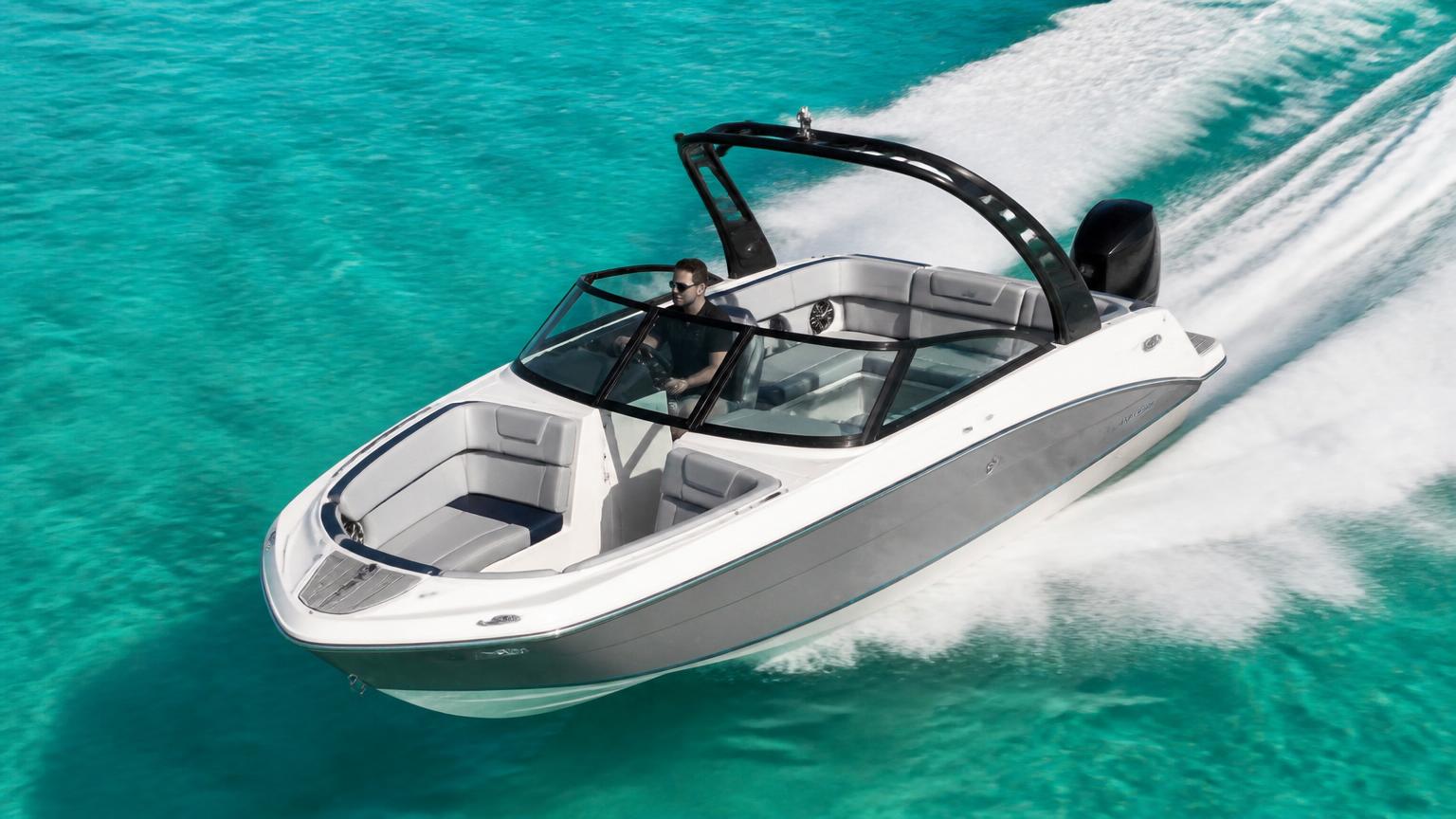
Why modern bowrider builders now favour four-stroke outboards over MerCruiser and Volvo Penta stern drives: servicing, reliability, power, layout and resale.
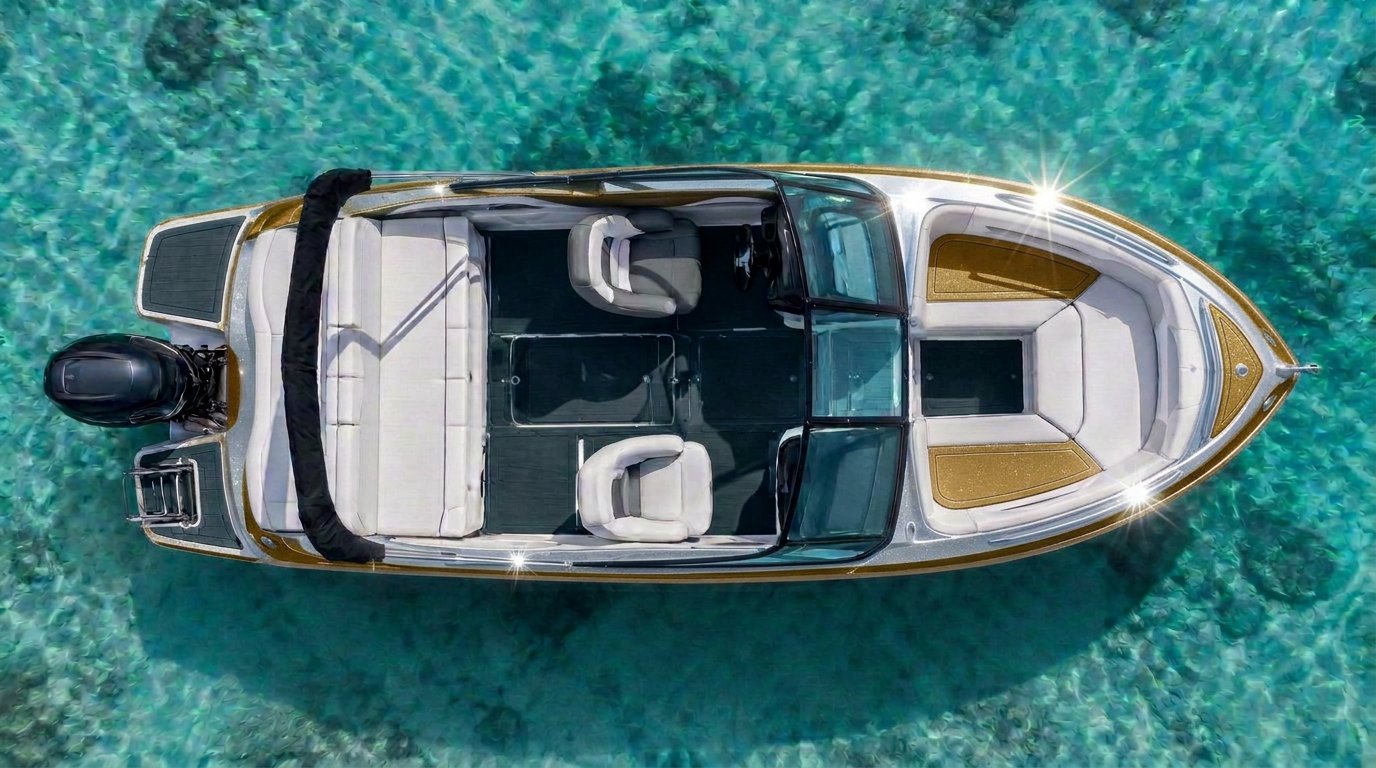
How much fuel a bowrider uses, why cruise speed matters more than engine size, and the propeller, trim and loading changes that cut consumption.
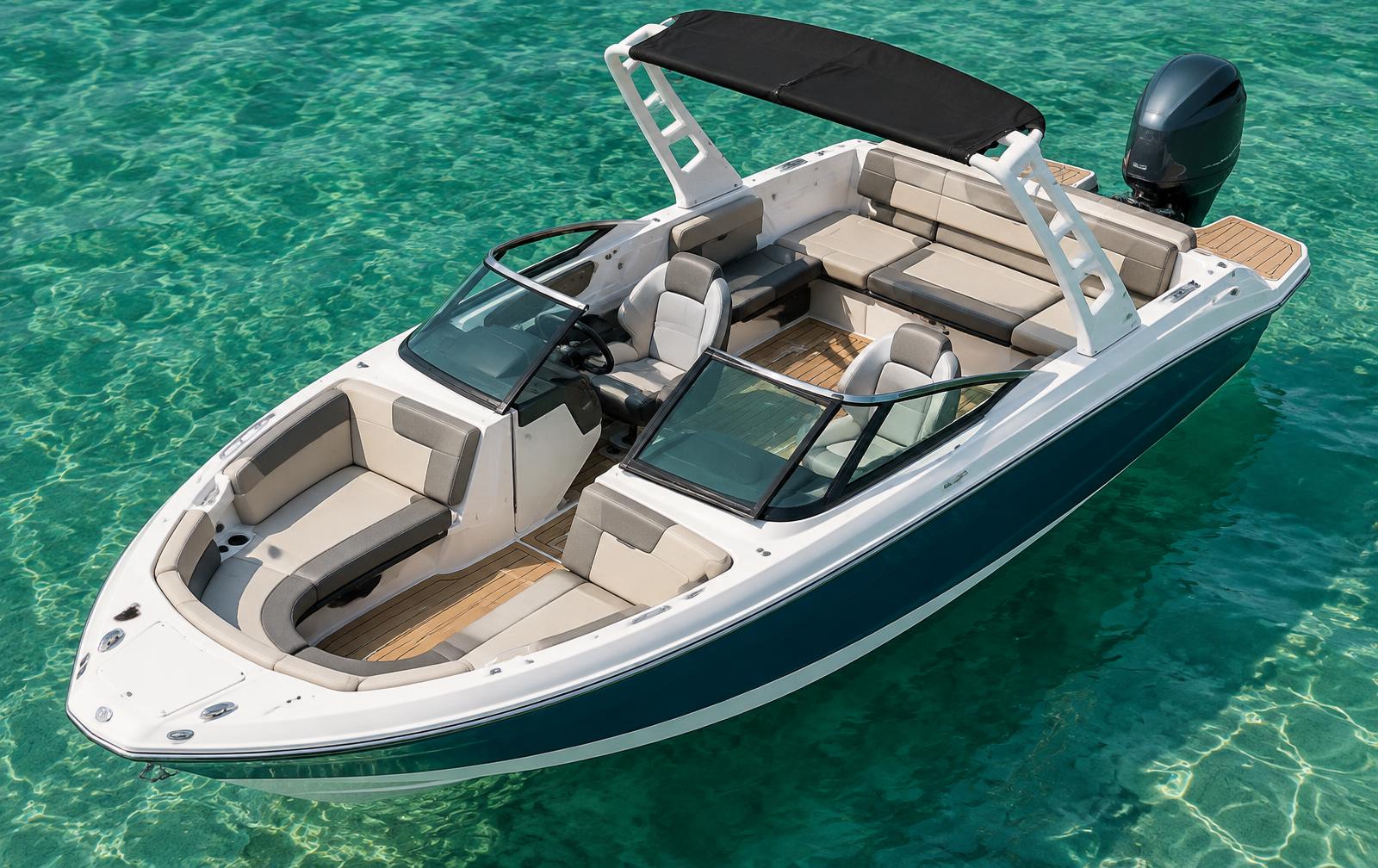
Where electric bowriders stand today on range, charging, cost and performance, which use cases already work, and what has to improve next.
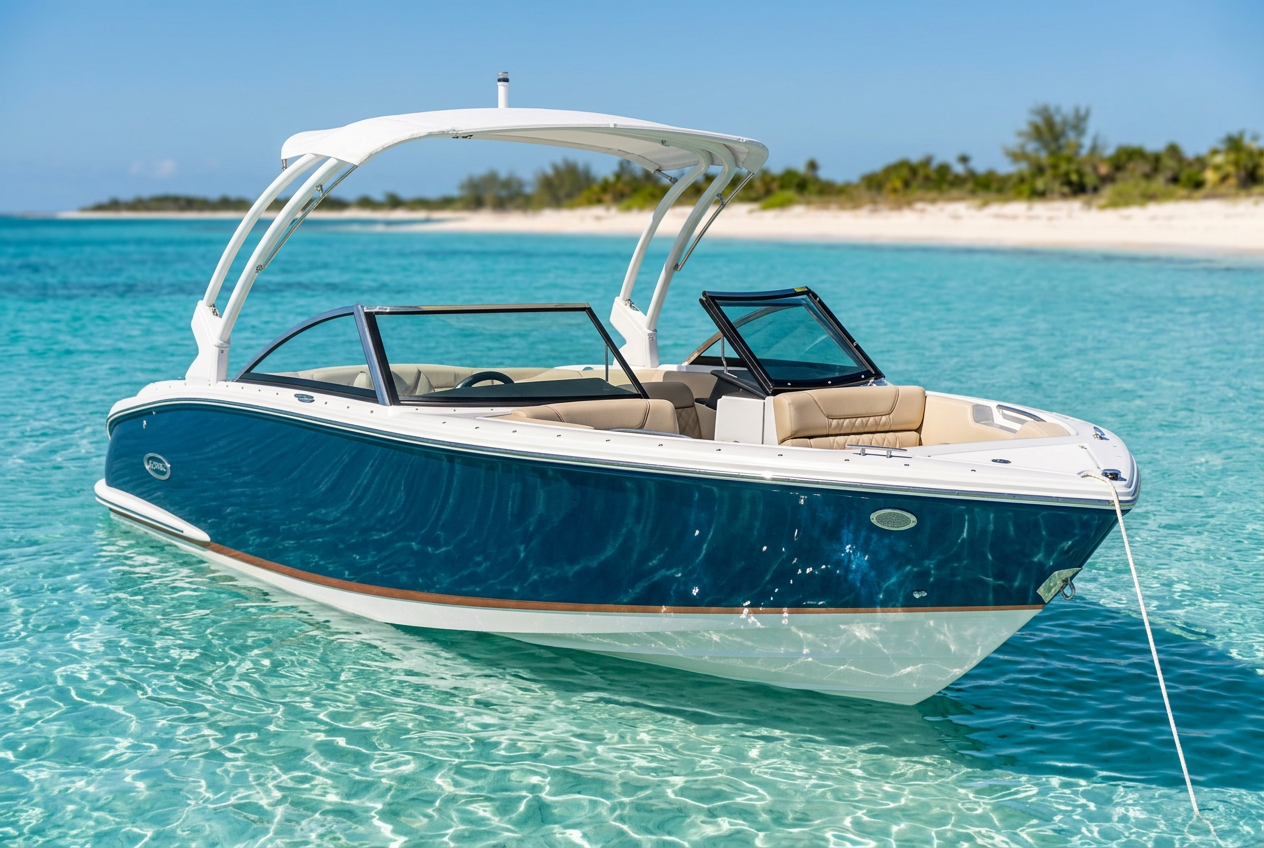
How to choose a bowrider that genuinely fishes — casting space, rod storage, live wells, hull type and the compromises between fishing and family boating.
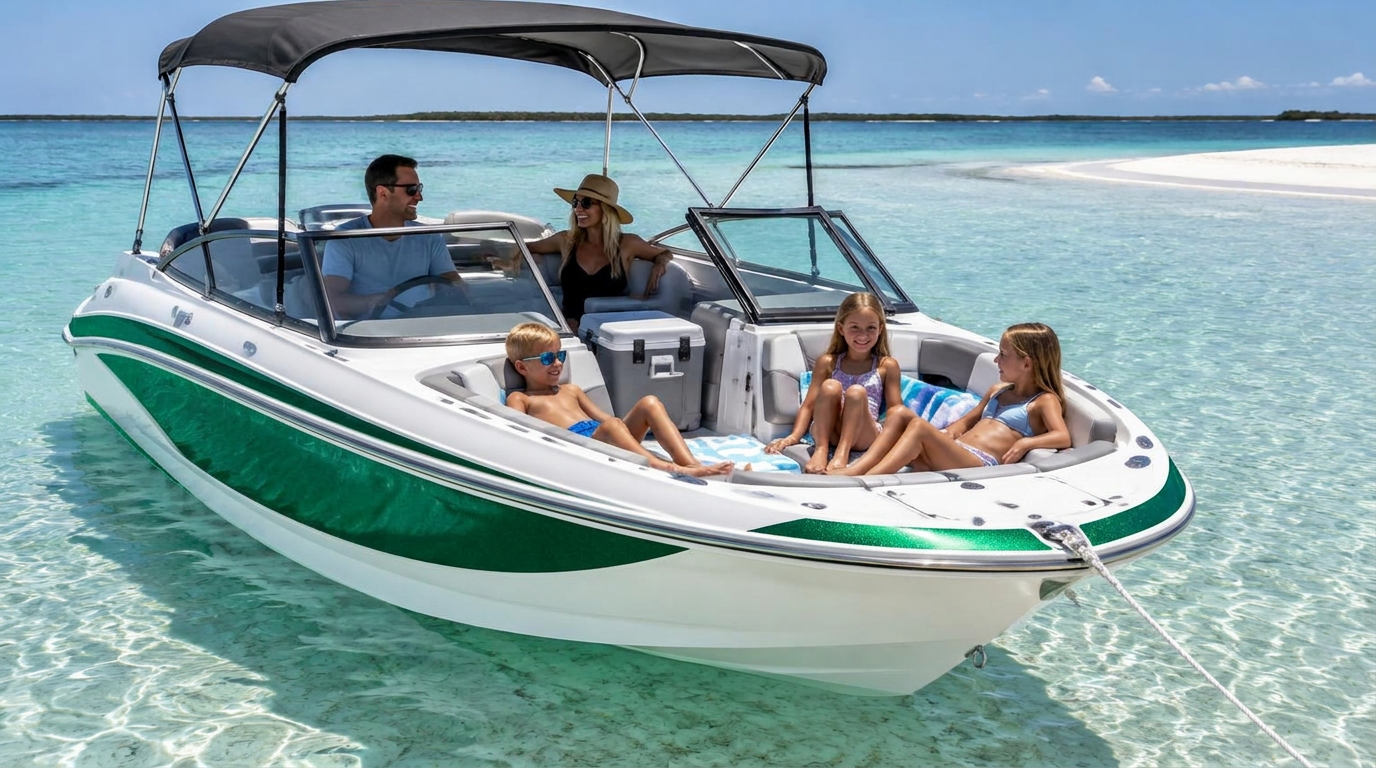
What makes a great bowrider day boat — seating, shade, swim access, range and comfort — and the sizes and layouts that suit long days on the water.
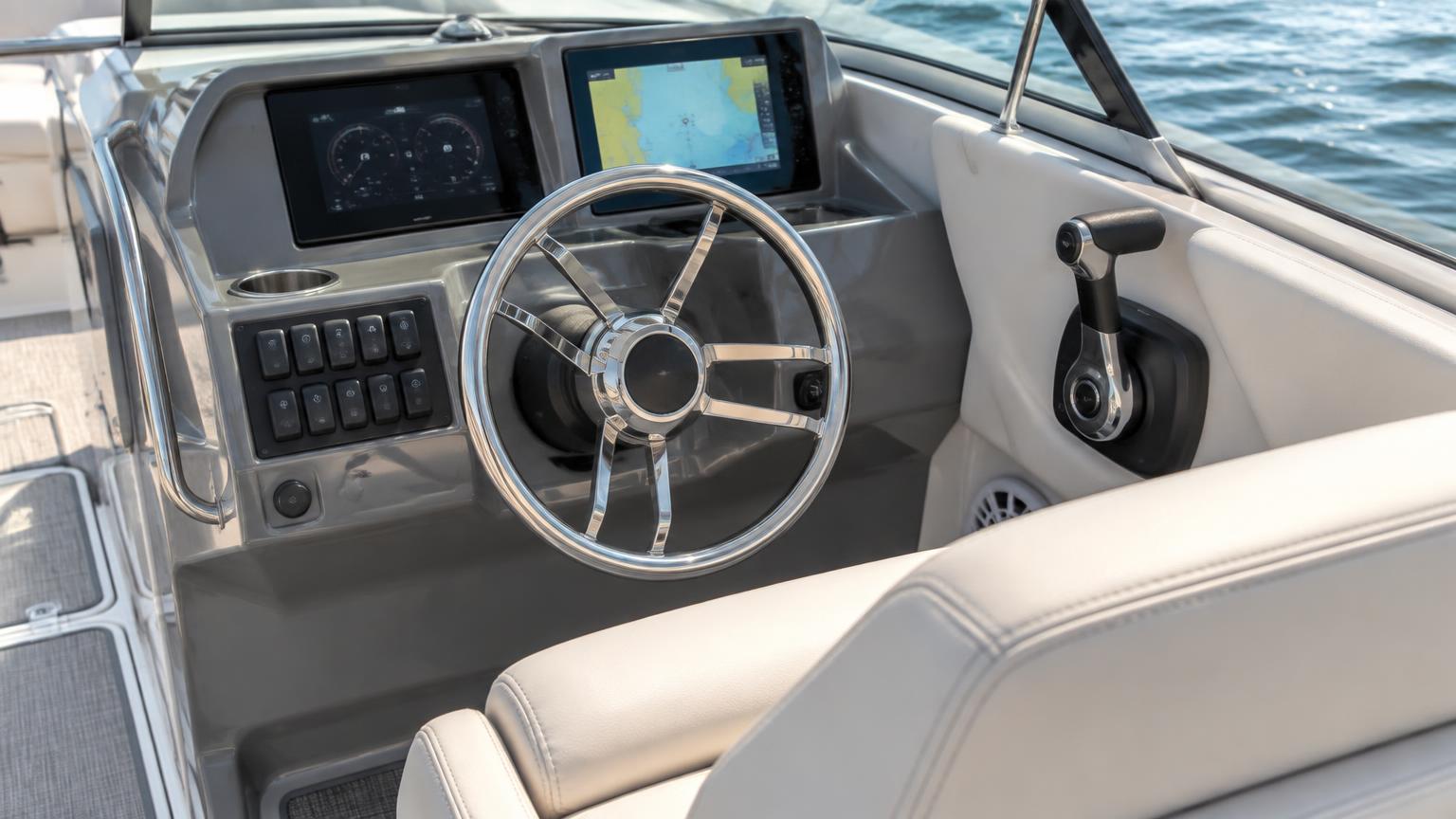
How to choose a bowrider for towsports — wake shape, hull design, power, tow points, ballast and the difference between a ski boat and a wake boat.
When a bowrider is safe offshore and when it is not — hull depth, freeboard, bow covers, weather limits, safety gear and sensible distance from shore.
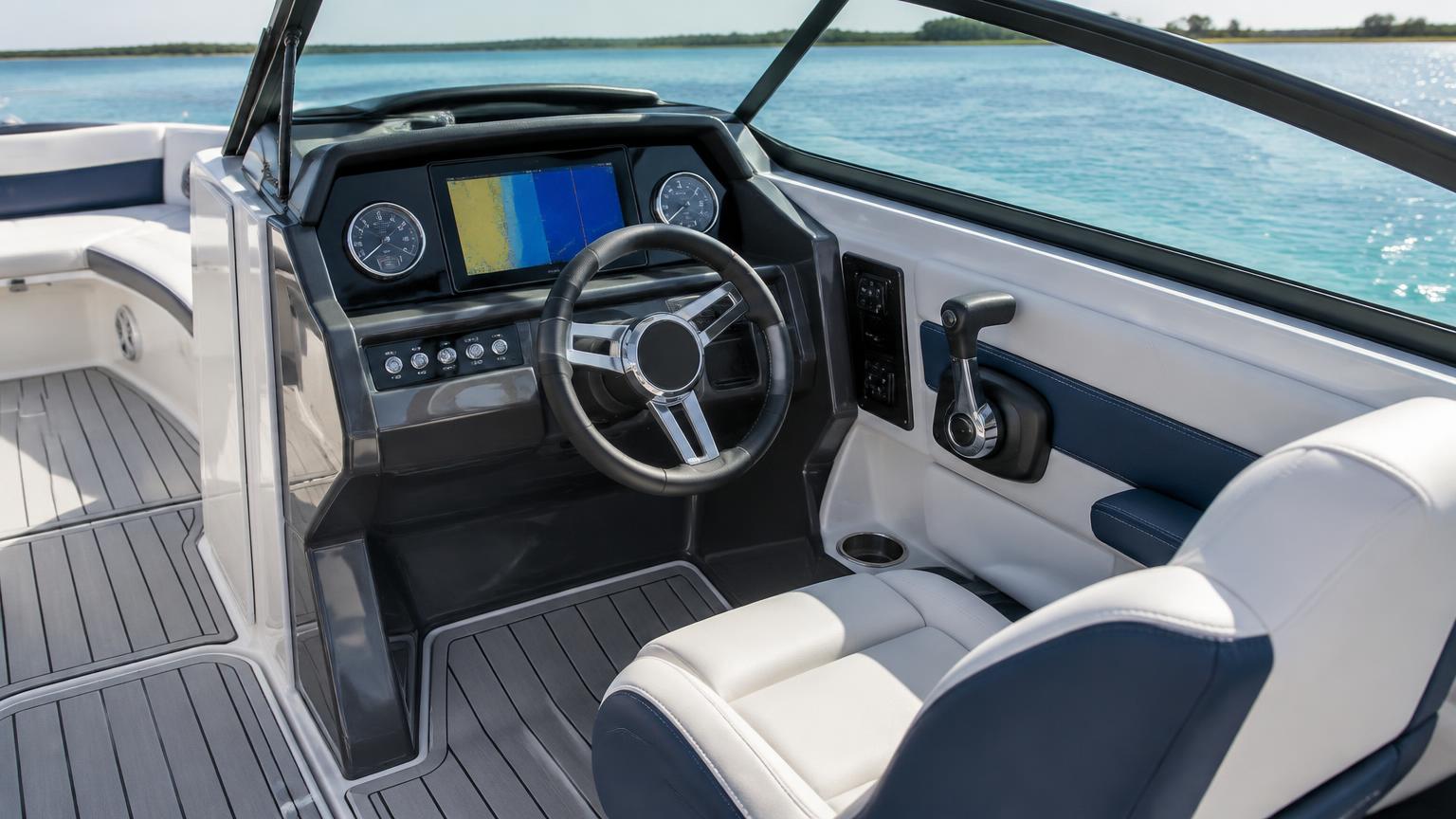
Every part of a bowrider layout explained — bow lounges, helm and companion seats, rear bench, sun pads, storage and convertible arrangements.
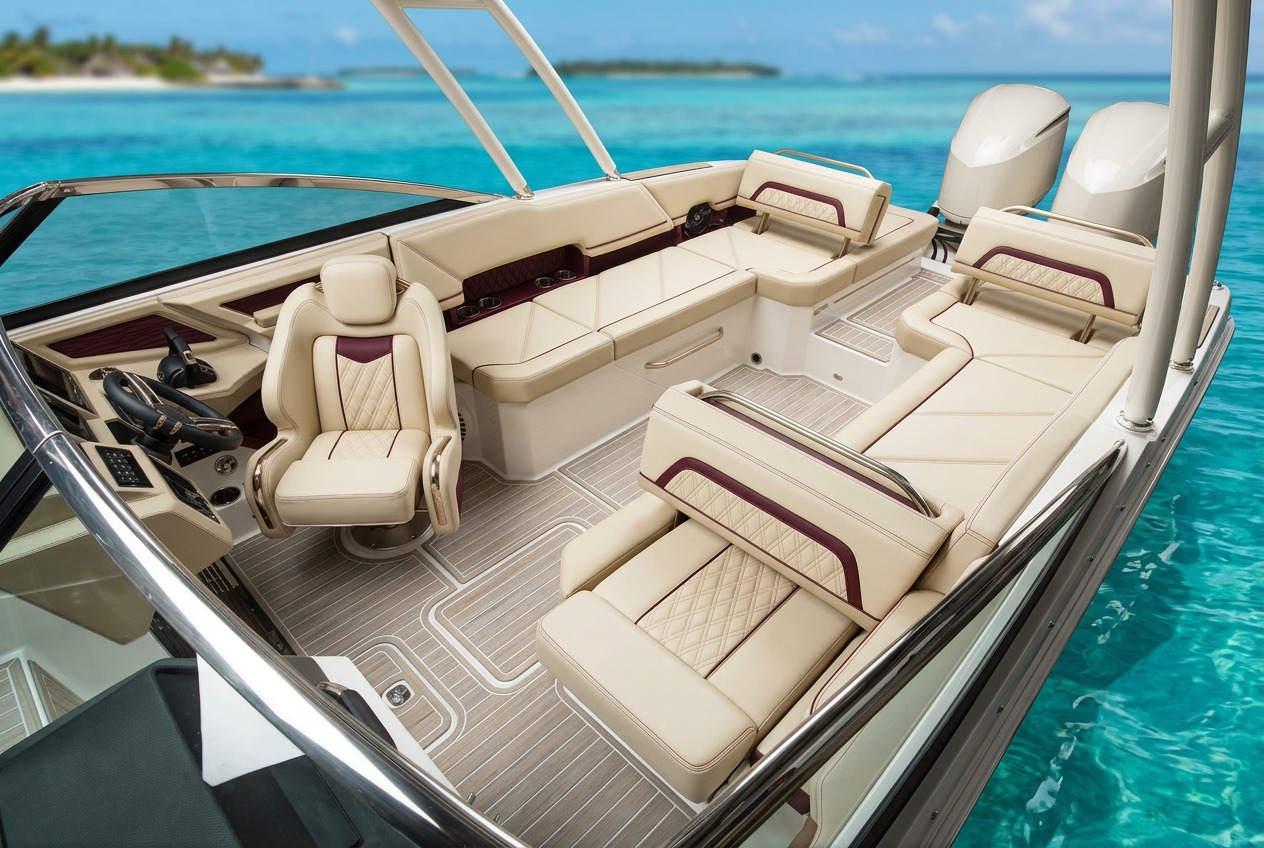
Learn to drive a bowrider — launching, planing, trim, turning, docking, anchoring and retrieving — with the practical technique new owners need most.
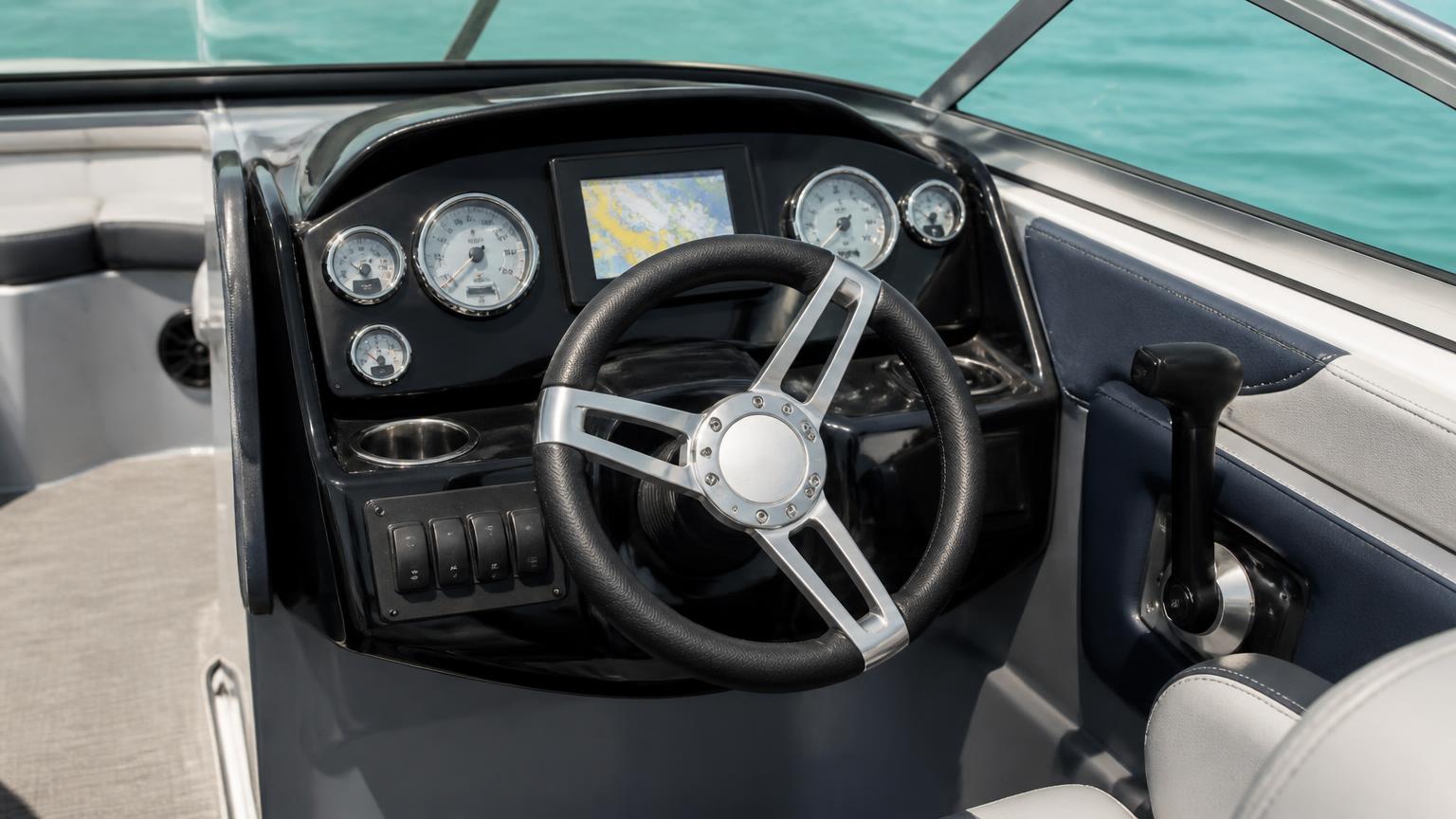
How to sleep aboard a bowrider — boat features that make overnighting practical, camper canvas, bedding, toilets, power and where to anchor for the night.
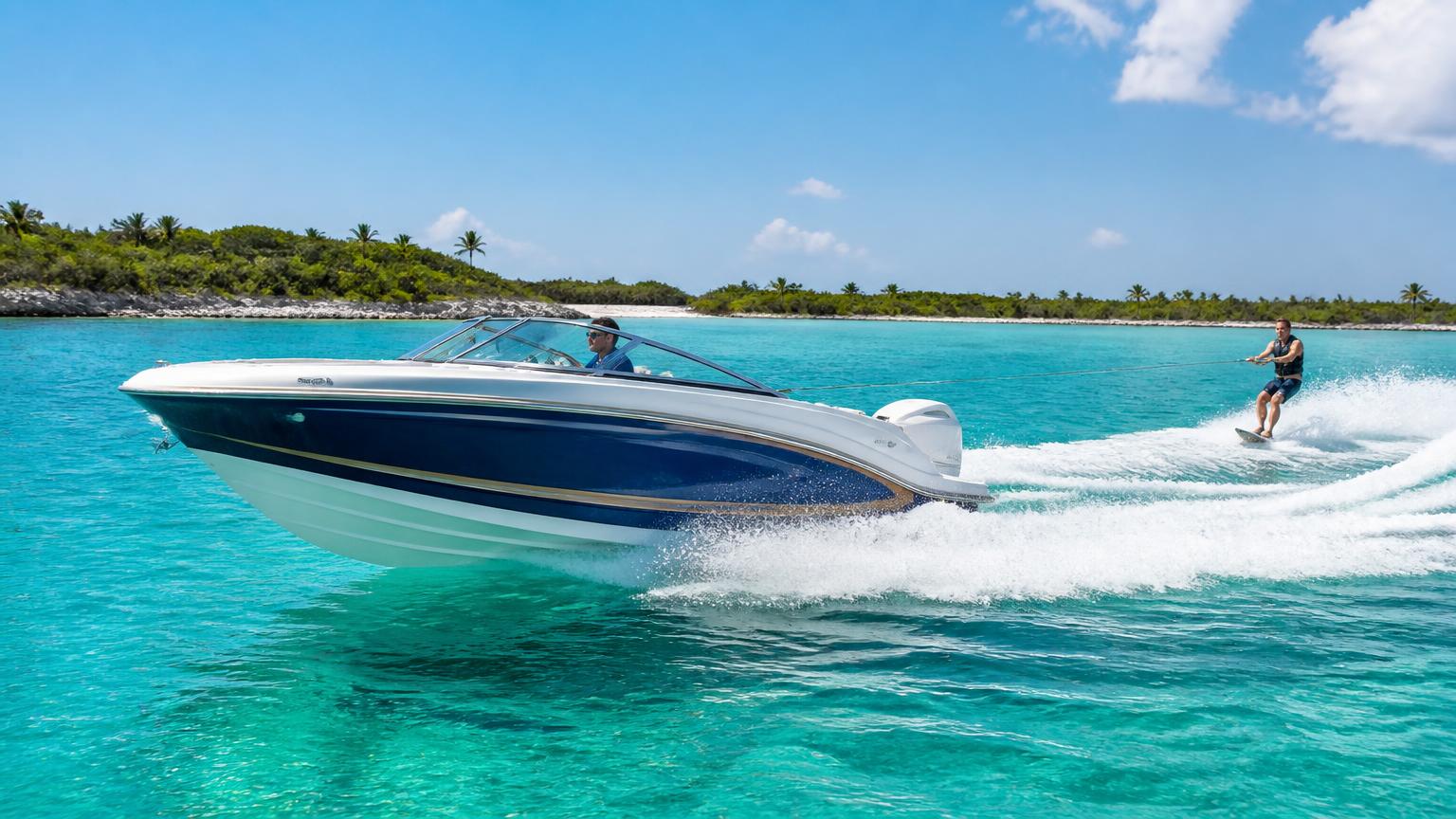
The real differences between a bowrider and a deck boat — bow shape, space, ride, capacity and performance — and which one suits your boating.
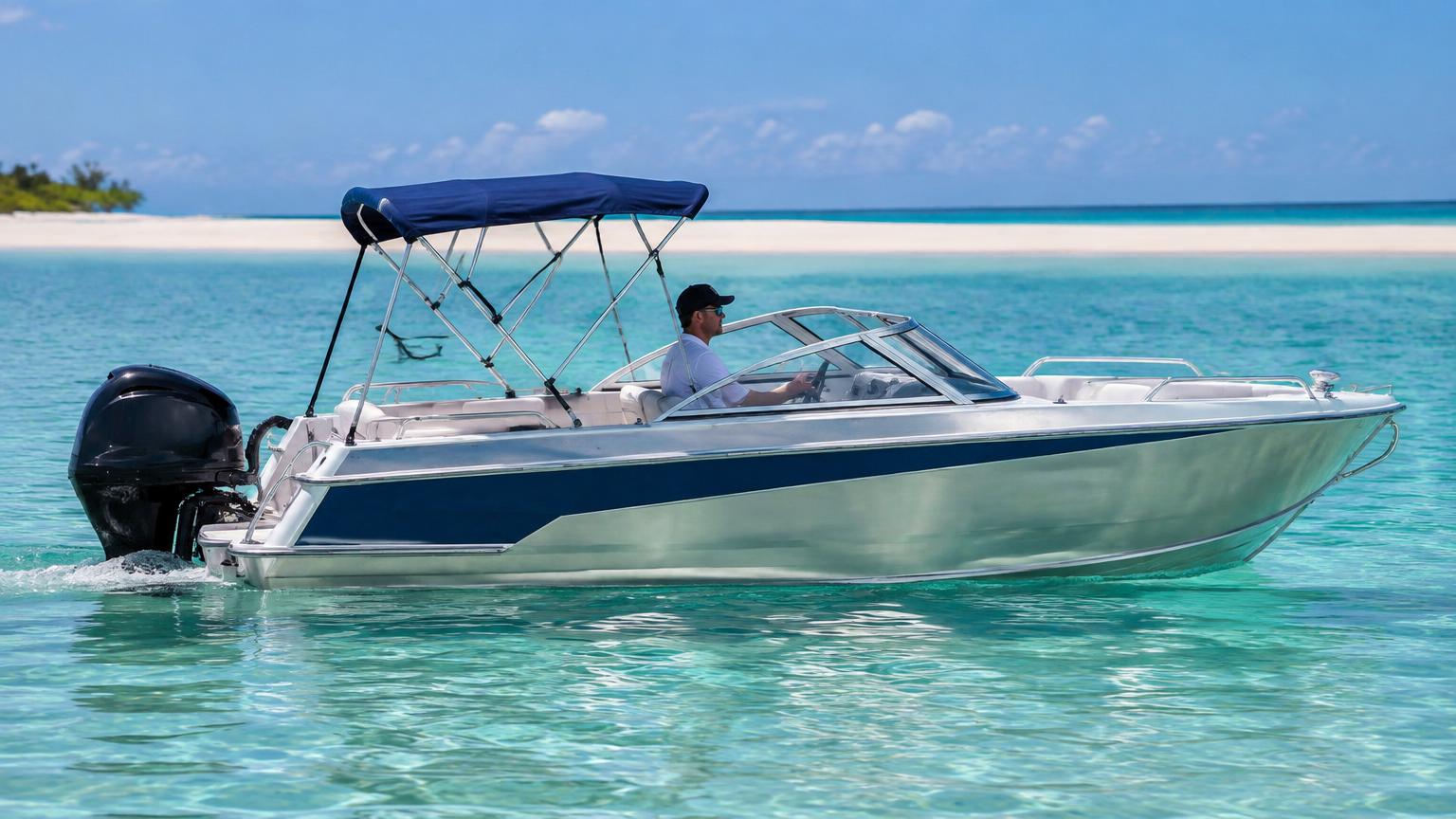
Open bow seating or a small cabin? Comparing bowriders and cuddy cabins on space, shelter, overnighting, resale and everyday practicality.
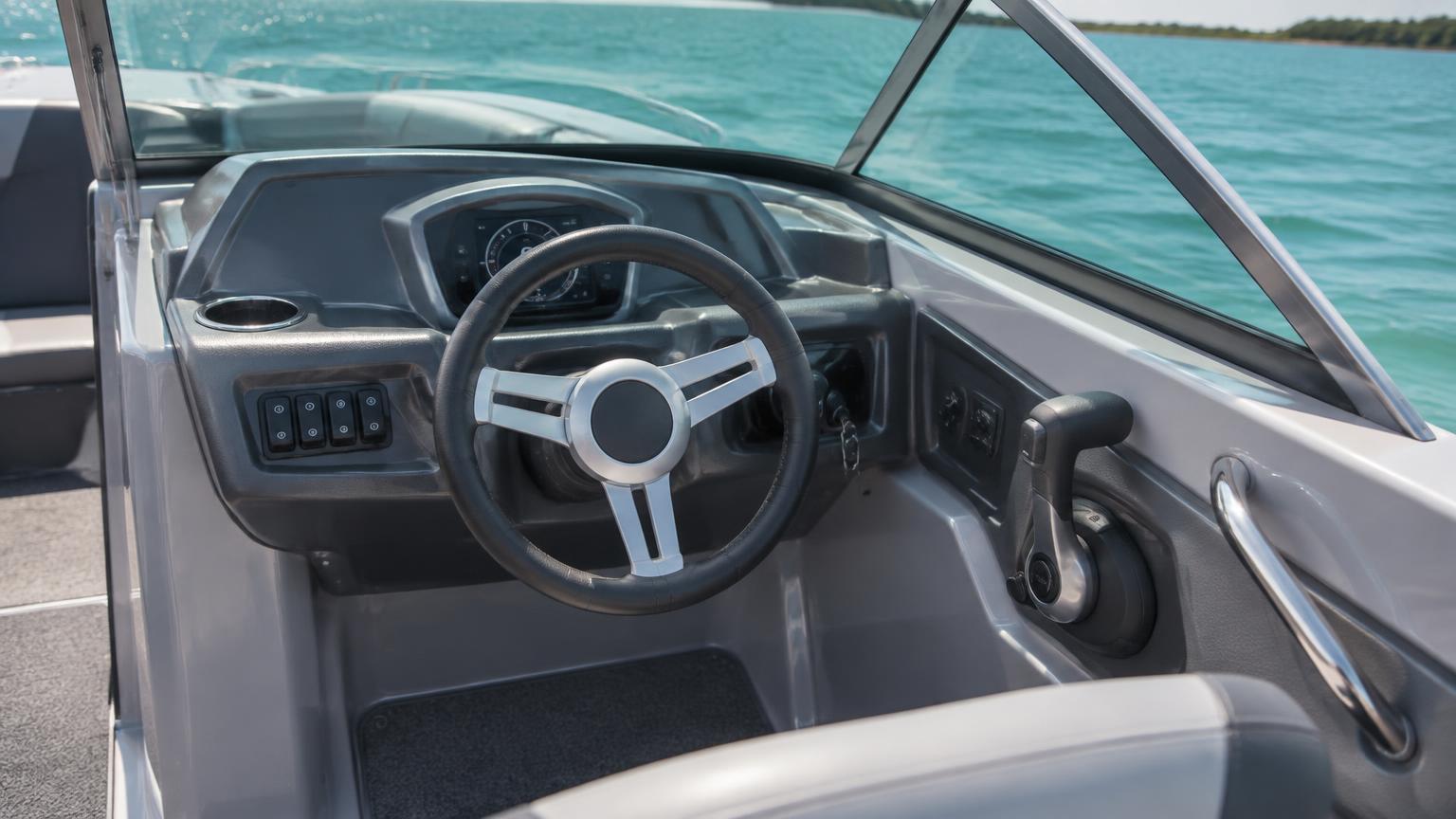
Aluminium or fibreglass? Comparing ride quality, weight, durability, maintenance, resale and cost so you can pick the right bowrider construction.
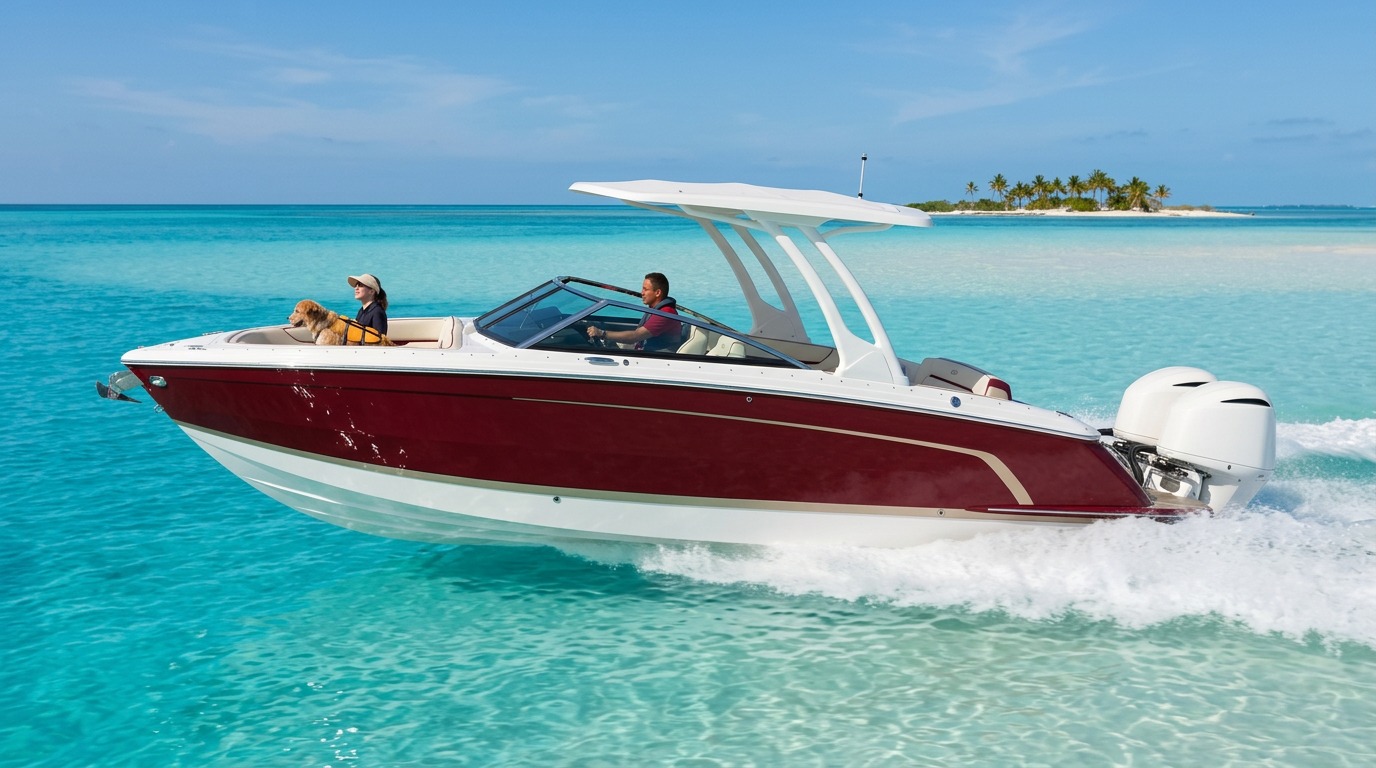
How drive choice affects bowrider resale — buyer demand, maintenance perception, repower costs and which boats are hardest to sell later.
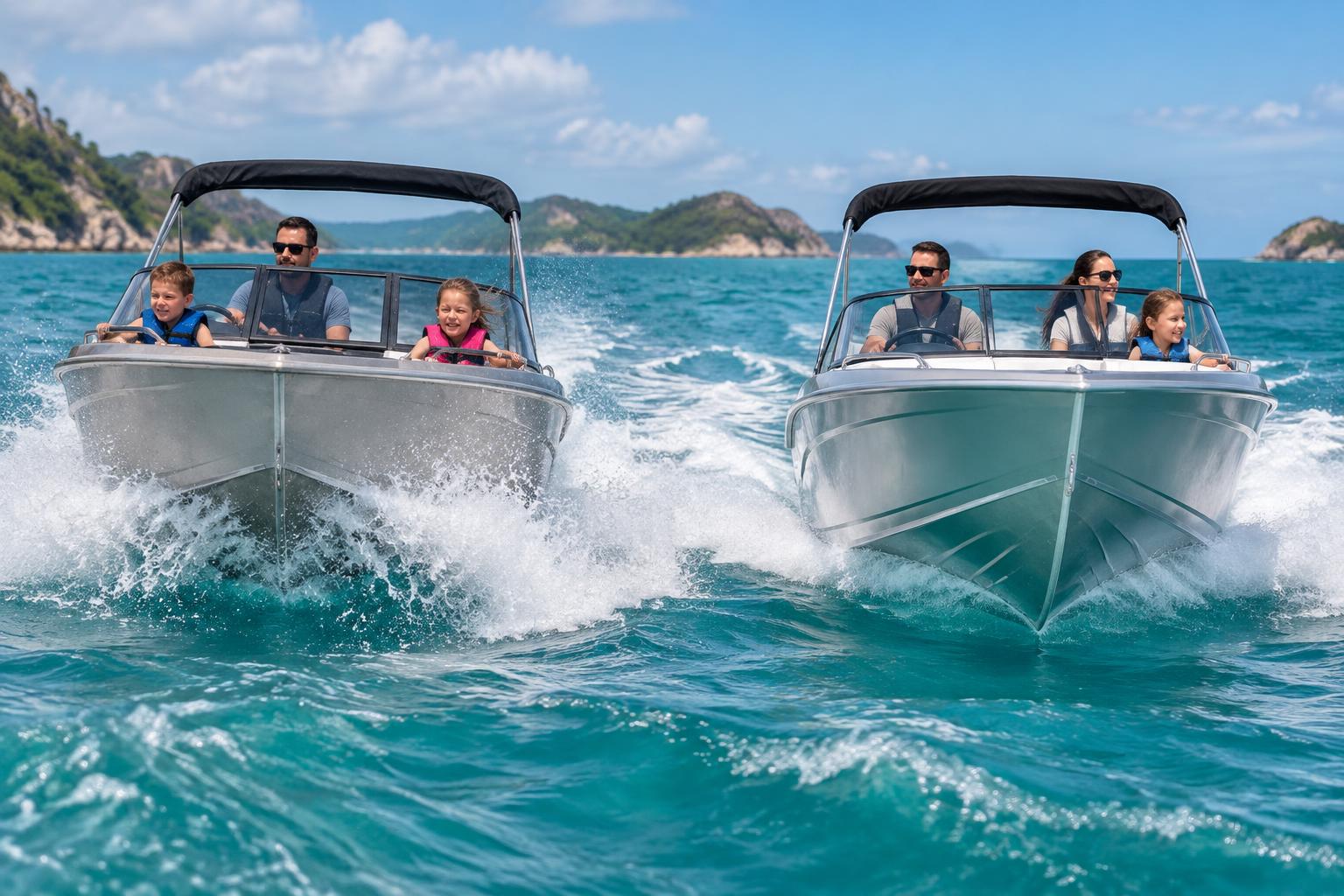
How length, beam and weight change the way a bowrider rides, plus aluminium versus fibreglass hulls and the design advances — including Quintrex Millennium, Blade and APEX hulls — that soften the ride.
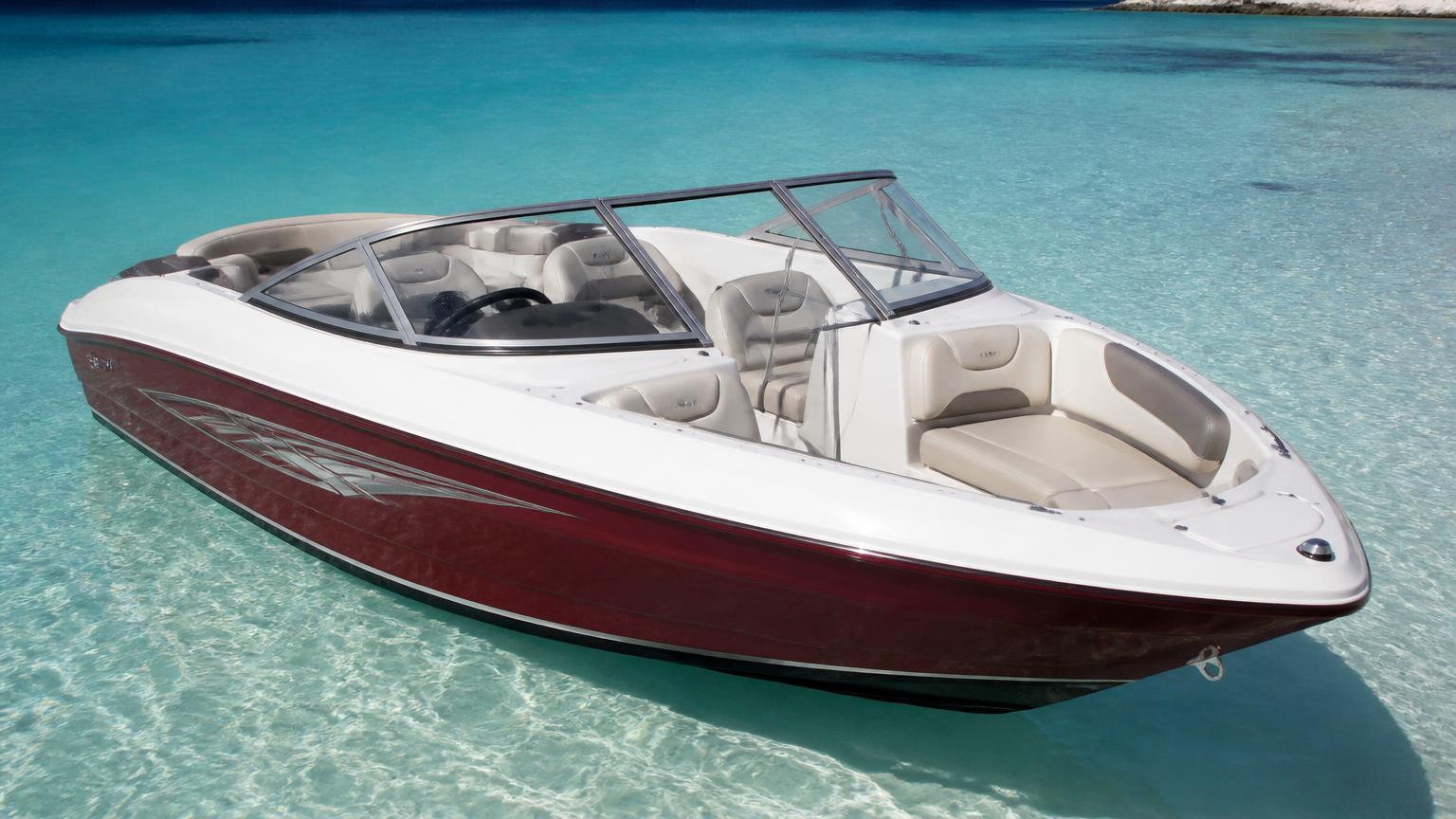
The full Bayliner 185 story: why its size, price, towability and all-round ability made this 18-foot family bowrider a worldwide favourite.
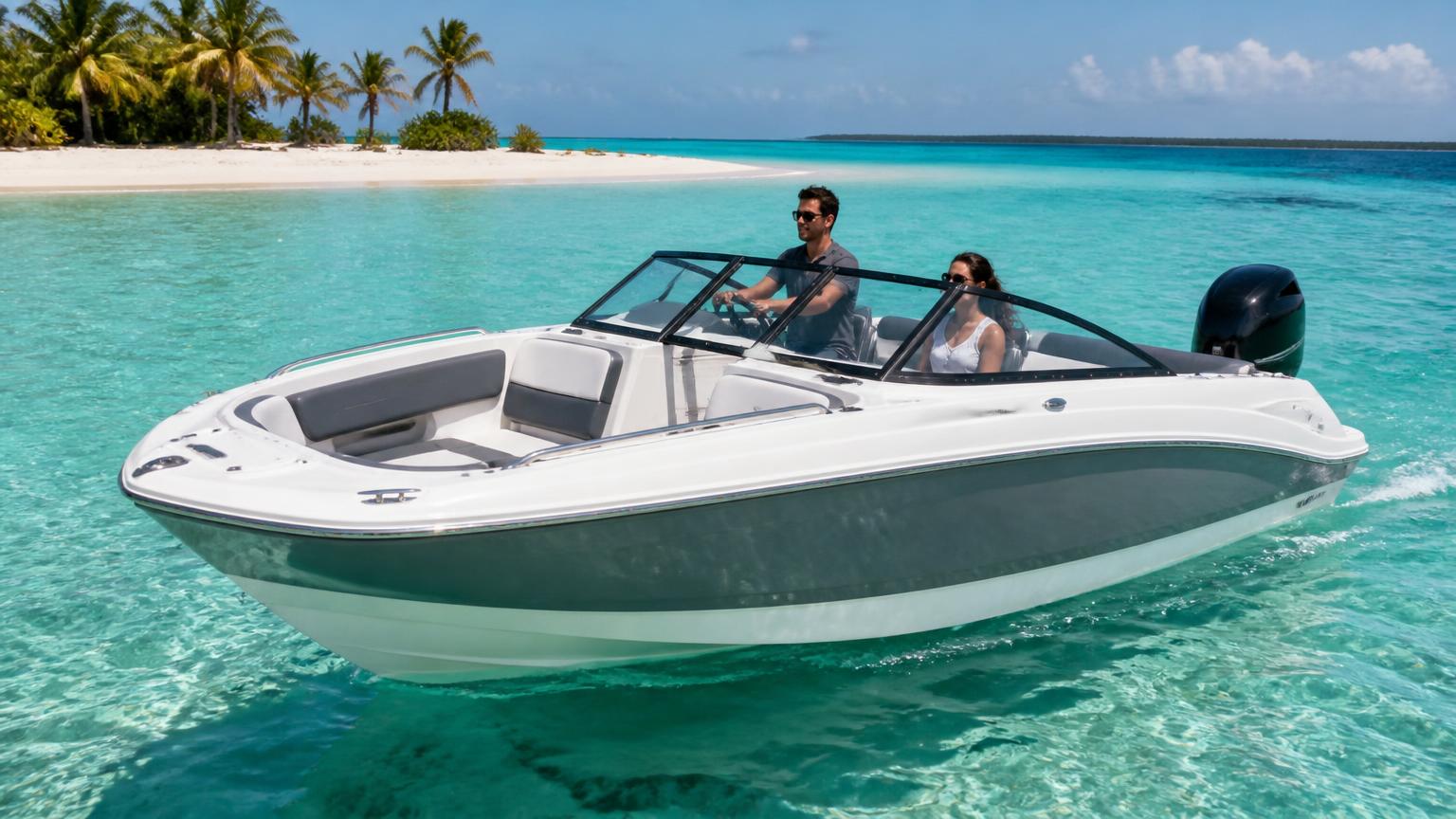
How the Bayliner VR5 advances the famous 185 formula with more space, convertible seating, practical storage and increasingly popular outboard power.
Featured Boat of the Week

This week we are putting the Bayliner Bayliner DX2000 in the spotlight, and it earns the spot. At 20 ft 2 in (6.16 m) long on a 8 ft (2.44 m) beam, this is a bowrider that reads the water well and still feels roomy enough for a full day out. A 20-foot deck-boat-width bowrider with outboard power and a huge social cockpit. Power comes from 115-150 hp mercury fourstroke outboard through a outboard package, and the fibreglass hull keeps the ride settled when the afternoon breeze puts a chop on the surface.
Seating is rated for 8 people, so there is space for family, friends, towels, eskies and the tow rope without anyone climbing over gear. Owners tend to buy it for family, water ski, leisure — which is exactly where it shines. Fuel is 30 us gal (114 l), and on the second-hand and new market you should expect to land somewhere around US$42,000 - US$58,000 new depending on hours, trailer and options.
Our full deep dive covers the layout in detail: bow lounge comfort, helm ergonomics, the rear entertaining area, storage that actually swallows a weekend, plus standard features, popular options and honest notes on where the boat compromises. If the Bayliner DX2000 is on your shortlist, start there — and check back next week, because the featured boat changes every week as we complete more full model reviews.
Featured Bowrider Article
On the Water
Bowriders are social boats first, which is why purists say they cannot fish. That is out of date. A well-specified bowrider fishes perfectly well for most people, provided you buy for the features that matter and accept the limits of an open-bow layout. Start with the deck. Removable bow cushions and a flat, unobstructed bow floor turn the front of the boat into a casting platform in under a minute. Boats with fixed, moulded-in bow furniture cannot do this, and no accessory will fix it. Next, look for a self-draining or easily washed floor, rod holders in the gunwales, a wet locker or fish box with a drain, and a transom you can land a fish over. A live well and a bait board are bonuses; a boat you can hose out is essential. Aluminium bowriders often out-fish fibreglass here simply because owners treat them more casually. A hull you do not mind dropping a lead sinker onto is a hull you will actually fish from. For estuary, bay and lake fishing, a moderate-deadrise hull in the 5.0-6.0 m range hits the balance between stability at rest and a comfortable run home. Deep-V hulls ride better offshore but roll more when you stop, which matters…
Read the full article