Menu
Site Menu — Find Your Page
Bowrider Boats Mega Website
Comparisons
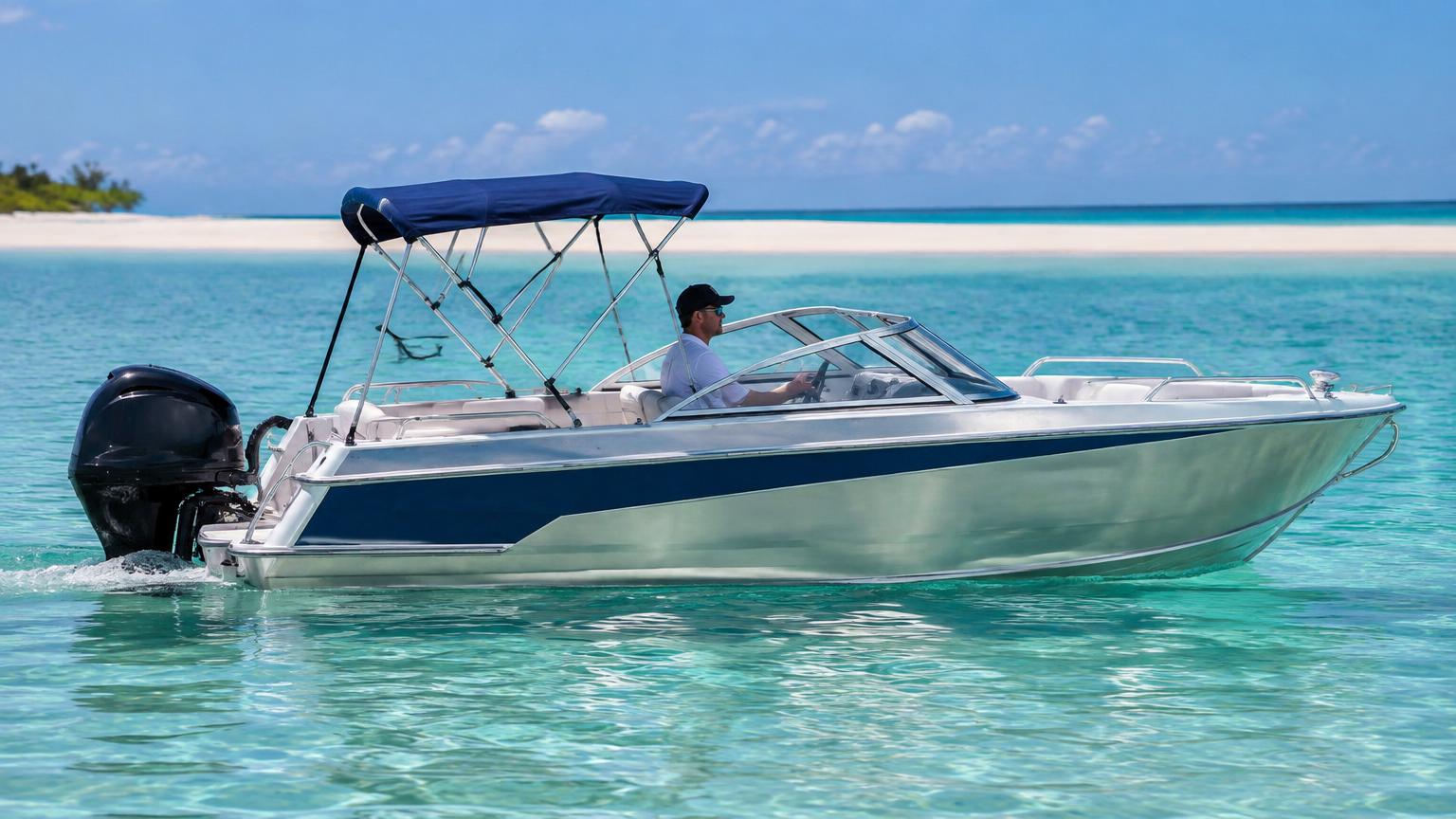
Bowrider vs Cuddy Cabin
A cuddy cabin takes the same hull as a bowrider and decks over the bow to create a small enclosed space. Whether that is an upgrade or a downgrade depends entirely on whether you would rather sit in the sun or shelter from it.
What the cuddy gives you
Shelter is the headline benefit. A cuddy provides a place to change, keep gear dry, escape rain or sun, and install a portable toilet — which is a genuine game-changer for families with young children or for anyone boating in unpredictable weather.
It also offers lockable storage. Cameras, phones, wallets and fishing tackle can live behind a cabin door rather than in an open locker, and many cuddies include a V-berth cushion set for occasional overnight stays at anchor.
What you give up
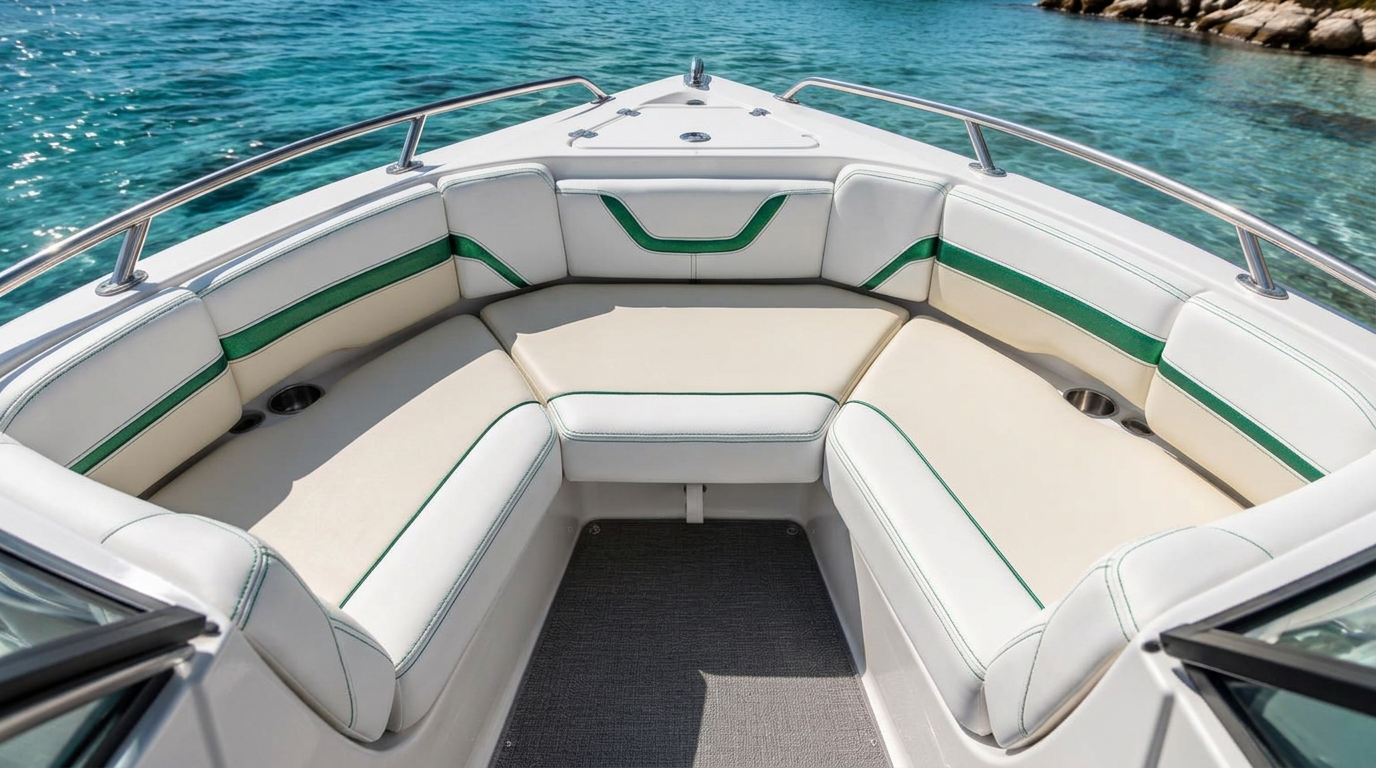
Seating and sociability. A bowrider's forward lounges add four seats and turn the front of the boat into the best place to sit at anchor. Decking that area over removes it, and the cabin space you gain is small, dark and awkward compared with a proper cabin boat.
Most cuddy cabins in the 5.5-7.0 m range are too cramped to sleep in comfortably for more than a night. Many owners end up using the space purely as a wet locker, which is an expensive way to buy storage.
How they compare on the water
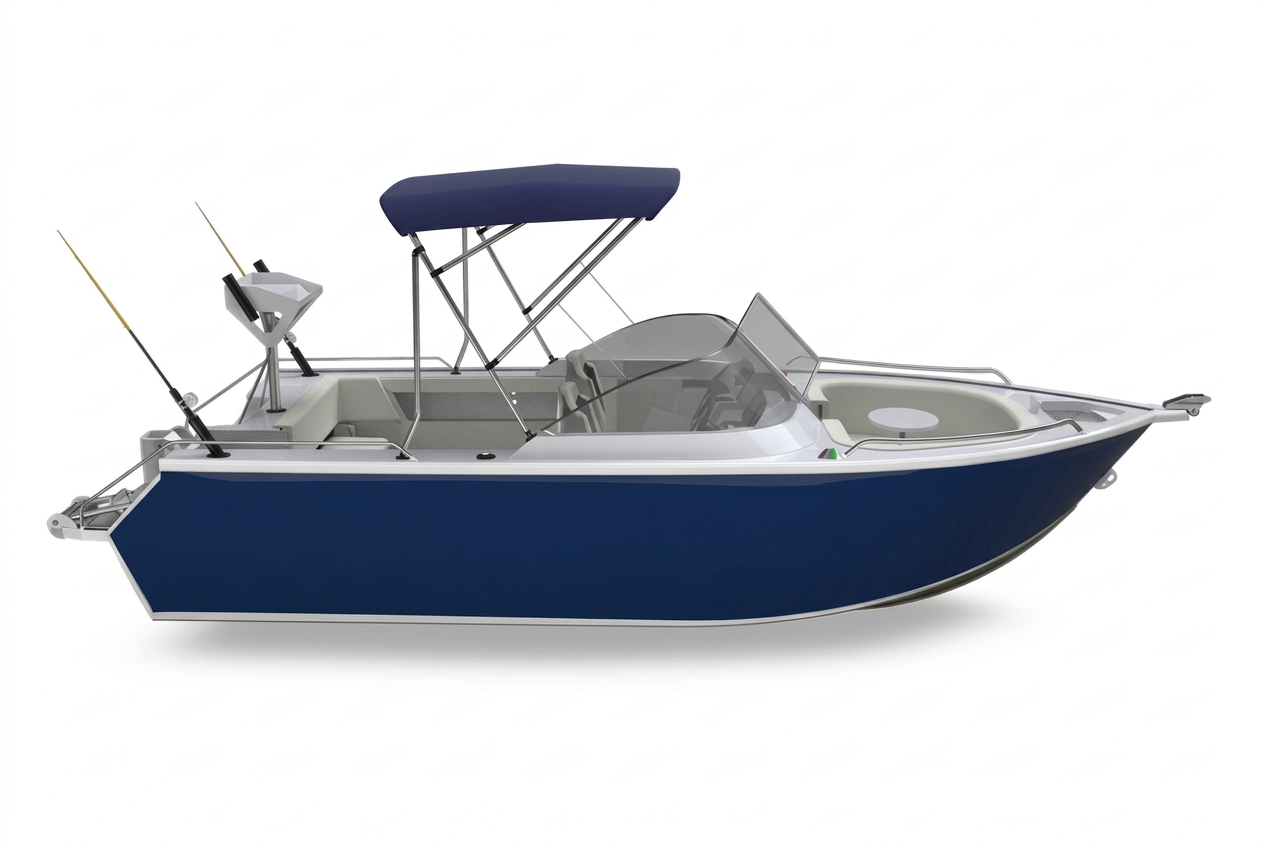
Hull performance is often near-identical, since many builders offer both layouts on the same platform. The cuddy is slightly heavier and has more windage forward; the bowrider is a little lighter and carries weight further aft when passengers sit in the bow.
Visibility and access are better in a bowrider: a walkthrough windscreen leads to a clear foredeck for anchoring, while a cuddy usually requires stepping around a raised cabin top.
The verdict for most buyers
Choose a cuddy if you fish in cold or wet climates, want a toilet and lockable storage, or occasionally sleep aboard. Choose a bowrider if you boat mainly in warm weather, carry family and friends, swim from the boat and want maximum usable seating.
Resale supports the bowrider in most warm-water markets, where buyers overwhelmingly want open-bow seating. In northern Europe, Scandinavia and colder North American regions, cuddies and closed-bow boats hold value better because shelter is worth more than sunshine.
Keep reading
Featured Boat of the Week
Bayliner Bayliner DX2000 — Our Featured Bowrider This Week

This week we are putting the Bayliner Bayliner DX2000 in the spotlight, and it earns the spot. At 20 ft 2 in (6.16 m) long on a 8 ft (2.44 m) beam, this is a bowrider that reads the water well and still feels roomy enough for a full day out. A 20-foot deck-boat-width bowrider with outboard power and a huge social cockpit. Power comes from 115-150 hp mercury fourstroke outboard through a outboard package, and the fibreglass hull keeps the ride settled when the afternoon breeze puts a chop on the surface.
Seating is rated for 8 people, so there is space for family, friends, towels, eskies and the tow rope without anyone climbing over gear. Owners tend to buy it for family, water ski, leisure — which is exactly where it shines. Fuel is 30 us gal (114 l), and on the second-hand and new market you should expect to land somewhere around US$42,000 - US$58,000 new depending on hours, trailer and options.
Our full deep dive covers the layout in detail: bow lounge comfort, helm ergonomics, the rear entertaining area, storage that actually swallows a weekend, plus standard features, popular options and honest notes on where the boat compromises. If the Bayliner DX2000 is on your shortlist, start there — and check back next week, because the featured boat changes every week as we complete more full model reviews.
Featured Bowrider Article
New VR5 Bayliner is Fast Becoming the Worlds Most Popular Bowrider Model Boat to Buy
Boat Stories
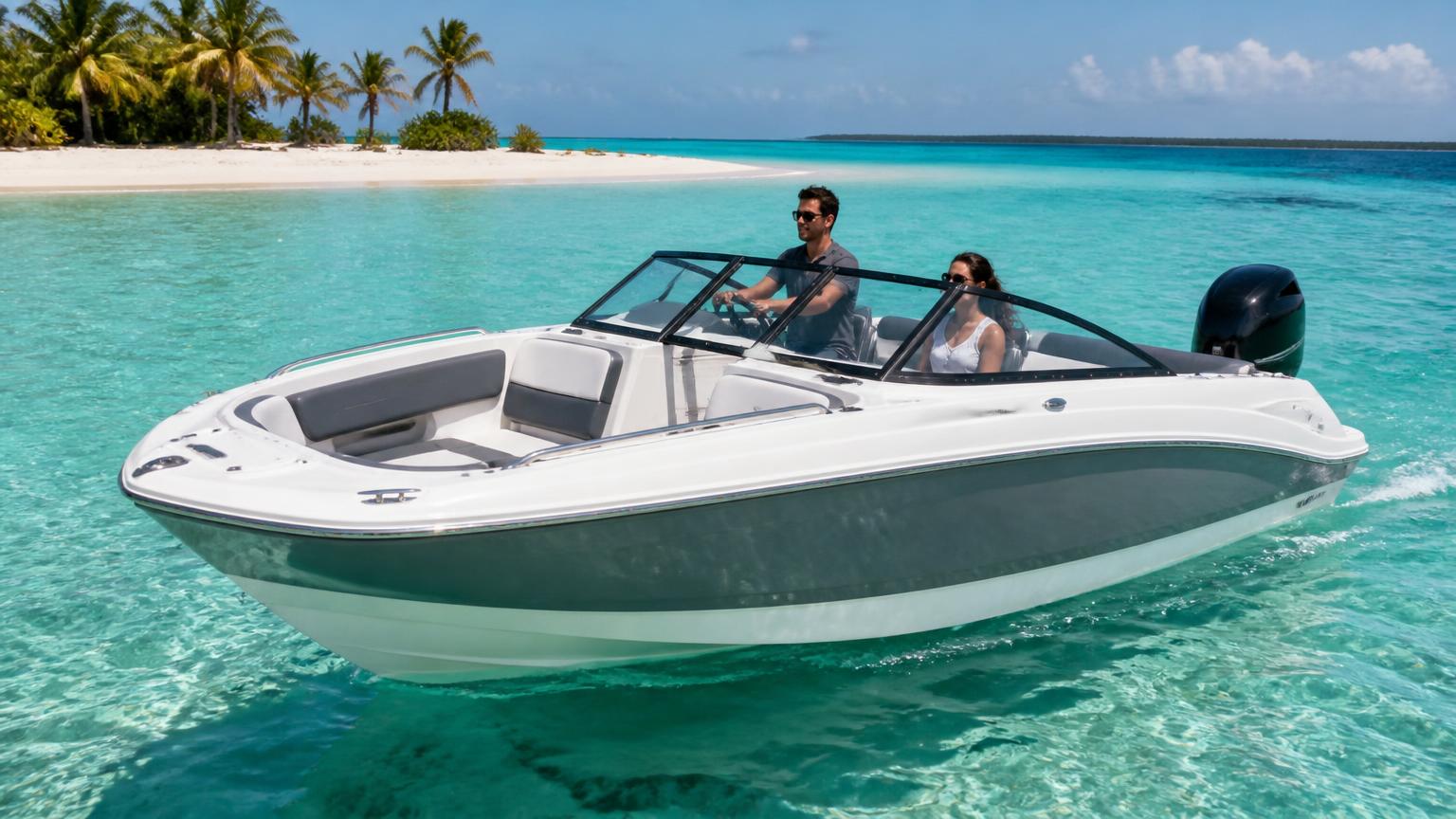
The Bayliner 185 helped make family bowrider ownership achievable; the newer Bayliner VR5 takes that accessible idea into a more spacious and versatile generation. Its wider forward layout, clever aft packaging, convertible seating, abundant storage and choice of modern outboard power answer what today’s families expect from one trailerable boat. This is how the VR5 picked up where the 185 left off — and why it is becoming such a familiar choice at ramps, beaches and family boating destinations. The Bayliner 185 earned its reputation by keeping boating simple. It was affordable, easy to understand, compact enough to tow and capable of cruising, swimming, fishing and pulling tow toys. When Bayliner introduced the VR5 for the 2016 model year it reworked the basic family-bowrider formula around the way owners actually use a modern day boat: more people moving between seating zones, more equipment carried aboard and more time spent socialising at anchor. That makes the VR5 a logical successor using its Interior layout with more functionality. Its bow stays wider further forward, its cockpit stretches wider and its seats perform more than one job having convertibility that makes many functions for the Bowrider Capabilities. The result feels like a meaningful generational step forward even though…
Read the full article