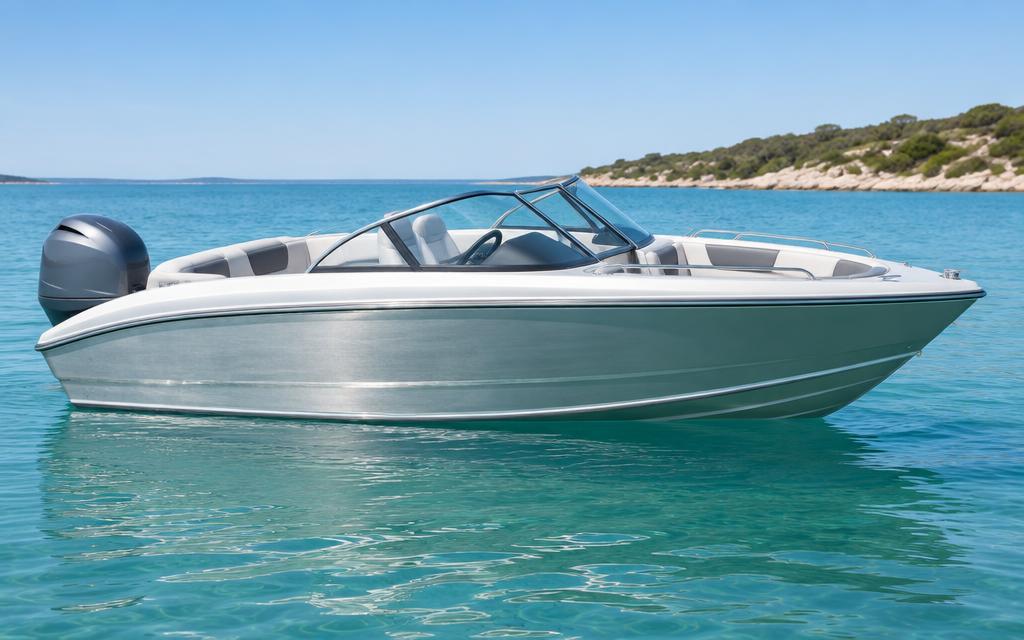
Usually lightest
Aluminium
Thin formed or welded Marine Alloy gives strong Structure with less mass.
Site Menu — Find Your Page
Bowrider Boats Mega Website
Buying Advice
Weight is an Important Factor when choosing a Boat. It determines How Easy it is to Tow, Launch and Retrieve. Hull Mass is also a Primary Indicator of how well the Boat will Ride in Choppy Water and Heavy Seas. Light Hulls like Aluminium Launch easily, Tow behind Regular Vehicles, and cost less to run and maintain. This Article Explores how the lightest Bowriders on the market stack up, and where the Weight actually comes from.
Typical like-for-like comparison
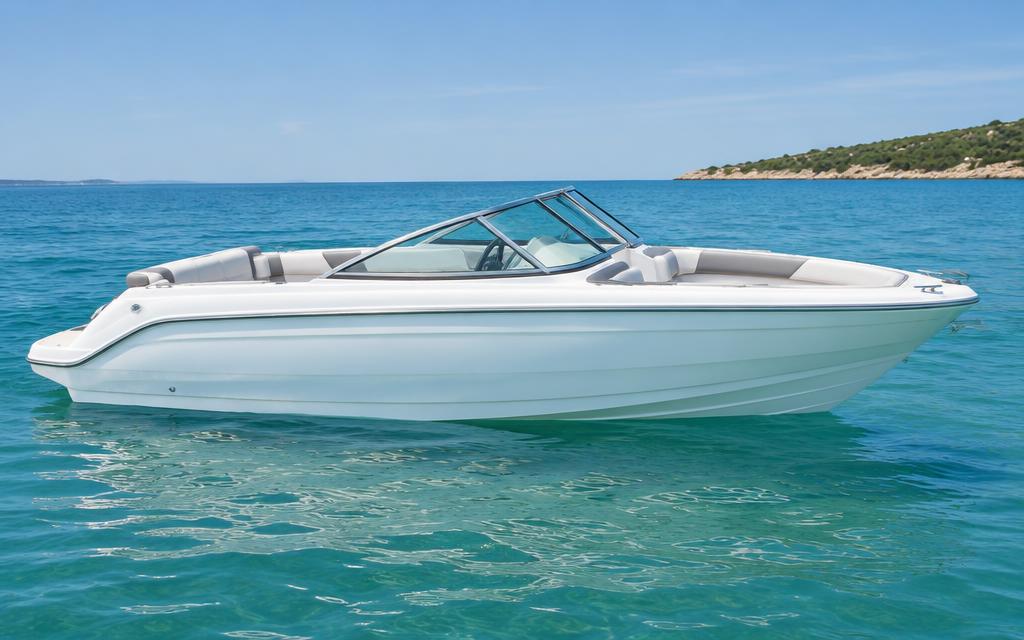
Usually lightest
Thin formed or welded Marine Alloy gives strong Structure with less mass.
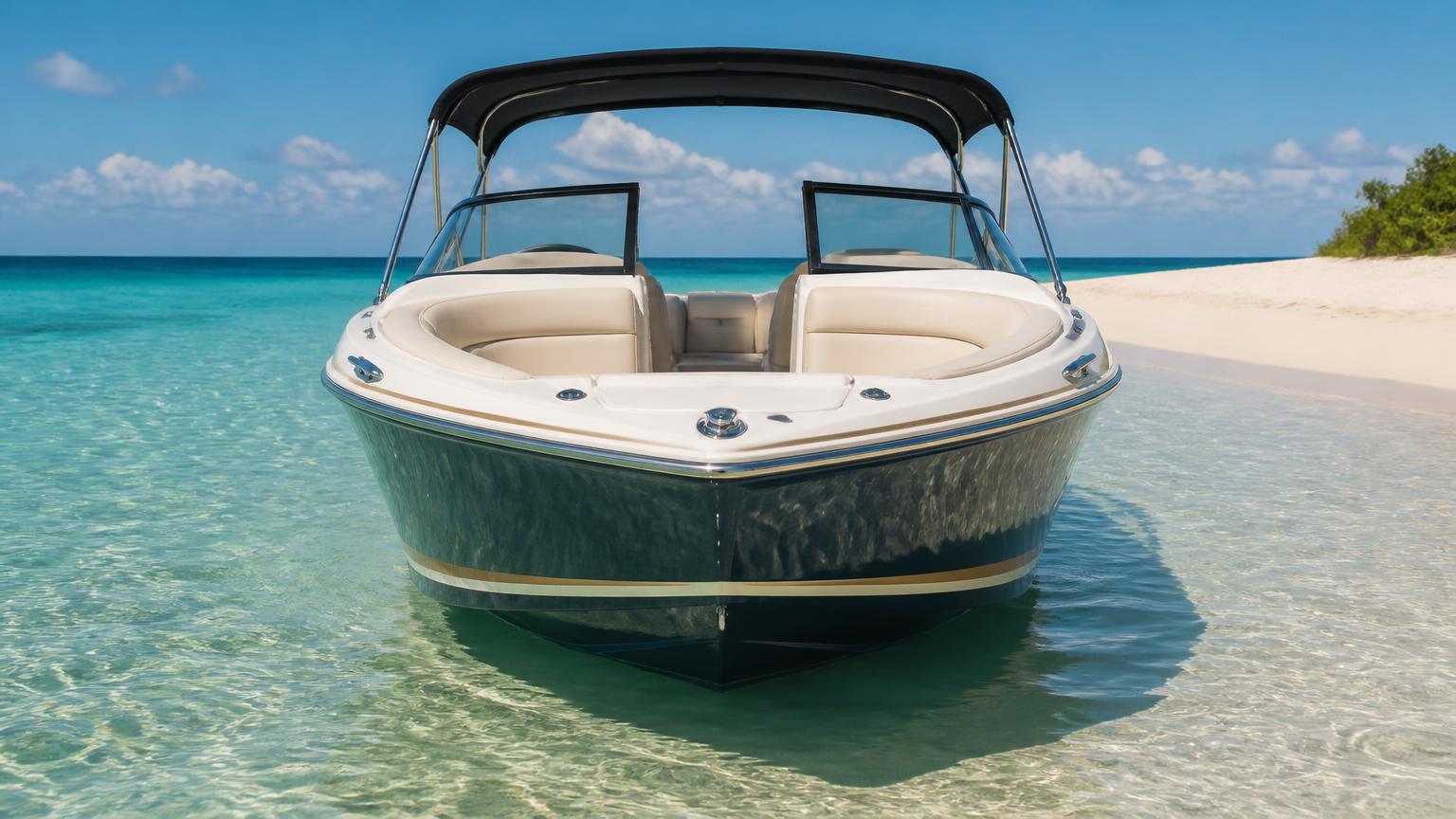
Usually heavier
Laminate, stringers, liners and interior mouldings add useful ride-softening mass.
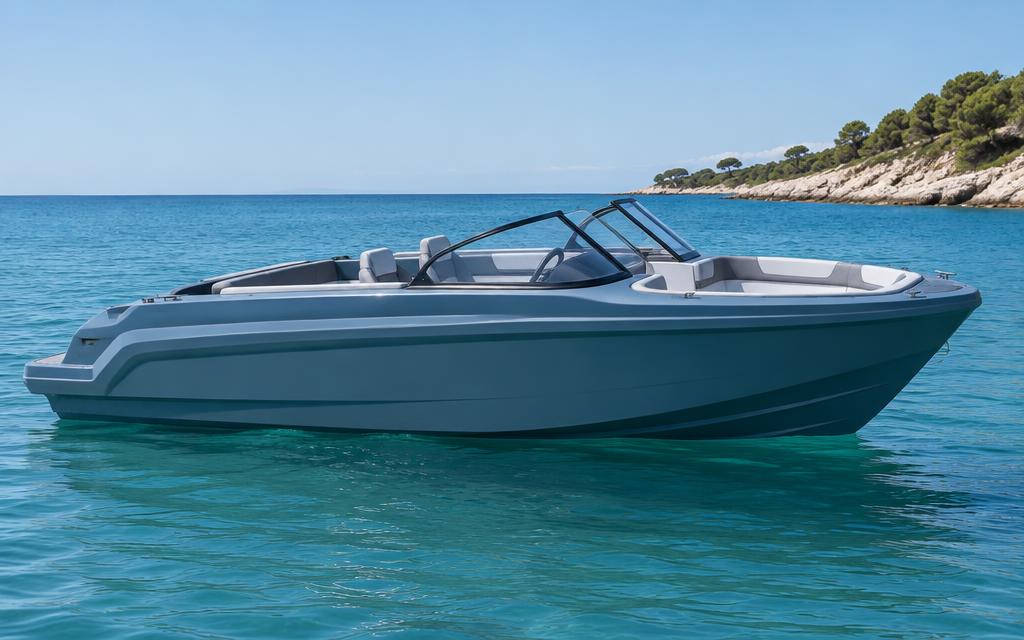
HEAVIEST FOR ITS LENGTH
Thick, impact-Resistant Twin-skin mouldings can be surprisingly Heavy !
This is a General Comparison between Bowrider Boats of similar Length and purpose. Hull Material and thickness along with Various Engine Options can make some Bowrider Boats Lighter or Heavier than expected.
It should come as no Surprise the Lightest Bowriders happen to also be the Smallest in Length. Starting in the 16 ft (4.88 m) Class, Pressed and Roll-formed Aluminium Bowriders like the Quintrex 481 are the outright lightweights. A 4.5-4.9 m Aluminium Bowrider with a small outboard typically weighs 350-550 kg (770-1,210 lb) as a bare hull, and 700-900 kg (1,540-1,985 lb) on the trailer with Engine, Fuel, Battery and Gear aboard. Brands built around Aluminium construction include Quintrex, Stacer, Stessco, BlueFin, Razorline, Barcrusher and similar builders in Australia Dominate this band.
Lighter does not mean flimsy, and Aluminium construction is not all the same. A compact pressed-Alloy family boat can be remarkably light, while a larger Plate-Aluminium boat with thicker bottom sheets, welded frames, a hard top and offshore equipment can outweigh a small fibreglass runabout. Compare Bowrider Boats of similar Length and Options Equipment, then check the Published weight for the exact model and year rather than relying on material alone.
The Practical Benefits of a Lighter Boat are felt long before the boat reaches the water. Less mass can widen the choice of suitable tow vehicles. In fact many Entry Level Bowrider Boats under 17 Foot (5m) can be Towed with a Regular family car or Light Duty SUV AWD. This Reduces the Cost and Effort to Move the Trailer On-Road and also around the Driveway at Home when moving by hand to store. This is Perfect for Beginners and Entry Level Boaters to make the complete package less stressful as a First Boat. Additionally being Lighter also make the Boat Easier to Launch and Retrieve from the Boat Ramp especially helpful when the ramp is steep or slippery boat ramp. Being Lighter also leaves more of the Vehicle's Towing Allowance available for fuel, safety equipment, water toys and luggage.
Hull Material Matters, but Length is usually the Strongest Overall Predictor of Boat Weight. Add length and the Boat Builder normally adds BEAM plus Deeper Sides, more Bottom area, extra framing, larger Seating modules, More Storage and a Higher Passenger capacity. Additionally Longer Boats also require Thicker Materials to deal with the added Load Stresses the Hull Endures when out at Sea. The Increase is therefore not simply a few more kilograms for every extra foot as longer and wider hulls generally need enough structure to control the much larger span and carry larger loads.
That Growth in Length often Requires a Bigger Engine. A light 4.8-metre Aluminium Bowrider may use a modest outboard, while a 6-metre boat can require substantially more horsepower and a physically heavier engine. Larger batteries, additional fuel, hydraulic steering, stronger transoms, bigger anchors and more safety equipment follow. A sterndrive installation adds an automotive-style engine and drive assembly inside the hull, while a high-output outboard also adds considerable mass.
Hull Construction Material Thickness is another part of the calculation. Thicker Aluminium plate for example plus additional Fibreglass Laminate, Heavier Stringers, Foam Filling, Premium Upholstery and reinforced Wake Board Towers all increase mass. Additionally Fuel Tank Capacity is Increased when Length and Engine Size are increased so the Useful Trip Range is always above 100 Nautical Miles. When comparing models, Begin with Length, then examine Hull Material, construction method, engine options and fitted equipment. A short, simple boat usually wins the scales regardless of badge.
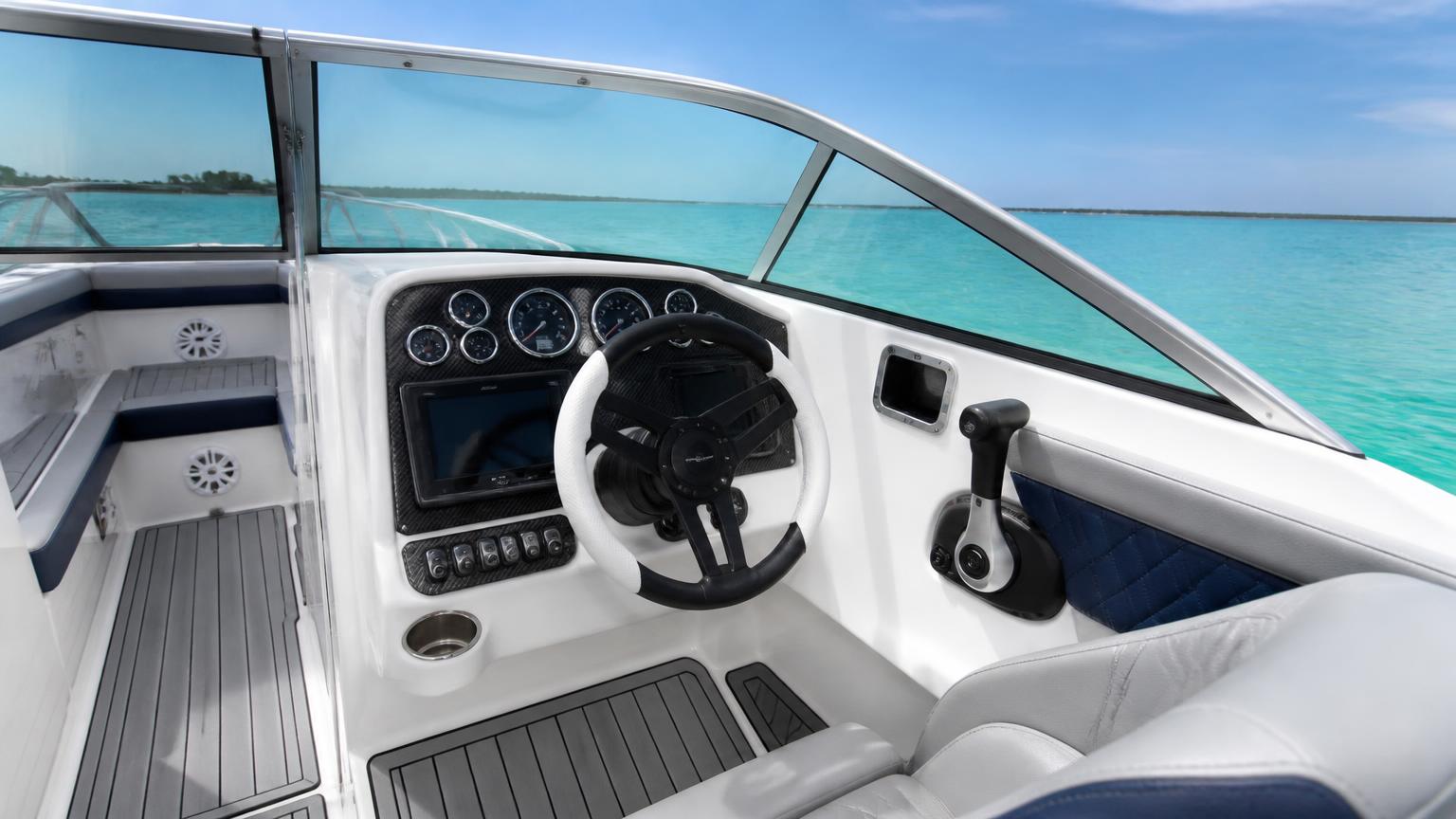
Fibreglass Bowriders are Generally Heavier overall because their Hulls combine Multiple Layers of Cross Woven Glass Reinforcement and Resin with Stringers, Bulkheads, Bonded liners and Moulded Interior Sections. That Construction can deliver Deep Sculpted Seating, quiet storage compartments and a Solid Feel Underfoot. It also contributes to the Luxury Refined Polished Surfaces and complex Exterior and Interior Shapes that buyers expect from a Premium family runabout.
The Extra Mass is not Automatically a Disadvantage. In Fact the Extra Weight often Contributes to a More Solid, Stable and Comfortable Ride as the Fibreglass has some Flex and Give in the Hull Action when it rides through Big Waves and Ocean Chop. A Well Designed Fibreglass Hull carries momentum through small waves, feels less easily deflected by wind and often transmits less vibration into the cockpit. On a short, steep chop, the combination of weight, deadrise and waterline length can make a fibreglass bowrider feel more settled than a shorter, lighter Aluminium alternative.
Weight alone does not create a good ride. Hull shape, balance, entry angle, deadrise, speed and driver technique matter just as much. A heavy flat hull can still pound, while a thoughtfully shaped lighter boat can remain dry and composed. The real trade is usually easier towing and ramp handling against the quieter, more planted character many fibreglass owners prefer.
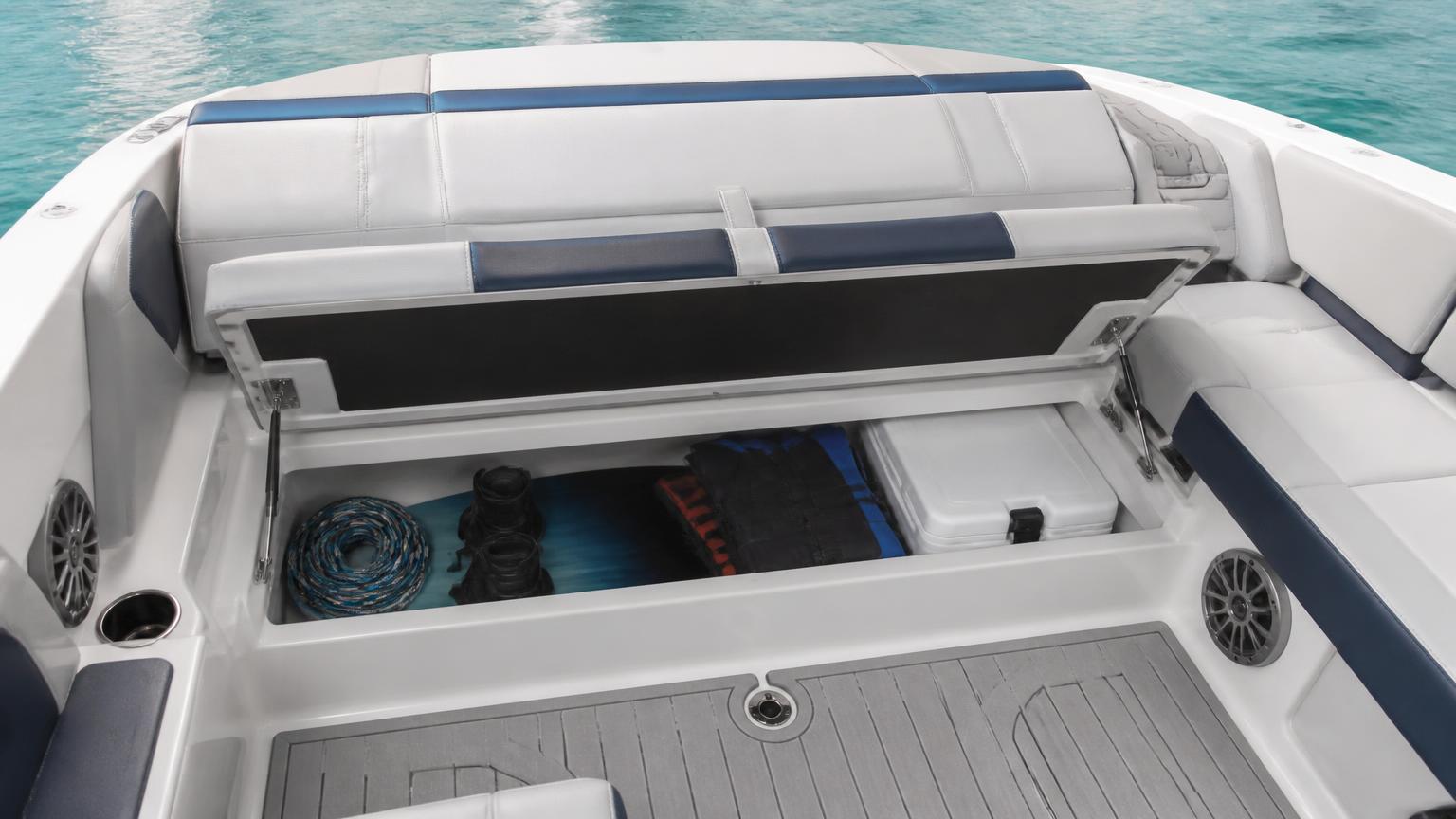
Rotomoulded Polyethylene Bowrider Boats are often called "Plastic Boats". Their appeal is durability: the Material can Flex under an Impact, does Not Corrode and needs No Gelcoat polishing. Many use Thick Moulded "Double-Skins" with Internal Cavities and Foam Filled or Structural webs. Because of this they can be Heavier than their Compact Dimensions suggest. They should not be treated as the automatic middle or heavyweight choice without checking the exact published figure.
The Big Appeal of Polyethylene Plastic Boats is they can absorb noise and shrug off Beaching and Knocks around the Jetty making them the First Choice for Rentals, and Holiday Homes. They are very Easy to Care for, often requiring little to no maintenance, other than a wash after use. The only caution is to select the Trailer Support Recommended by its builder. Correctly spaced rollers or bunks spread the load and help prevent the hull from warping if resting on a few pressure points during storage. Its Strength is low-fuss ownership rather than winning every lightest-boat comparison.
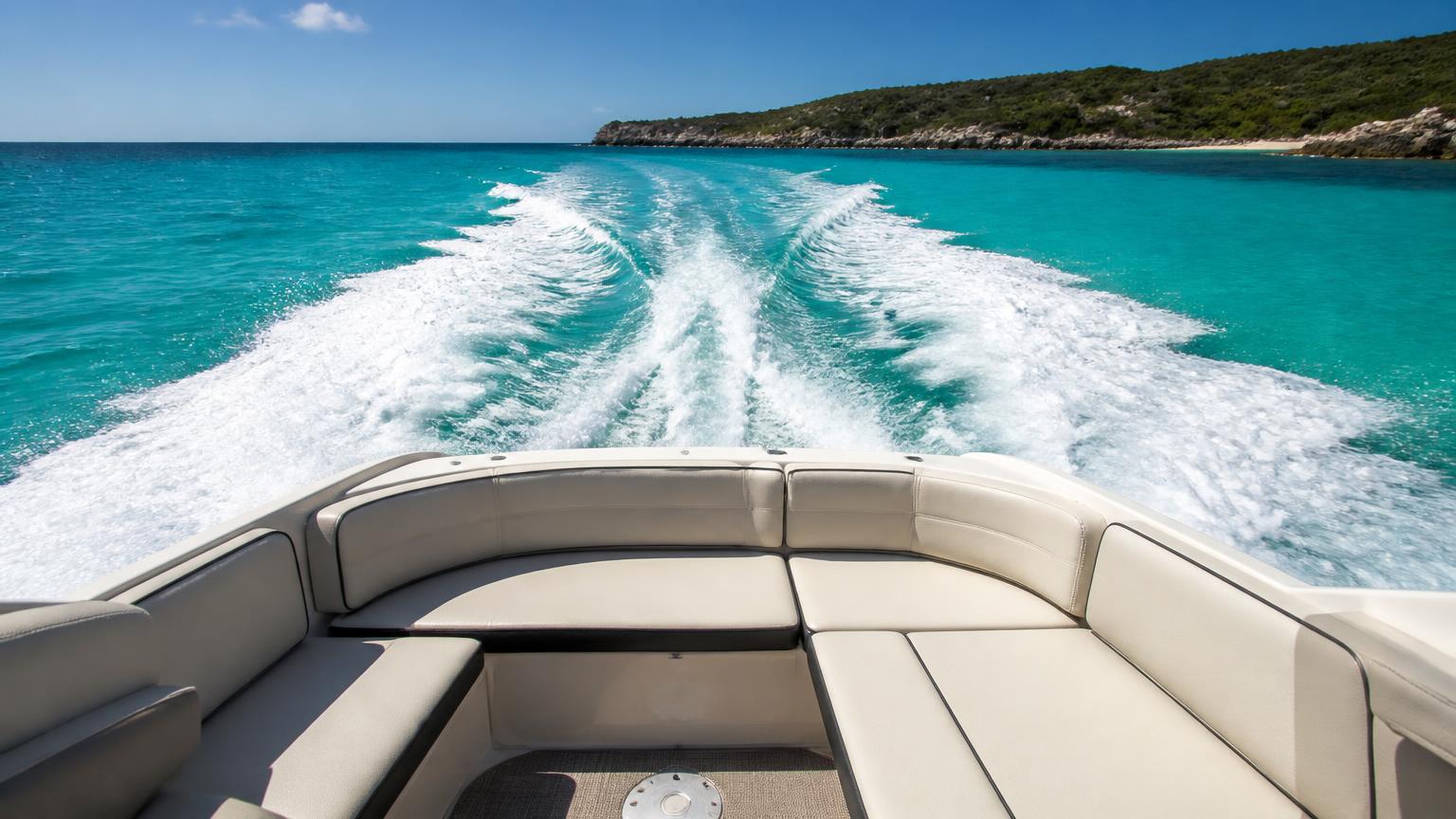
The boat is only one part of the towing package. The Common Standard issue Galvanized-Steel trailer is Robust, widely serviceable and usually less expensive. However steel structure adds significant Mass. An appropriately Engineered Aluminium Trailer can Reduce Tare Weight while retaining the required carrying capacity. This "Switch to Aluminium" Concept Leaves more of the vehicle's legal Towing and Capacity Limits available for the Boat Hull, Engine, Fuel and Watersports Equipment.
Switching Trailer Material is not a Shortcut around Ratings. The Replacement must suit the Hull Shape, Total Loaded Mass, plus Axle Strength Requirements, Brakes Capacity and Regulations. The slight downside is Aluminium trailers still use steel fasteners, axles, brakes and couplings, so mild corrosion is still possible but in isolation from the main Trailer Structure and Support Beams. Whilst Aluminium Trailers offer many benefits they still require some maintenance and they usually Cost More upfront with the Initial Purchase for savings in Longevity down the track. Compare the Compliance Plate and Actual Tare Weight of Complete Trailers before choosing.
Before changing trailers, we recommend to put the Complete Boat, Motor and Trailer Package over a certified weighbridge in normal travelling condition. Include Full Tank of Fuel, All the Batteries, Anchor, Chain and Safety Gear, Spare Wheel and Cover, Fishing Equipment and the items that often travel in the boat. That measured figure is far more useful than subtracting catalogue numbers on paper.
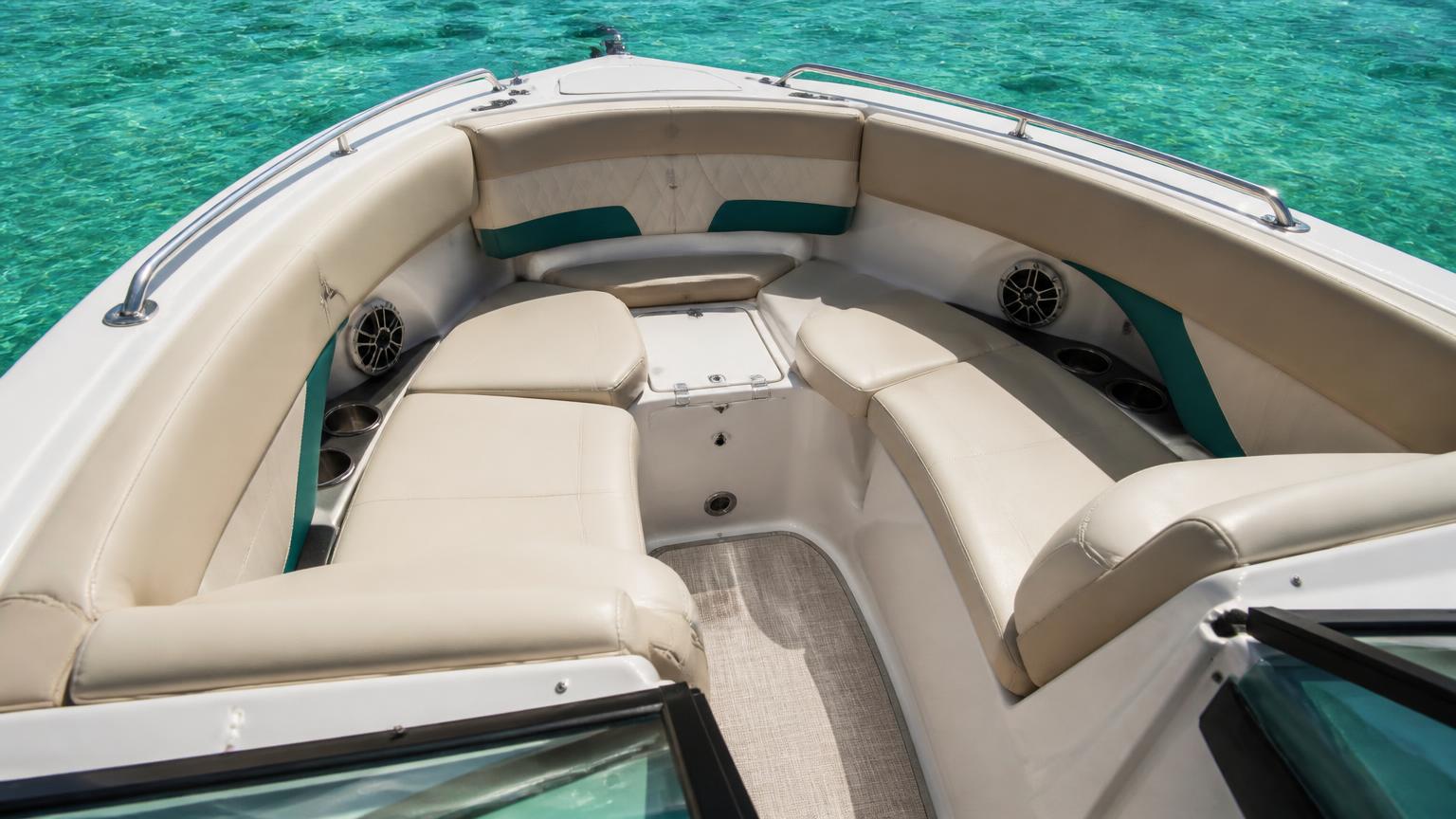
A Lighter Bowrider Boat responds sooner when the winch strap is released, needs less throttle and traction to climb a ramp, and is easier to straighten by hand when wind or current moves the stern. Solo owners notice the difference most. A lighter rig also places less demand on the winch, bow eye, trailer rollers and tow vehicle during repeated launch-and-retrieve cycles. If just New to Boating a Lighter Boat is the Best Way to Start as it's easier to Manage, Launch and retrieve for learning.
A Heavy Boat is not necessarily difficult when the ramp is deep, sheltered and well maintained. Problems appear on shallow ramps, wet algae, loose gravel and strong crosswinds. The tow vehicle may need to reverse farther into the water, potentially making the wheels and tires slip. Additionally the winch carries more load and small alignment errors become harder to correct. Good guide posts, correctly adjusted rollers or bunks and a suitable winch can matter as much as the hull material.
Never use a lighter quoted dry weight to justify an under-rated vehicle. Tow rating, gross combination mass, tow-ball download, axle loads and trailer braking rules all apply to the loaded package. A boat that is easy to push at home can still exceed one of those limits once its fuel tank and lockers are full.
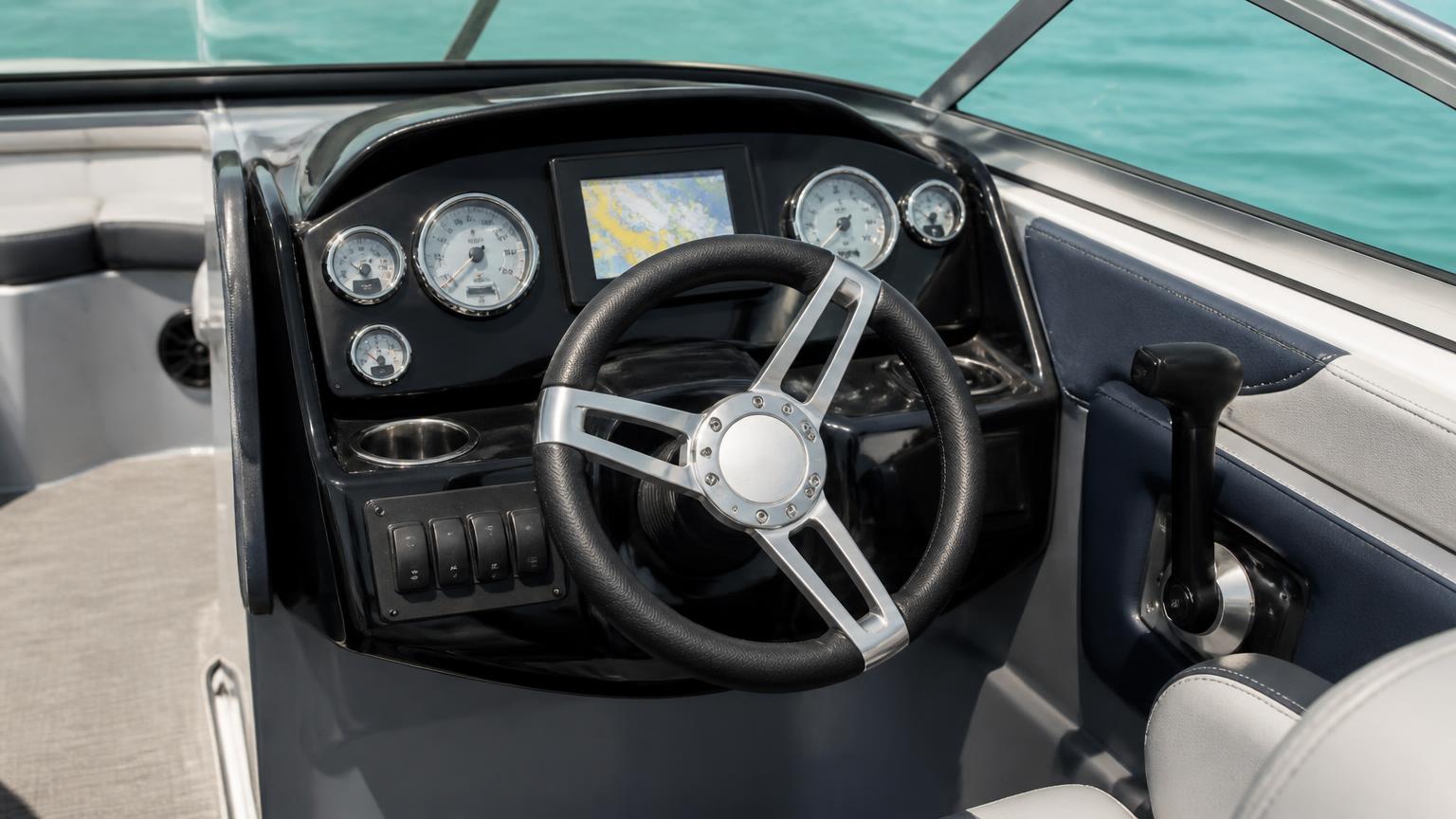
Very Light, Short Aluminium Hulls tend to react quickly to closely spaced waves. With less mass and waterline length to bridge the gaps, they can rise onto the crests and land more sharply, producing the familiar sensation of bouncing across the surface. Moving passengers aft or driving faster often makes that worse; trimming the bow down and reducing speed is normally the better response.
As an Aluminium Bowrider Boat Grows Longer, like 18 Foot or more, its forward sections meet the next wave earlier and the longer running surface carries the load across more water. Additionally the Plate Thickness, Structural Framing, and even the Extra Fuel and Equipment also add useful mass. Bowrider Boats like the Barcrhusher 610 actually have a Pateneted Ballast Water Adding Keel to make the boat heavier in rough seas and make a more heavy solid stable ride home. QUINTREX Brands and STACER use Advanced CAD Model Aluminium Hull Designs with Roll Formed BLADE, Millineum and Revolution Advanced Hull Designs to make Ride Smoother rather than Adding Weighted Keel Concepts. The result is why a well-designed 17 Foot to 19 Foot (5.40 to 5.80 metre) Aluminium Bowrider Boat that actually feels Dramatically More Settled than a Basic Compact Tinnie or John Boat with Older Technology Hulls Designs even though both are made from the same broad material.
Quintrex's Millennium is Revolutionary with the later Blade-Style Hull CAD Development uses shaped Press Formed Rolled Aluminium Sheets, with Complex Convex and Concave Shapes, pronounced bow Carolina Flare and carefully formed running surfaces to improve entry, stability and spray control. Quintrex's Technology is So Advanced no other Boat Builder in the World can do what Quintrex is doing with Roll Forming and Shaping Aluminium Hulls in this Configuration and Ride Improvement Result. Quintrex was bought by TELWATER USA which now also owns Stacer Brand which recently Upgrade their Hull to use the Roll Forming Equipment and named it the "Revolution Hull" EVO which has made Dramatic Improvements to Ride Quality by similarly having a Knife Like Cutting leading edge at the Bow section to Cut and Separate the water before the main section of hull sees water. These Processes are Highly Advanced and Unique to the Australian Manufacturing Facility and no where else in the World has this Technology or Ability. These designs narrow the comfort gap and can make a modern alloy family boat ride impressively well for its weight.
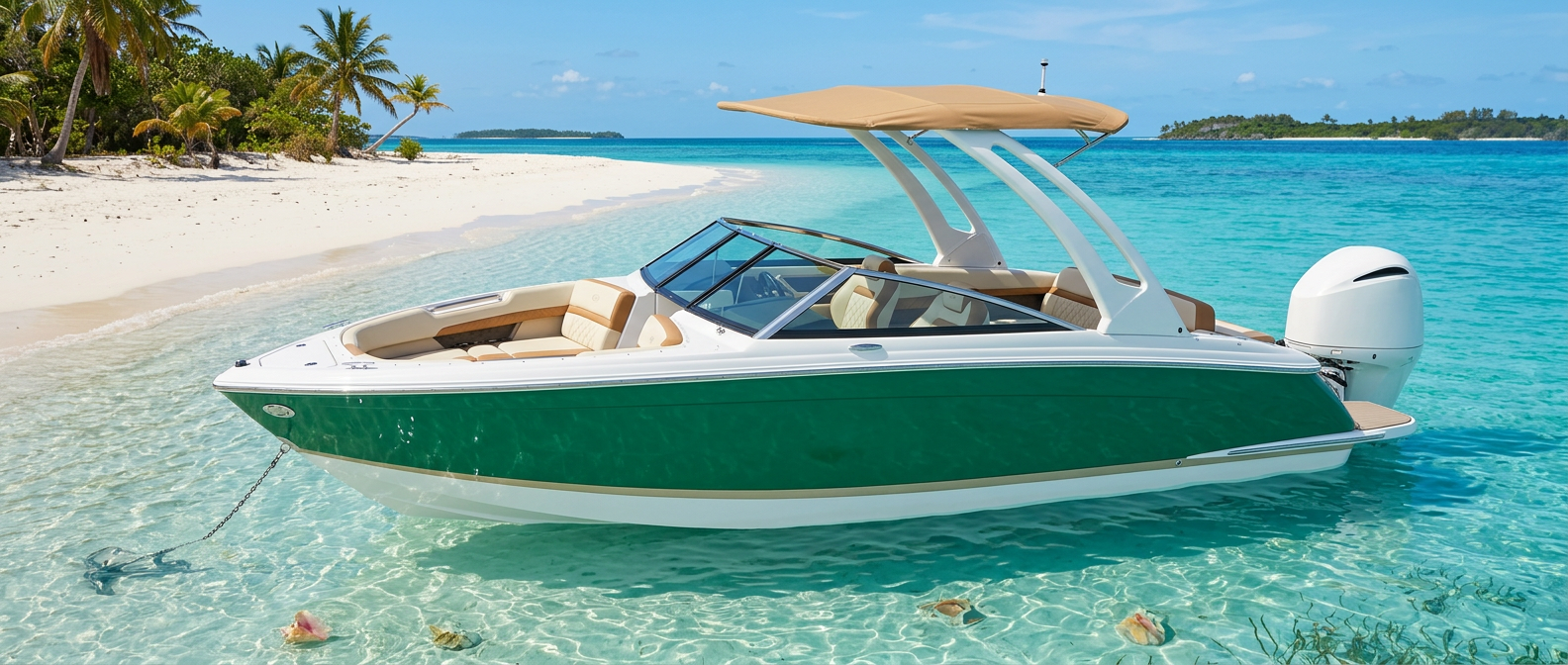
Published weight terminology varies. Some builders quote a bare hull, some include the standard engine, and others publish an approximate dry weight with selected standard equipment. Fuel, water, batteries, dealer options and personal gear are commonly excluded. Model year and engine choice can change the number, so the capacity plate and documentation for the actual boat always take priority over a comparison guide.
For towing, build a ready-to-road total: published boat weight, the exact engine if it is excluded, trailer tare, fuel, batteries, anchor and chain, safety equipment, covers, watersports gear and normal luggage. Petrol contributes roughly three quarters of a kilogram per litre, so even a moderate tank is visible on the scales. Then retain a sensible margin below every relevant vehicle and trailer rating.
The verified model finder below deliberately ranks only boats for which a published dry-weight source is available. It does not estimate missing boats, and it does not claim that two makers use identical weighing methods. Use it to create a shortlist, then confirm the precise year, engine and trailer package before buying.
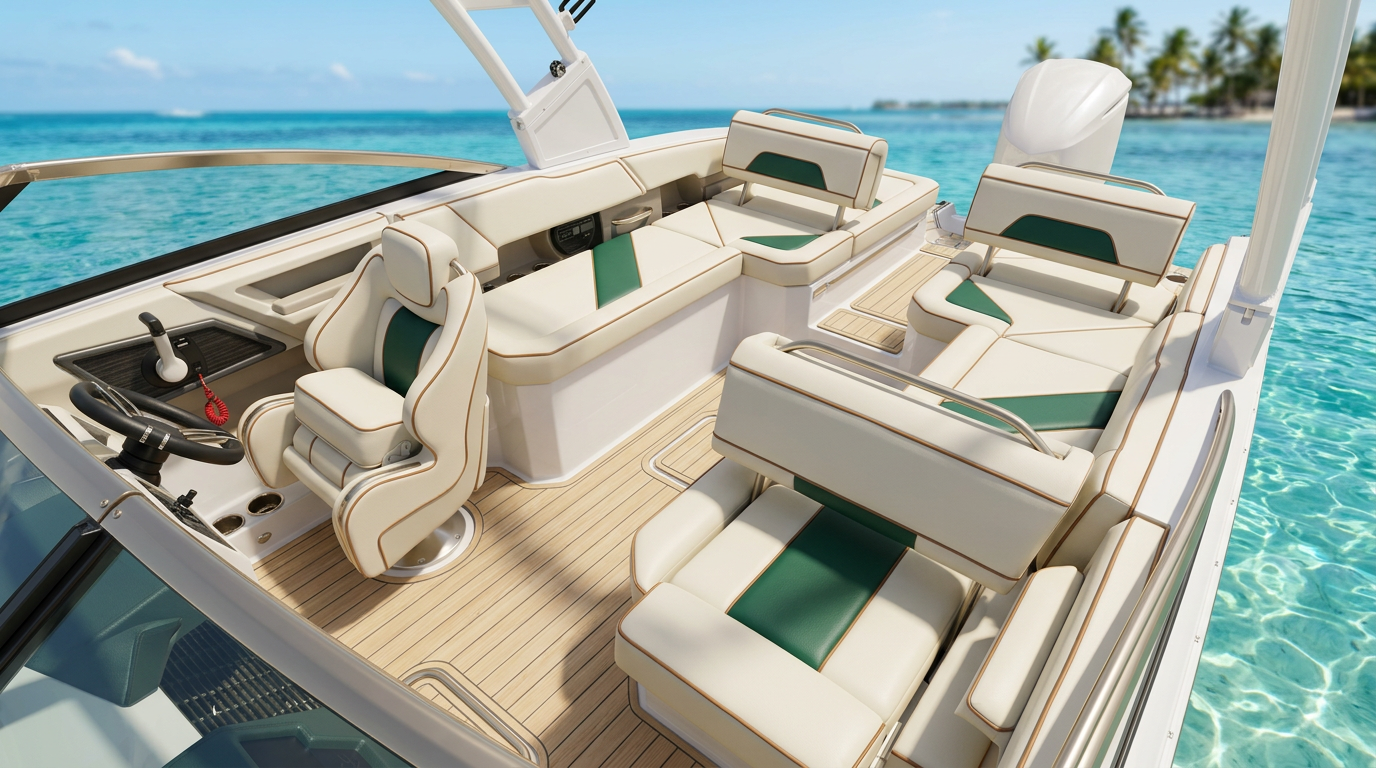
Verified model weights
Filter by hull material. Only models with a confirmed published dry weight are included; fuel, batteries, equipment and trailer weight are extra unless the linked source states otherwise.
14 verified models · Lightest to Heaviest
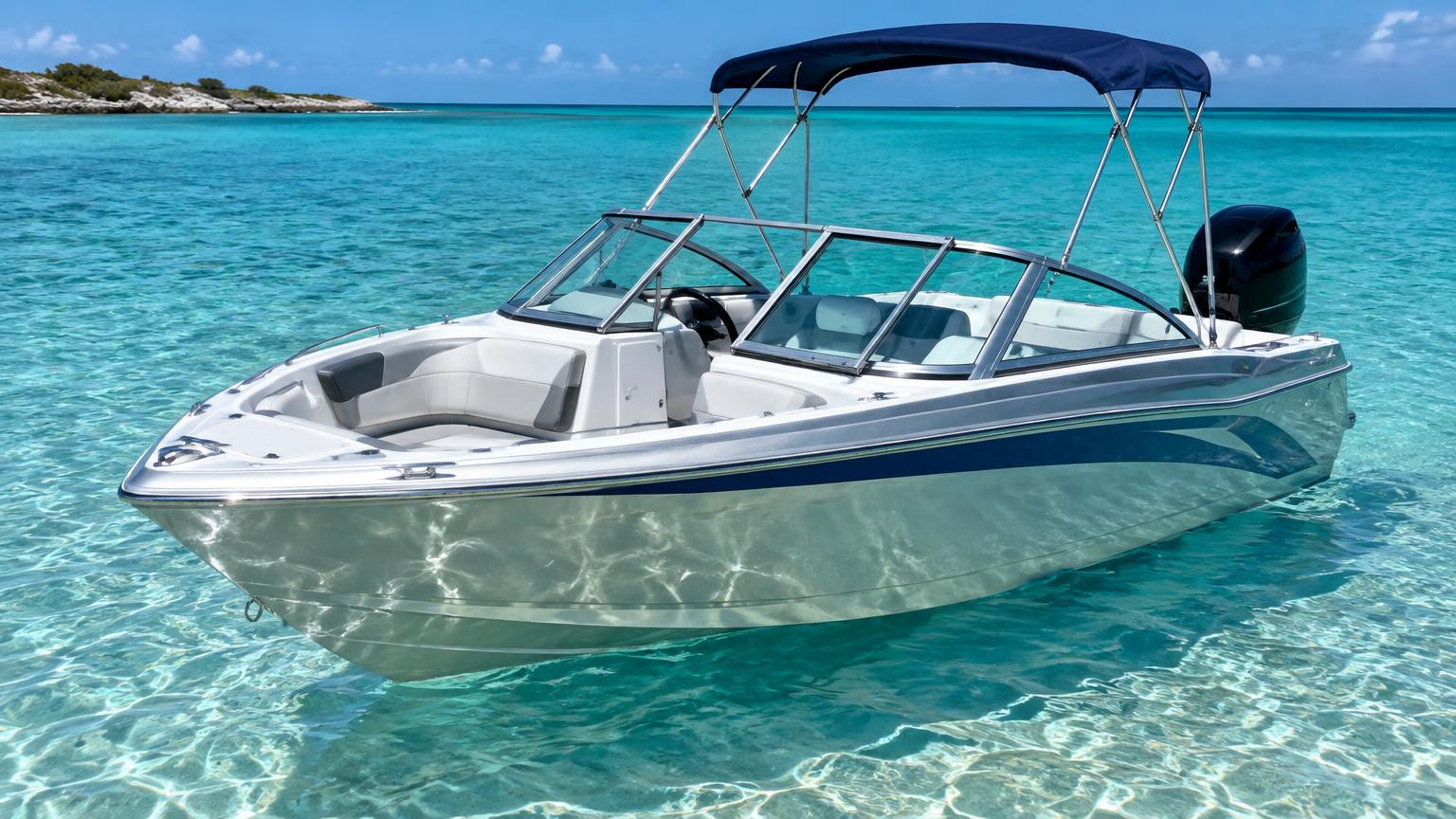
512 kg / 1,129 lb
Published hull weight; engine excluded
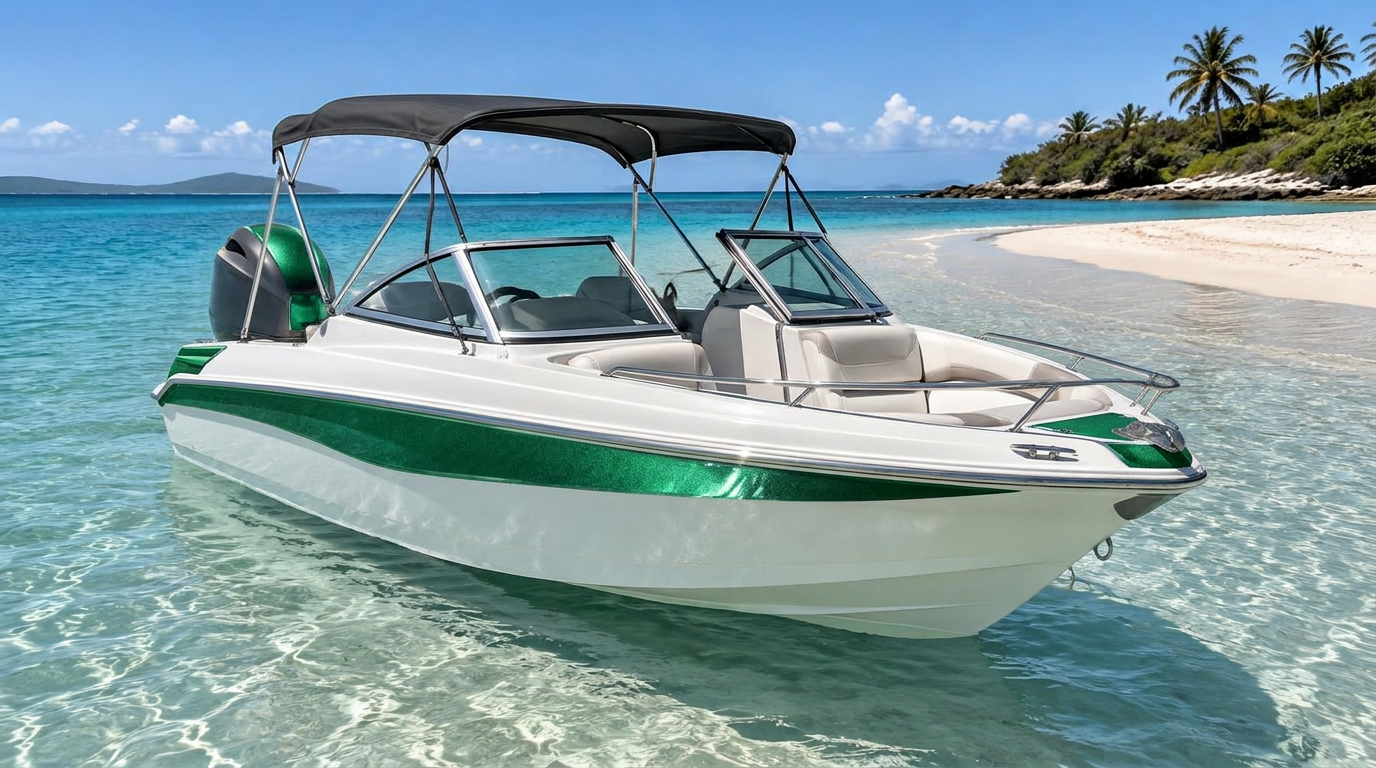
550 kg / 1,213 lb
Published hull weight; engine excluded
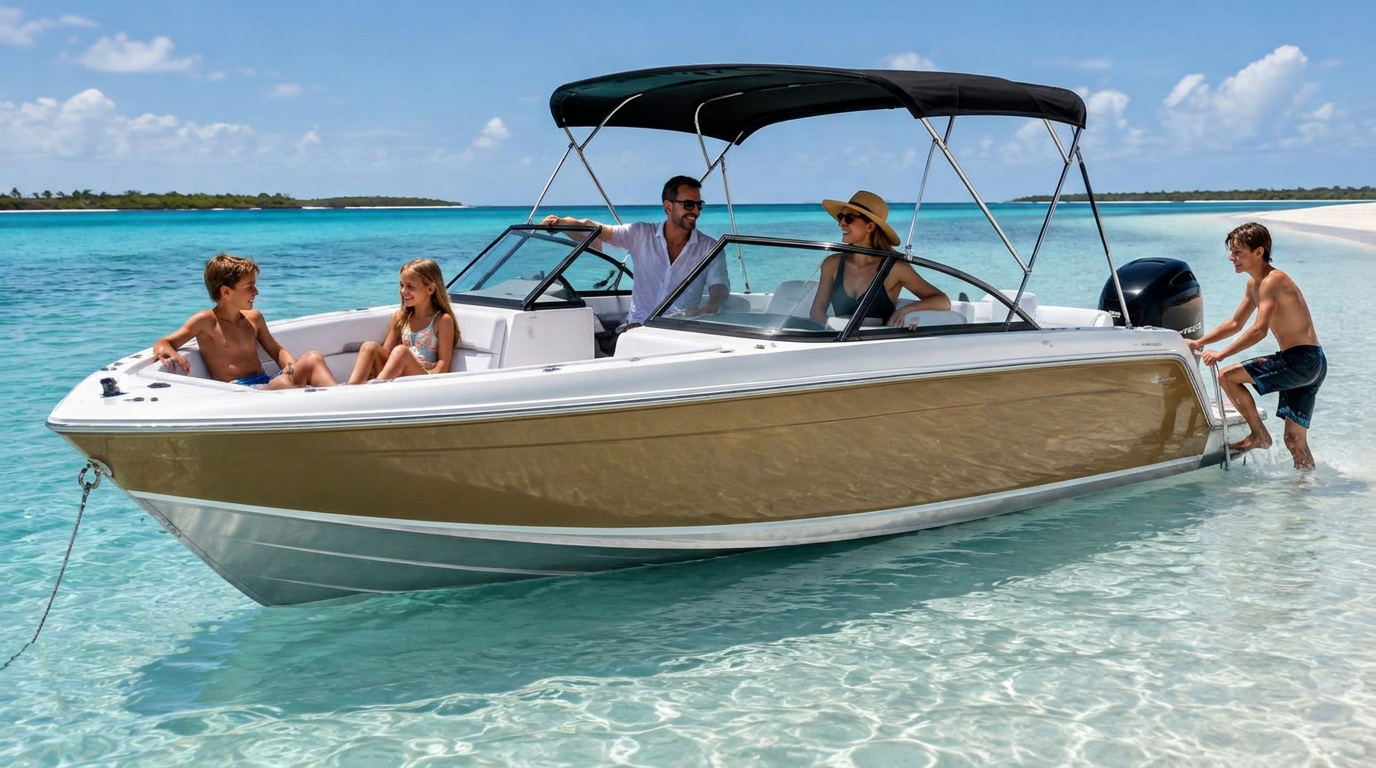
724 kg / 1,596 lb
Published hull weight; engine excluded
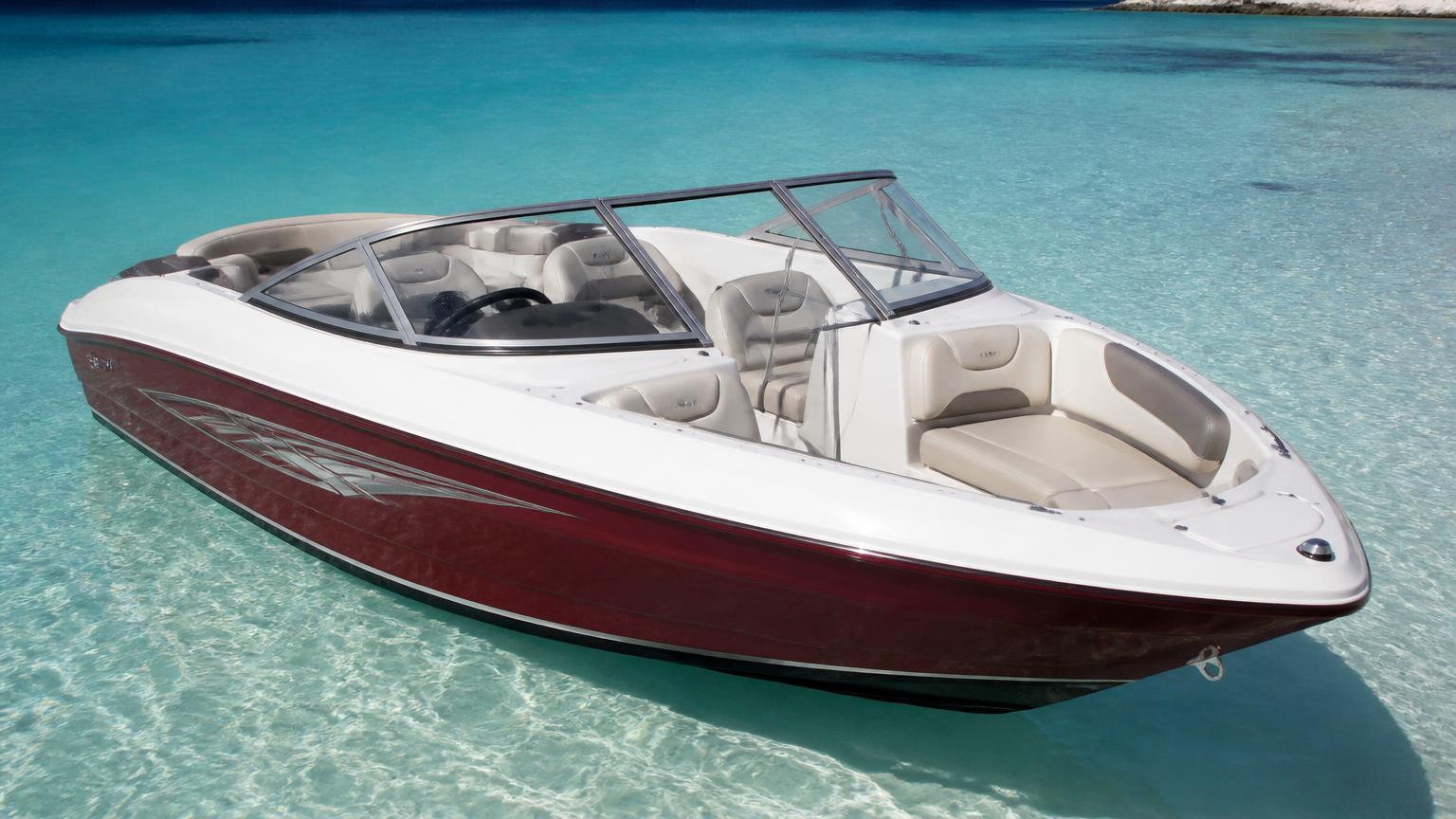
1,059 kg / 2,335 lb
Published dry weight; engine excluded
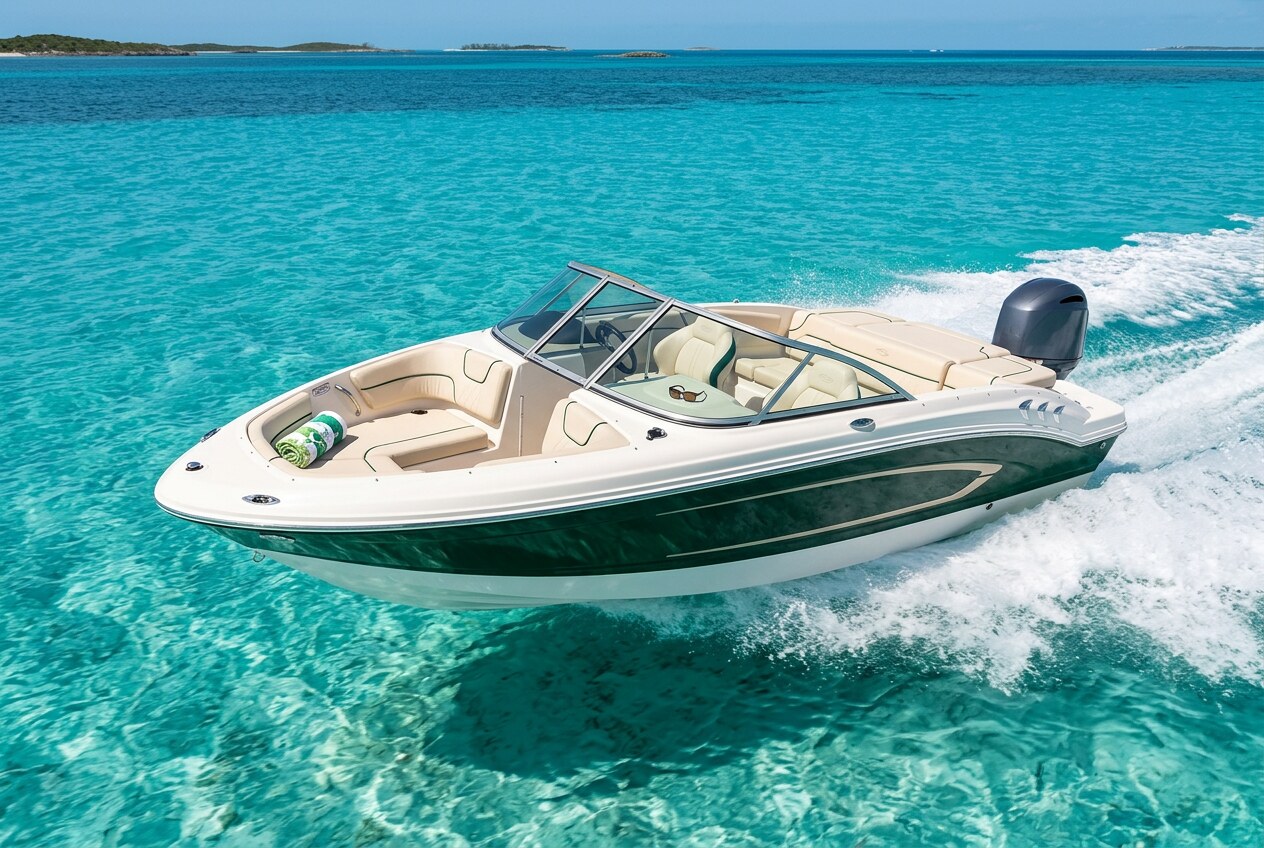
1,152 kg / 2,540 lb
Published dry weight with engine

1,275 kg / 2,810 lb
Approximate published weight with standard engine
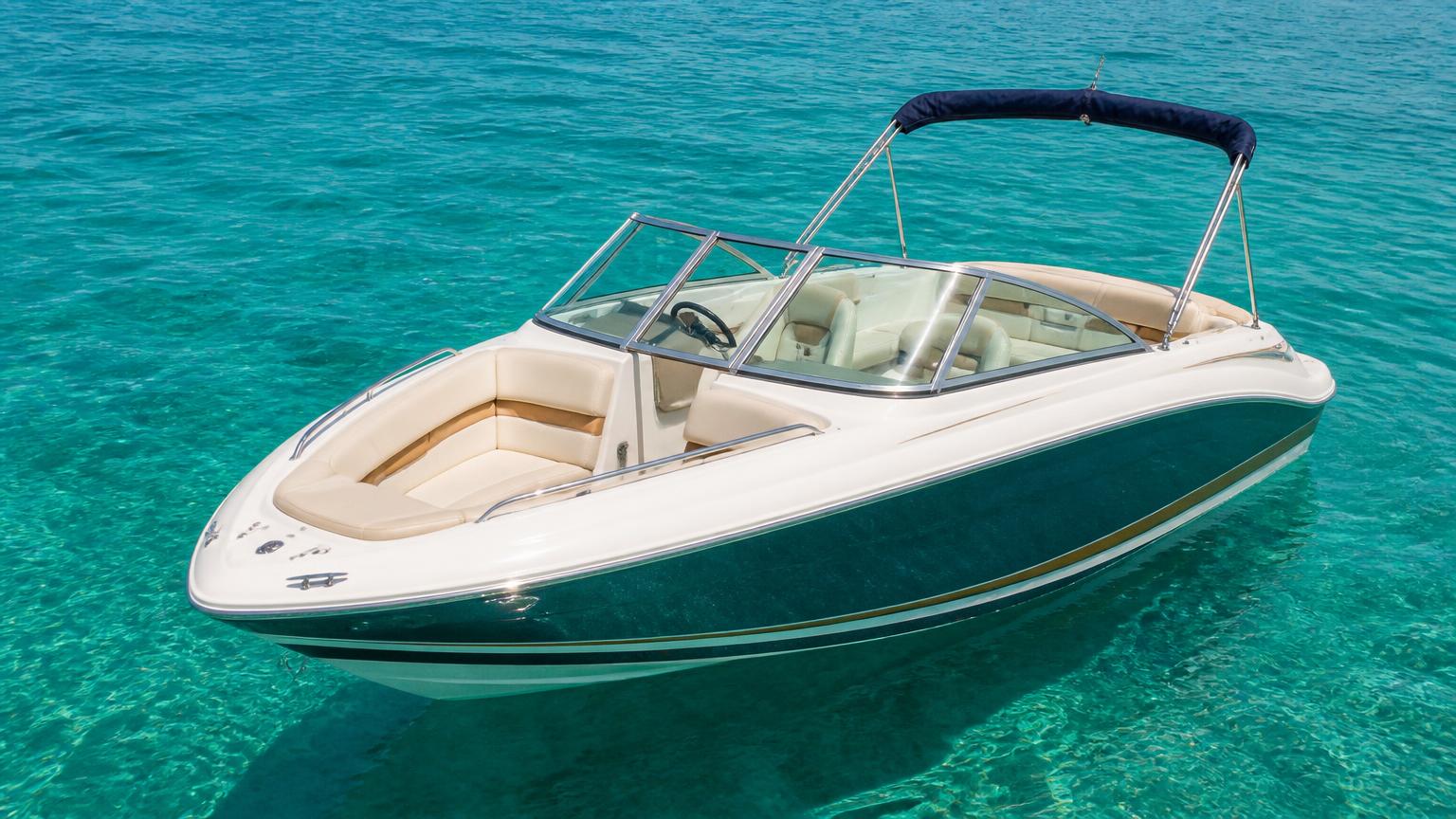
1,316 kg / 2,901 lb
Published dry weight; engine excluded
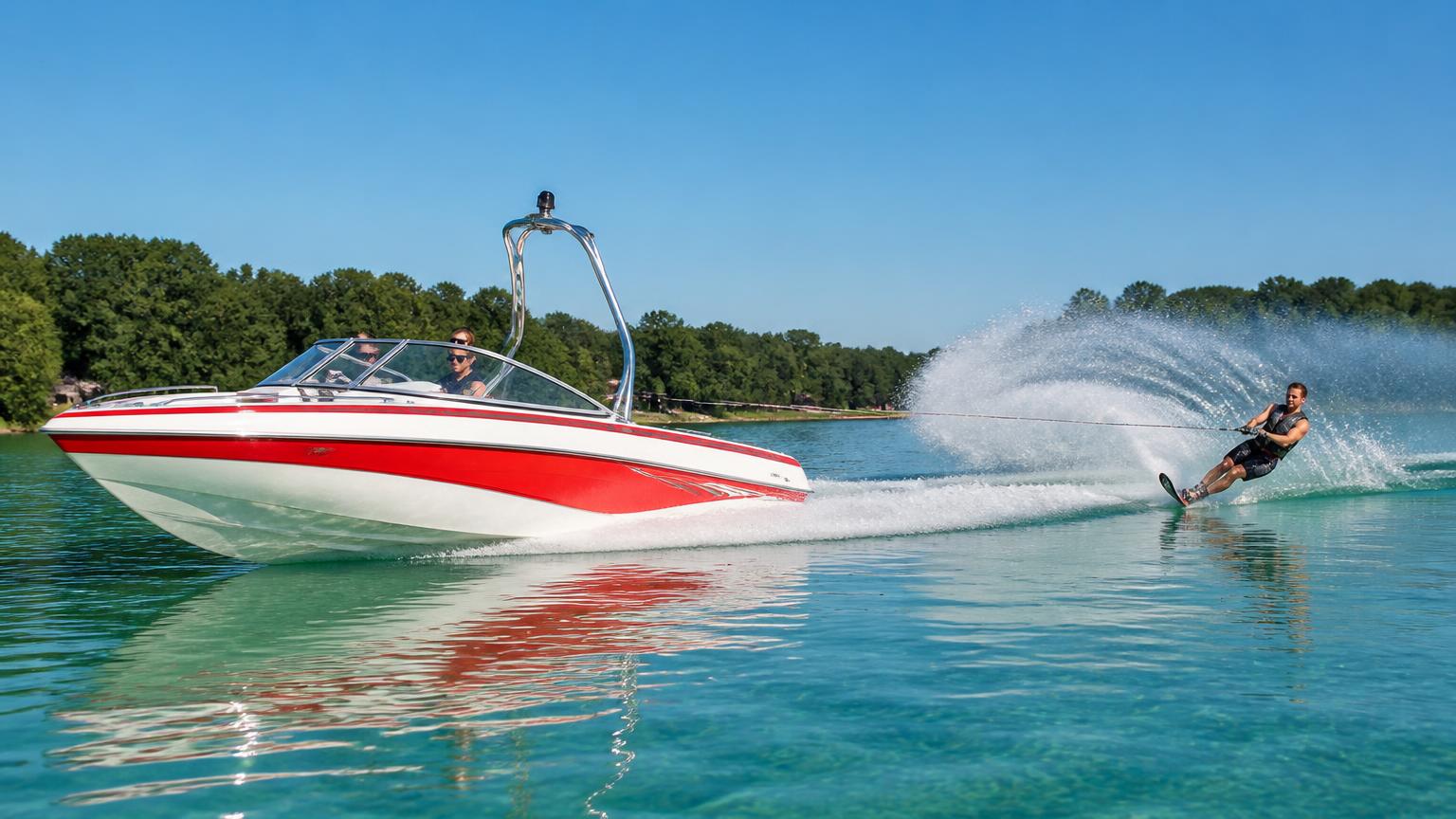
1,406 kg / 3,100 lb
Approximate published dry weight
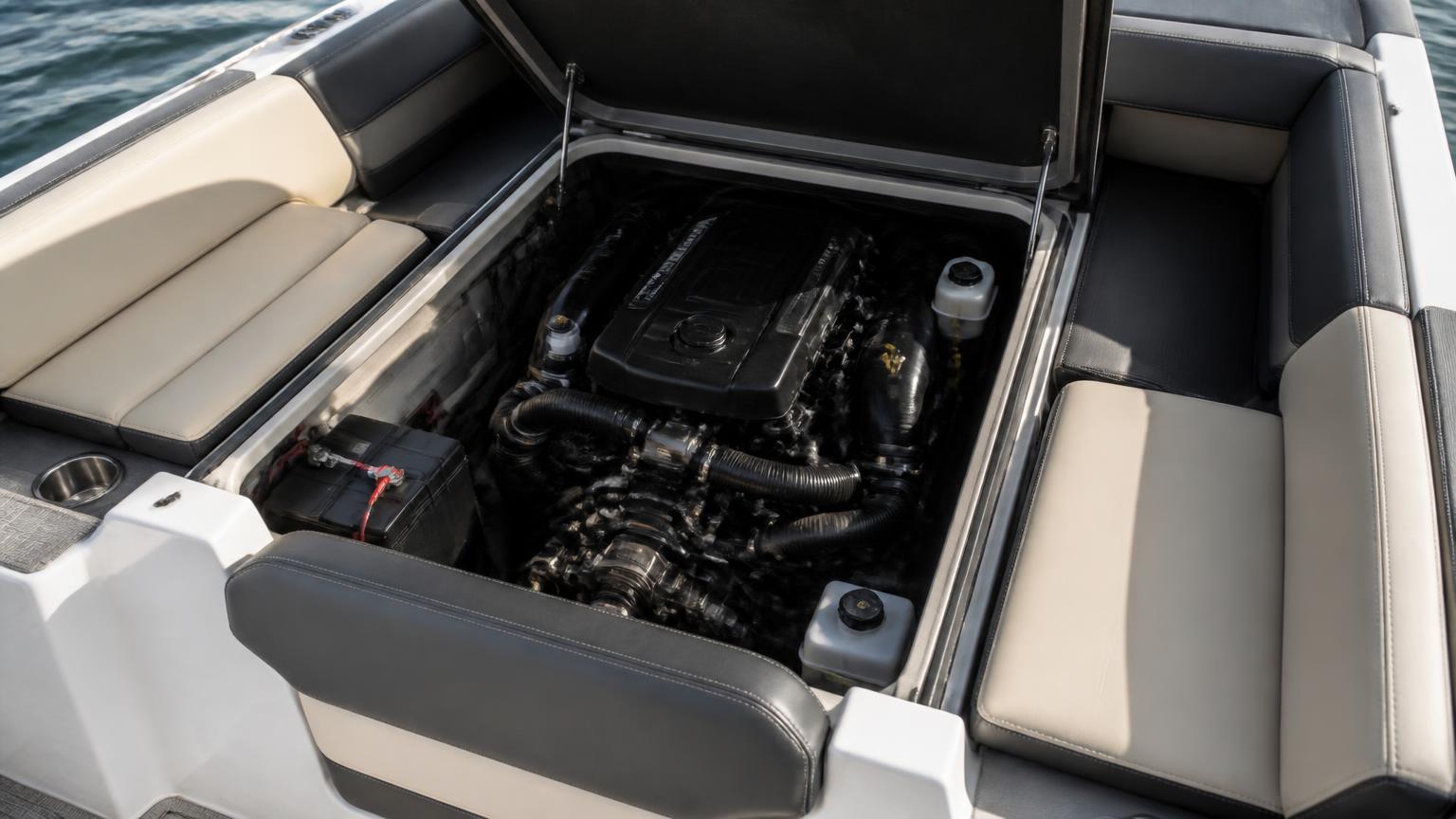
1,439 kg / 3,172 lb
Published dry weight

1,516 kg / 3,342 lb
Approximate published weight with standard engine
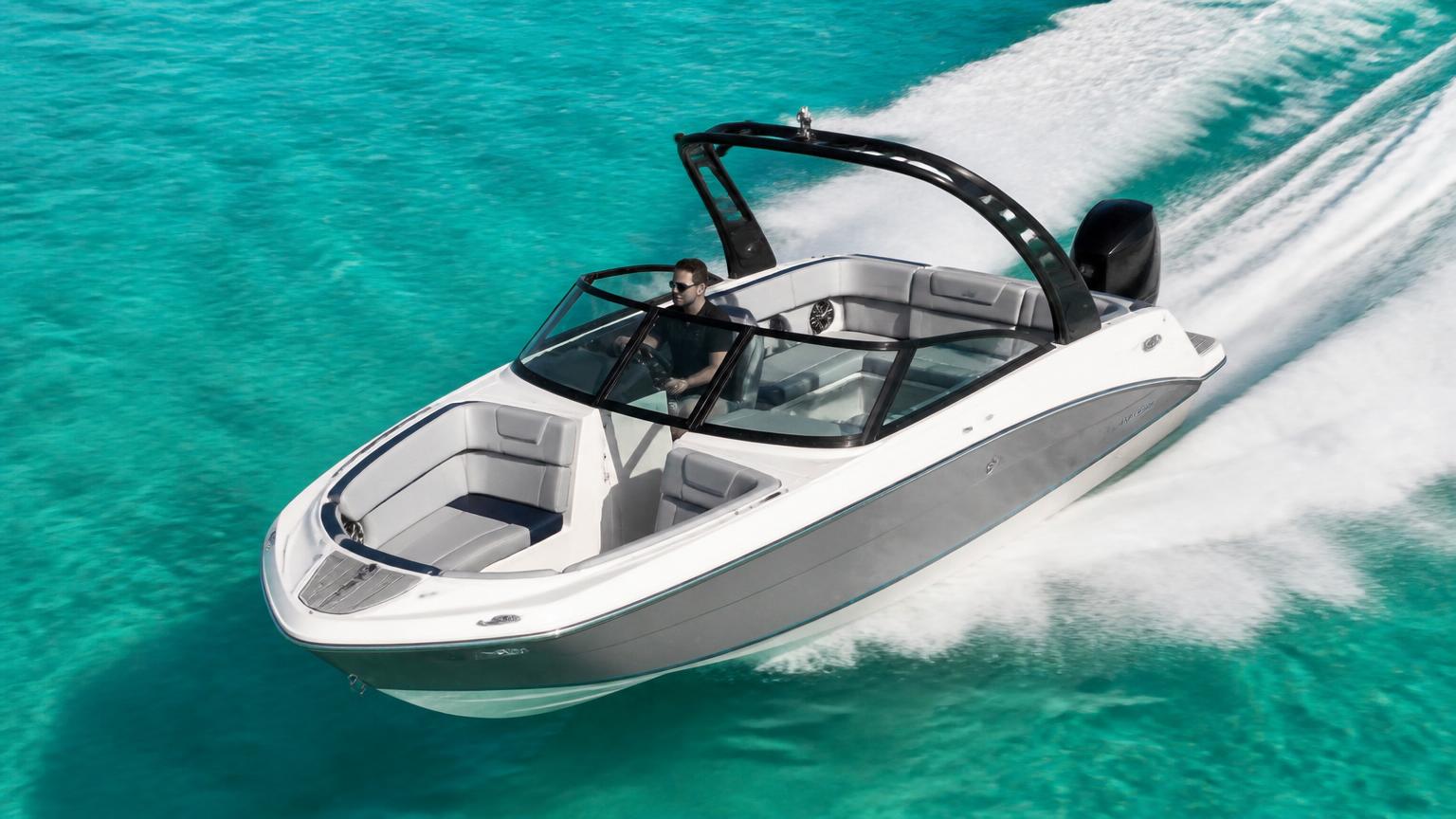
1,600 kg / 3,527 lb
Published dry weight

1,685 kg / 3,715 lb
Published dry weight
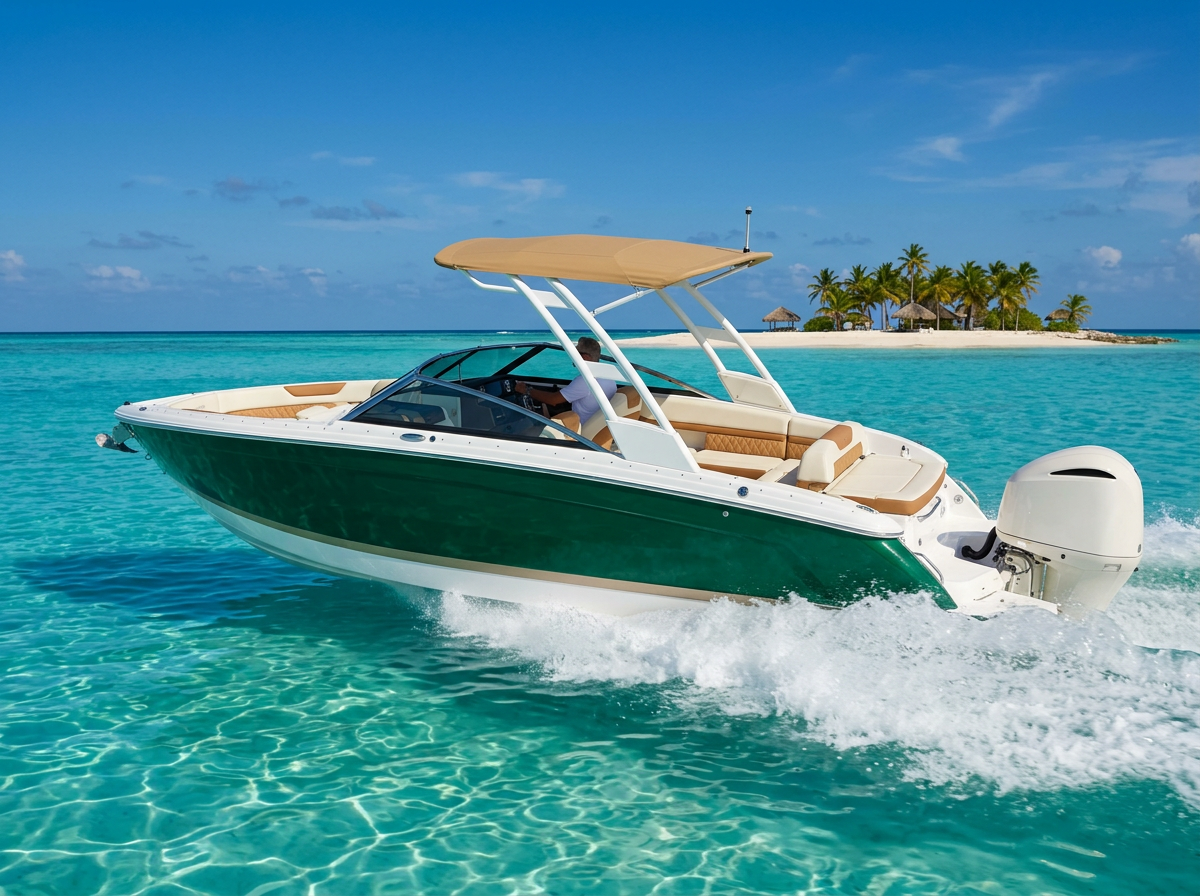
2,631 kg / 5,800 lb
Published dry weight; varies with options
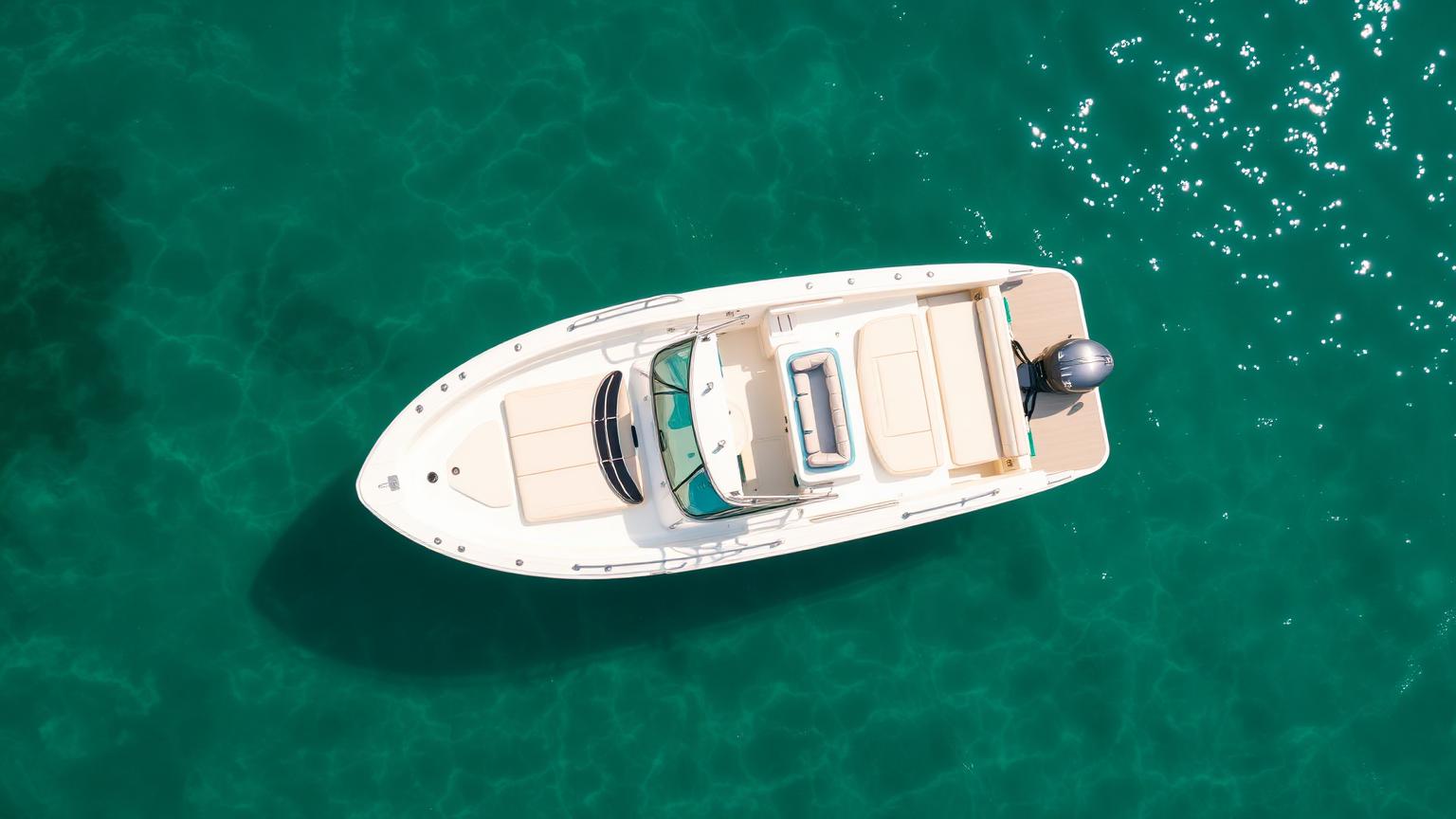
3,007 kg / 6,629 lb
Published dry weight
Ownership
Which Bowriders Need the Least Maintenance?
Comparisons
Aluminium vs Fibreglass Bowriders
Ownership
Towing a Bowrider: What Vehicle Do You Need?
Buying Advice
Old Bowriders vs New Bowrider Designs
Buying Advice
Choosing Your First Bowrider Boat
Buying Advice
How Many People Fit in a Bowrider?
Buying Advice
The Best Bowrider Size for Families
Buying Advice
Best Bowrider Boats Under $50,000
Featured Boat of the Week
This week we are putting the Bayliner Bayliner DX2000 in the spotlight, and it earns the spot. At 20 ft 2 in (6.16 m) long on a 8 ft (2.44 m) beam, this is a bowrider that reads the water well and still feels roomy enough for a full day out. A 20-foot deck-boat-width bowrider with outboard power and a huge social cockpit. Power comes from 115-150 hp mercury fourstroke outboard through a outboard package, and the fibreglass hull keeps the ride settled when the afternoon breeze puts a chop on the surface.
Seating is rated for 8 people, so there is space for family, friends, towels, eskies and the tow rope without anyone climbing over gear. Owners tend to buy it for family, water ski, leisure — which is exactly where it shines. Fuel is 30 us gal (114 l), and on the second-hand and new market you should expect to land somewhere around US$42,000 - US$58,000 new depending on hours, trailer and options.
Our full deep dive covers the layout in detail: bow lounge comfort, helm ergonomics, the rear entertaining area, storage that actually swallows a weekend, plus standard features, popular options and honest notes on where the boat compromises. If the Bayliner DX2000 is on your shortlist, start there — and check back next week, because the featured boat changes every week as we complete more full model reviews.
Featured Bowrider Article
Comparisons
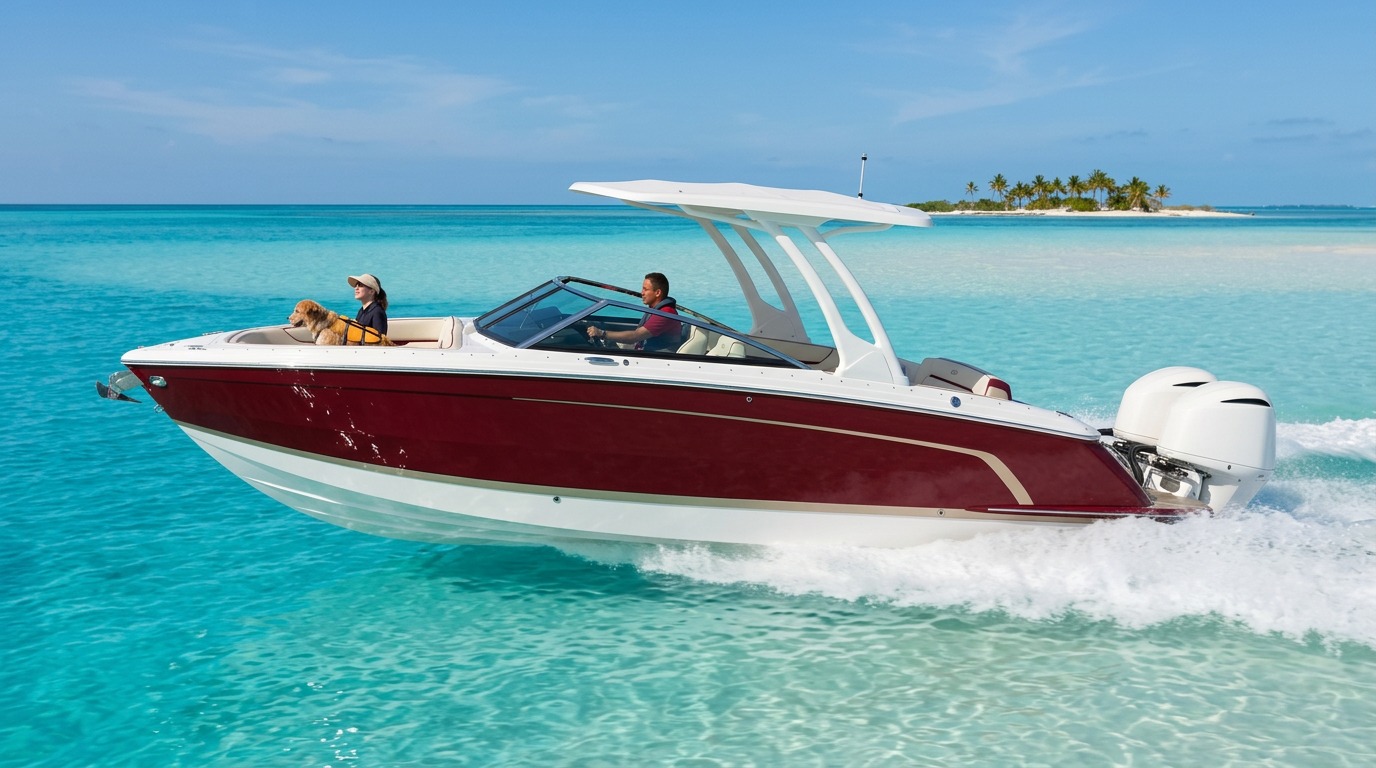
Resale is rarely the reason people buy a boat, and it is often the reason they regret one. Over the last decade the market has shifted decisively toward outboards, and that shift now shows up clearly in what used bowriders sell for and how quickly. Buyer demand for outboard-powered bowriders has grown steadily, driven by simpler maintenance, easier repowering, more cockpit space and quieter, cleaner modern four-strokes. Dealers report faster sales and firmer prices for outboard boats in most markets. Sterndrive bowriders, once the default, now attract a smaller pool of buyers. They still sell well when priced correctly and presented with good service history, but they typically sit longer and negotiate harder, especially in saltwater regions. The concern is maintenance rather than performance. Bellows, gimbal bearings, u-joints, exhaust manifolds and risers all have finite lives, and a neglected sterndrive can present a large bill. Buyers price that risk in even when the specific boat has been maintained impeccably. Repowering compounds it. Replacing an outboard is essentially a bolt-on job with a known price; replacing a sterndrive engine and leg is more involved, more expensive and often uneconomic on an older hull. That perception caps what older sterndrive boats can fetch.
Read the full article