Menu
Site Menu — Find Your Page
Bowrider Boats Mega Website
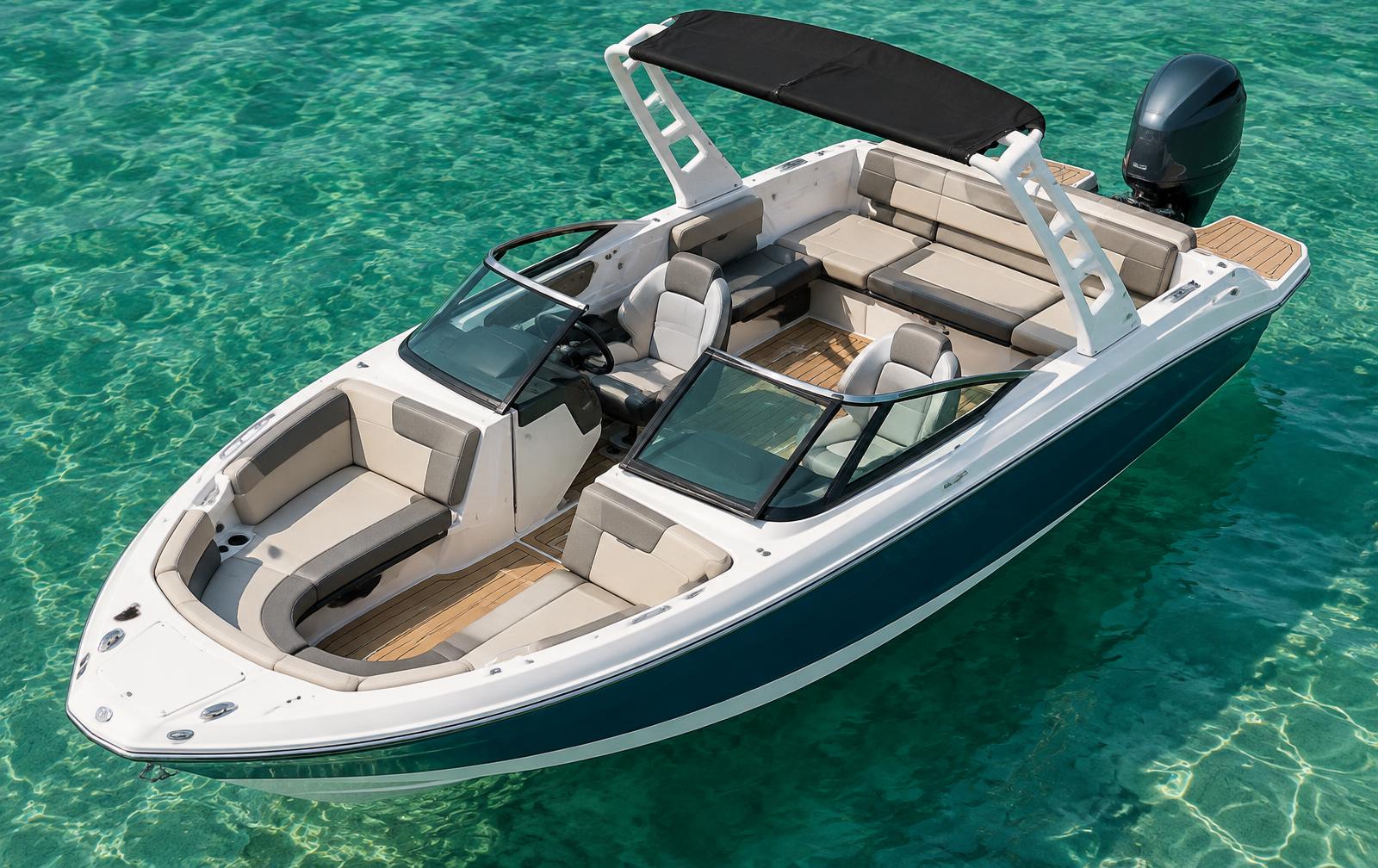
Engines & Drives
Electric Bowrider Boats: Are They Ready?
Electric propulsion has arrived in bowriders, and it is genuinely excellent at some jobs and clearly not ready for others. The technology is not the limitation — energy density is. Understanding that makes it easy to judge whether an electric bowrider suits your boating.
What electric does brilliantly
Silence and instant torque transform the on-water experience. Conversation at cruising speed, no fumes, no vibration and no exhaust smell at the swim platform are luxuries that petrol boats cannot match at any price.
Maintenance almost disappears: no oil changes, no fuel system, no winter fogging, no impellers on some designs. Running costs per hour on domestic electricity are a fraction of petrol, and low-speed use — sundowner cruising, no-wake zones, tender duty and lake boating — is where electric already wins outright.
The energy problem
Planing a bowrider takes a great deal of power, and battery packs store far less energy per kilogram than petrol. A typical electric bowrider today offers perhaps thirty to sixty minutes of hard planing, or several hours at displacement speed, from a pack that dominates the boat's weight and cost.
That is fine for short blasts and long slow cruises, and inadequate for a day of towing skiers or a long run to an island. Fast charging at ramps and marinas is still rare, so most owners rely on overnight charging at home or a berth.
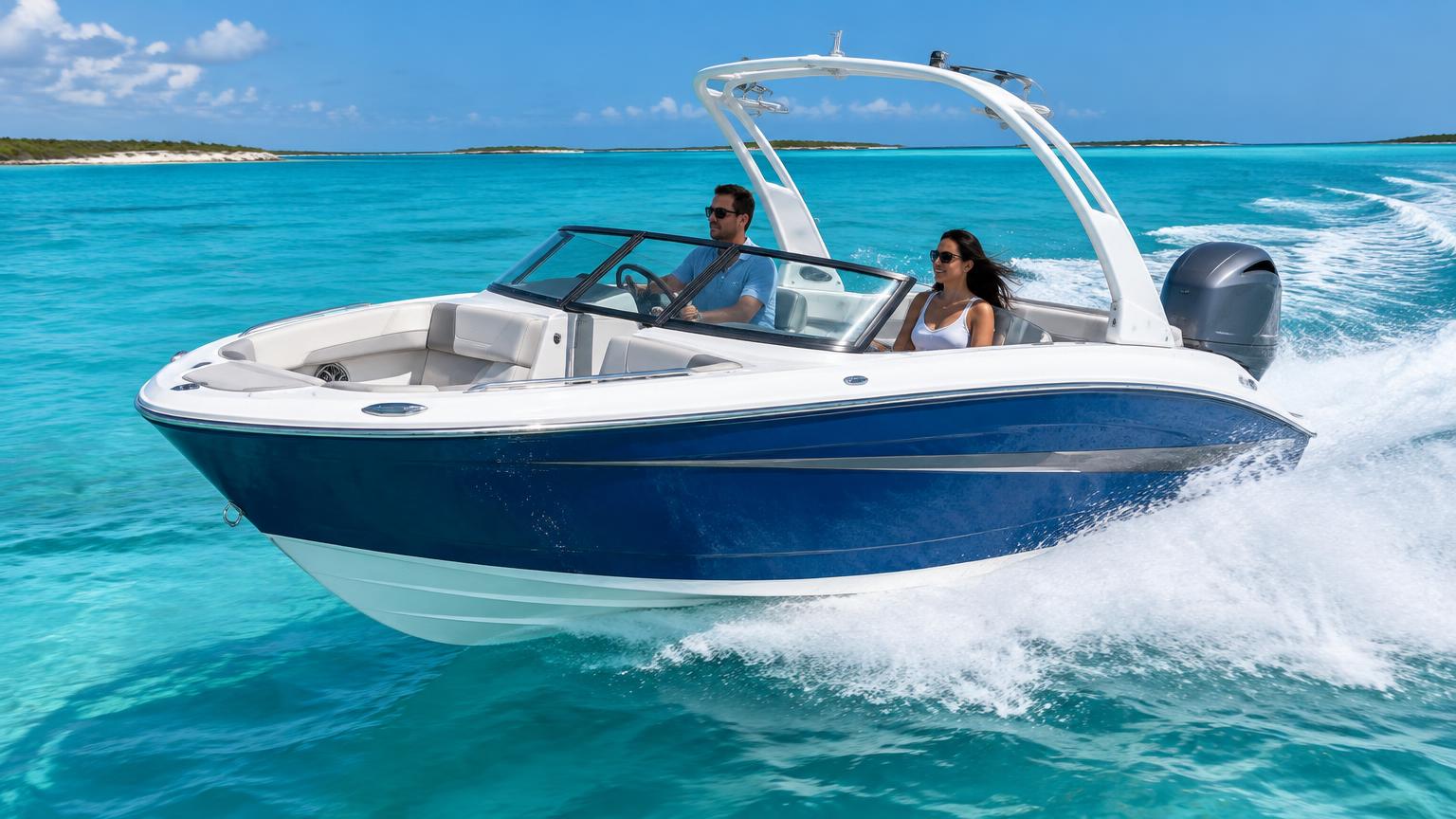
Cost and current models
Electric bowriders and electric outboards currently carry a significant purchase premium over comparable petrol packages, mostly because of the battery. Lower running and maintenance costs offset it over years rather than months, and resale values are still unproven.
Established outboard builders now offer electric options in the low to mid power range, and a growing number of specialist builders produce purpose-designed electric day boats, including foiling designs that dramatically extend range by reducing drag.
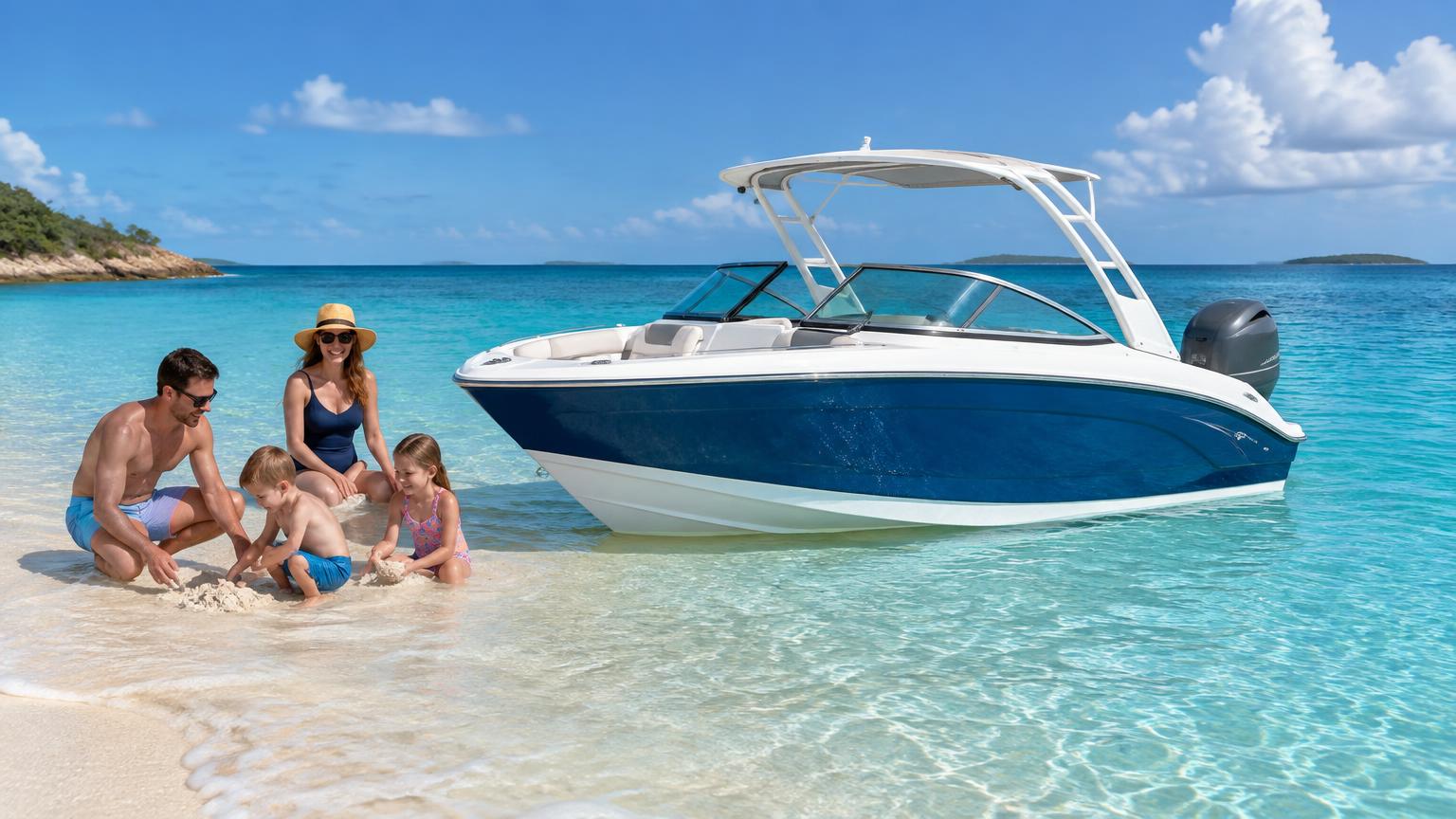
Should you buy one now?
Yes, if your boating is short trips, calm water, lake or river cruising, silent evening runs, or use on waterways with electric-only rules, and you can charge where the boat lives. In those roles an electric bowrider is not a compromise — it is better.
Not yet, if you tow water sports for hours, run long distances, boat far from charging, or need maximum value per dollar. The sensible expectation is steady improvement: cheaper cells, better range and more charging infrastructure will make electric mainstream in bowriders, but petrol outboards remain the practical default for all-round family use today.
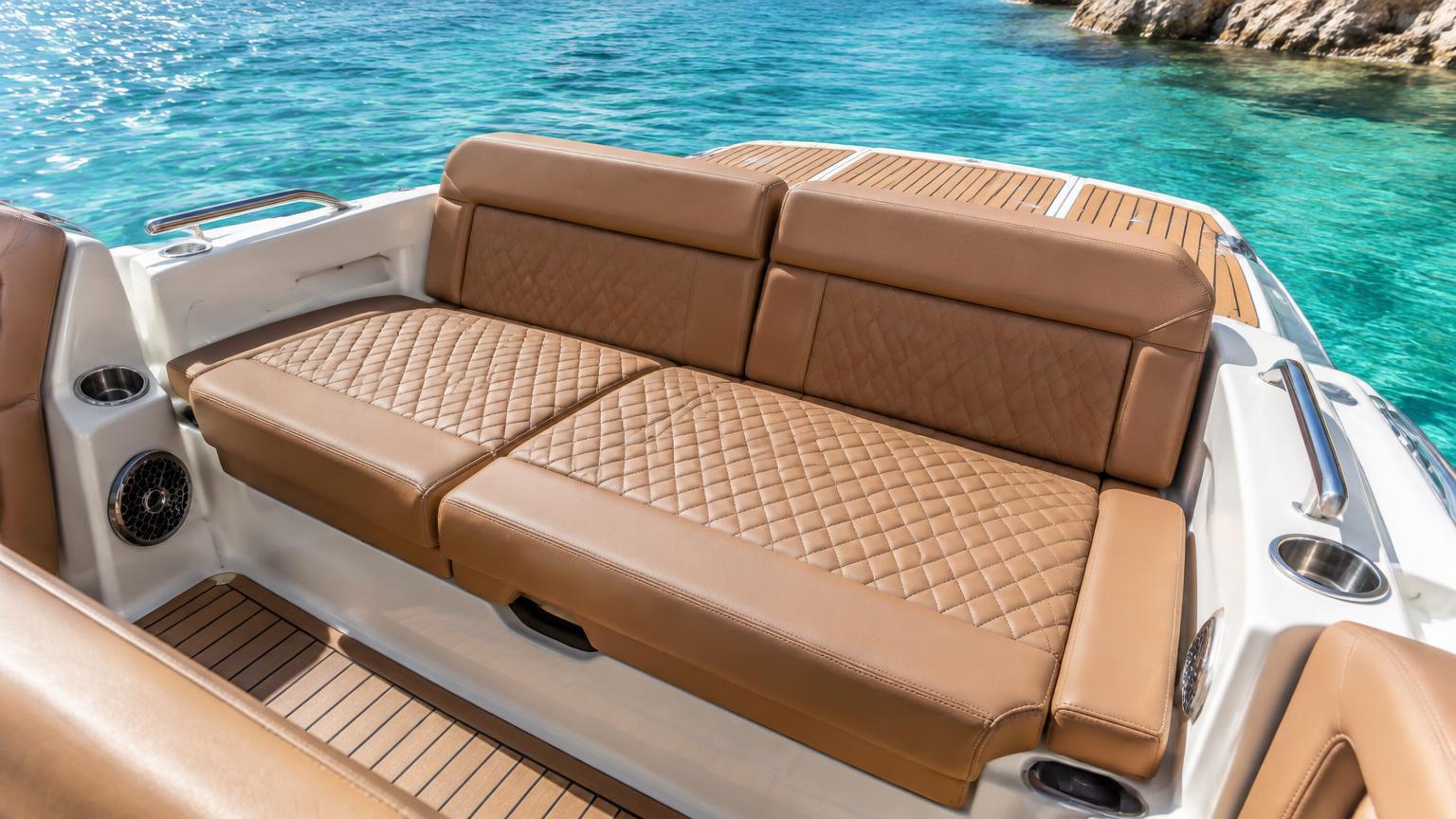
Featured Boat of the Week
Bayliner Bayliner DX2000 — Our Featured Bowrider This Week

This week we are putting the Bayliner Bayliner DX2000 in the spotlight, and it earns the spot. At 20 ft 2 in (6.16 m) long on a 8 ft (2.44 m) beam, this is a bowrider that reads the water well and still feels roomy enough for a full day out. A 20-foot deck-boat-width bowrider with outboard power and a huge social cockpit. Power comes from 115-150 hp mercury fourstroke outboard through a outboard package, and the fibreglass hull keeps the ride settled when the afternoon breeze puts a chop on the surface.
Seating is rated for 8 people, so there is space for family, friends, towels, eskies and the tow rope without anyone climbing over gear. Owners tend to buy it for family, water ski, leisure — which is exactly where it shines. Fuel is 30 us gal (114 l), and on the second-hand and new market you should expect to land somewhere around US$42,000 - US$58,000 new depending on hours, trailer and options.
Our full deep dive covers the layout in detail: bow lounge comfort, helm ergonomics, the rear entertaining area, storage that actually swallows a weekend, plus standard features, popular options and honest notes on where the boat compromises. If the Bayliner DX2000 is on your shortlist, start there — and check back next week, because the featured boat changes every week as we complete more full model reviews.
Featured Bowrider Article
Can You Take a Bowrider Offshore?
On the Water
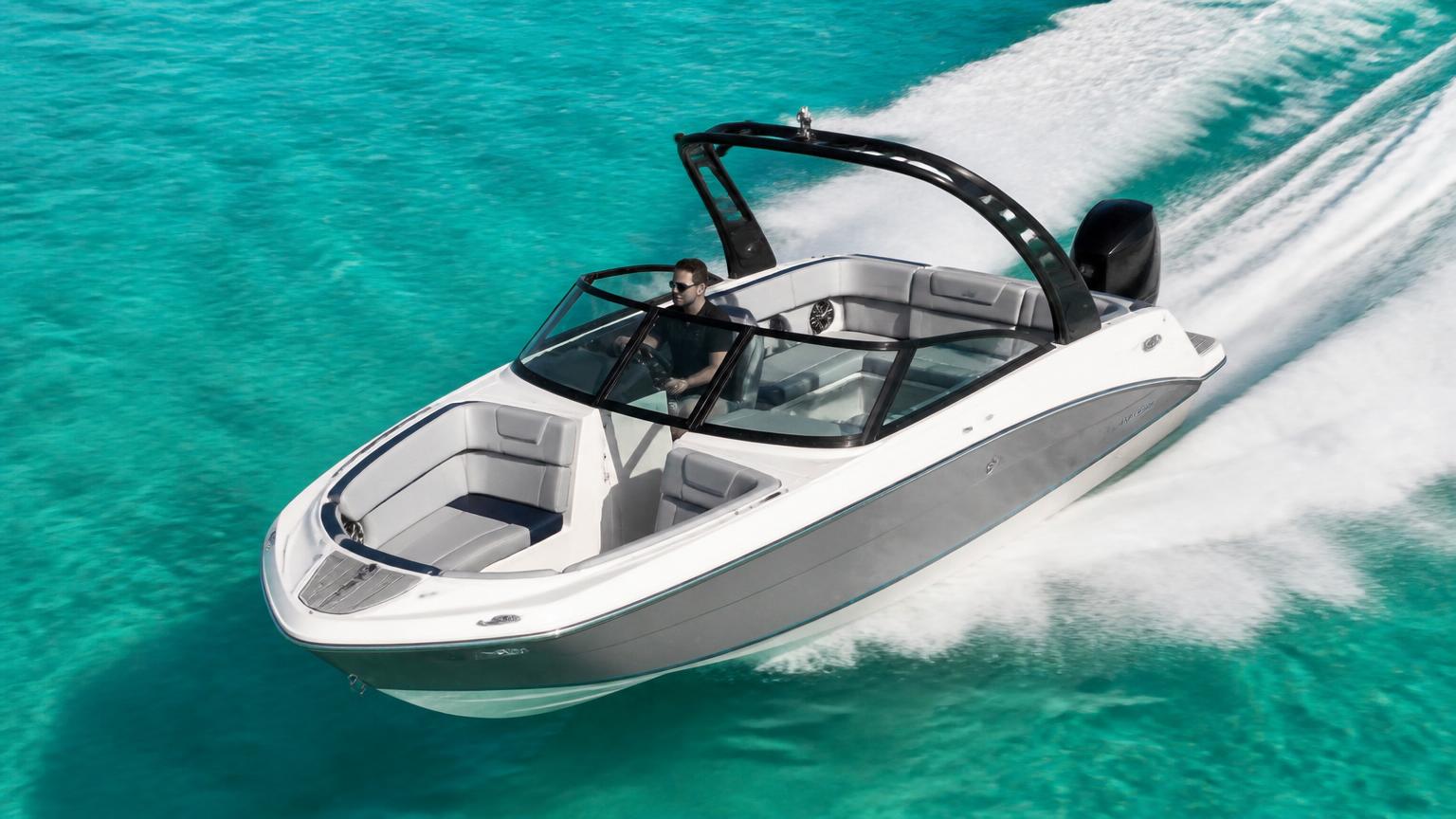
Bowriders are designed for protected water, but plenty of owners run them along the coast, out to islands and offshore to fish. It can be done safely with the right boat, the right conditions and the right discipline — and it goes badly wrong when any one of those is missing. Size and deadrise come first. A 6.5-8.0 m hull with 19-22 degrees of transom deadrise handles offshore swell far better than a 5 m lake boat with a shallow V. Higher freeboard, a deep cockpit and self-draining decks matter just as much as length. The open bow is the weak point. Boats designed for coastal use offer a full bow cover or tonneau that closes the forward seating, preventing green water entering the boat. A bowrider without one should never be driven into head seas offshore, because a wave over the bow puts water straight into the hull. Twin outboards, a reliable bilge pump, a battery isolator and a proper anchoring setup all add real margin when you are hours from a ramp. Weather discipline is what keeps bowrider owners safe. A benign morning with under ten knots of wind and a low, long-period swell is very different from a fifteen-to-twenty-knot afternoon seabreeze with…
Read the full article