Menu
Site Menu — Find Your Page
Bowrider Boats Mega Website
On the Water
Can You Take a Bowrider Offshore?
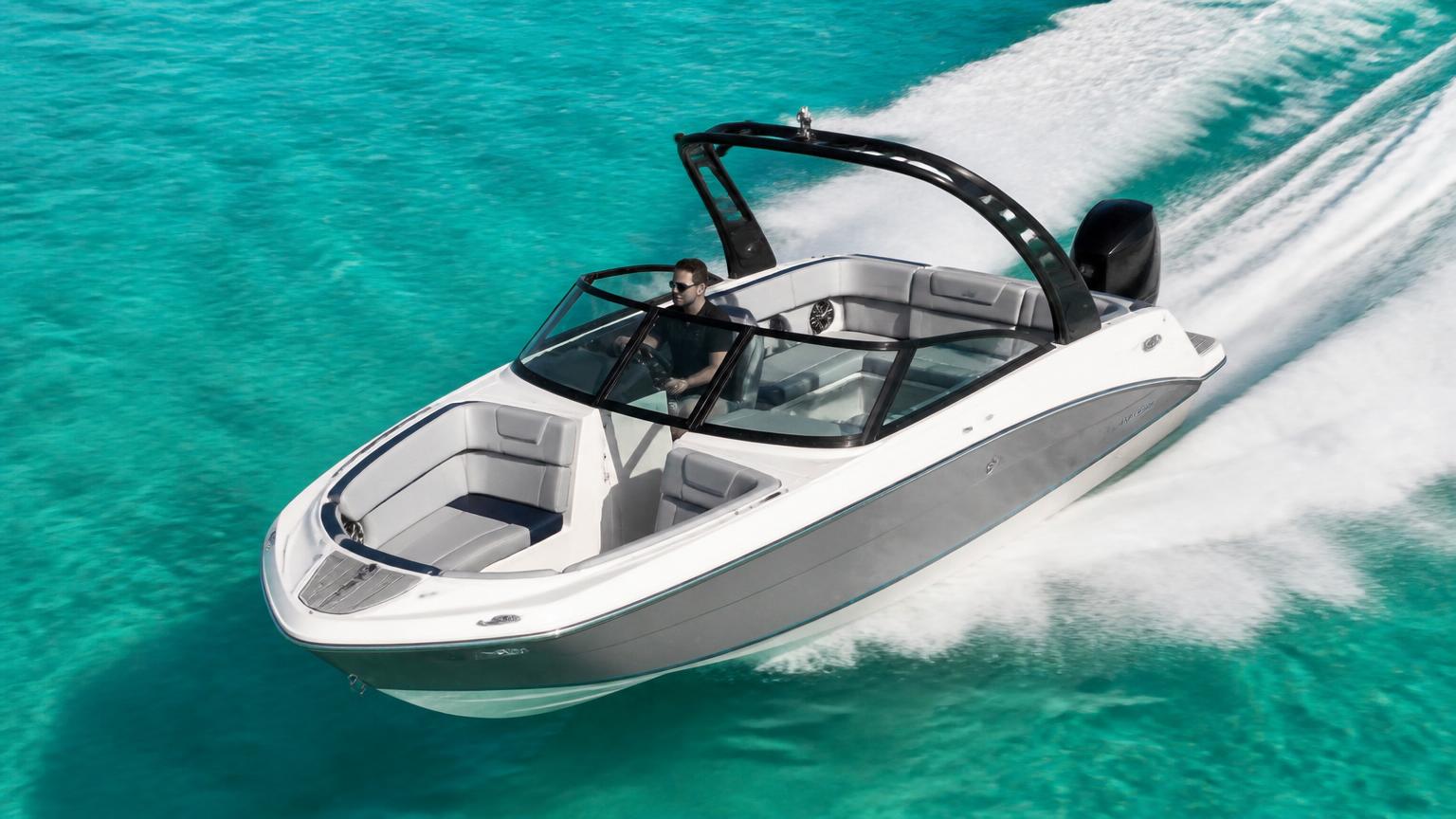
Bowriders are designed for protected water, but plenty of owners run them along the coast, out to islands and offshore to fish. It can be done safely with the right boat, the right conditions and the right discipline — and it goes badly wrong when any one of those is missing.
What makes a bowrider more offshore-capable
Size and deadrise come first. A 6.5-8.0 m hull with 19-22 degrees of transom deadrise handles offshore swell far better than a 5 m lake boat with a shallow V. Higher freeboard, a deep cockpit and self-draining decks matter just as much as length.
The open bow is the weak point. Boats designed for coastal use offer a full bow cover or tonneau that closes the forward seating, preventing green water entering the boat. A bowrider without one should never be driven into head seas offshore, because a wave over the bow puts water straight into the hull.
Twin outboards, a reliable bilge pump, a battery isolator and a proper anchoring setup all add real margin when you are hours from a ramp.
Conditions and limits
Weather discipline is what keeps bowrider owners safe. A benign morning with under ten knots of wind and a low, long-period swell is very different from a fifteen-to-twenty-knot afternoon seabreeze with a short chop. Bowriders are day boats, so the plan should always include being home before the wind builds.
A practical rule many coastal owners use: stay within a distance you can run home in one hour at reduced speed, remain in radio and phone coverage, and turn back at the first sign of conditions exceeding the forecast. Bar crossings deserve extra caution and local knowledge.
Safety equipment that is not optional
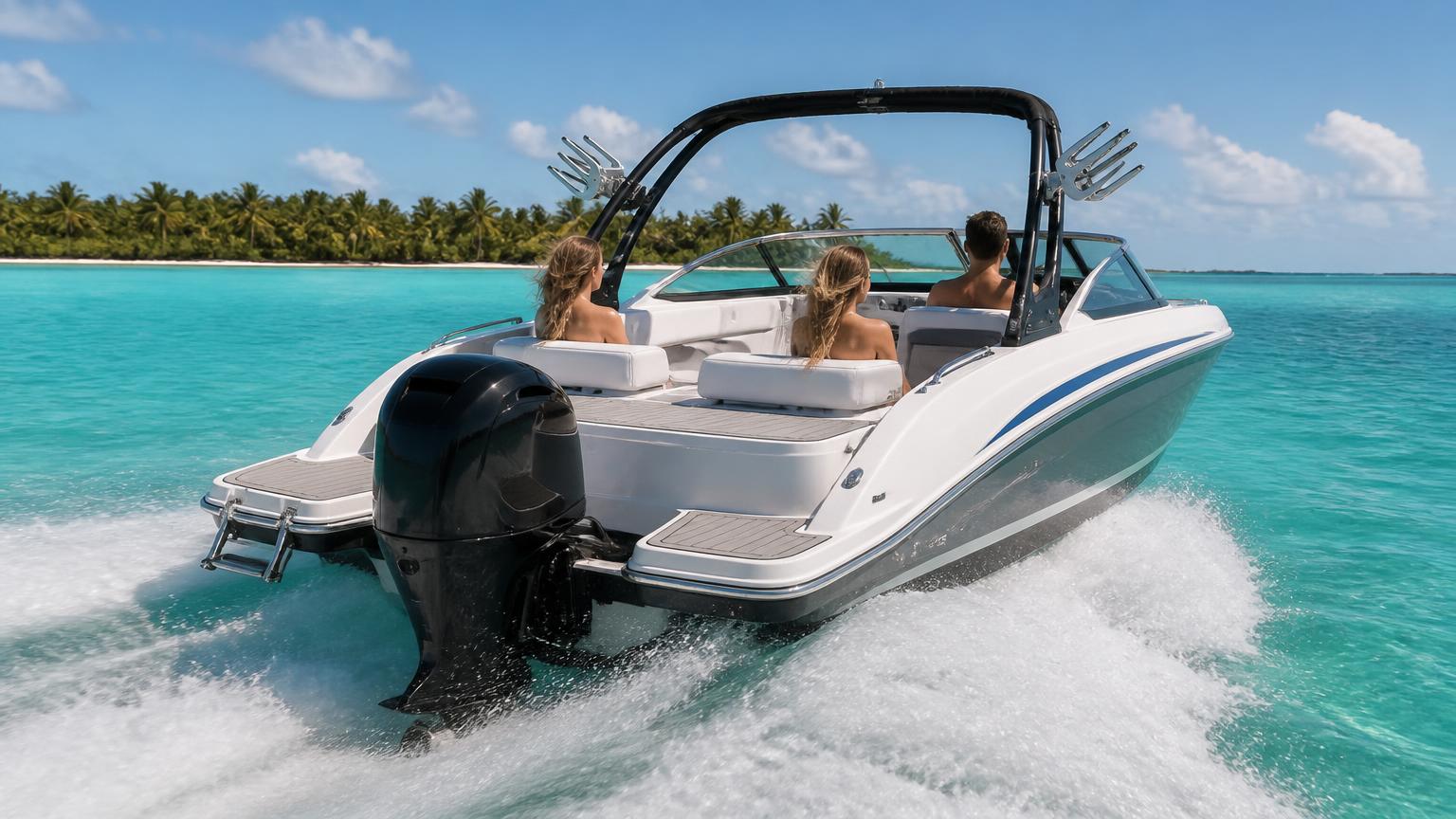
Beyond the legally required lifejackets, flares and extinguisher, offshore trips need an EPIRB or PLB, a VHF radio, a chartplotter with a return track, a hand bilge pump, spare fuel, anchor and sufficient rode, drinking water and a first aid kit.
Log your trip with someone ashore, know your fuel burn accurately, and apply the one-third rule: a third out, a third back, a third in reserve. Almost every offshore incident involving small boats traces back to weather, fuel or communication rather than the hull itself.
The honest answer
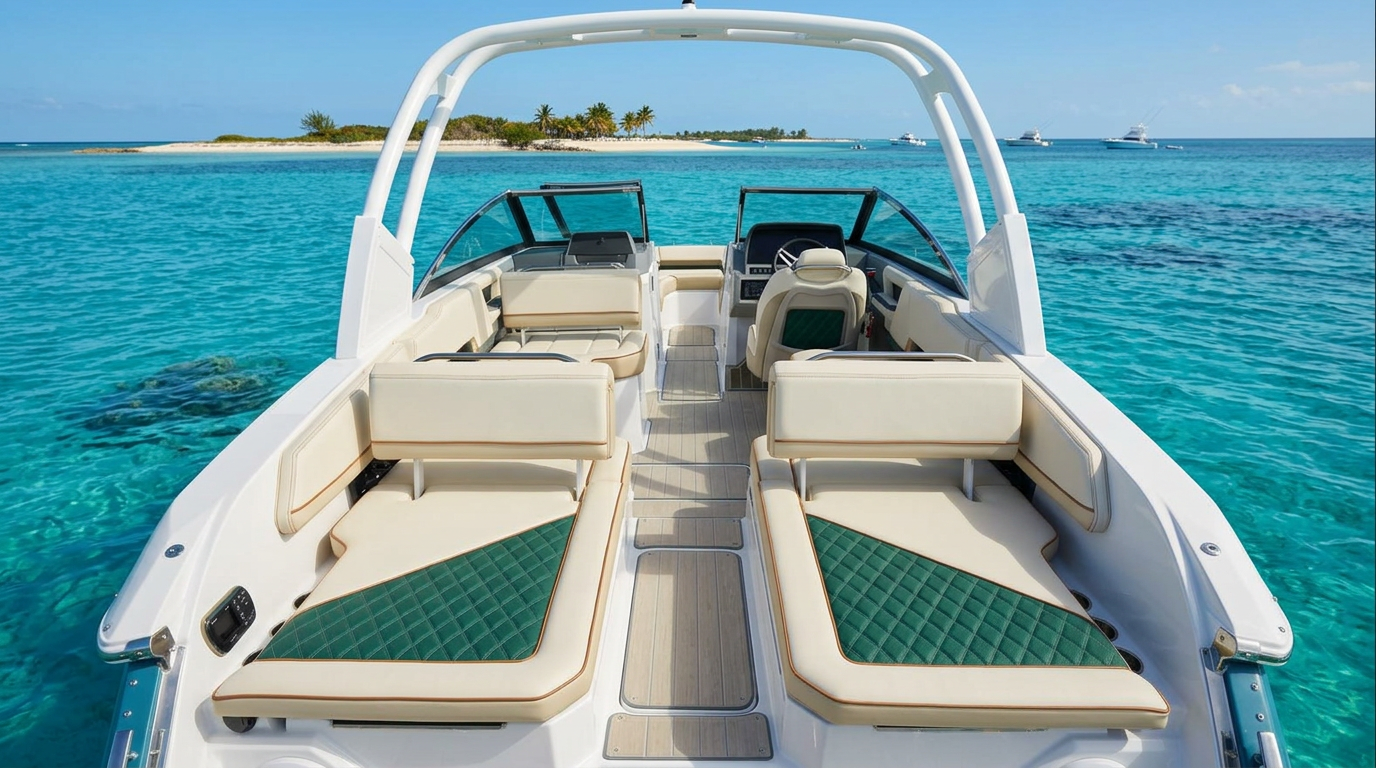
Yes, a well-specified bowrider can run offshore in settled conditions, and thousands do so safely every weekend. No, a bowrider is not an offshore boat, and it should never be treated like a walkaround, centre console or hardtop cabin boat designed to take a beating.
If most of your boating will be offshore fishing, buy a boat built for it. If you cruise bays and estuaries and want the occasional calm-day trip out to an island, choose the biggest sensible bowrider, fit a bow cover, watch the forecast obsessively and you will have a boat that does both jobs well.
Keep reading
On the Water
Which Bowrider Is Best for Fishing?
Ownership
Saltwater vs Freshwater Bowrider Ownership
Buying Advice
The Best Bowrider Size for Families
On the Water
Which Bowriders Make the Best Day Boats?
On the Water
The Best Bowriders for Wake and Water Ski
On the Water
Bowrider Seating and Layout Explained
On the Water
How to Drive a Bowrider
On the Water
Best Bowrider Boats for Overnight Camping
Featured Boat of the Week
Bayliner Bayliner DX2000 — Our Featured Bowrider This Week

This week we are putting the Bayliner Bayliner DX2000 in the spotlight, and it earns the spot. At 20 ft 2 in (6.16 m) long on a 8 ft (2.44 m) beam, this is a bowrider that reads the water well and still feels roomy enough for a full day out. A 20-foot deck-boat-width bowrider with outboard power and a huge social cockpit. Power comes from 115-150 hp mercury fourstroke outboard through a outboard package, and the fibreglass hull keeps the ride settled when the afternoon breeze puts a chop on the surface.
Seating is rated for 8 people, so there is space for family, friends, towels, eskies and the tow rope without anyone climbing over gear. Owners tend to buy it for family, water ski, leisure — which is exactly where it shines. Fuel is 30 us gal (114 l), and on the second-hand and new market you should expect to land somewhere around US$42,000 - US$58,000 new depending on hours, trailer and options.
Our full deep dive covers the layout in detail: bow lounge comfort, helm ergonomics, the rear entertaining area, storage that actually swallows a weekend, plus standard features, popular options and honest notes on where the boat compromises. If the Bayliner DX2000 is on your shortlist, start there — and check back next week, because the featured boat changes every week as we complete more full model reviews.
Featured Bowrider Article
Why Boat Builders Have Moved Away From Stern Drives to Outboards
Engines & Drives
For decades the familiar bowrider formula placed a marinised car-style engine beneath the rear sun pad and connected it through the transom to a MerCruiser Alpha, Bravo or Volvo Penta drive leg. Today many new family bowriders are designed around outboard power instead. The change reflects stronger four-stroke technology, easier ownership, wider engine choice and a market that increasingly rewards boats which are simple to service, repower and resell. Through the 1980s, 1990s and early 2000s, a petrol sterndrive was a logical match for a fibreglass bowrider. A marinised four-, six- or eight-cylinder engine sat low inside the hull, while an articulated outdrive supplied steering, trim and reverse. MerCruiser’s Alpha One became especially common in affordable family boats, with Bravo drives serving higher outputs; Volvo Penta offered its own widely respected single-prop and Duoprop alternatives. This arrangement produced a clean-looking transom and kept a heavy engine low and close to the boat’s centreline. Builders could cover the machinery with a padded sun lounge, then mould a broad swim platform around the drive. Compared with the smoky two-stroke outboards of the period, an automotive-based four-stroke sterndrive often felt quieter, smoother and more economical. For a family runabout, it was an attractive and proven package.
Read the full article