Menu
Site Menu — Find Your Page
Bowrider Boats Mega Website
Boat Stories
WORLD’S BEST-SELLING BOWRIDER BOAT = Bayliner 185
Few boats explain the appeal of the bowrider as clearly as the Bayliner 185. It brought a proper fibreglass family runabout within reach of first-time owners, then wrapped cruising, swimming, fishing and tow sports into one garage-friendly package. This is the story of the 185, its Flight Series variations and the practical formula that made the model a familiar sight at ramps around the world.
How the Bayliner 185 Become the World's Favourite and Best Selling Boat
The Bayliner 185 is Widely Regarded as one of the World’s Highest Selling Bowriders across North America, Australia, New Zealand and Europe. World’s Best-selling fibreglass Boat for a Decade, while reviews described the 185 as a boat pitched at the boating masses. The fairest reading is that the 185 Bowrider carried Bayliner’s Global Sales Volume story.
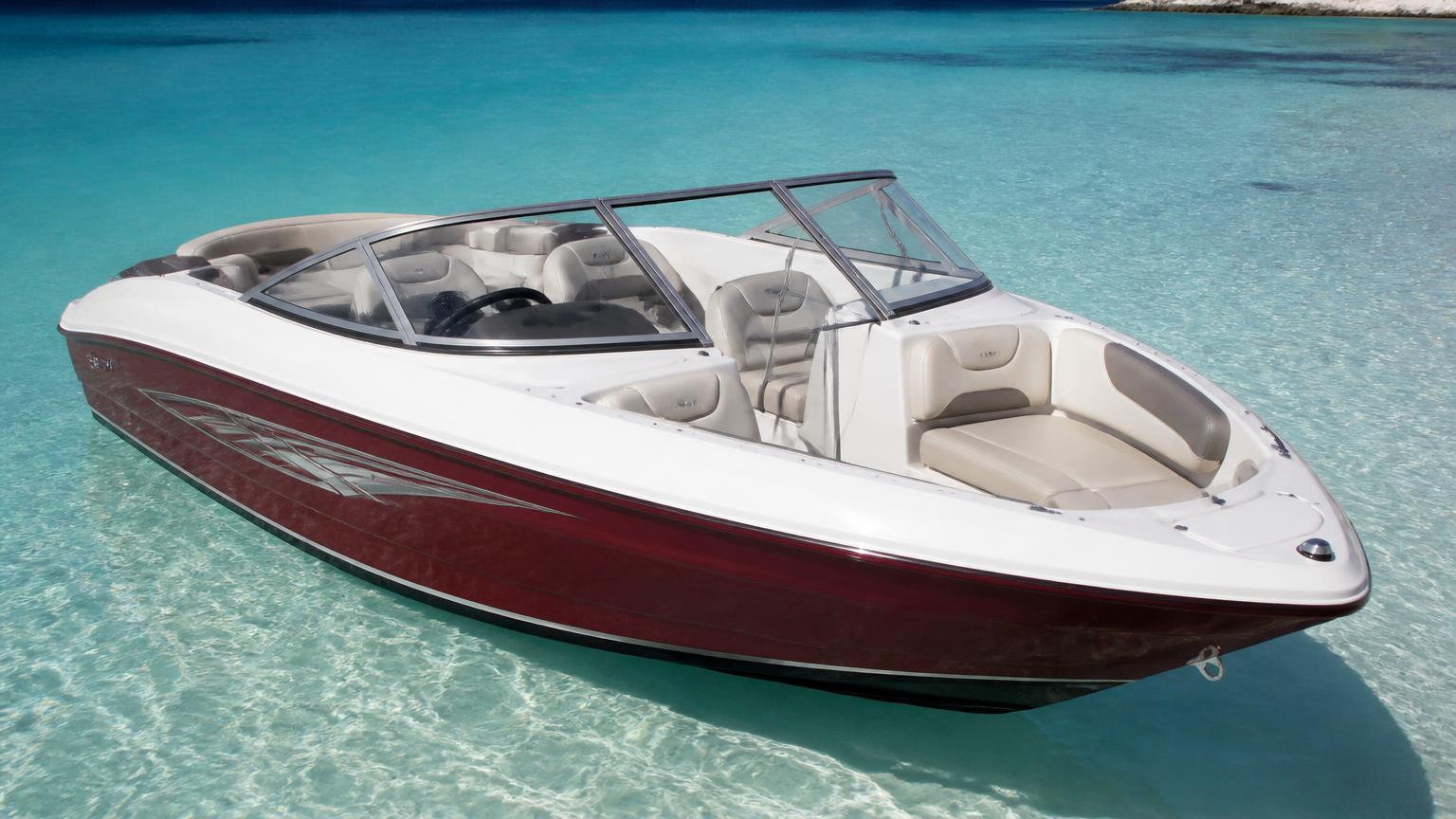
"Bayliner 185" A Bow-Rider Boat that Fits the Family Boating
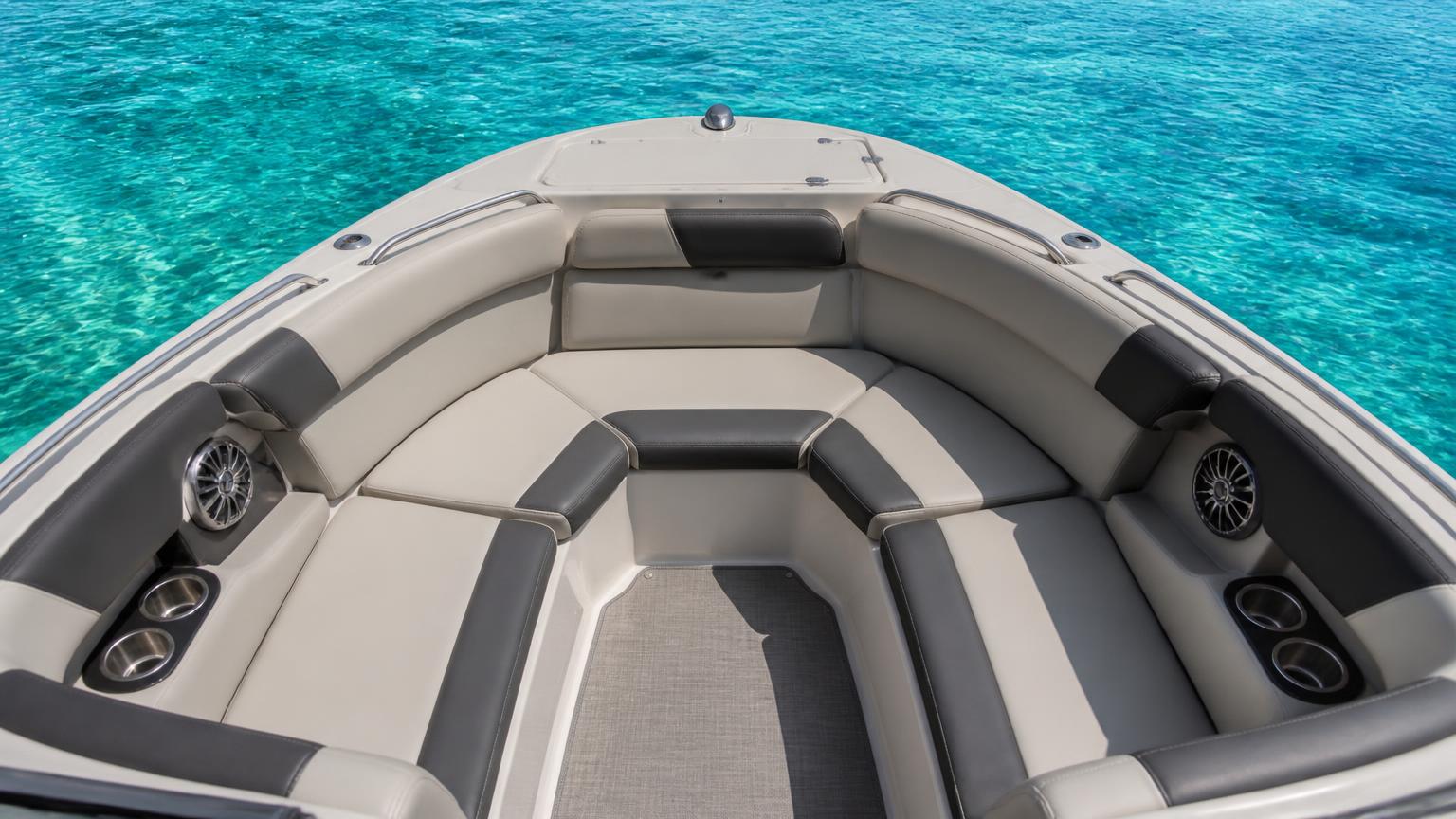
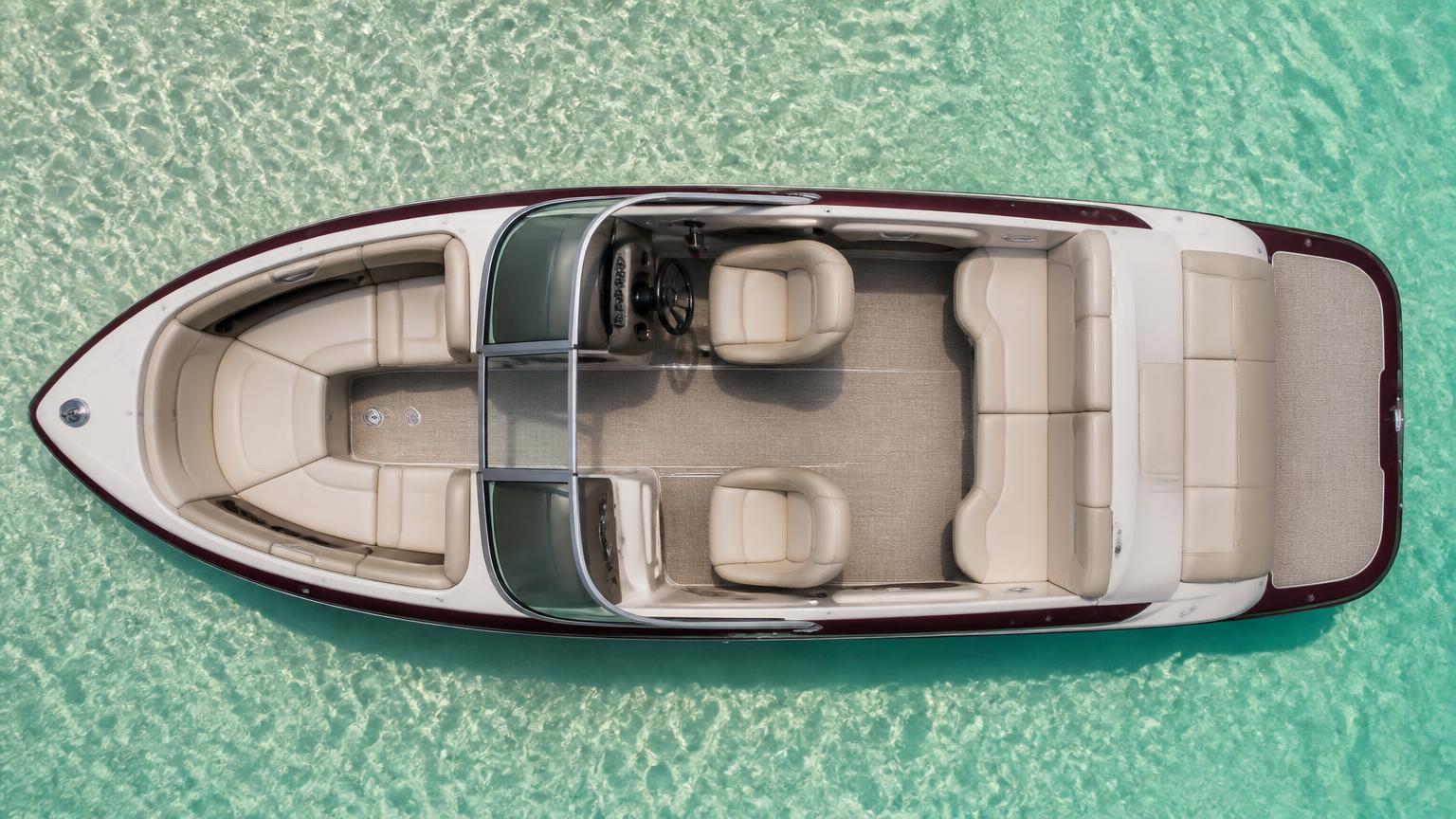
At about 18 ft 6 in (5.64 m) long and roughly 7 ft 5 in (2.26 m) across the beam in a representative specification, the 185 is large enough to feel like a substantial boat without becoming a transport project. There is room for bow lounges, two forward cockpit seats and a rear bench, yet the driver can still see every corner when approaching a jetty. At the ramp, one person can control the hull with a bow line and push it away from a pontoon without needing a crew of experienced hands.
A smaller runabout can feel crowded once a family adds lifejackets, an esky, towels and ski gear. A 21- or 22-footer solves the space problem but introduces a heavier trailer, a larger tow vehicle and more difficult home storage. The Bayliner 185 gives a family enough genuine boating room while preserving the spontaneity that makes a trailer boat useful.
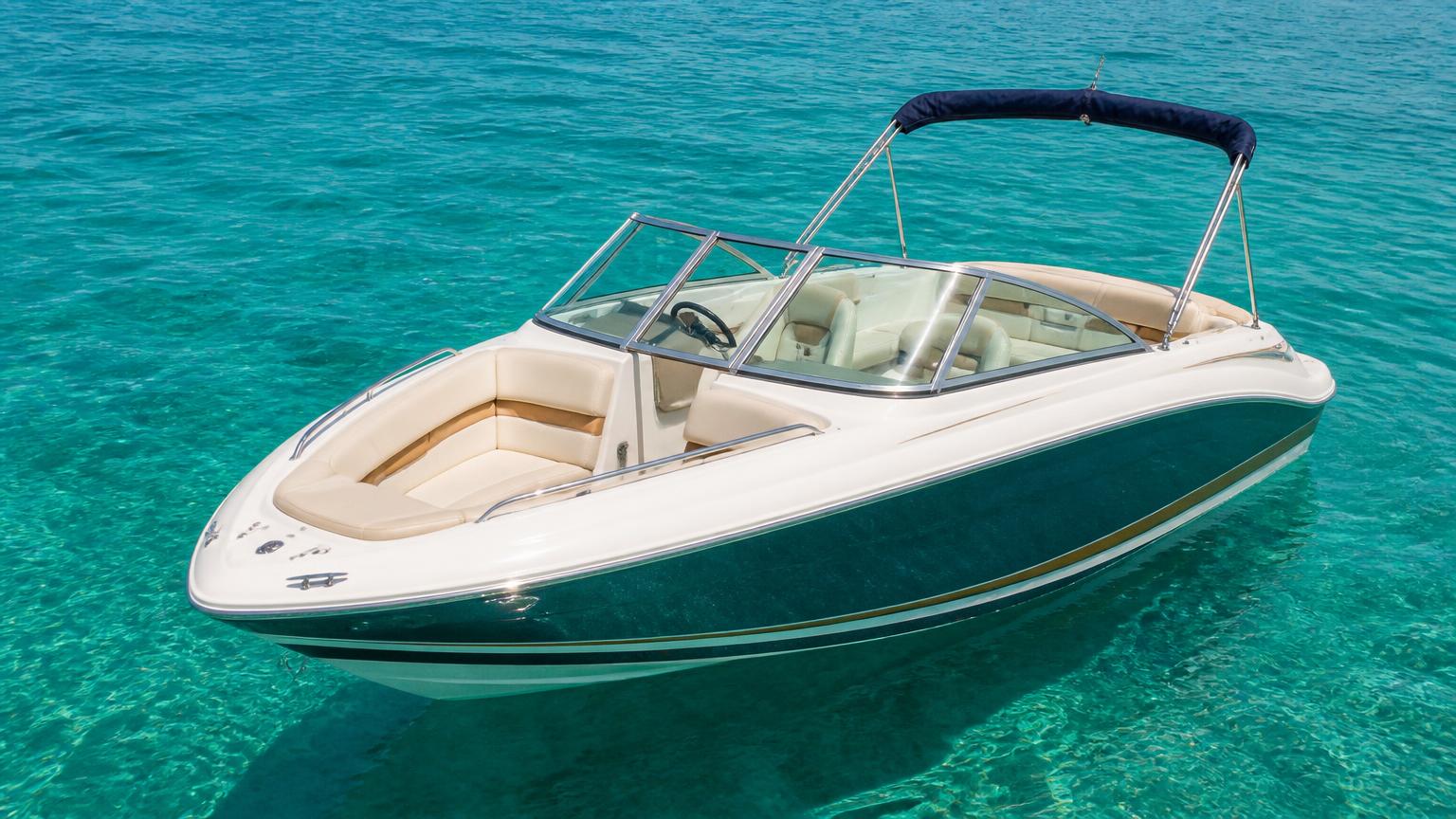
Towability opened boating to ordinary families
The 185 was conceived as a trailer boat rather than a marina boat. Depending on model year, engine, trailer and equipment, loaded towing weight varies, so owners must use the actual compliance plate and a weighbridge rather than a brochure dry weight. Even so, the package sits in a class that many suitable family SUVs and larger cars can tow. That removed the need to buy a truck simply to own the boat and kept fuel, registration and tyre costs under control.
A manageable single-axle package also changes how the boat feels on a Saturday morning. It is easier to reverse down a suburban driveway, easier to position at a narrow ramp and easier to move into storage. Owners use boats that are simple to hitch and go. By making the entire trip — driveway, road, ramp and return — less intimidating, the 185 converted many interested families into active boaters.
Garage storage kept the cost of ownership down
Home storage is one of the quiet reasons the Bayliner formula worked. An 18-foot hull on a sensibly designed trailer can fit many garages, carports and side access ways, particularly with a folding or removable drawbar and the sterndrive trimmed appropriately. Prospective owners still need to measure overall trailer length, width and height, because towers and biminis change the calculation, but the 185 remains far easier to accommodate than a large day boat.
Keeping a boat at home avoids marina or dry-stack fees and puts maintenance in the owner’s hands. The cover can be removed to dry the cockpit, batteries can be charged, the trailer can be inspected and small jobs can be completed without travelling to a storage yard. Covered storage also protects gelcoat, vinyl and canvas from ultraviolet damage. Over years of ownership, that practical advantage can save more than choosing a slightly cheaper engine option.
A layout first-time boaters understand immediately
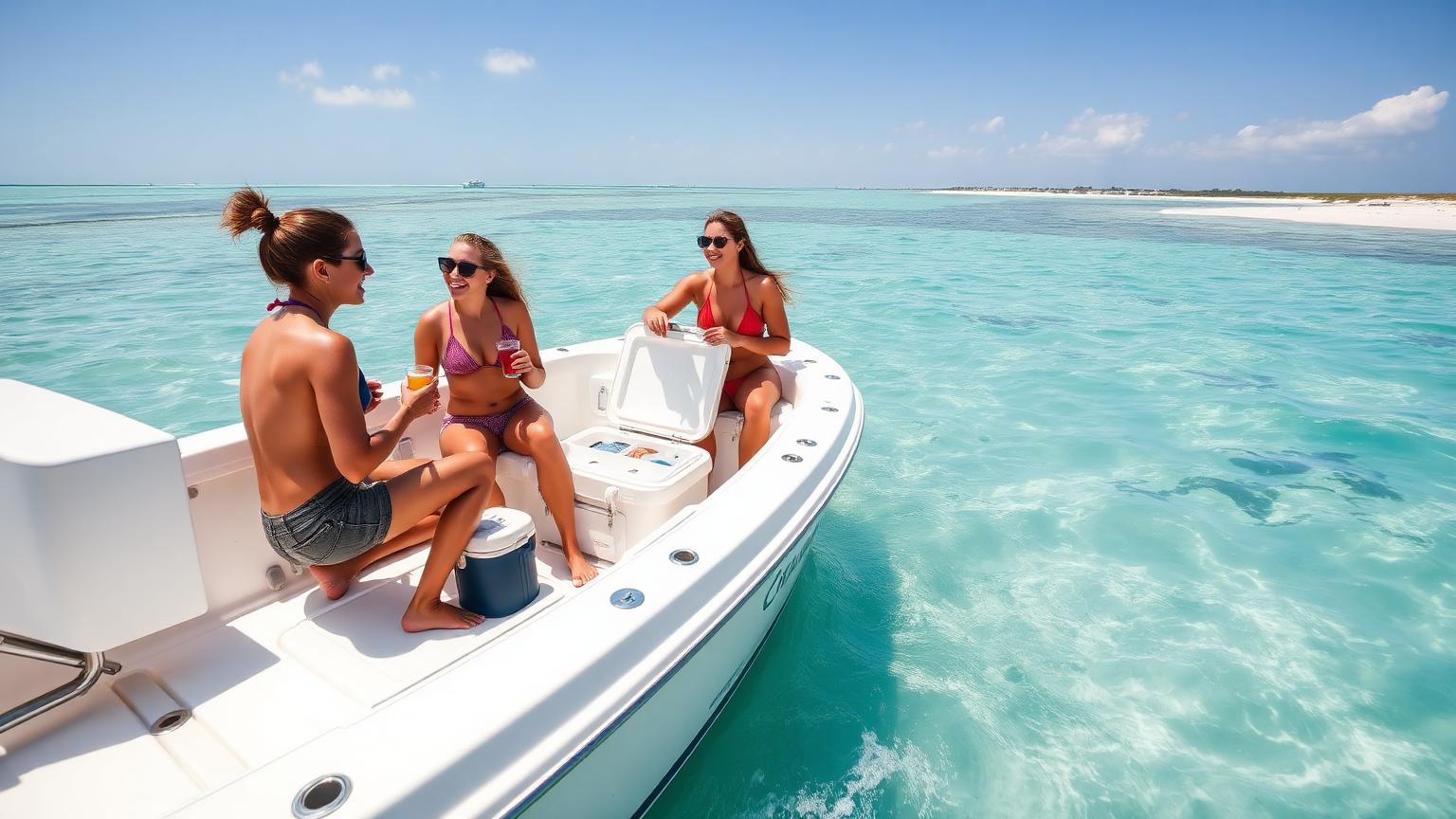
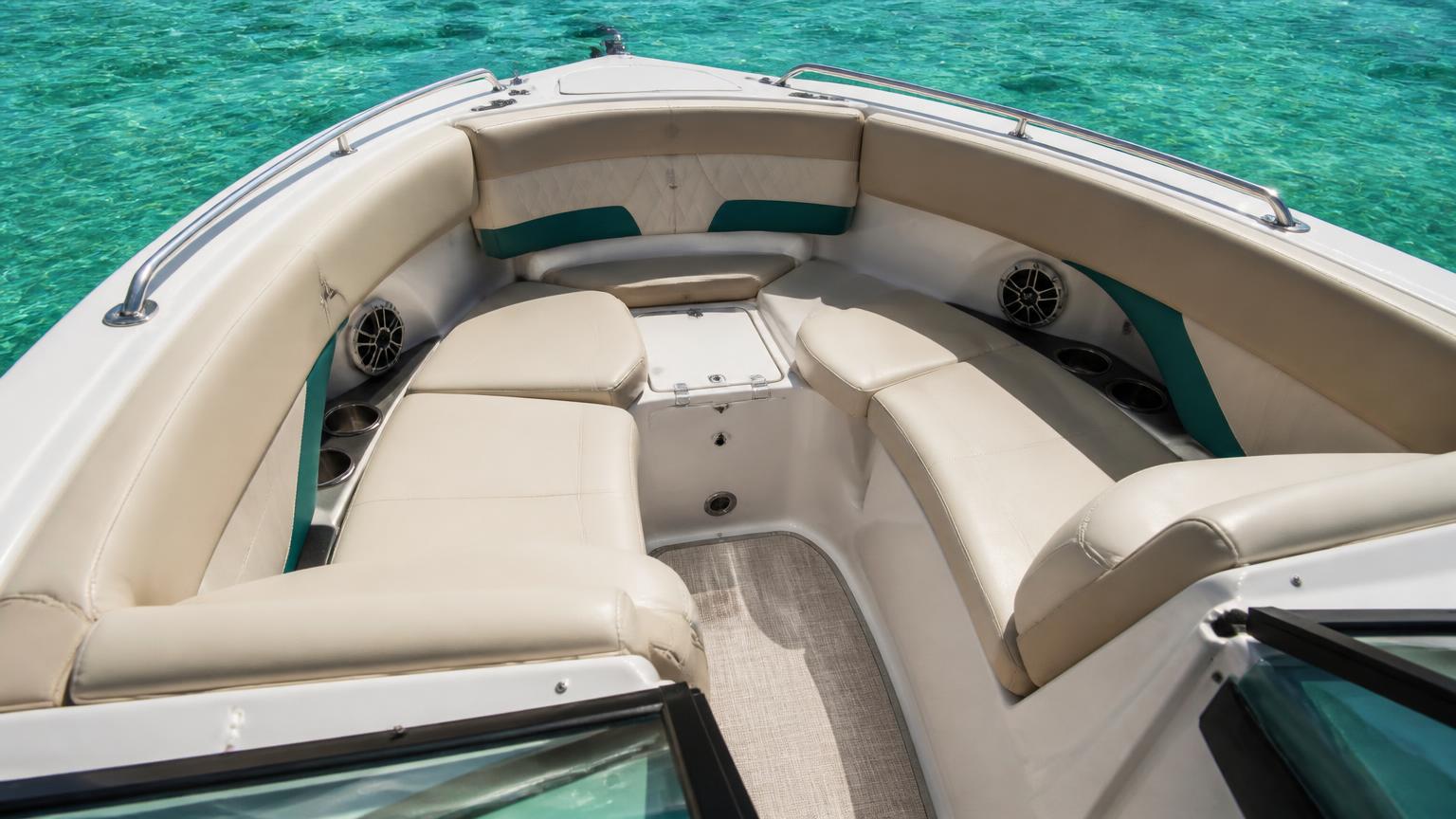
The 185 uses the classic bowrider plan because it works. Two forward lounges make use of space that would otherwise be deck, a walk-through windscreen connects them to the cockpit, and the helm and companion seats give the driver and observer secure positions. A rear bench keeps children and guests inside the cockpit, while the engine cover or aft pad supplies a place to sit when the boat is stopped. There are no complicated cabins to master before leaving the ramp.
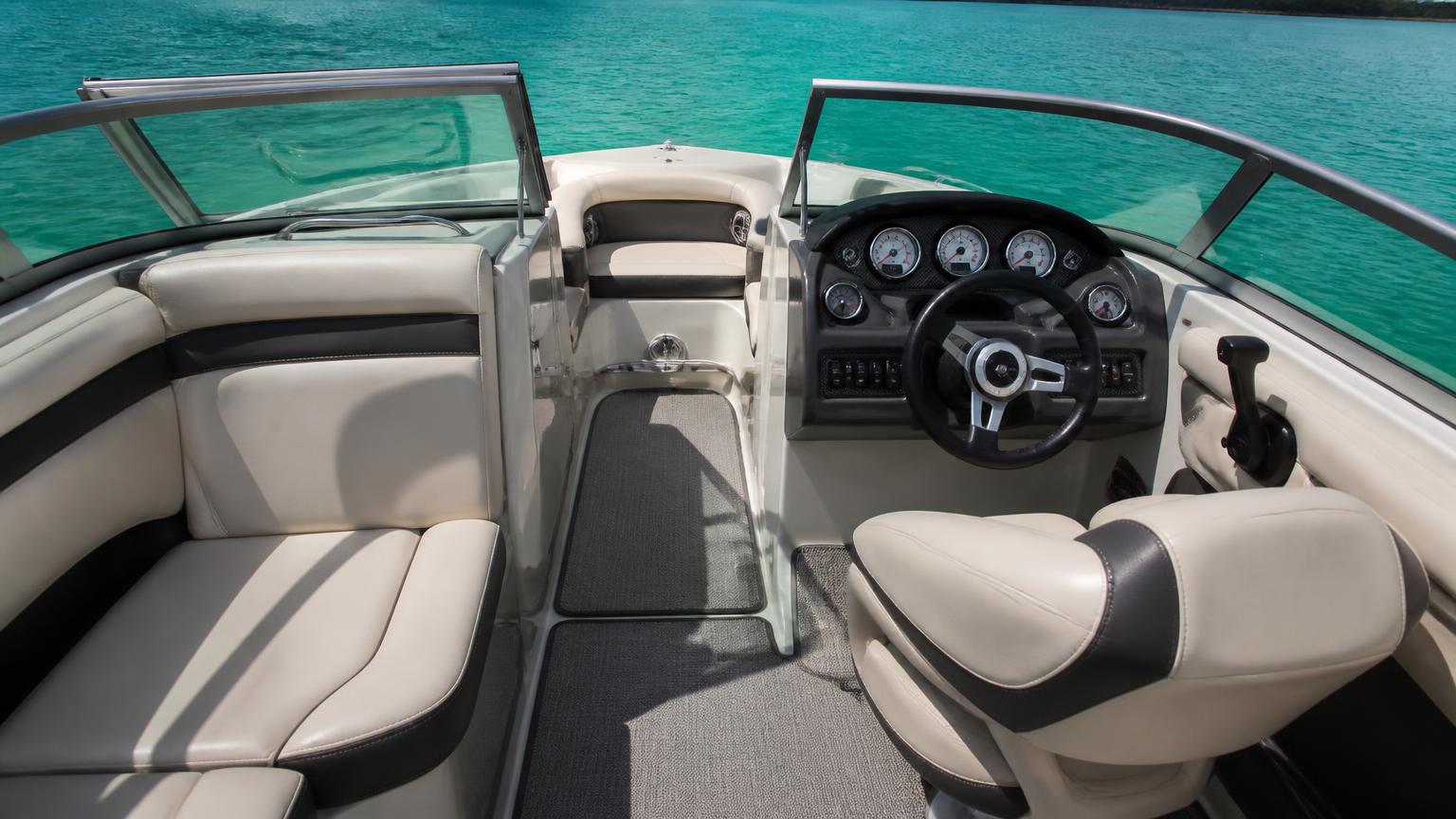
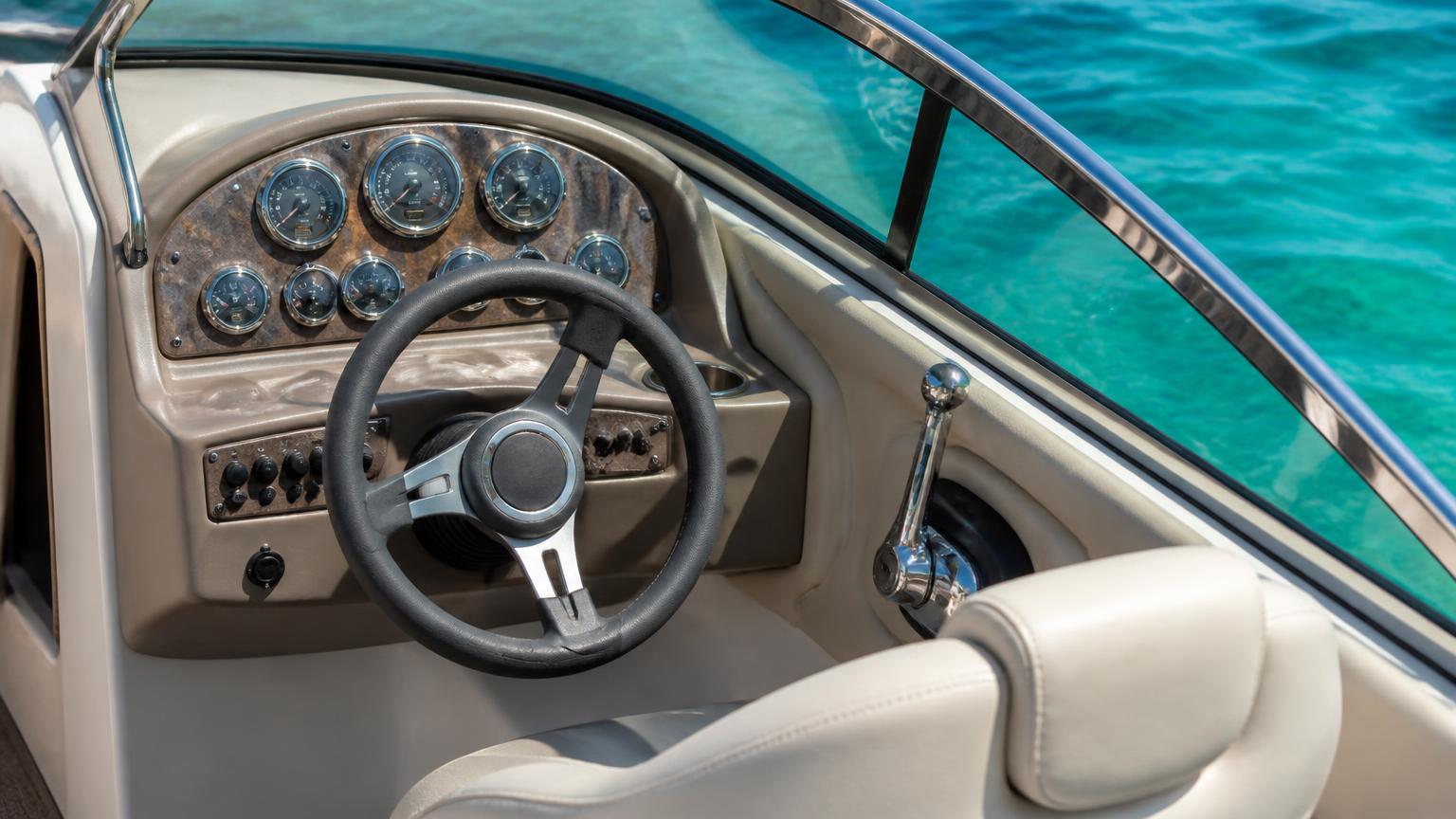
The helm follows the same accessible logic. Analogue instruments communicate the essentials, conventional switches are easy to identify and a familiar steering wheel and side-mounted throttle shorten the learning curve. Visibility is good because the driver sits close to the windscreen and can use the seat bolster where fitted. For somebody moving from a car into a first powerboat, the controls feel understandable rather than theatrical.
Easy launching and retrieval build confidence
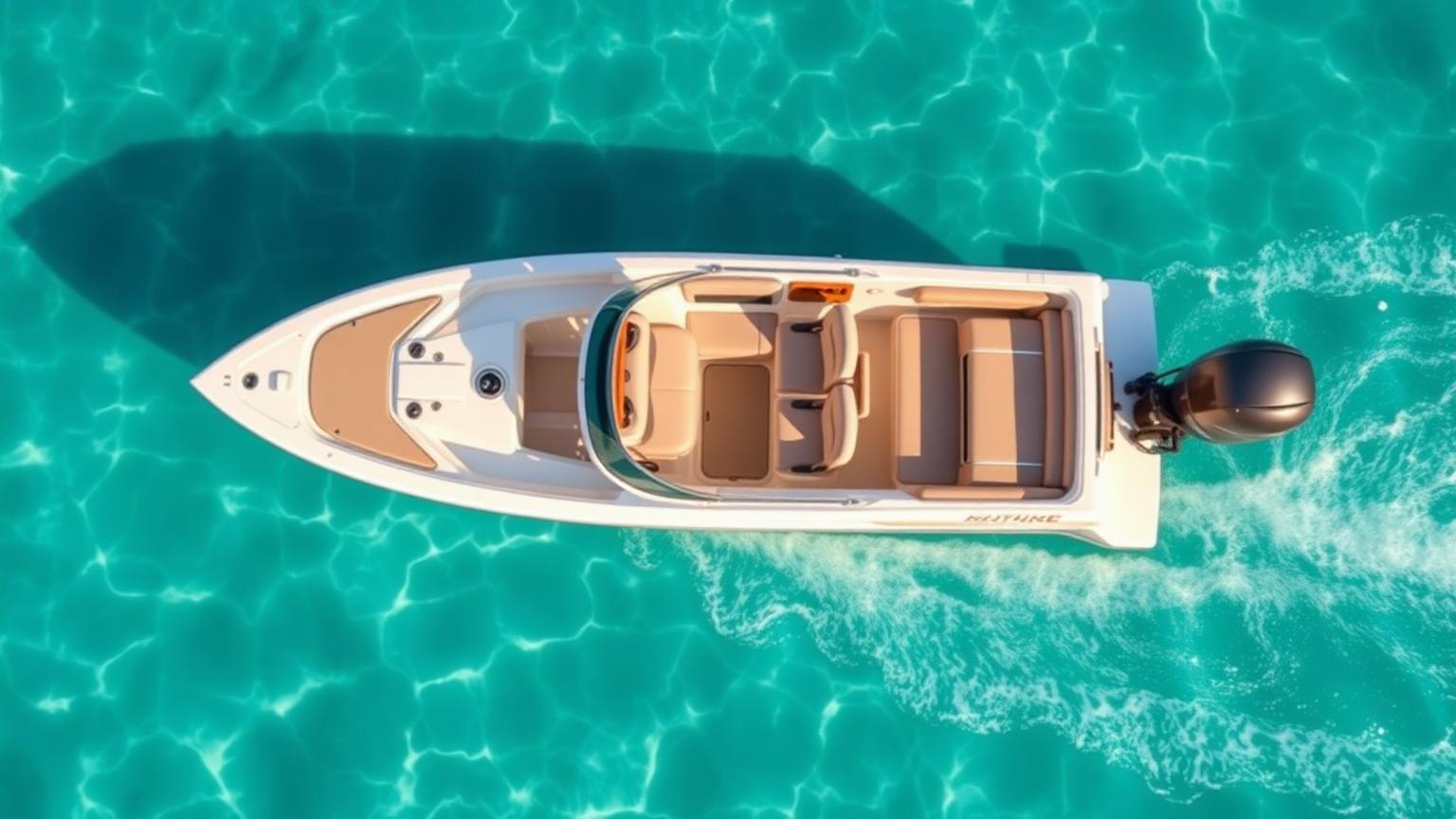
Launching a first boat can feel harder than driving it, so the 185’s modest dimensions are a genuine feature. The trailer can be aligned without occupying the entire ramp, the hull floats in relatively shallow water and the driver can correct its position with a line or a gentle push. Once aboard, predictable low-speed steering and a clear view through the walk-through screen help the skipper leave the ramp without drama.
Retrieval follows the same pattern. A light crosswind will still move any bowrider, and a sterndrive has limited steering response when it is not producing thrust, but the 185 is small enough to handle with short throttle inputs and a waiting bow line. Owners quickly learn the repeatable routine: prepare away from the ramp, approach slowly, centre on the trailer, winch the final distance and move to the rigging area before packing up.
MerCruiser sterndrive power suited the original brief
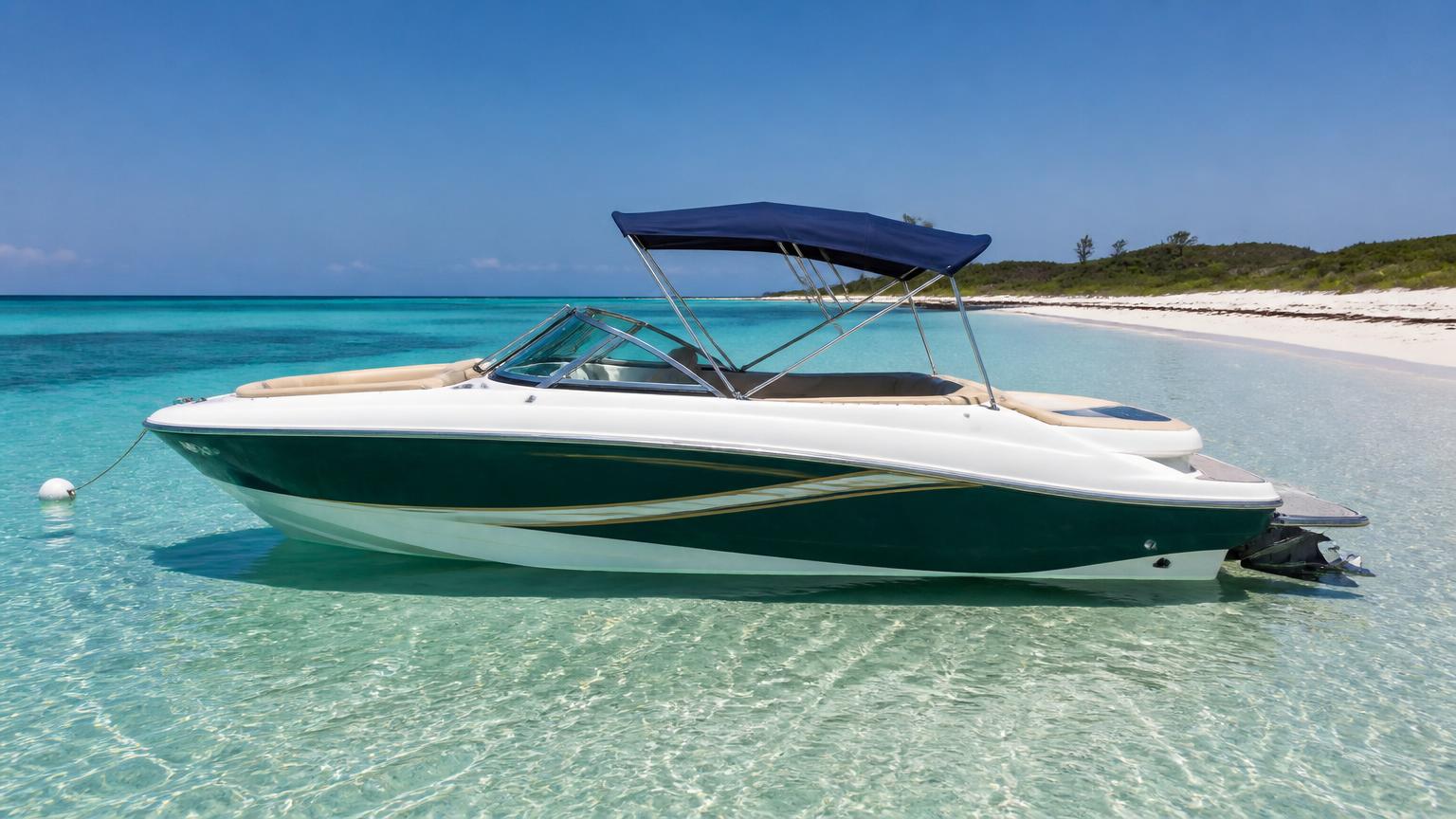
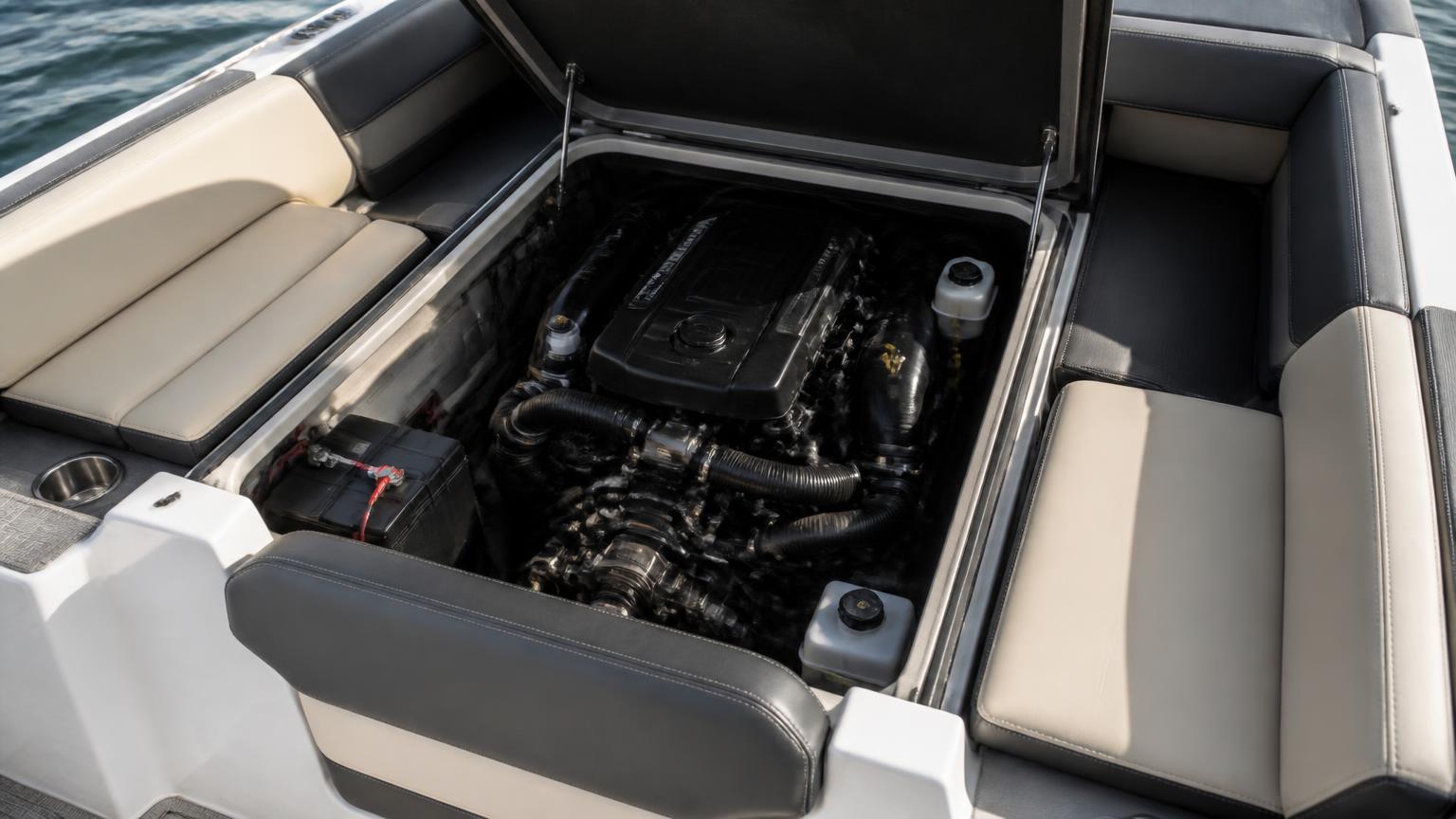
Many Bayliner 185s were sold with MerCruiser sterndrive power, commonly a 3.0-litre four-cylinder in the entry package and a stronger 4.3-litre V6 in some years and markets. The smaller engine held the purchase price down and offered sufficient performance for cruising with a moderate load. The V6 gave a more decisive hole shot and carried people and tow-sports equipment with less effort, making it attractive to families who regularly pulled skiers.
The Alpha-style drive leg brought familiar sterndrive virtues: power steering, trim control, a low engine position and an uncluttered swim platform compared with a transom-mounted outboard. It also brought maintenance responsibilities. Bellows, drive lubricant, anodes, gimbal components and cooling systems need scheduled attention, especially in salt water. A used 185 should be valued on service history and condition, not simply on a shiny hull or low asking price.
The 185 could genuinely do a bit of everything
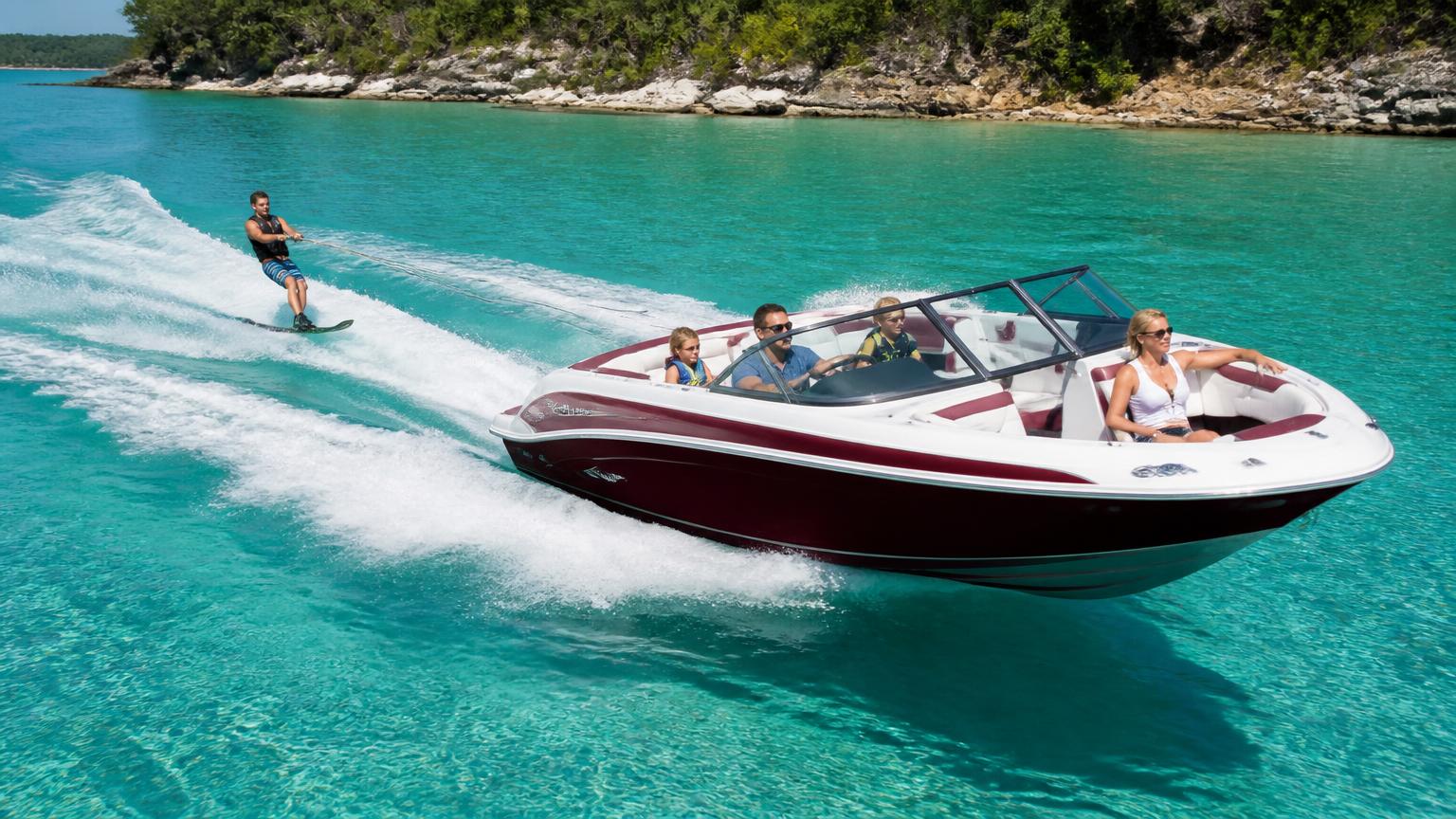
The phrase all-rounder is overused, but it describes the 185 accurately. On one outing the bow becomes a lounge and the cockpit carries lunch to a beach. On another, the rear bench holds an observer while a skier runs behind the boat. Remove loose cushions, protect the vinyl and add a portable tackle box, and the same platform can fish a lake, river or sheltered bay. The 185 is not a specialised wake boat or offshore fishing hull; its strength is doing without demanding a second boat.
That flexibility protects the owner from choosing the wrong pastime too early. First-time buyers rarely know whether their family will prefer cruising, fishing, swimming or tow sports after the novelty settles. A specialised boat forces the answer before the first season. The Bayliner lets the family try everything, discover which activities last and upgrade later with knowledge gained on the water rather than from a brochure.
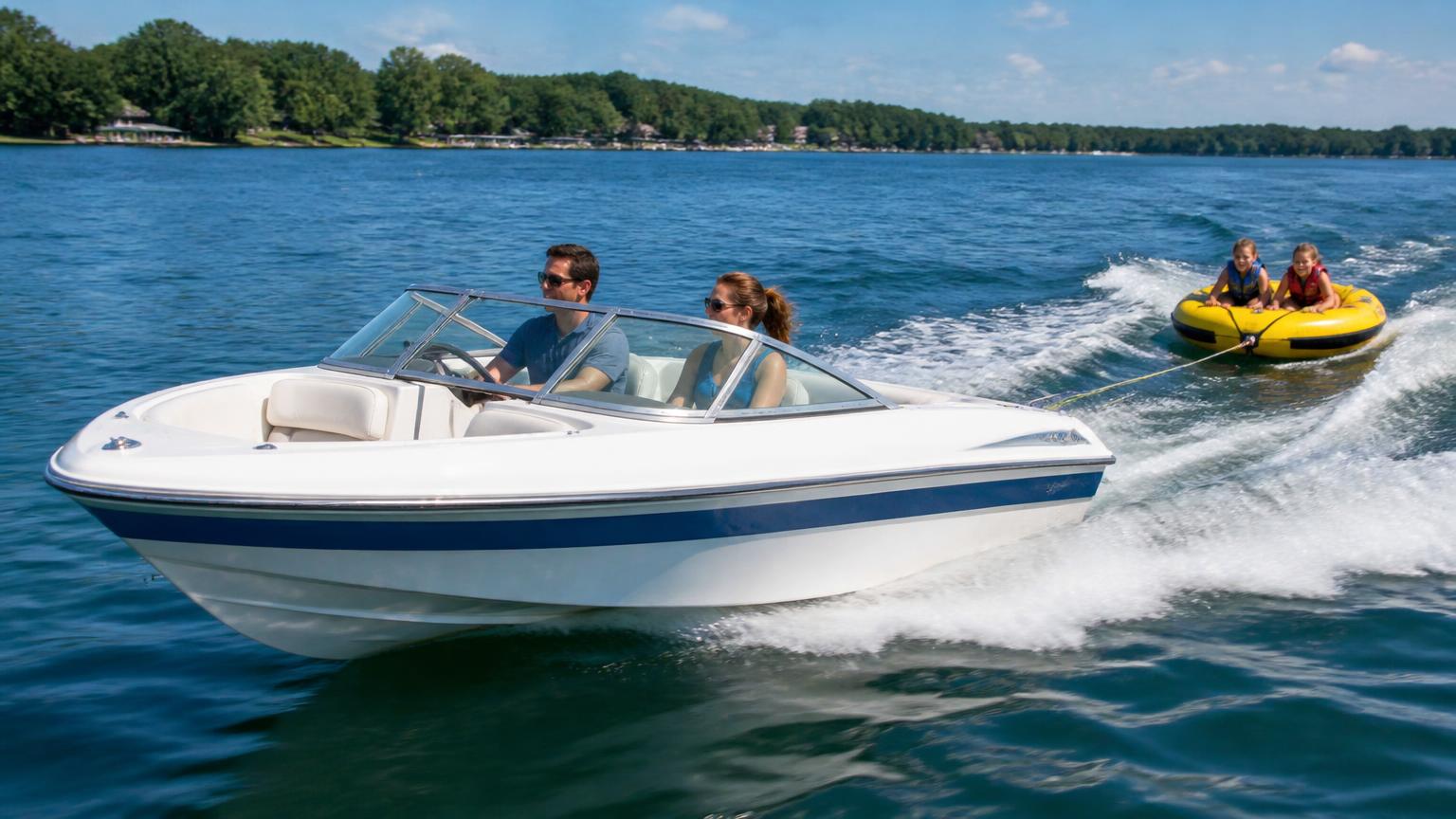
Water skiing, wakeboarding and biscuits
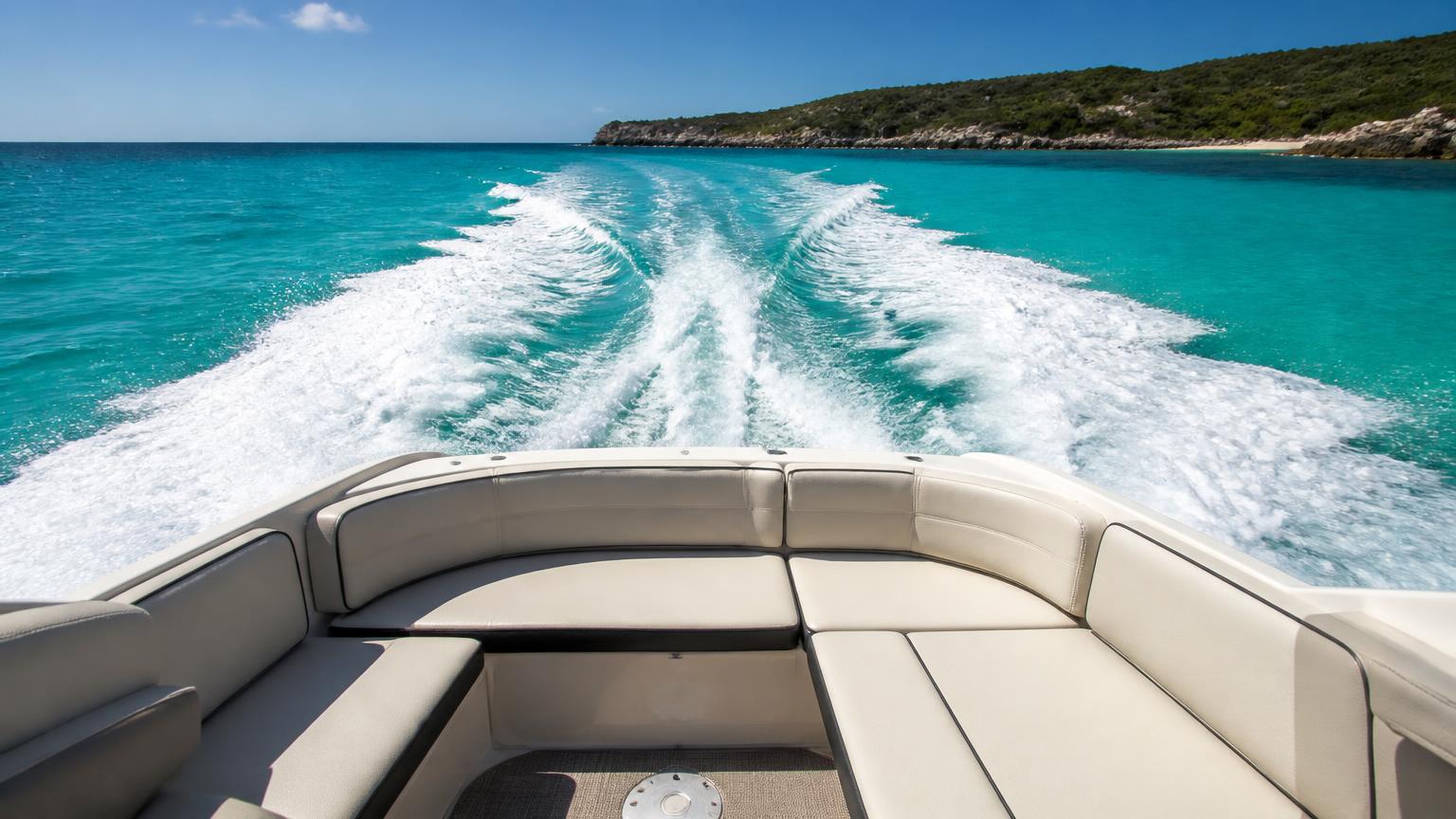
With suitable power, propeller choice and load distribution, the 185 makes an enjoyable recreational ski boat. Its moderate size helps it accelerate onto the plane, and a conventional ski eye or optional tow point handles beginner skiing, kneeboarding and inflatable biscuits. The skipper still needs to match the engine to the crew: a base engine carrying the maximum passenger load will not deliver the same hole shot as a V6 with fewer people aboard.
Wakeboarding asks for a higher tow point and more storage for bulky boards. That demand led naturally to sport packages and tower-equipped variations. The 185 will not produce the carefully shaped surf wave of a purpose-built inboard tow boat, and wakesurfing close to a sterndrive is unsafe. For family-level skiing and wakeboarding at sensible rope lengths, however, it gives owners plenty of fun without sacrificing its cruising manners.
The Flight Series gave the 185 a sportier identity
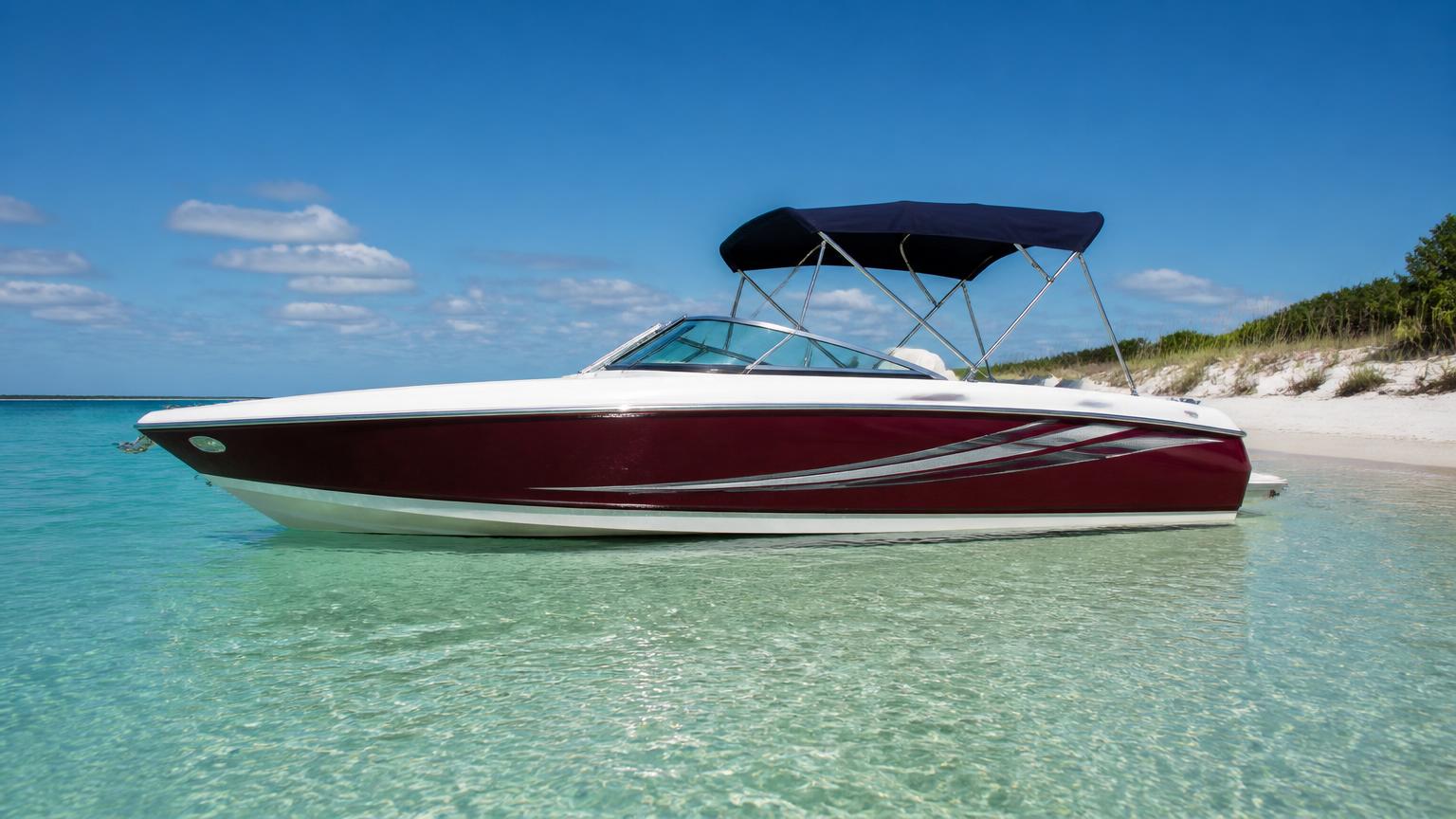
Bayliner reintroduced the Flight package on 175 and 185 bowriders for the 2012 model year, responding to growing interest in social boating and board sports. The defining feature was an aluminium tow tower with an integrated bimini, creating a higher rope attachment for wakeboarding while shading the main cockpit. Later 185 Flight and F-18 examples used more assertive graphics, tower hardware and sport-focused details that made the look and function like a specialised machine.
The Flight Series did not replace the standard 185 formula; it broadened it. Families could still cruise, swim and picnic, but gained a proper setup for boards and the tower provided useful grab points and equipment mounting. Buyers should check a used tower carefully for loose fasteners, stress around mounting points and adequate folding clearance for storage. A sound factory-style installation adds usefulness and storage for wake boards and skis.
From Capri roots to a modern 185 Bowrider
The 185 did not appear from nowhere. It grew from Bayliner’s long-running Capri runabout lineage, a family associated with bringing fibreglass boating to a broad audience from the 1980s onward. In the early 2000s, the 185 Bowrider name represented a refreshed version of that accessible idea: cleaner styling, a recognised open-bow layout and packaged MerCruiser power sold through a large dealer network.
Across model years, dashboards, upholstery patterns, windscreens, graphics and option packages changed. Engine offerings evolved as carburetion gave way to better fuel delivery and emissions requirements reshaped marine power. The related outboard concept also appeared under neighbouring model names such as the 180 Bowrider. Rather than one unchanging specification, the 185 story is a sequence of updates built around a stable ownership brief.
Affordability was designed into the boat
Bayliner kept the 185 accessible by concentrating spending where new owners would notice it: a proper fibreglass hull, usable seating, dependable packaged power and a trailer. Trim was straightforward, the dash was uncomplicated and the options list allowed dealers to build an attractive drive-away package. Buyers were not forced to pay for premium stitching, elaborate digital controls or systems they might never use.
That value strategy had another advantage — a huge used market. A family could buy new at an approachable price, maintain the boat for several seasons and sell to another beginner. Today, older examples remain an inexpensive path into bowrider ownership, but condition varies enormously. A cheap neglected boat with wet structure, tired upholstery and overdue drive work is not better value than a carefully maintained boat at a higher price.
What to inspect when buying a used Bayliner 185
Begin with structure. Walk the cockpit floor and feel for softness, inspect the transom around the sterndrive opening, look inside the bilge for persistent water staining and examine seat bases and fittings for signs of long-term exposure. Older construction can include timber-cored components, so water entering through unsealed hardware or a boat stored uncovered usually has faded paint gelcoat and sunburned faded seat cushions requiring re-upholstery.
Then assess the complete package. Cold-start the engine, check service records, inspect bellows and the drive leg, test trim, steering, gauges, blower, bilge pump and navigation lights, and examine trailer bearings, brakes, tyres, winch and frame. Insist on a water test. The best 185 is not necessarily the newest or most powerful; it is the one with a dry hull, documented maintenance and a trailer that can safely bring the family home.
Why the Bayliner 185 formula still matters
Modern bowriders offer quieter four-stroke outboards, larger displays, cleverer seating and more refined hulls, yet the market still returns to the same fundamentals the 185 balanced so well. A successful first boat must be affordable to buy, easy to tow, straightforward to store, forgiving at the ramp and flexible enough to keep every member of the family interested. Extra technology cannot rescue a boat that fails those tests.
That is the lasting significance of the Bayliner 185. It was not built to win a luxury comparison or dominate one specialised sport. It was built to remove reasons not to go boating. Thousands of visible examples, a deep international used market and generations of owners who learned at its helm show how powerful that simple idea became. The 185 made a day on the water feel achievable — and that is how a family bowrider earns a worldwide reputation.
Sources and further reading
Keep reading
Featured Boat of the Week
Bayliner Bayliner DX2000 — Our Featured Bowrider This Week

This week we are putting the Bayliner Bayliner DX2000 in the spotlight, and it earns the spot. At 20 ft 2 in (6.16 m) long on a 8 ft (2.44 m) beam, this is a bowrider that reads the water well and still feels roomy enough for a full day out. A 20-foot deck-boat-width bowrider with outboard power and a huge social cockpit. Power comes from 115-150 hp mercury fourstroke outboard through a outboard package, and the fibreglass hull keeps the ride settled when the afternoon breeze puts a chop on the surface.
Seating is rated for 8 people, so there is space for family, friends, towels, eskies and the tow rope without anyone climbing over gear. Owners tend to buy it for family, water ski, leisure — which is exactly where it shines. Fuel is 30 us gal (114 l), and on the second-hand and new market you should expect to land somewhere around US$42,000 - US$58,000 new depending on hours, trailer and options.
Our full deep dive covers the layout in detail: bow lounge comfort, helm ergonomics, the rear entertaining area, storage that actually swallows a weekend, plus standard features, popular options and honest notes on where the boat compromises. If the Bayliner DX2000 is on your shortlist, start there — and check back next week, because the featured boat changes every week as we complete more full model reviews.
Featured Bowrider Article
Which Is the Lightest Bowrider Boat ?
Buying Advice
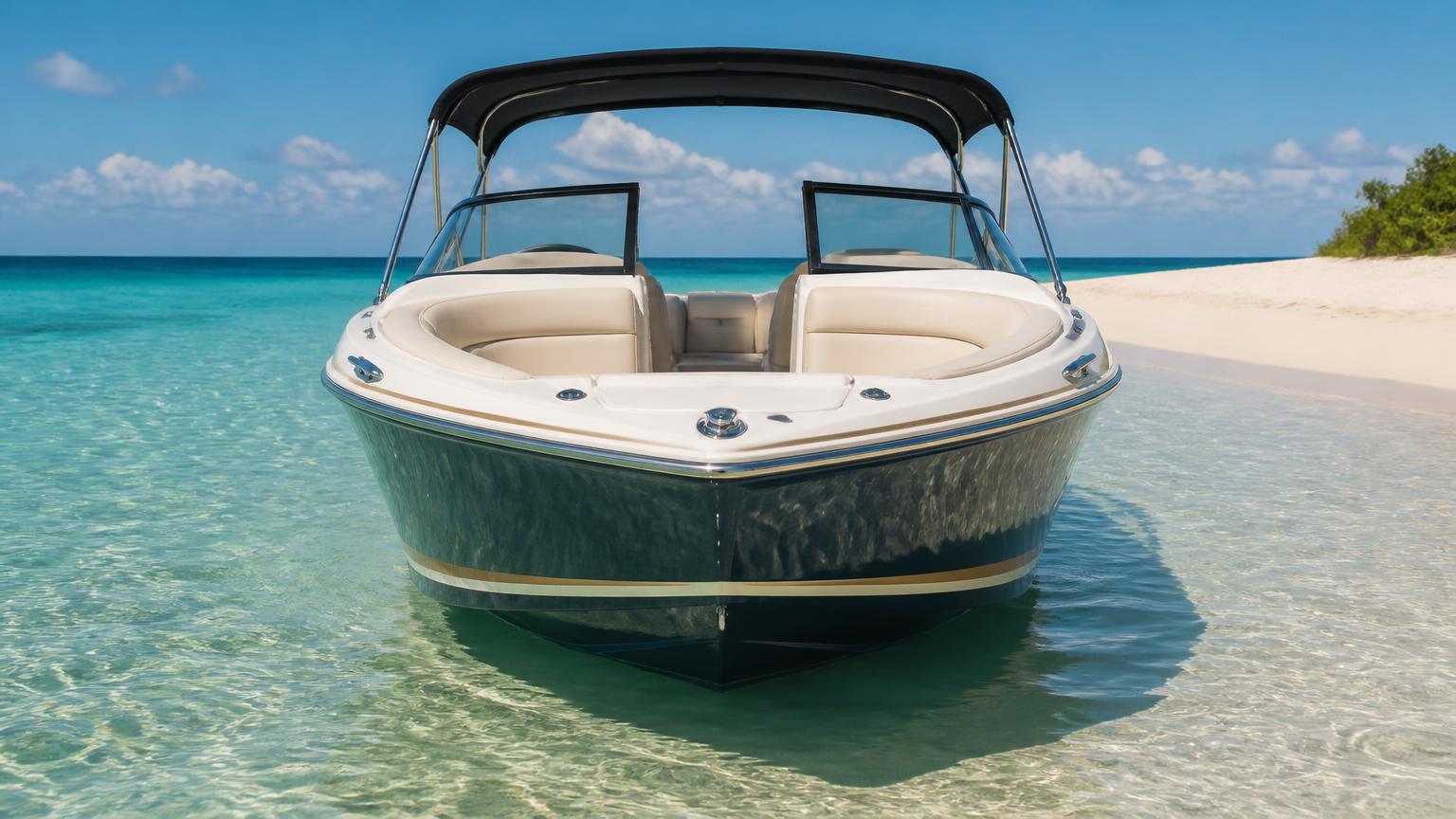
Weight is an Important Factor when choosing a Boat. It determines How Easy it is to Tow, Launch and Retrieve. Hull Mass is also a Primary Indicator of how well the Boat will Ride in Choppy Water and Heavy Seas. Light Hulls like Aluminium Launch easily, Tow behind Regular Vehicles, and cost less to run and maintain. This Article Explores how the lightest Bowriders on the market stack up, and where the Weight actually comes from. It should come as no Surprise the Lightest Bowriders happen to also be the Smallest in Length. Starting in the 16 ft (4.88 m) Class, Pressed and Roll-formed Aluminium Bowriders like the Quintrex 481 are the outright lightweights. A 4.5-4.9 m Aluminium Bowrider with a small outboard typically weighs 350-550 kg (770-1,210 lb) as a bare hull, and 700-900 kg (1,540-1,985 lb) on the trailer with Engine, Fuel, Battery and Gear aboard. Brands built around Aluminium construction include Quintrex, Stacer, Stessco, BlueFin, Razorline, Barcrusher and similar builders in Australia Dominate this band. Lighter does not mean flimsy, and Aluminium construction is not all the same. A compact pressed-Alloy family boat can be remarkably light, while a larger Plate-Aluminium boat with thicker bottom sheets, welded frames, a hard top and…
Read the full article