Menu
Site Menu — Find Your Page
Bowrider Boats Mega Website
On the Water
How to Drive a Bowrider
Bowriders are among the easiest boats to learn on. They plane readily, turn predictably and respond well to trim. Most beginner difficulty happens at the ramp and the dock rather than out on the water, so those are the skills worth practising first.
Launching and getting away
Prepare away from the ramp: fit the drain plug, remove tie-downs, load gear, connect the battery, raise the drive or outboard and lower the cover. Then back down in one steady movement, keeping the tow vehicle's rear wheels out of the water where possible.
Float the boat off with a bow line held, start the engine only once the drive is deep enough for cooling water, then move clear of the ramp before sorting anything else out. Ramp courtesy is simple: everything you can do in the car park, do in the car park.
Planing and using trim
To plane, trim the drive fully down, apply throttle firmly, and hold it as the bow rises and then settles. Once the boat levels out, ease the throttle back to cruise and trim the drive up gradually. You will feel the boat lighten, the rpm rise slightly and the speed increase for the same throttle.
Too much trim makes the bow bounce or the prop ventilate; too little makes the boat plough with the bow low, wet and inefficient. In a chop, trim down a little and slow down — comfort comes from speed and attitude, not from gripping the wheel harder.
Turning, waves and passengers
Bowriders turn cleanly, but weight shifts inside a turn, so warn passengers before changing direction and keep everyone seated. Never allow anyone in the bow at speed or in a chop: that is how water comes aboard and how people get hurt.
Take waves and wakes at an angle rather than square on, and reduce speed before you reach them, not during. Watch your own wake in no-wake zones and around swimmers, moored boats and fishermen — courtesy on the water is mostly throttle management.
Docking, anchoring and retrieving
Approach docks slowly, always into wind or current where possible, and use short bursts of throttle in and out of gear rather than continuous power. Prepare lines and fenders early, and remember that a boat pivots around its middle, so the stern swings out when you turn.
To anchor, motor slowly upwind of your spot, lower the anchor as you drift back, and pay out at least four to five times the water depth in rope before setting it gently astern. When retrieving, drive on carefully, winch the last stretch, and pull clear of the ramp before packing up. A season of practice makes all of this automatic — and the boat easier to use than you expect.
Keep reading
Buying Advice
Choosing Your First Bowrider Boat
Ownership
Bowrider Accessories Worth Buying
On the Water
Can You Take a Bowrider Offshore?
On the Water
Which Bowrider Is Best for Fishing?
On the Water
Which Bowriders Make the Best Day Boats?
On the Water
The Best Bowriders for Wake and Water Ski
On the Water
Bowrider Seating and Layout Explained
On the Water
Best Bowrider Boats for Overnight Camping
Featured Boat of the Week
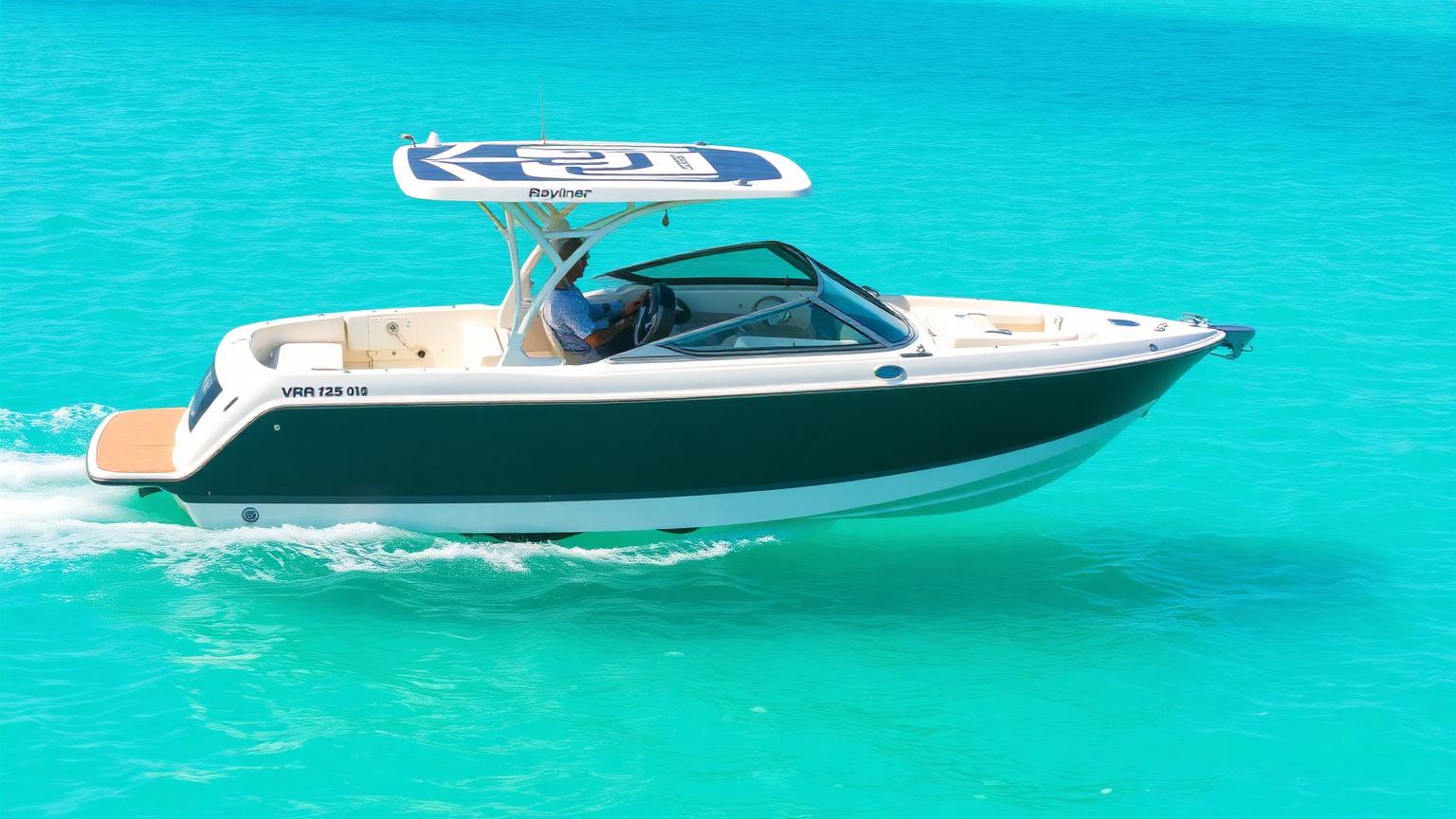
Bayliner Bayliner DX2000 — Our Featured Bowrider This Week

This week we are putting the Bayliner Bayliner DX2000 in the spotlight, and it earns the spot. At 20 ft 2 in (6.16 m) long on a 8 ft (2.44 m) beam, this is a bowrider that reads the water well and still feels roomy enough for a full day out. A 20-foot deck-boat-width bowrider with outboard power and a huge social cockpit. Power comes from 115-150 hp mercury fourstroke outboard through a outboard package, and the fibreglass hull keeps the ride settled when the afternoon breeze puts a chop on the surface.
Seating is rated for 8 people, so there is space for family, friends, towels, eskies and the tow rope without anyone climbing over gear. Owners tend to buy it for family, water ski, leisure — which is exactly where it shines. Fuel is 30 us gal (114 l), and on the second-hand and new market you should expect to land somewhere around US$42,000 - US$58,000 new depending on hours, trailer and options.
Our full deep dive covers the layout in detail: bow lounge comfort, helm ergonomics, the rear entertaining area, storage that actually swallows a weekend, plus standard features, popular options and honest notes on where the boat compromises. If the Bayliner DX2000 is on your shortlist, start there — and check back next week, because the featured boat changes every week as we complete more full model reviews.
Featured Bowrider Article
Should I Buy a Stern Drive Bowrider?
Engines & Drives
Stern drives — sometimes called inboard/outboards or I/Os — powered the bowrider boom for forty years. Today the market is shifting hard towards outboards, which leaves buyers asking whether a sterndrive is a bargain or a liability. The honest answer is that it depends entirely on how and where you boat. The engine sits under the rear sun pad inside the hull, with only the drive leg outside. That layout produces a clean transom, an uninterrupted swim platform and a quiet, low centre of gravity. For families who swim, board and lounge off the back of the boat, a sterndrive transom is genuinely nicer to live with. Weight distribution helps the ride too. A few hundred kilograms of iron sitting low and forward of the transom keeps the hull settled in a chop and reduces the porpoising that light, transom-heavy boats can suffer. Sterndrive bowriders also tend to hold a plane at lower speeds, which matters for water skiers. There is also value. A well-kept sterndrive bowrider often costs 20-30 per cent less than an equivalent outboard model of the same age, simply because of market fashion. Servicing is the main penalty. Bellows, gimbal bearings, U-joints, drive lubricant, anodes and the transom seal all need…
Read the full article