Menu
Site Menu — Find Your Page
Bowrider Boats Mega Website
Boat Stories
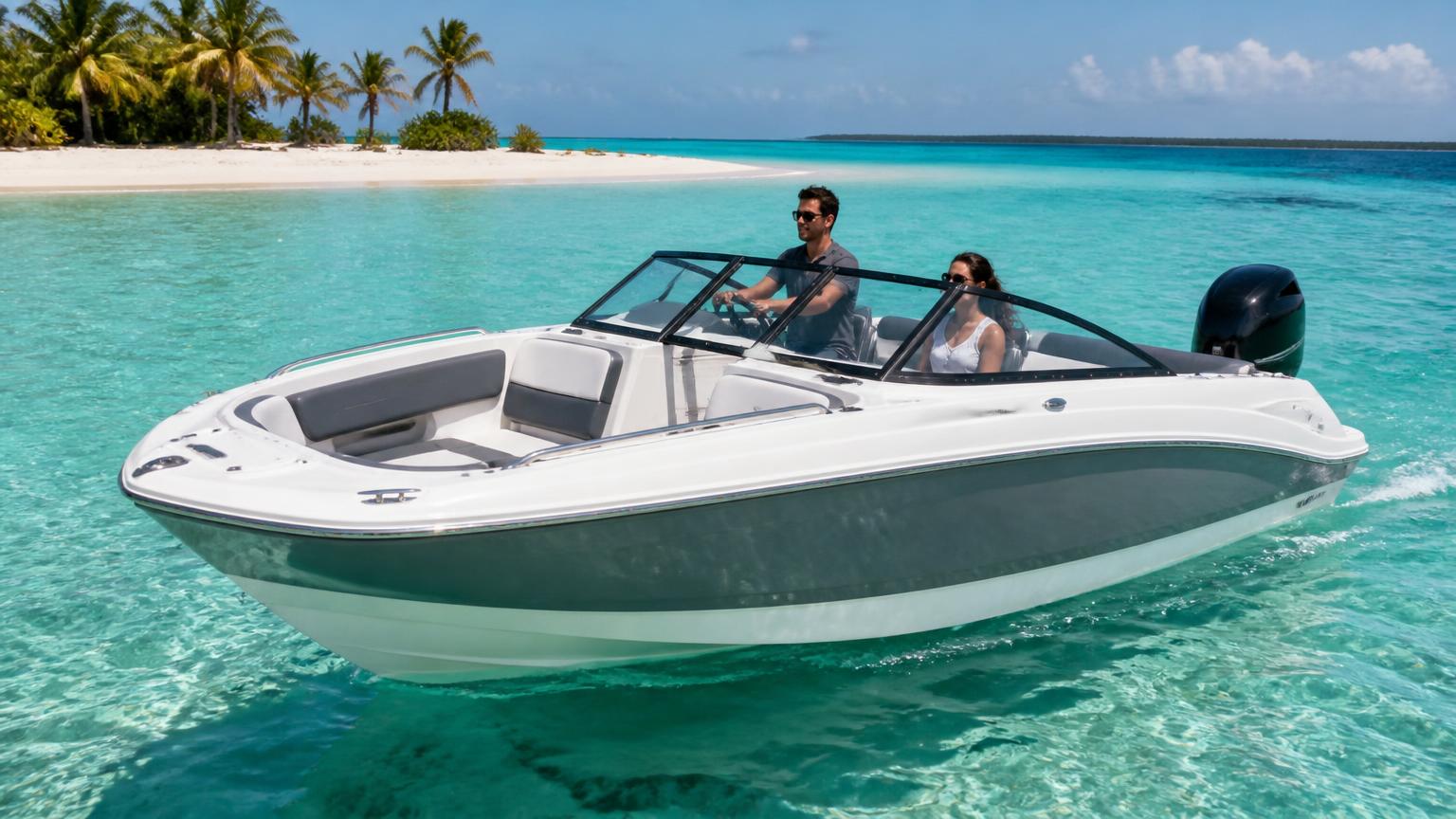
New VR5 Bayliner is Fast Becoming the Worlds Most Popular Bowrider Model Boat to Buy
The Bayliner 185 helped make family bowrider ownership achievable; the newer Bayliner VR5 takes that accessible idea into a more spacious and versatile generation. Its wider forward layout, clever aft packaging, convertible seating, abundant storage and choice of modern outboard power answer what today’s families expect from one trailerable boat. This is how the VR5 picked up where the 185 left off — and why it is becoming such a familiar choice at ramps, beaches and family boating destinations.
New Generation "Bayliner VR5" takes over from the Bayliner 185
The Bayliner 185 earned its reputation by keeping boating simple. It was affordable, easy to understand, compact enough to tow and capable of cruising, swimming, fishing and pulling tow toys. When Bayliner introduced the VR5 for the 2016 model year it reworked the basic family-bowrider formula around the way owners actually use a modern day boat: more people moving between seating zones, more equipment carried aboard and more time spent socialising at anchor.
That makes the VR5 a logical successor using its Interior layout with more functionality. Its bow stays wider further forward, its cockpit stretches wider and its seats perform more than one job having convertibility that makes many functions for the Bowrider Capabilities. The result feels like a meaningful generational step forward even though the boat remains manageable on a trailer and easy to Launch and Retrieve for most novice and entry level boaters.
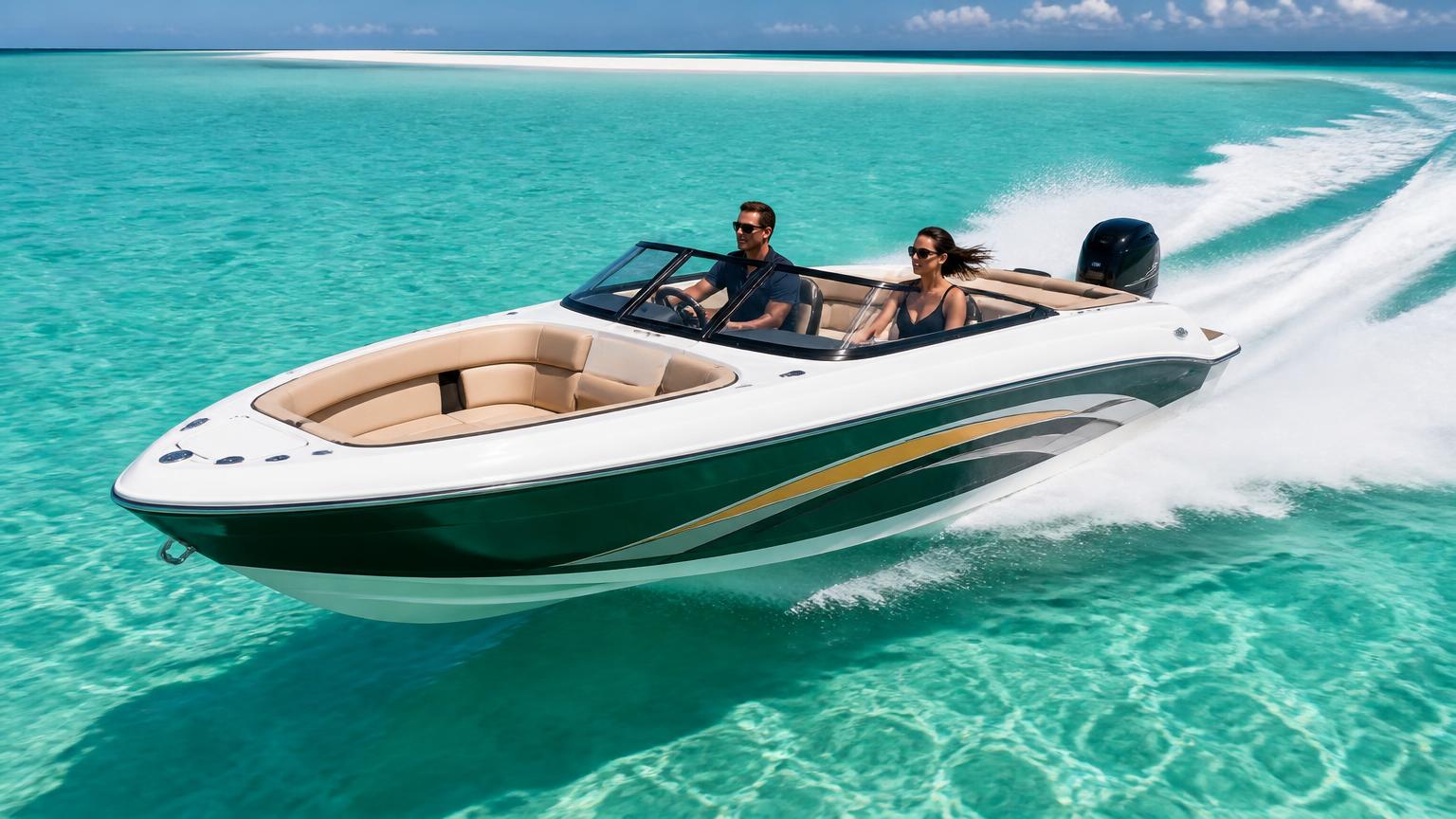
Fast Becoming the Worlds Most Popular Bowrider .. Bayliner VR5
The Bayliner VR5 appears widely in dealer stock, owner groups and used-boat listings.The VR5 retains the approachable price and operating brief while addressing the old boats’ limitations. It is offered through an established network, accepts mainstream Mercury power and sits near 20 feet, where room, towing weight, storage and cost often meet. Those ingredients give a model every opportunity to become a volume favourite and time will unfold the sales story.
Whable price and operating brief while addressing the old boats’ limitations. It is offered through an established network, accepts mainstream Mercury power and sits near 20 feet, where room, towing weight, storage and cost often meet. Those ingredients give a model every opportunity to become a volume favourite without requiring an exaggerated sales statistic.
Forward Design makes the Bow Area more Useable
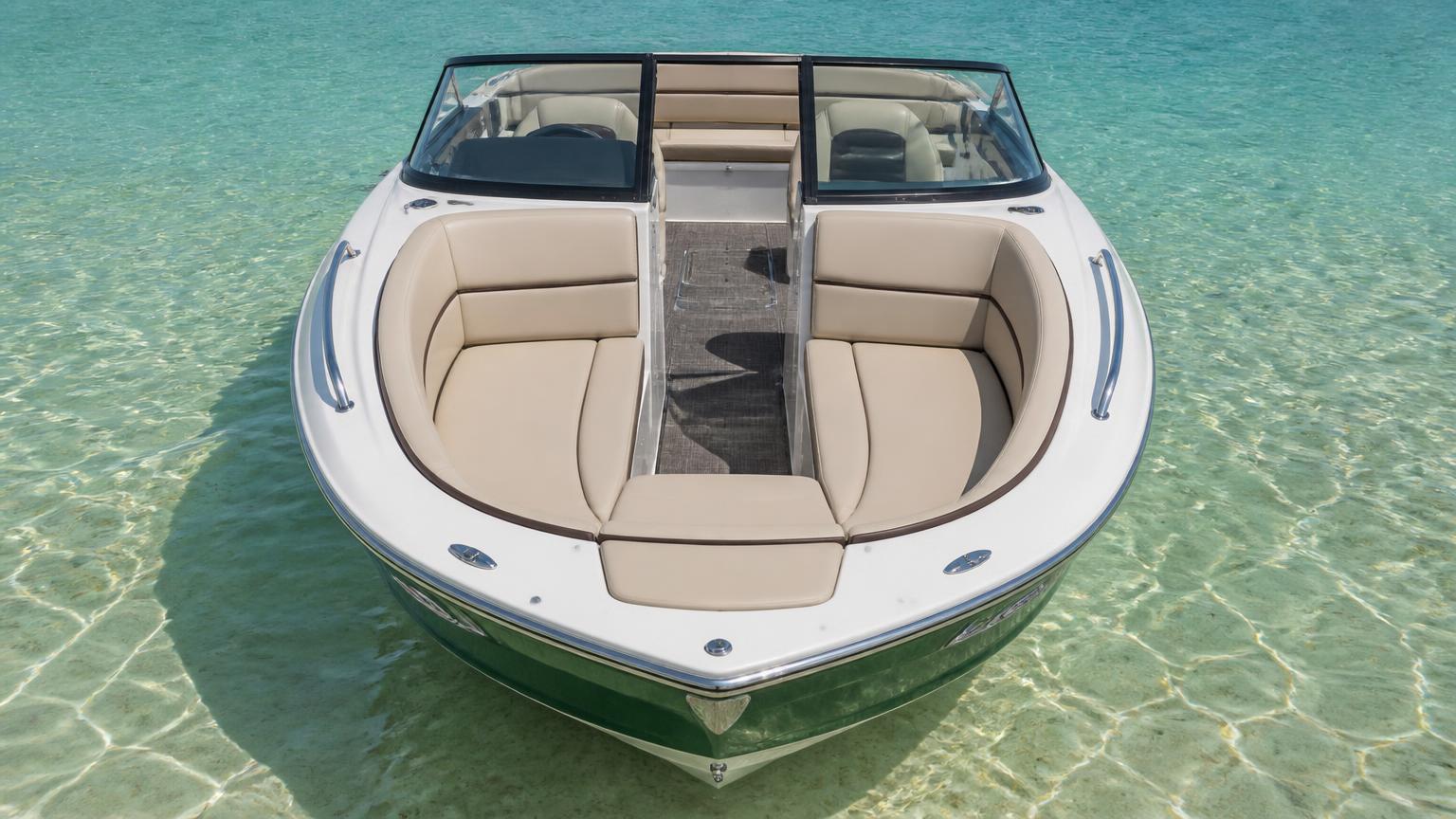
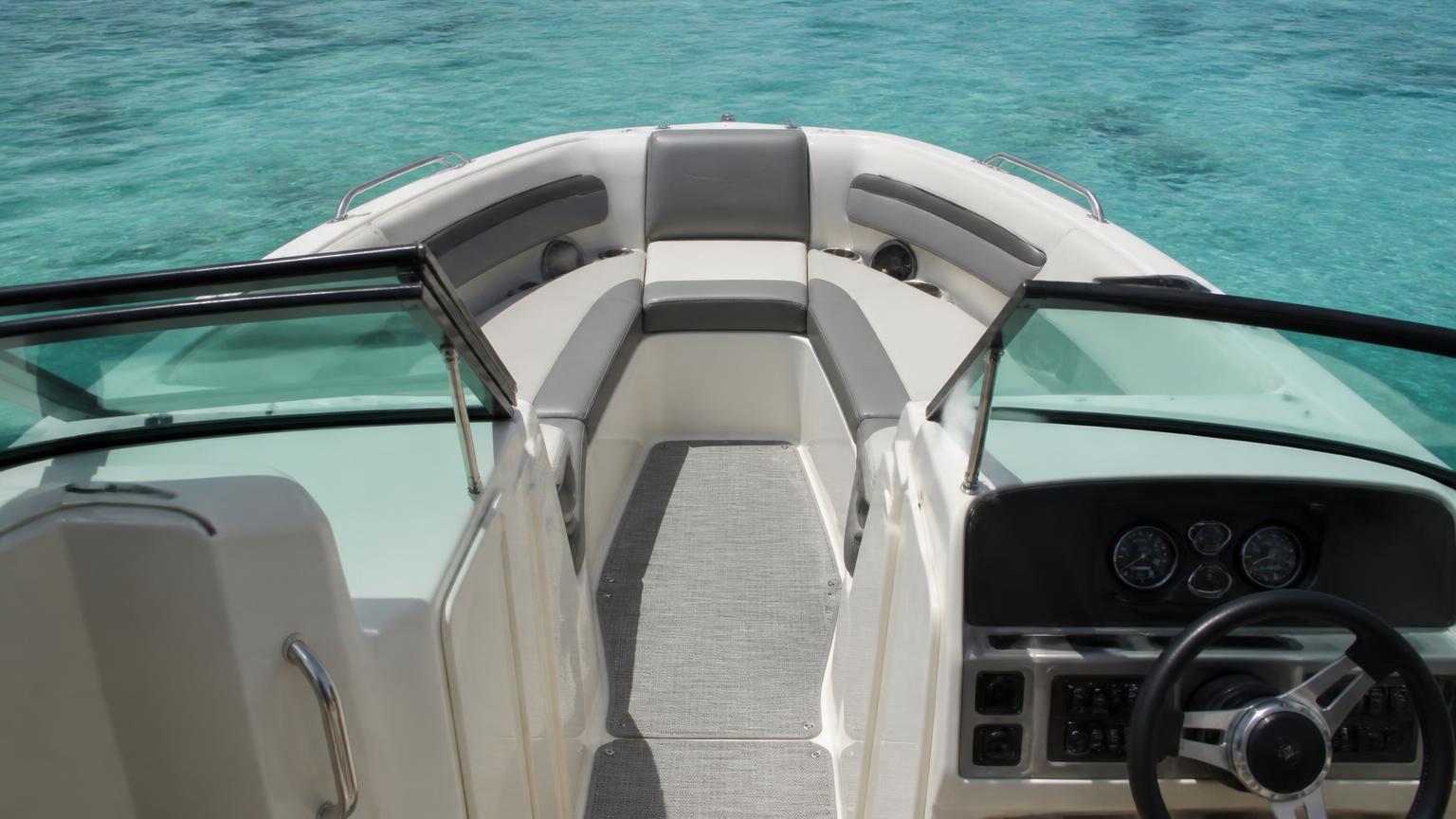
Traditional bowriders narrow rapidly toward the stem, so the forward seats can become footwells with cushions attached. Bayliner’s Beam-Forward Design carries more of the boat’s beam into the forward third of the hull. The VR5 therefore gives its bow passengers broader backrests, better shoulder room and useful space between opposing lounges. Adults can sit forward while the deeper sides and properly positioned grab points create a more secure seating zone underway.
The improvement is especially obvious beside an older 185. Both boats have an open bow and a walk-through windscreen, but the VR5 uses shape rather than extra overall length to create living space. Storage beneath the bow cushions absorbs lifejackets, towels and dock lines; a filler cushion can turn the centre walkway into a larger lounging surface; speakers and cup holders are integrated where passengers can reach them. Together they make the bow the Favourite place to be
Middle Seating Advantage - More Room in the Lounges
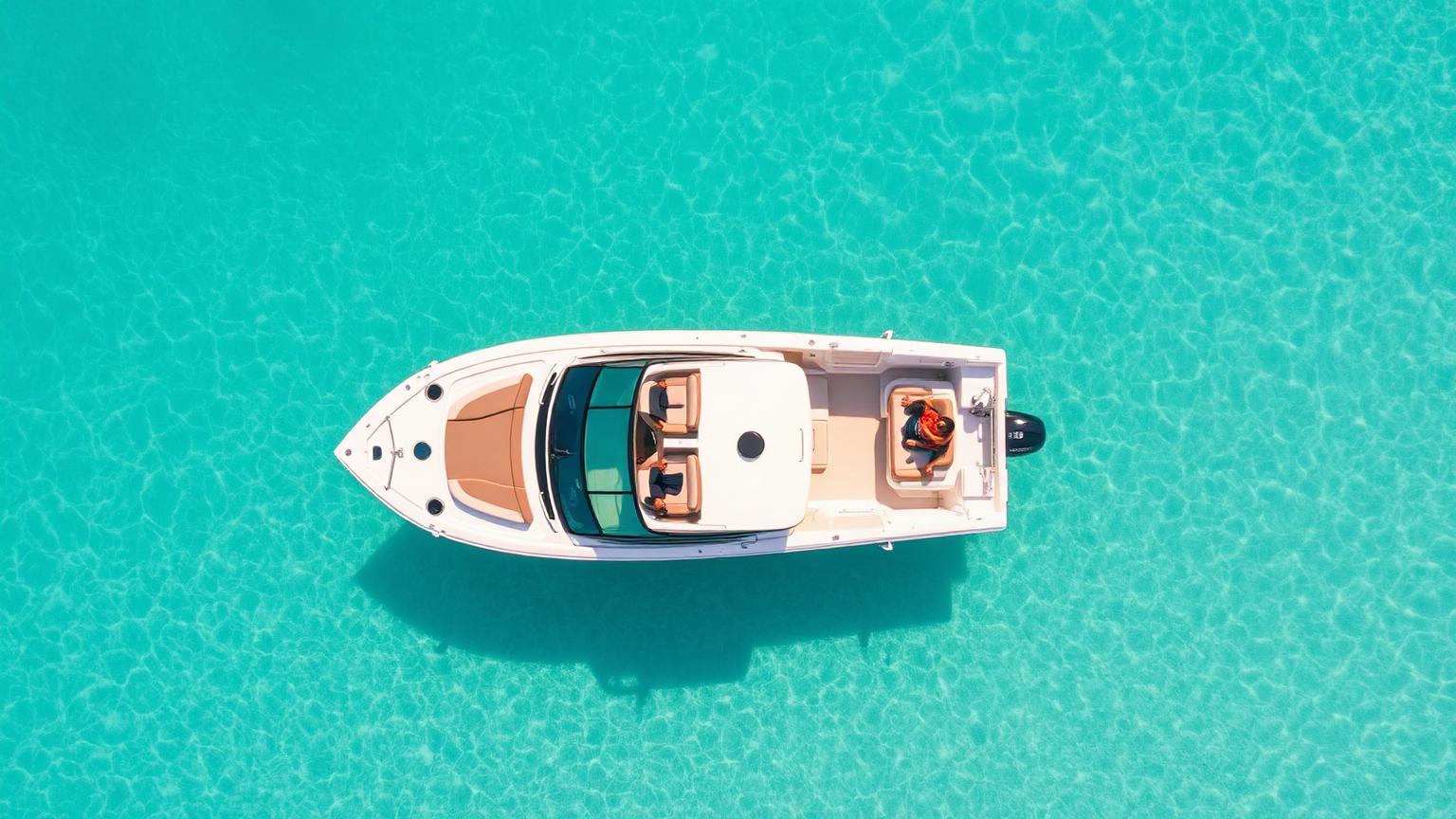
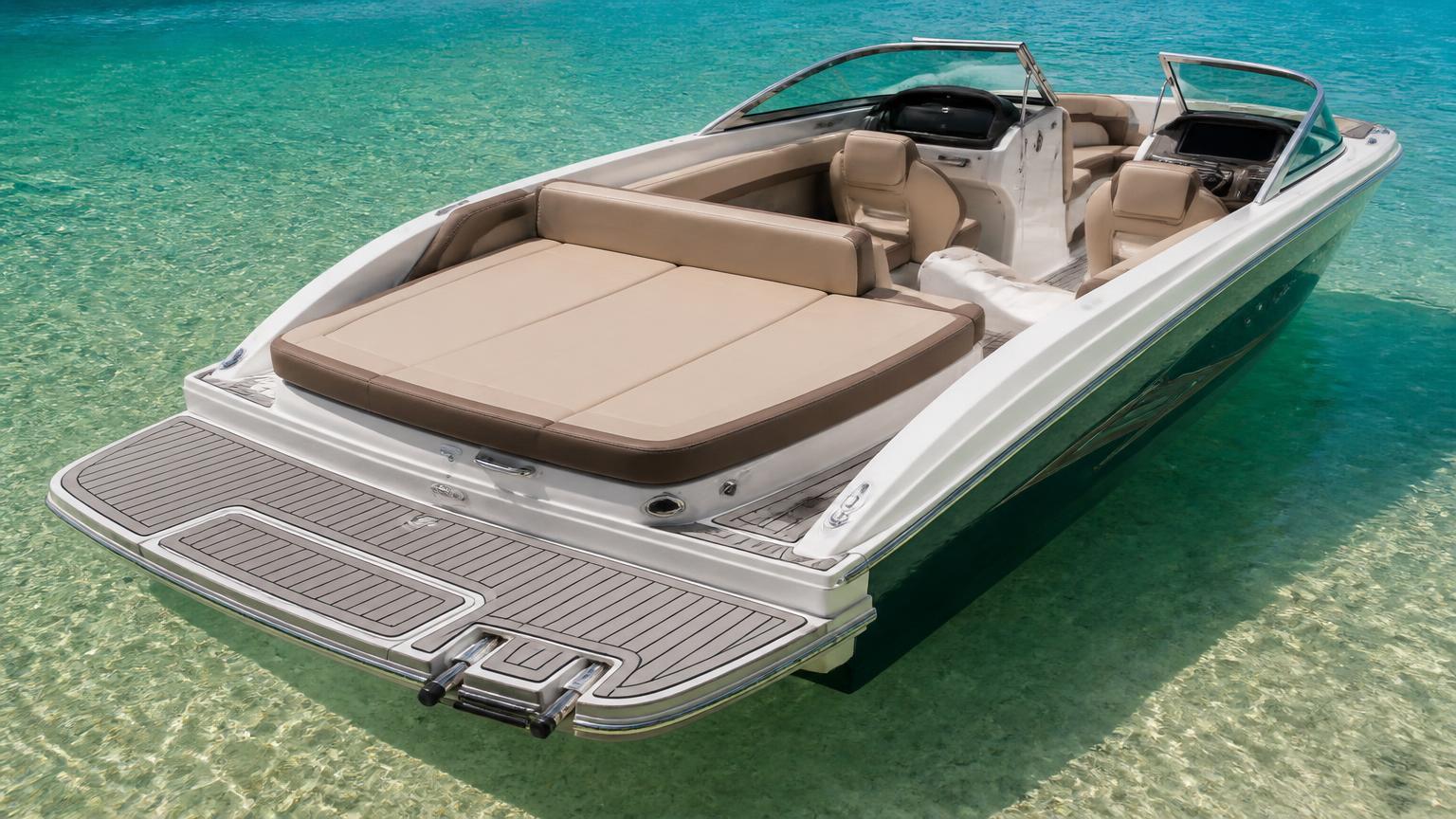
At the Middle and Rear Lounge Area Bayliner calls its space-making approach. The interior are arranged to become more usable, while the swim platform extends beyond the hull structure rather than consuming the quoted living area. Resulting in larger useable area usually associated with larger boats. The design principle is visible: the VR5 gives a large proportion of its overall length to useable space and lounge seating and storage options
For a family, that extra usable floor matters a lot. It gives the driver more space lets a passenger pass without everyone standing up and leaves room for bags and a removable cooler without blocking the walkway. The Bow and Bench becomes more accessible while adults remain seated. At anchor, the cockpit becomes one connected conversation area. The 185 delivered enough room for a day out; the VR5 is designed to make that same day feel less crowded when equipped.
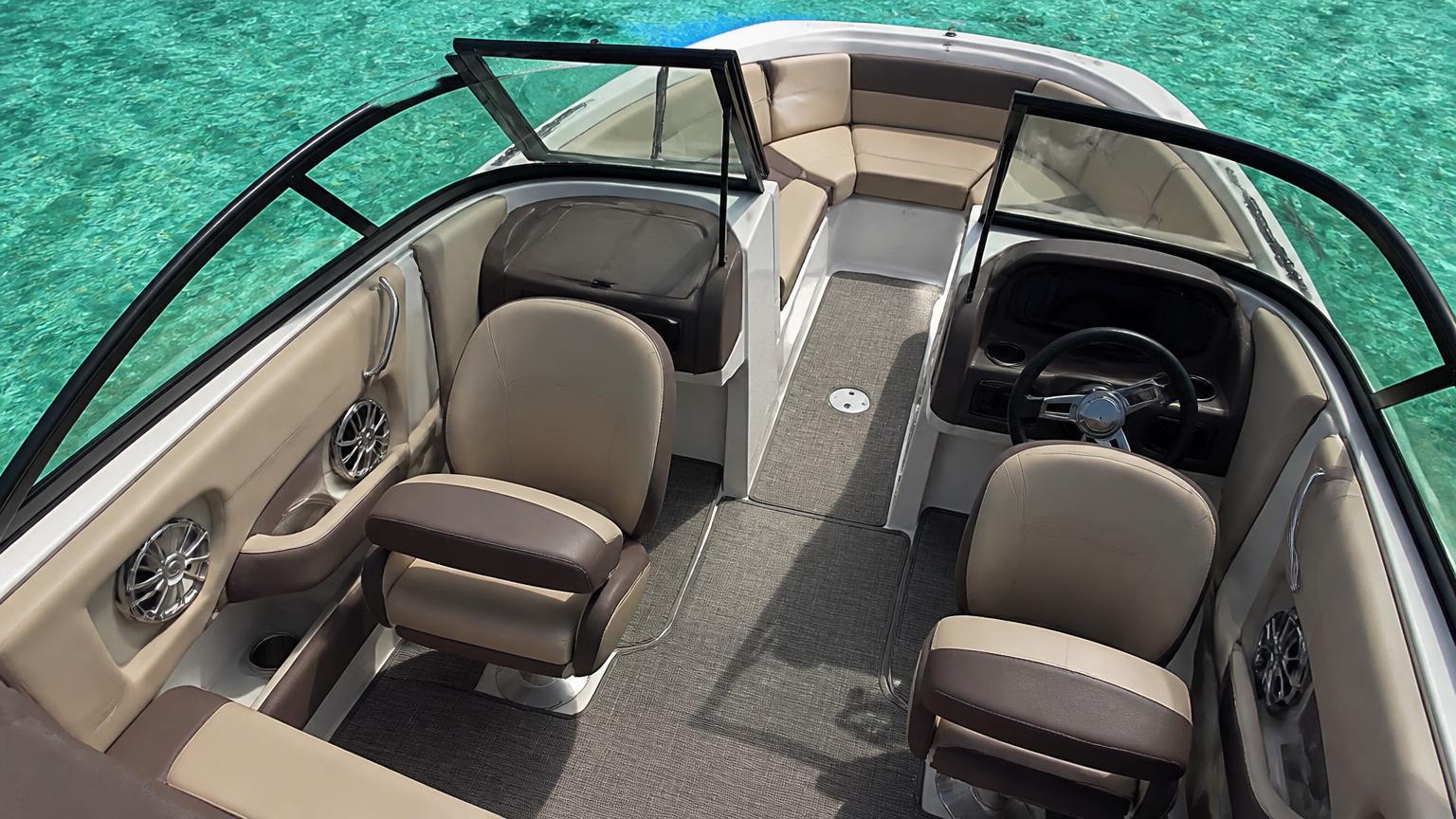
Bayliner VR5 Convertible Seating that Changes with the day's Activities
The Bayliners VR5’s modernity is most evident in the seating optionality that are not locked to one purpose. Depending on year and specification, the companion seating can change orientation so a passenger faces forward while cruising or turns to the cockpit at rest. The rear bench and sun-pad arrangement supports upright travel, lounging and access to the water. Bow filler cushions can create a broad relaxation area. A removable cockpit table can turn the centre of the boat into a place for lunch without permanently surrendering floor space.
This flexibility suits real family routines. Early in the morning, everybody faces forward and loose equipment is secured. At the beach, backrests and cushions create social lounges. When somebody swims, the aft area becomes a staging point for towels and fins. For tow sports, the observer can face the rider while ropes and jackets stay close by. The older 185 could perform all these jobs, but owners often rearranged portable gear around fixed seating. The VR5 makes conversion part of the intended layout, so changing activities feels quicker and more organised.
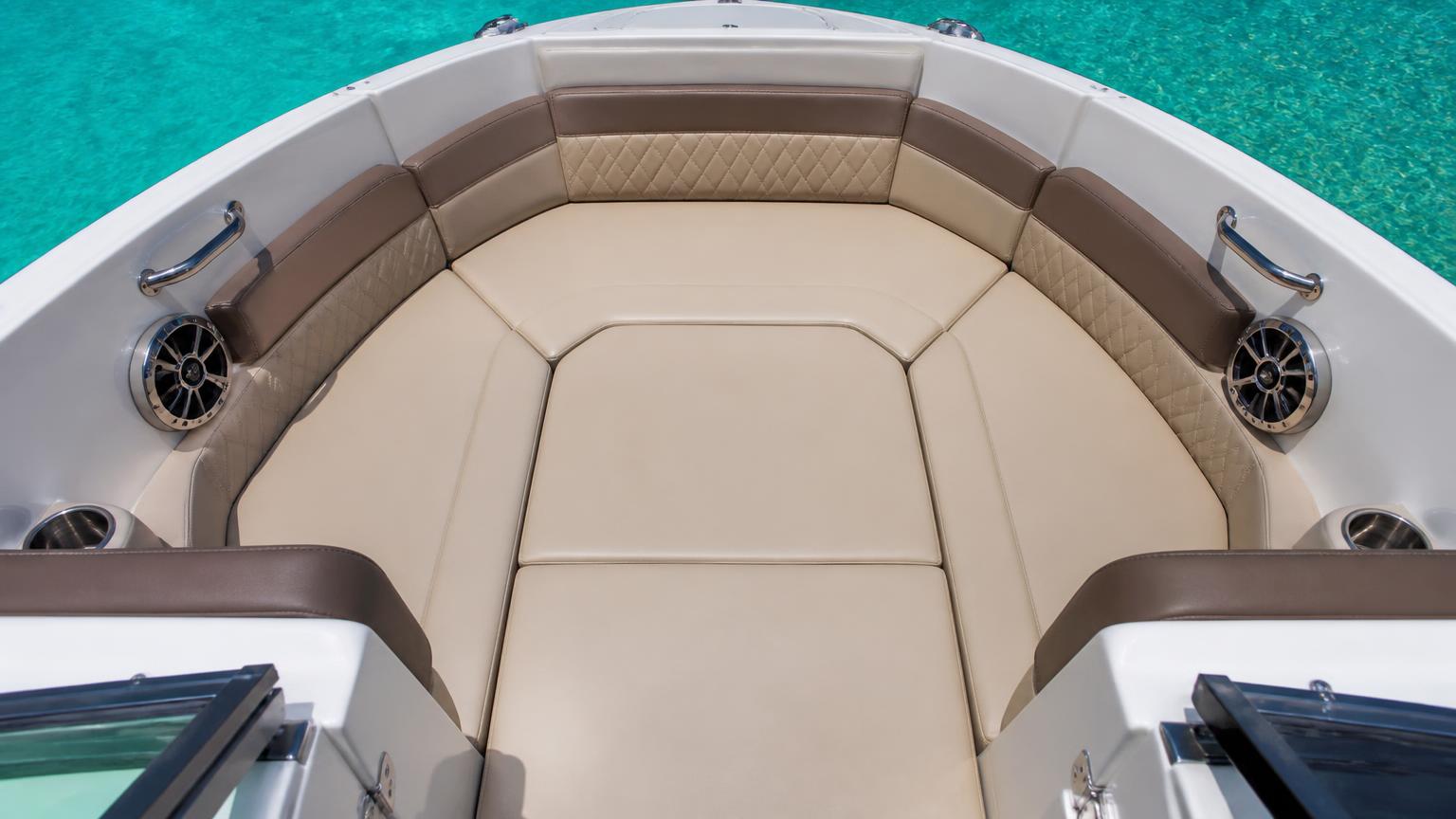
Bayliner VR5 = Storage is Designed around Family usefulness
A boat feels small when its equipment has nowhere to go. Bayliner uses the VR5’s increased interior volume beneath bow lounges, cockpit seats and aft structures, with dedicated spaces varying by version and option package. Long items such as skis, boards go underneath the floor. Smaller compartments keep ropes, fenders and safety equipment. An Esky cooler can be stowed in the accessible locations and removed for unloading at home when finished
Storage also improves safety and ownership satisfaction. Lifejackets are easier to reach when they have a known locker. Covers, tables and filler cushions are huge improvements over older bowriders The VR5 recognises that practicality is the most important part of boating that makes a day out on the water fun and easy.
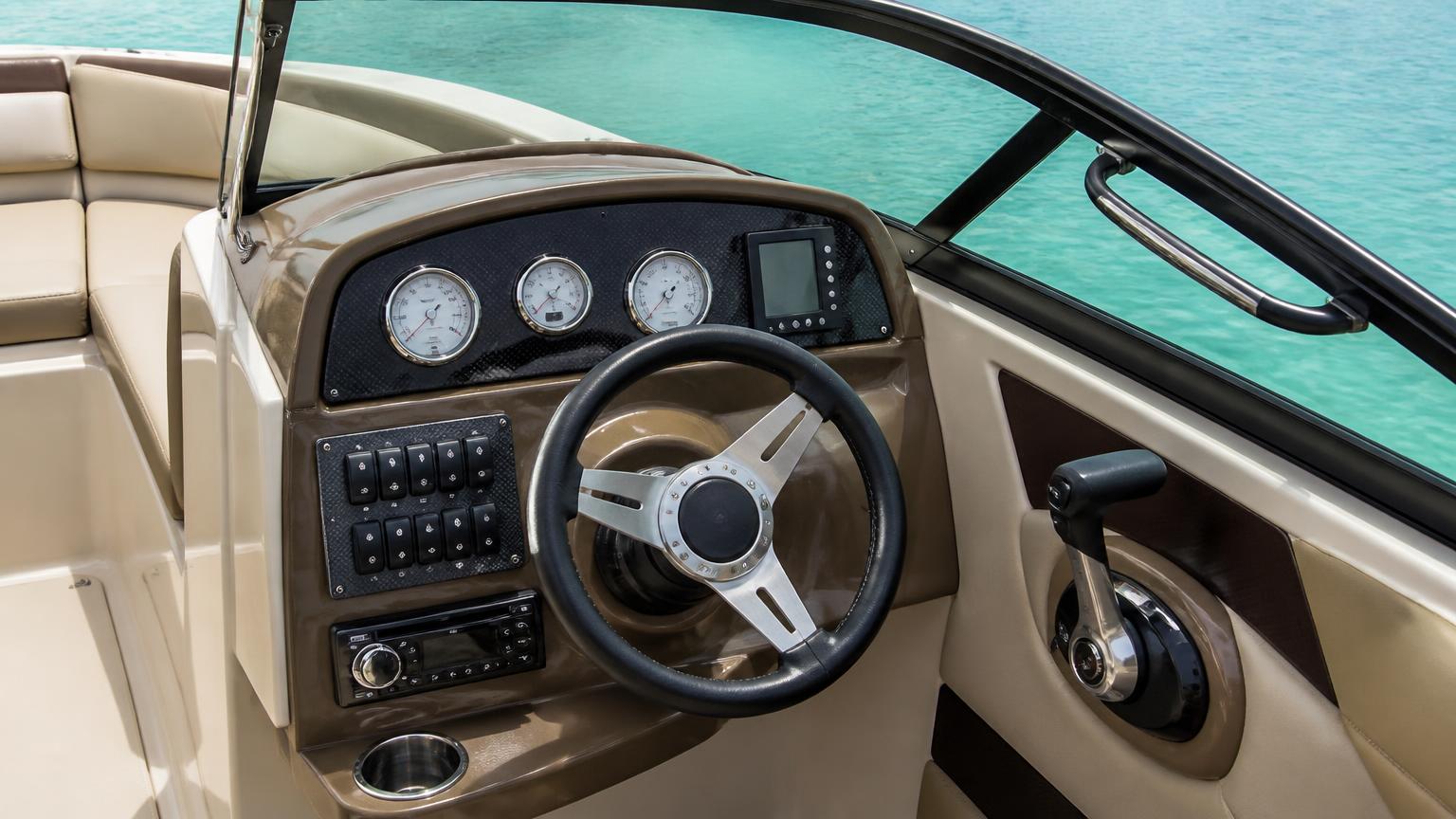
Bayliner VR5 Bowrider Boat = A cleaner helm with familiar controls
The Bayliner VR5 Bow Rider New Helm bridges traditional simplicity and current electronics. Instruments and multifunction displays a familiar wheel and logically grouped switches. Modern engine data and an optional chart display can reduce the separate gauges and add navigation information without turning the dash into a Space Shuttle cockpit. The windscreen gives protection while the opening Centre Access preserves direct access to the bow.
The Throttle, Steering Wheel, Engine Trim, Switches for Bilge pump, Blower and Navigation Lights remain easy to identify. At the same time, current four-stroke engine monitoring can show fuel use, range and service information more precisely than an old analogue installation. The VR5 feels newer at the wheel, but it preserves the straightforward character
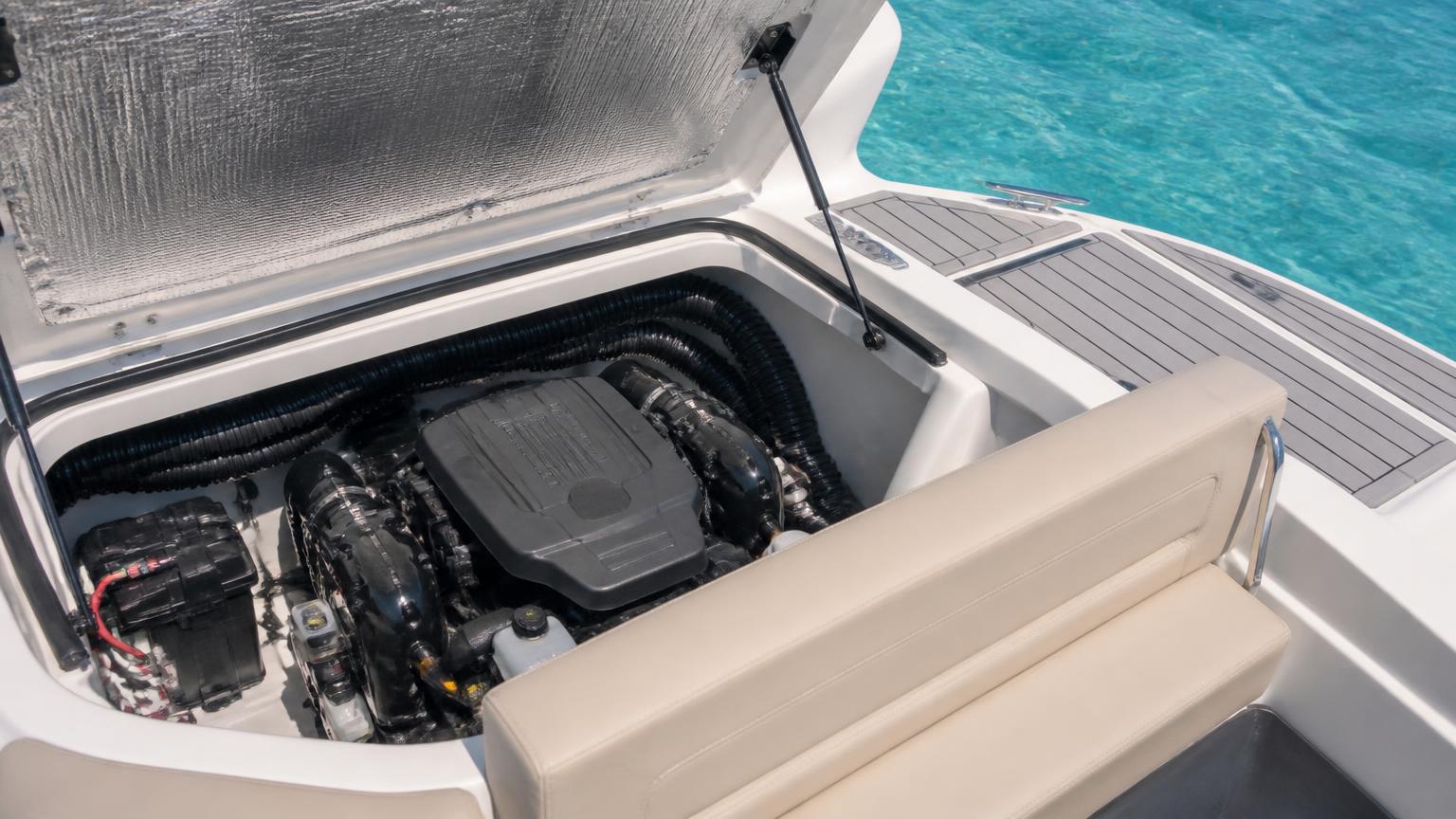
From Bayliner 185 Sterndrive to Bayliner VR5 Outboard Engine Future
The VR5 story captures the propulsion transition occurring across the bowrider market. The Traditional sterndrive power and has now Transitioned to Outboard OB Design. It places weight low in the hull and can deliver strong acceleration. For freshwater owners with trusted servicing, that package remains a valid choice rather than obsolete technology.
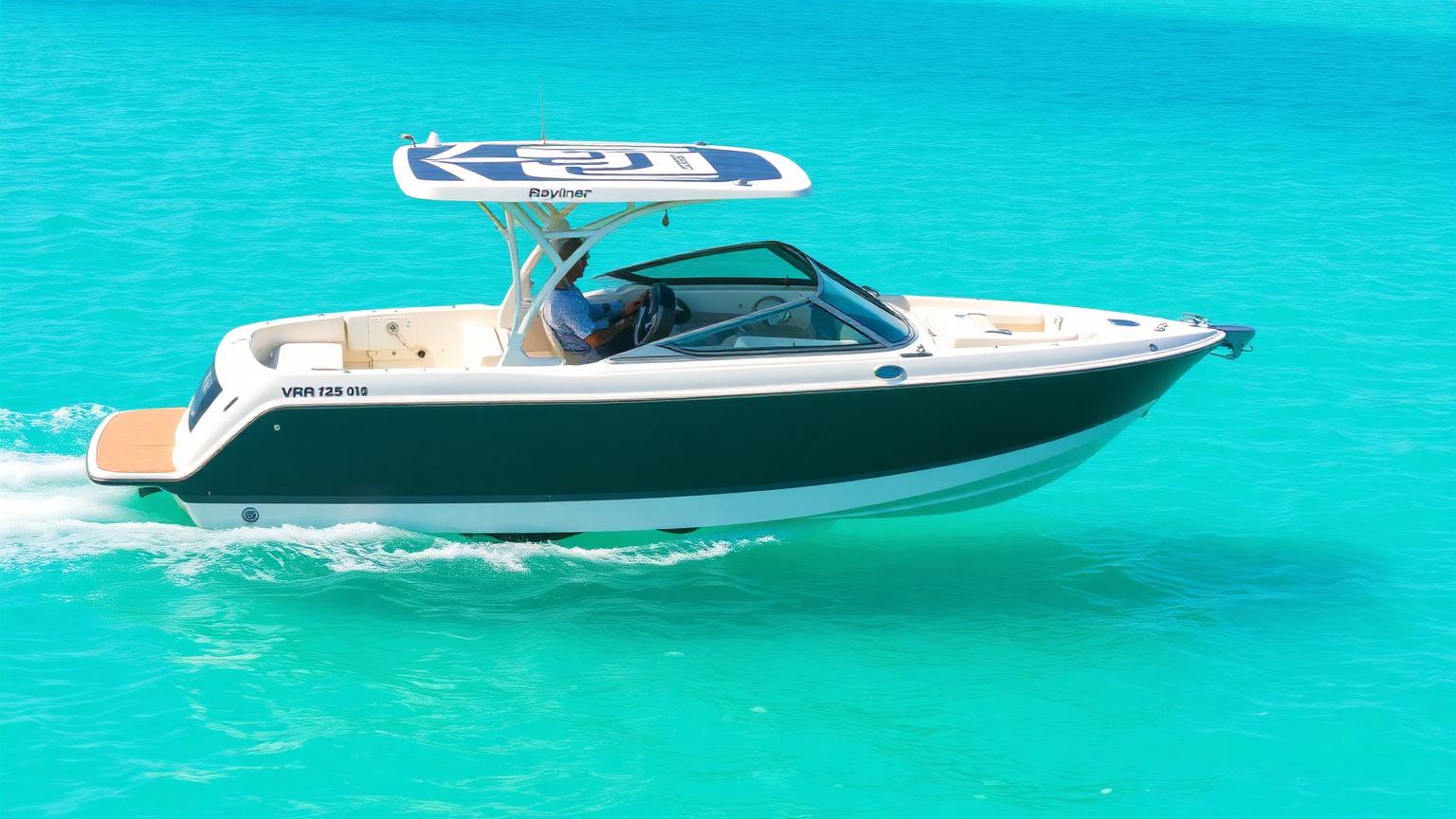
The outboard VR5 increasingly represents the direction buyers favour. Moving the engine outside the cockpit opens internal volume, makes routine service points accessible beneath a removable cowling and allows the gearcase to tilt clear of the water. It removes the universal-joint bellows and large articulated transom opening associated with an I/O system. Our full feature, Why Boat Builders Have Moved Away From Stern Drives to Outboards, explains this industry shift in detail, including four-stroke development, corrosion exposure, service access, repowering and resale.
Why Modern 4-Stroke Outboards suit the New VR5 Bayliner
The older technology Bowriders needed an inboard engine for horsepower. New Technology 4-Stroke outboards have become Quieter, Cleaner and More powerful. The VR5 outboard is commonly paired with mainstream Mercury four-stroke power in the 115-to-150-horsepower range, subject to year and market. A 150 hp package gives useful acceleration for a loaded crew and recreational towing without placing an oversized engine in the boat. Electronic fuel injection makes starting routine, and modern charging and diagnostics support the electrical equipment families now carry.
Reliability and Servicing is the Big Advantage of Outboard Engines. An owner can tilt the motor, inspect the propeller and gearcase, check for fishing line and flush the cooling system after saltwater use. A technician can access the powerhead without climbing into a cramped engine bay. Years later, a compatible outboard can be replaced without rebuilding an internal compartment. Those qualities make the complete VR5 package easier to understand, maintain and eventually sell.
The Bayliner VR5 = One boat for Cruising, Fishing and Wake Boarding
Like the Bayliner 185 before it, the Bayliner VR5 succeeds because it does not force a family to choose one activity. The stable cockpit and broad seating zones suit relaxed cruising. Bow lounges become front-row seats, conversion creates space for sunbathing at anchor. A boarding ladder and swim-platform areas make water access manageable. With an appropriate tow point and power package, the same boat can pull skis, wakeboards, kneeboards and inflatable biscuits.
Fishing is possible too, particularly as an occasional family activity. Remove or protect loose cushions, stow a compact tackle bag and use the open bow. The VR5 is not a purpose-built offshore fishing boat and it is not a dedicated wake machine, however the VR5’s value lies in changing roles from one outing to the next ..

Why the Bayliners VR5 formula is likely to Succeed
The VR5 occupies the same ownership sweet spot that made the Bayliner 185 so influential. It is large enough to provide three distinct social zones, yet compact enough for trailer boating. It offers modern comfort without requiring a cabin, multiple engines or complex onboard systems. Buyers can understand the layout in minutes, children and grandparents can find secure seats, and a couple can still launch and retrieve it with practice. Price and tow weight vary by engine, trailer and options, so every buyer must verify the complete package rather than relying on a brochure figure.
The Bayliner 185 lowered the barriers to owning a fibreglass family boat. The Bayliner VR5 lowers the compromises: less wasted bow space, a longer-feeling cockpit, seating that adapts, storage for the equipment people actually bring and an outboard path aligned with modern service and resale expectations. Calling it the world’s most popular remains an editorial description rather than an audited crown, but the reasons for its broad appeal are visible everywhere aboard. The VR5 does not reinvent family boating; it makes the proven formula work better for a new generation.
Sources and further reading
Featured Boat of the Week
Bayliner Bayliner DX2000 — Our Featured Bowrider This Week

This week we are putting the Bayliner Bayliner DX2000 in the spotlight, and it earns the spot. At 20 ft 2 in (6.16 m) long on a 8 ft (2.44 m) beam, this is a bowrider that reads the water well and still feels roomy enough for a full day out. A 20-foot deck-boat-width bowrider with outboard power and a huge social cockpit. Power comes from 115-150 hp mercury fourstroke outboard through a outboard package, and the fibreglass hull keeps the ride settled when the afternoon breeze puts a chop on the surface.
Seating is rated for 8 people, so there is space for family, friends, towels, eskies and the tow rope without anyone climbing over gear. Owners tend to buy it for family, water ski, leisure — which is exactly where it shines. Fuel is 30 us gal (114 l), and on the second-hand and new market you should expect to land somewhere around US$42,000 - US$58,000 new depending on hours, trailer and options.
Our full deep dive covers the layout in detail: bow lounge comfort, helm ergonomics, the rear entertaining area, storage that actually swallows a weekend, plus standard features, popular options and honest notes on where the boat compromises. If the Bayliner DX2000 is on your shortlist, start there — and check back next week, because the featured boat changes every week as we complete more full model reviews.
Featured Bowrider Article
New VR5 Bayliner is Fast Becoming the Worlds Most Popular Bowrider Model Boat to Buy
Boat Stories
The Bayliner 185 helped make family bowrider ownership achievable; the newer Bayliner VR5 takes that accessible idea into a more spacious and versatile generation. Its wider forward layout, clever aft packaging, convertible seating, abundant storage and choice of modern outboard power answer what today’s families expect from one trailerable boat. This is how the VR5 picked up where the 185 left off — and why it is becoming such a familiar choice at ramps, beaches and family boating destinations. The Bayliner 185 earned its reputation by keeping boating simple. It was affordable, easy to understand, compact enough to tow and capable of cruising, swimming, fishing and pulling tow toys. When Bayliner introduced the VR5 for the 2016 model year it reworked the basic family-bowrider formula around the way owners actually use a modern day boat: more people moving between seating zones, more equipment carried aboard and more time spent socialising at anchor. That makes the VR5 a logical successor using its Interior layout with more functionality. Its bow stays wider further forward, its cockpit stretches wider and its seats perform more than one job having convertibility that makes many functions for the Bowrider Capabilities. The result feels like a meaningful generational step forward even though…
Read the full article