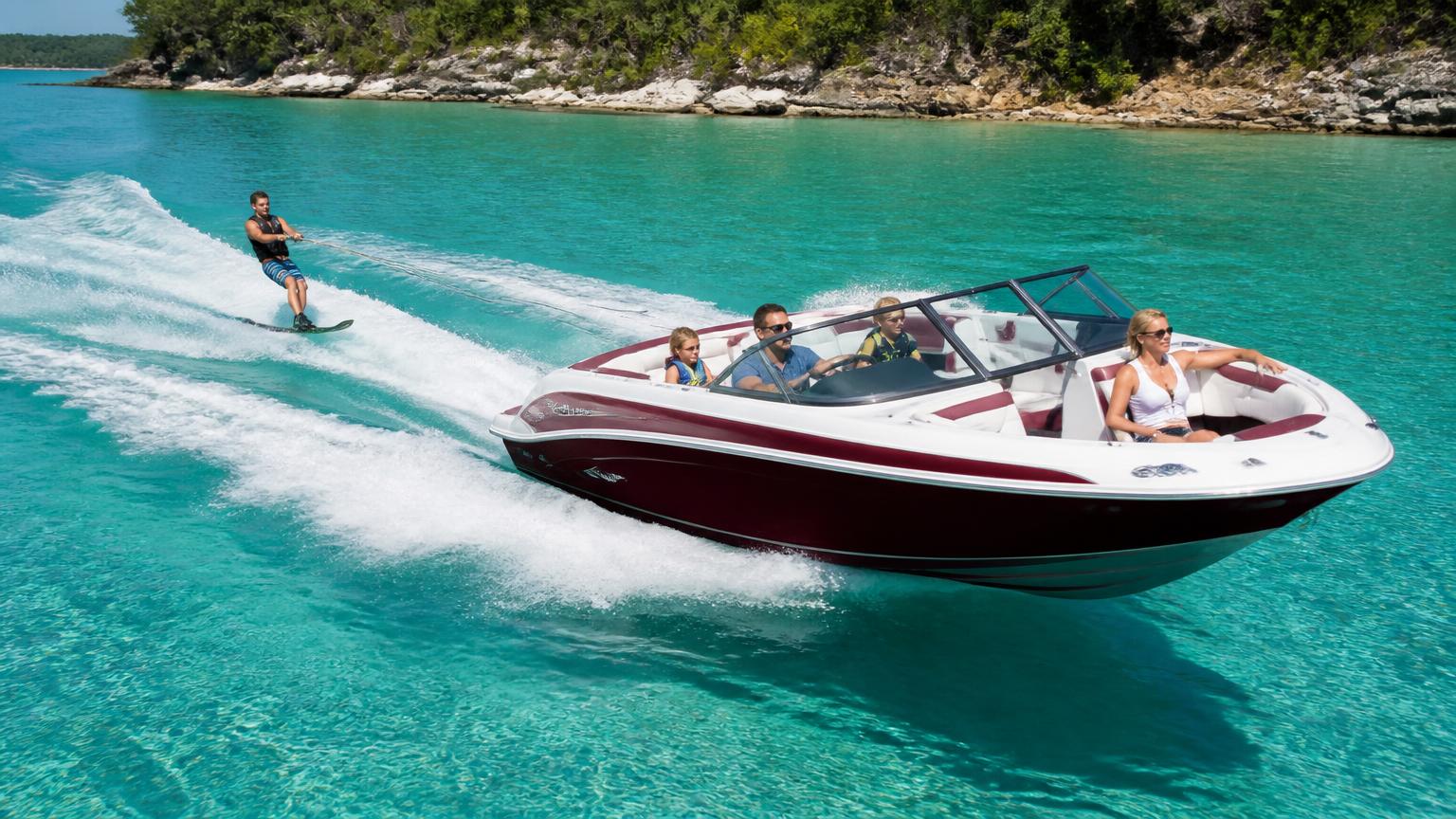
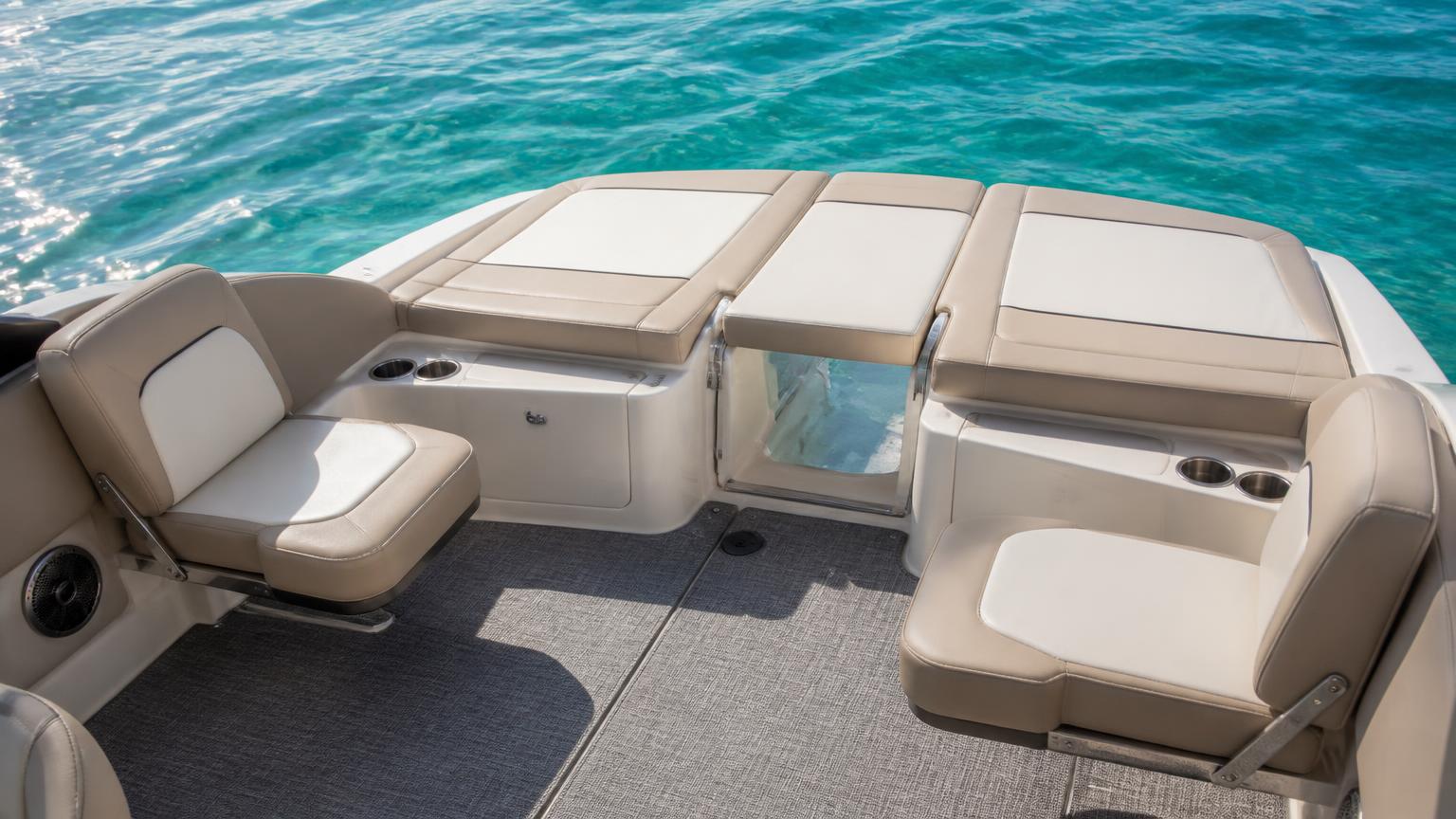
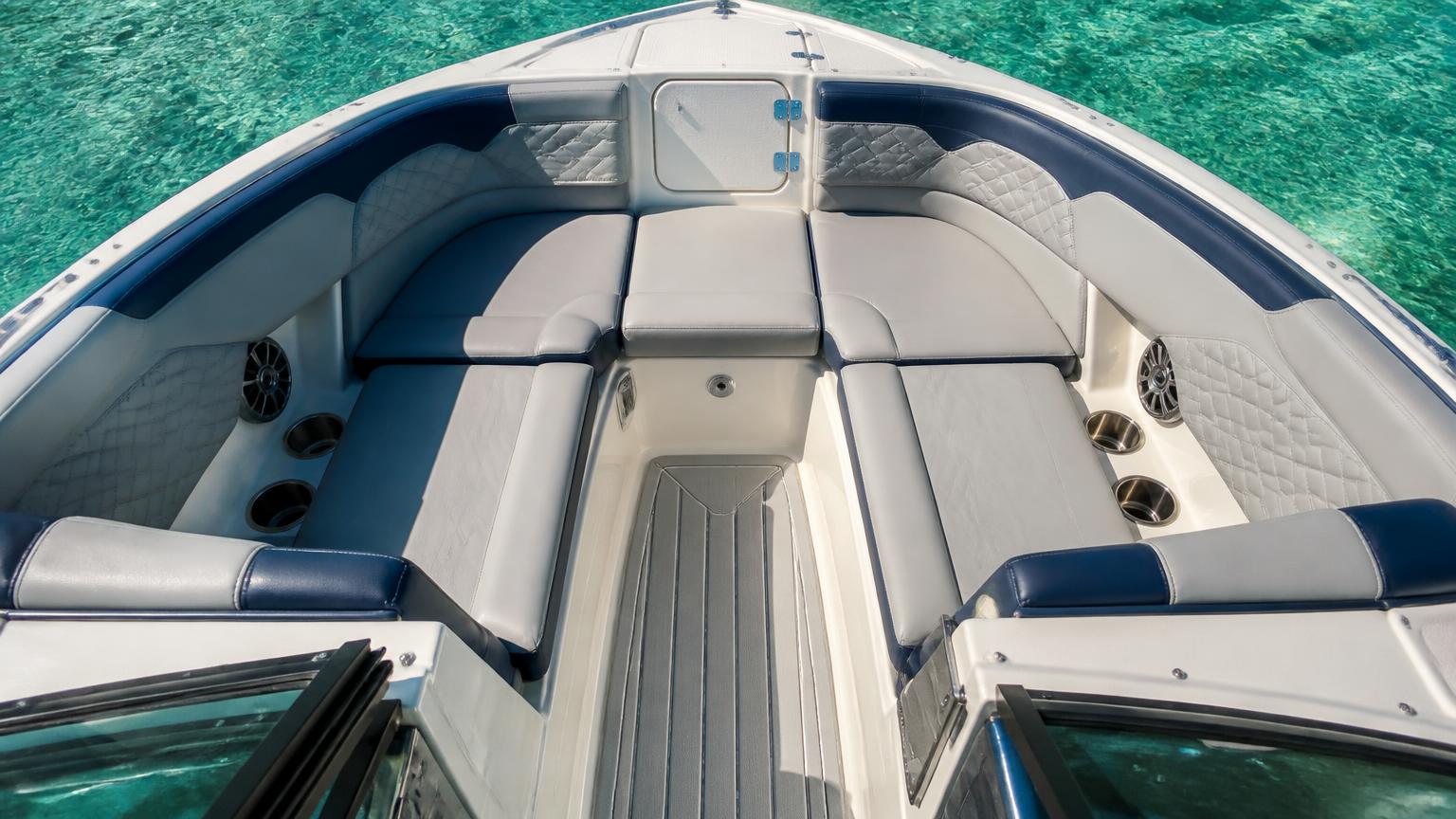
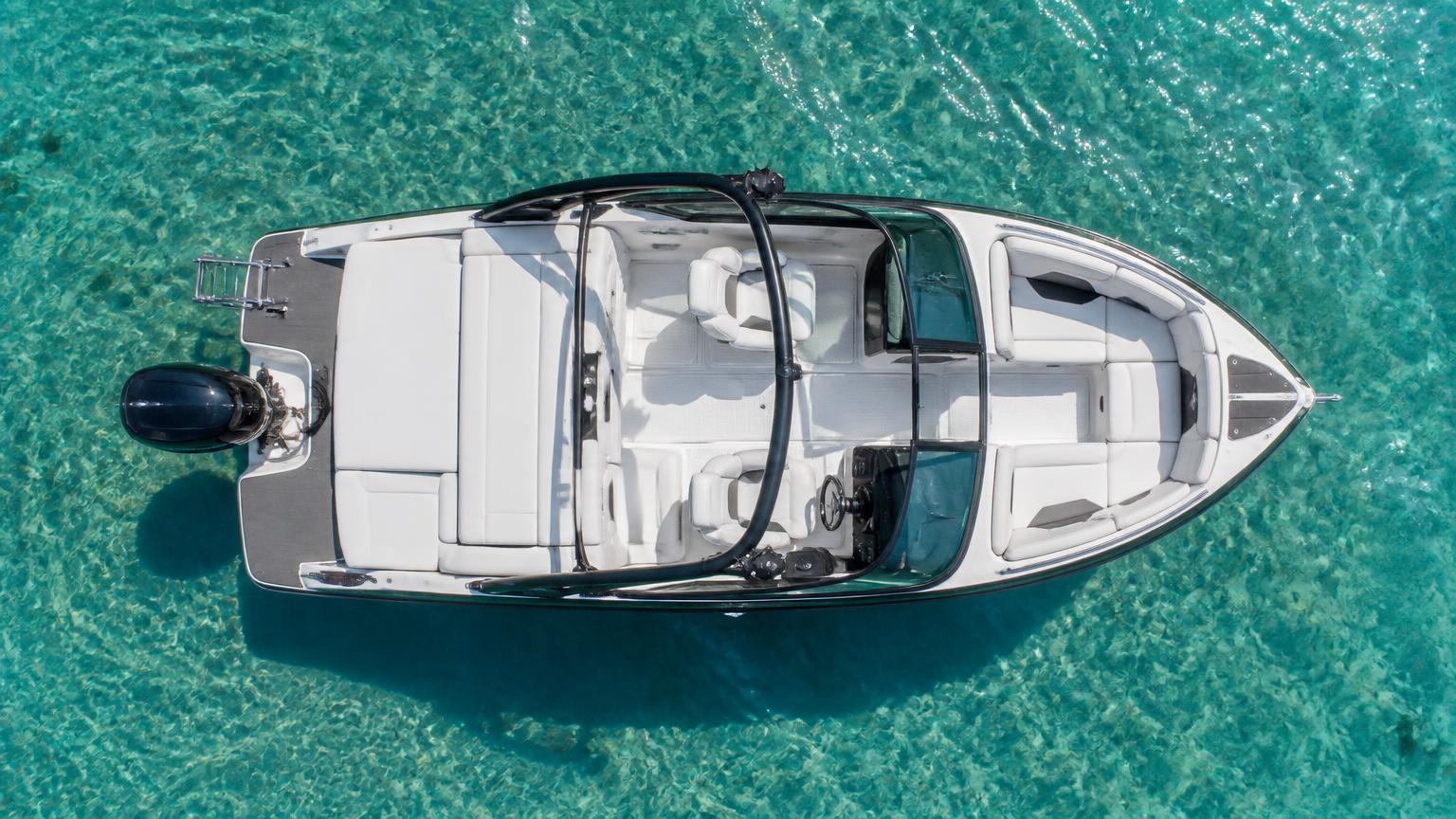
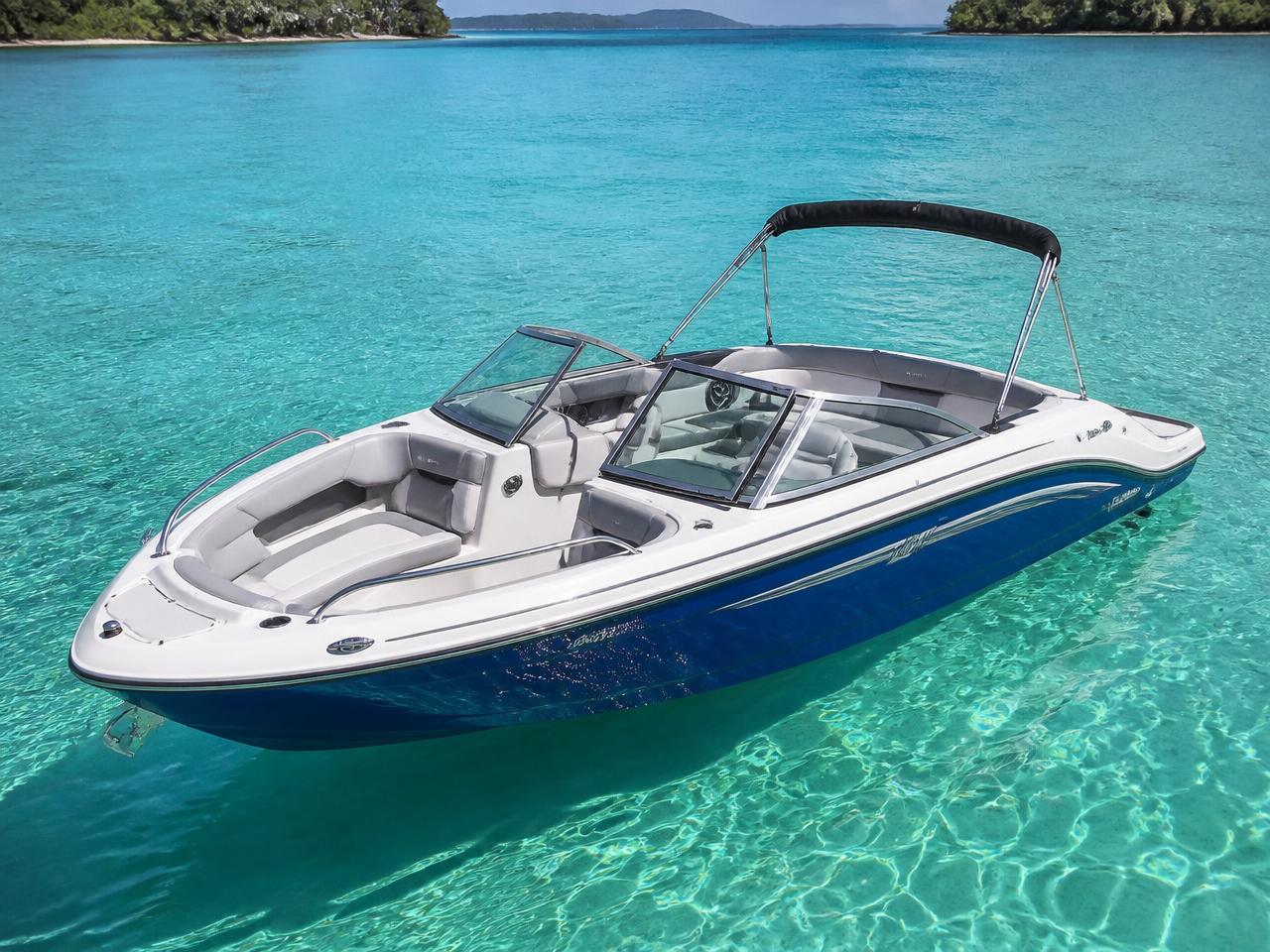
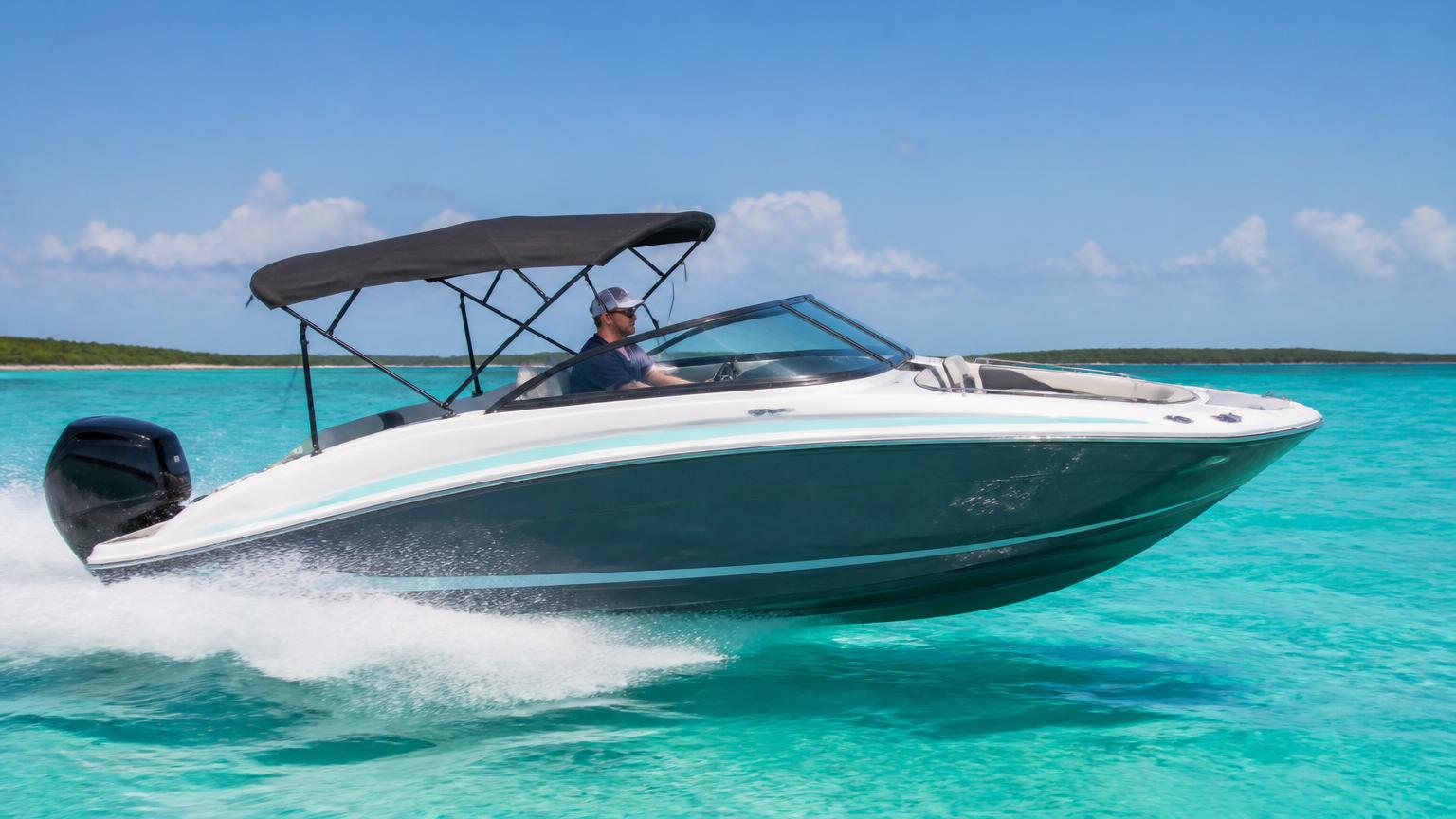
Bayliner VR5
The world's best selling bowrider size, Light, simple and easy to tow.
- Length
- 19 ft 9 in (6.02 m)
- Drive
- Outboard
- Seats
- 8 people / 1,150 lb
US$38,000 - US$52,000 new
Site Menu — Find Your Page
Bowrider Boats Mega Website

Buying & Owning
Where you buy changes the price, the protection and the paperwork. All four routes work; they just suit different buyers.
Dealers, brokers, marketplaces and private sales compared, plus the worldwide websites where bowriders are listed for sale.
You get warranty, a rigged and tested package, finance options and someone to call when something rattles. You pay for it in the first three years of depreciation.
Buy the dealer as much as the boat. A good local service department is worth more than a discount.

Higher price than private sale but usually with a basic warranty, a service check and clear title. For a first boat this is the lowest-risk used route.

The cheapest boats are private sales. In Australia, boatsales.com.au and Boats Online dominate. Worldwide, YachtWorld and Boat Trader carry the largest inventories, and Facebook Marketplace has become the biggest source of cheap local runabouts.
Always inspect in person, always sea trial, and for anything expensive pay for an independent marine survey and an engine compression or diagnostic scan.

Late autumn is the best time to buy in most markets, when dealers clear stock and private sellers face another season of storage fees. Expect the best discounts between the last warm weekend and mid-winter.

The bowriders that come up most often when readers ask us where to start.

The world's best selling bowrider size, Light, simple and easy to tow.
US$38,000 - US$52,000 new

The refined mainstream benchmark: quiet, dry, and beautifully finished for the money.
US$72,000 - US$95,000 new

15.5 ft fibreglass Bayliner bowrider with stern drive power — entry level pricing and a classic convertible bowrider layout.
US$26,000 - US$34,000 new
Featured Boat of the Week

This week we are putting the Bayliner Bayliner DX2000 in the spotlight, and it earns the spot. At 20 ft 2 in (6.16 m) long on a 8 ft (2.44 m) beam, this is a bowrider that reads the water well and still feels roomy enough for a full day out. A 20-foot deck-boat-width bowrider with outboard power and a huge social cockpit. Power comes from 115-150 hp mercury fourstroke outboard through a outboard package, and the fibreglass hull keeps the ride settled when the afternoon breeze puts a chop on the surface.
Seating is rated for 8 people, so there is space for family, friends, towels, eskies and the tow rope without anyone climbing over gear. Owners tend to buy it for family, water ski, leisure — which is exactly where it shines. Fuel is 30 us gal (114 l), and on the second-hand and new market you should expect to land somewhere around US$42,000 - US$58,000 new depending on hours, trailer and options.
Our full deep dive covers the layout in detail: bow lounge comfort, helm ergonomics, the rear entertaining area, storage that actually swallows a weekend, plus standard features, popular options and honest notes on where the boat compromises. If the Bayliner DX2000 is on your shortlist, start there — and check back next week, because the featured boat changes every week as we complete more full model reviews.

Featured Bowrider Article
Ownership

Maintenance is where boat ownership either stays fun or turns into a chore. Two boats of the same size can differ enormously in how many hours and dollars they demand each season, and almost all of that difference comes down to three choices: hull material, drive type and how much complexity you buy. A painted or bare aluminium hull is the low-maintenance benchmark. There is no gelcoat to oxidise, no osmosis risk, and abrasion at the ramp is cosmetic rather than structural. A hose-down after saltwater use, an anode check and an annual inspection of welds and rivets covers most of it. Fibreglass asks for more. Gelcoat needs washing, polishing and waxing to stay glossy, and neglected gelcoat chalks within a few seasons. Chips need filling before water reaches the laminate. It is not difficult work, but it is recurring work. Polyethylene and thermoplastic bowriders sit in a category of their own: essentially maintenance-free skins that shrug off knocks, at the cost of styling options and resale depth. An outboard hangs outside the boat, tilts clear of the water when parked, and needs an annual service that is broadly comparable to a car service: oil, filters, plugs, gear oil, impeller and anodes. Nothing about it…
Read the full article