Menu
Site Menu — Find Your Page
Bowrider Boats Mega Website
On the Water
Best Bowrider Boats for Overnight Camping
A bowrider is not a cabin cruiser, yet plenty of owners spend nights aboard in sheltered anchorages and love it. With filler cushions, camper canvas and a small amount of planning, a day boat becomes a very comfortable floating tent.
What makes a bowrider good for overnighting
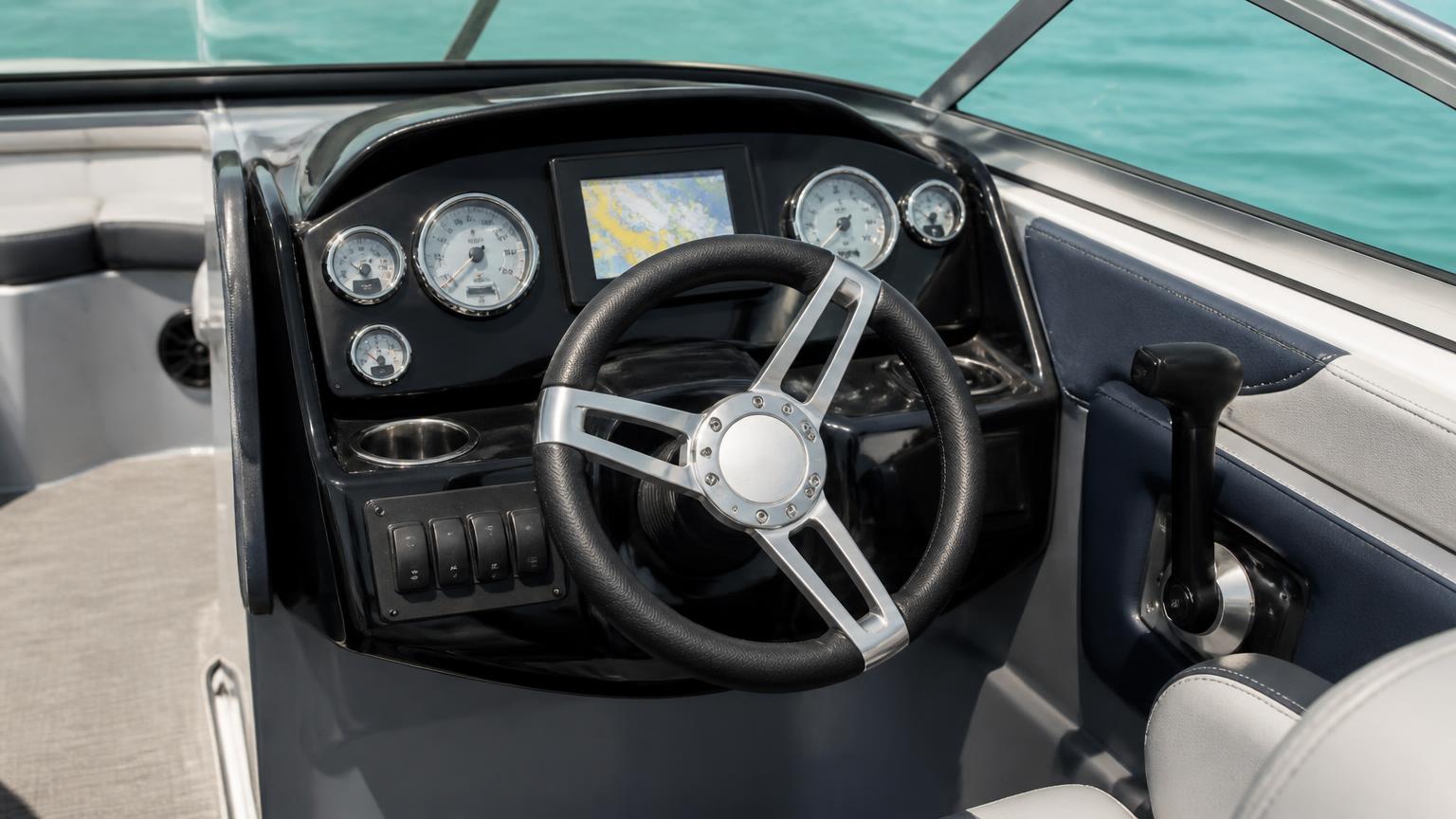
Look for a flat sleeping platform. Boats whose bow lounges level out with filler cushions, or whose rear seats fold into a full sun pad, give you two sleeping areas roughly the size of a double bed. Length helps: 6 m and above generally allows an adult to stretch out fully.
Then look for camper canvas availability — a bimini with front, side and aft curtains that enclose the cockpit. This is the single feature that turns overnighting from an endurance test into a pleasure, keeping out dew, wind and insects. A boat with a factory camper option is far easier than retrofitting.
Equipment that makes it comfortable
Self-inflating camping mats over the cushions transform sleep quality and protect upholstery. Add sleeping bags or a fitted sheet set, plus a light blanket, because it gets cooler on the water than ashore.
A portable toilet stowed under a seat, a 12 V fridge or good esky, LED lantern lighting on a second battery, insect screens, a small gas stove used on the swim platform, plenty of drinking water and a solar panel or power bank cover almost everything else. Keep a dry bag for bedding and clothes.
Choosing the anchorage
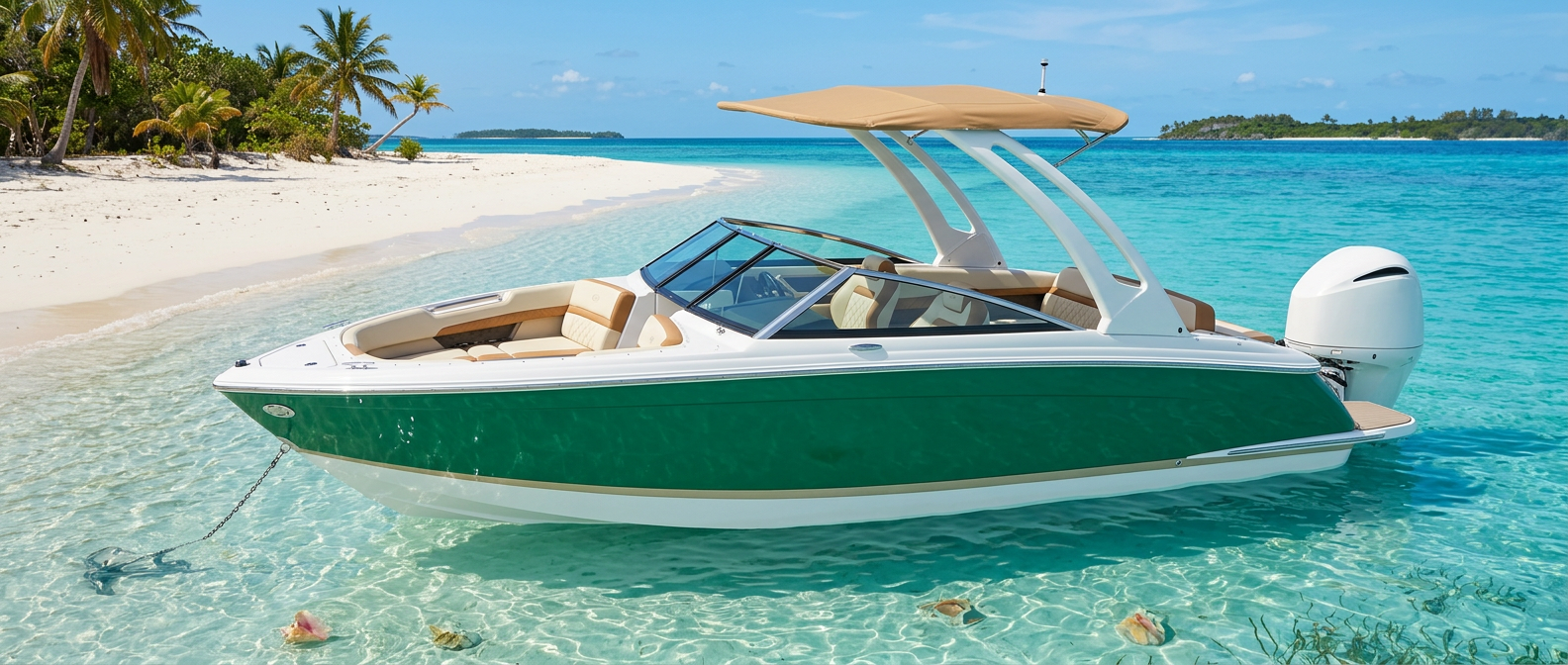
Shelter is everything. Pick a spot protected from the prevailing wind and any overnight change, out of tidal current and boat traffic, with good holding sand or mud rather than weed or rock. Check the forecast for wind shifts, because a comfortable anchorage can become untenable when the breeze swings.
Set plenty of anchor rope, use an anchor alarm on your phone or plotter, show a proper anchor light, and know local rules about overnight anchoring. Have an easy escape plan and enough fuel to move in the dark if conditions change.
Which boats suit it best
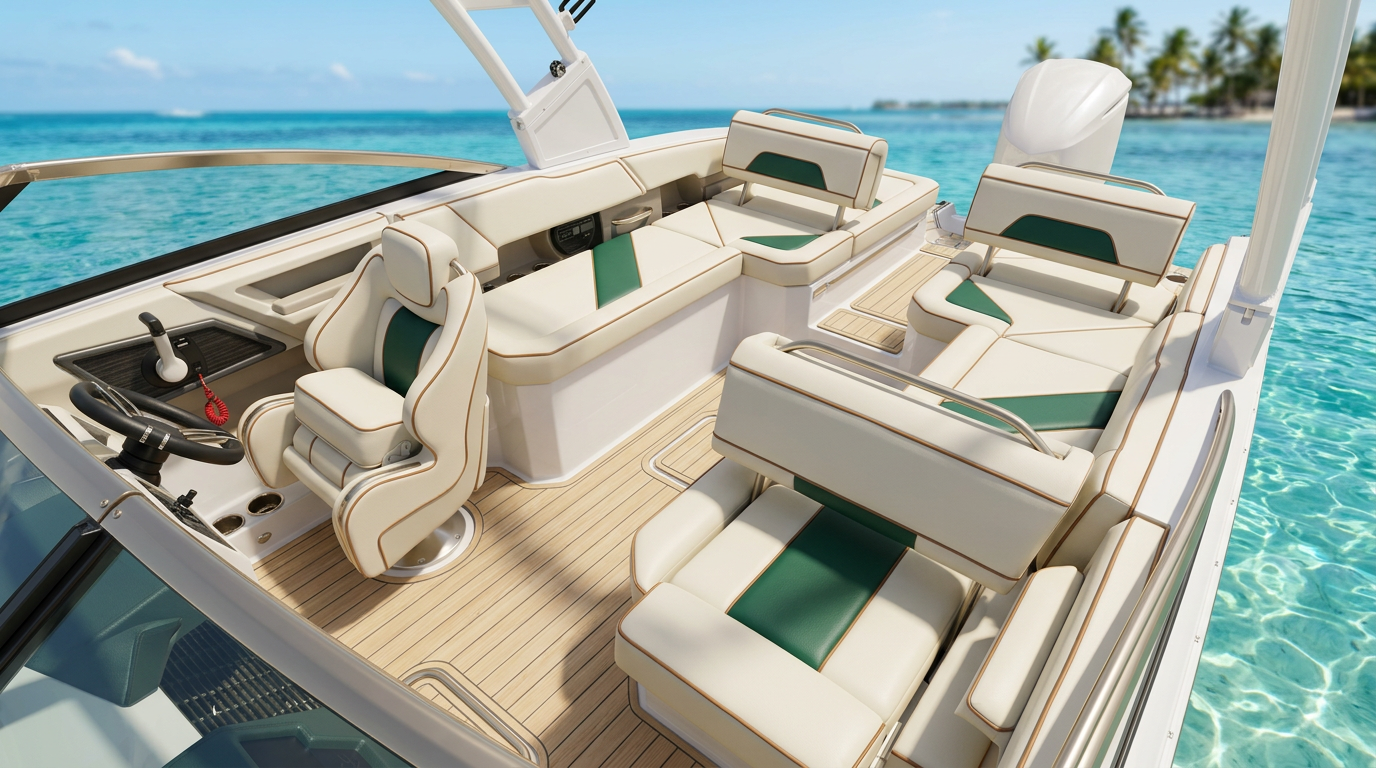
Larger bowriders of 6.5 m and up with convertible rear lounges, full filler cushions and factory camper canvas are the natural choice, and a cuddy-cabin version of the same hull adds a dry, private sleeping space if you overnight often.
Aluminium bowriders with wide flat floors also work surprisingly well, since a mat on the cockpit floor is often the flattest bed on the boat. Whatever you choose, try one calm night close to the ramp first: you will learn quickly what you need, and most owners find it becomes the best weekend of the boating season.
Keep reading
Comparisons
Bowrider vs Cuddy Cabin
On the Water
Bowrider Seating and Layout Explained
On the Water
Which Bowriders Make the Best Day Boats?
On the Water
Which Bowrider Is Best for Fishing?
On the Water
The Best Bowriders for Wake and Water Ski
On the Water
Can You Take a Bowrider Offshore?
On the Water
How to Drive a Bowrider
Featured Boat of the Week
Bayliner Bayliner DX2000 — Our Featured Bowrider This Week

This week we are putting the Bayliner Bayliner DX2000 in the spotlight, and it earns the spot. At 20 ft 2 in (6.16 m) long on a 8 ft (2.44 m) beam, this is a bowrider that reads the water well and still feels roomy enough for a full day out. A 20-foot deck-boat-width bowrider with outboard power and a huge social cockpit. Power comes from 115-150 hp mercury fourstroke outboard through a outboard package, and the fibreglass hull keeps the ride settled when the afternoon breeze puts a chop on the surface.
Seating is rated for 8 people, so there is space for family, friends, towels, eskies and the tow rope without anyone climbing over gear. Owners tend to buy it for family, water ski, leisure — which is exactly where it shines. Fuel is 30 us gal (114 l), and on the second-hand and new market you should expect to land somewhere around US$42,000 - US$58,000 new depending on hours, trailer and options.
Our full deep dive covers the layout in detail: bow lounge comfort, helm ergonomics, the rear entertaining area, storage that actually swallows a weekend, plus standard features, popular options and honest notes on where the boat compromises. If the Bayliner DX2000 is on your shortlist, start there — and check back next week, because the featured boat changes every week as we complete more full model reviews.
Featured Bowrider Article
Can You Take a Bowrider Offshore?
On the Water
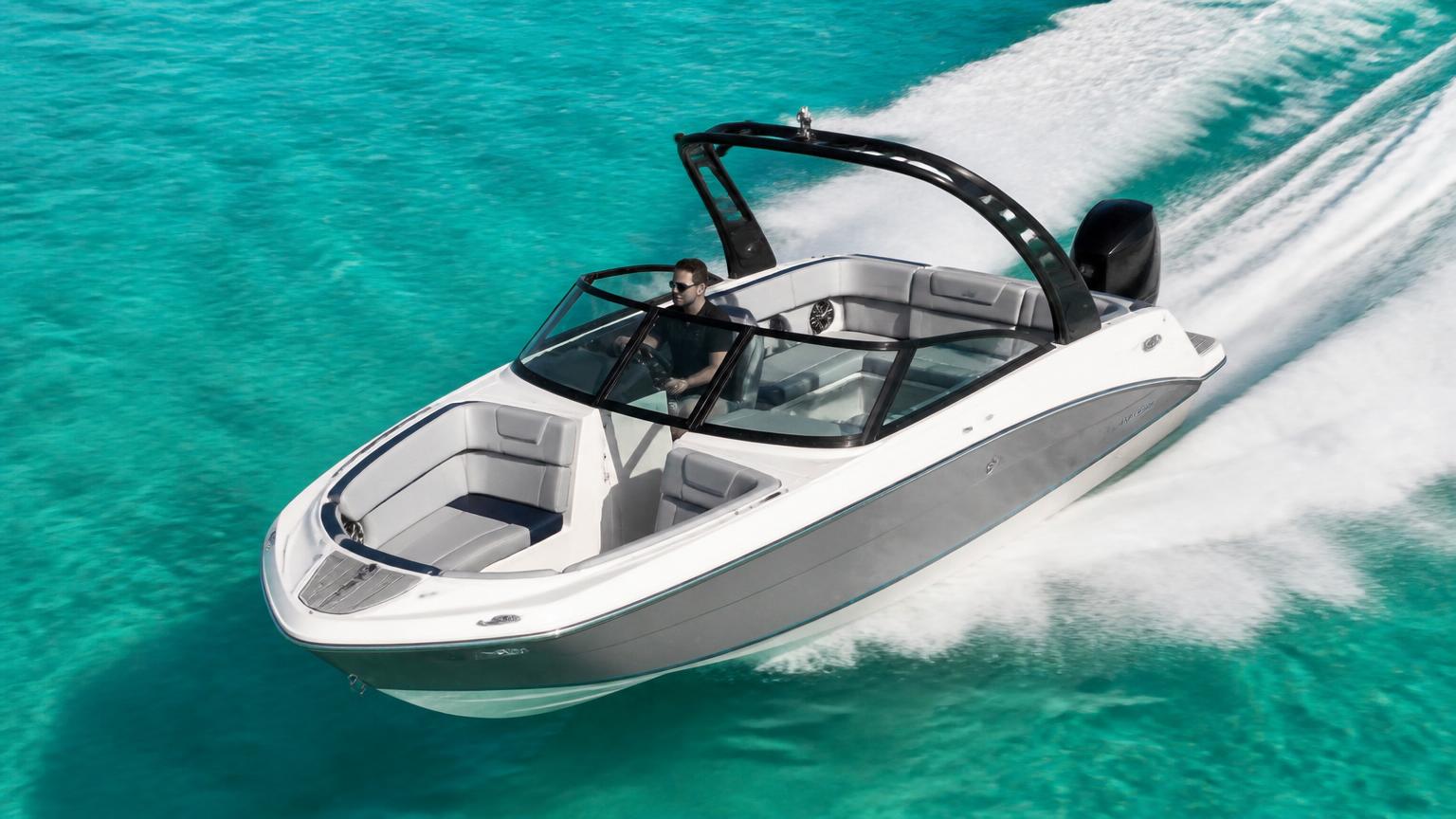
Bowriders are designed for protected water, but plenty of owners run them along the coast, out to islands and offshore to fish. It can be done safely with the right boat, the right conditions and the right discipline — and it goes badly wrong when any one of those is missing. Size and deadrise come first. A 6.5-8.0 m hull with 19-22 degrees of transom deadrise handles offshore swell far better than a 5 m lake boat with a shallow V. Higher freeboard, a deep cockpit and self-draining decks matter just as much as length. The open bow is the weak point. Boats designed for coastal use offer a full bow cover or tonneau that closes the forward seating, preventing green water entering the boat. A bowrider without one should never be driven into head seas offshore, because a wave over the bow puts water straight into the hull. Twin outboards, a reliable bilge pump, a battery isolator and a proper anchoring setup all add real margin when you are hours from a ramp. Weather discipline is what keeps bowrider owners safe. A benign morning with under ten knots of wind and a low, long-period swell is very different from a fifteen-to-twenty-knot afternoon seabreeze with…
Read the full article