Bowrider Boats Mega Website

Japanese Bowrider Amazing Photo by www.BOWRIDER-BOATS.com — Japanese bowrider boats on clear water. Images Created by www.Bowrider-Boats.com

Japan · Manufacturer Directory

Japanese Bowrider Boat Manufacturers

Bowrider Boats Made in Japan

Engineering-led jet and outboard bowriders from the world's biggest marine engine makers.

Japan's contribution to the bowrider world comes through engineering. The country's marine giants build the outboards and jet propulsion systems that power a large share of the world's bowriders, and they also build complete boats — most famously the jet-drive bowriders that combine a bowrider deck layout with a shallow-draft, propeller-free jet pump.

A jet bowrider is a genuinely different boat to drive: no propeller to strike, very shallow draft, instant acceleration and a safer swim platform for families with kids in the water. Layouts follow the classic three-zone bowrider plan, with a bow lounge, a helm and navigator pair, and a rear entertaining lounge over the engine bay.

Boats are built in Japan and assembled or fitted out for the US and Australian markets, with dealer support wherever the parent group already sells engines and personal watercraft — which is almost everywhere. Purchase prices are competitive, and running costs are low for the performance delivered.

Main Manufacturing Regions and Outlets

  • • Japan — engine, jet pump and hull manufacturing
  • • United States — assembly, fit-out and dealer network
  • • Australia and New Zealand dealer outlets
  • • Global engine and parts service network

1 Japanese bowrider brands listed below, most popular first.

#1 · Fibreglass · Mid range

Yamaha Boats

Japan / United States · since 1960s

Yamaha Boats Bowrider Amazing Photo by www.BOWRIDER-BOATS.com — Yamaha Boats bowrider boat built in Japan. Images Created by www.Bowrider-Boats.com

The jet-drive bowrider: no propeller, huge swim platform, shallow-water friendly.

Yamaha's jet bowriders replace the stern drive or outboard with twin waterjets, and that single decision changes the whole boat. Removing the propeller is a genuine safety advantage around swimmers and a practical one in shallow water, where a jet boat will run over sandbars and weed that would ruin a prop. It also frees up the stern completely, giving Yamaha the flattest, largest and most usable swim platform in the bowrider class — the reason so many families with young kids end up buying one. The AR and SX ranges cover roughly 19 to 25 feet, with strong performance, excellent acceleration and clever storage under moulded liners. The trade-offs are honest: low-speed manoeuvring takes practice because thrust steers the boat rather than a rudder, and jets drink more fuel than an equivalent outboard at cruise. Against that, Yamaha reliability is excellent, service intervals are simple, and the boats are priced competitively against fibreglass rivals with far less standard equipment.

Twin jet propulsion · 4 models reviewed

Yamaha Boats bowriders

Featured Boat of the Week

Bayliner Bayliner DX2000 — Our Featured Bowrider This Week

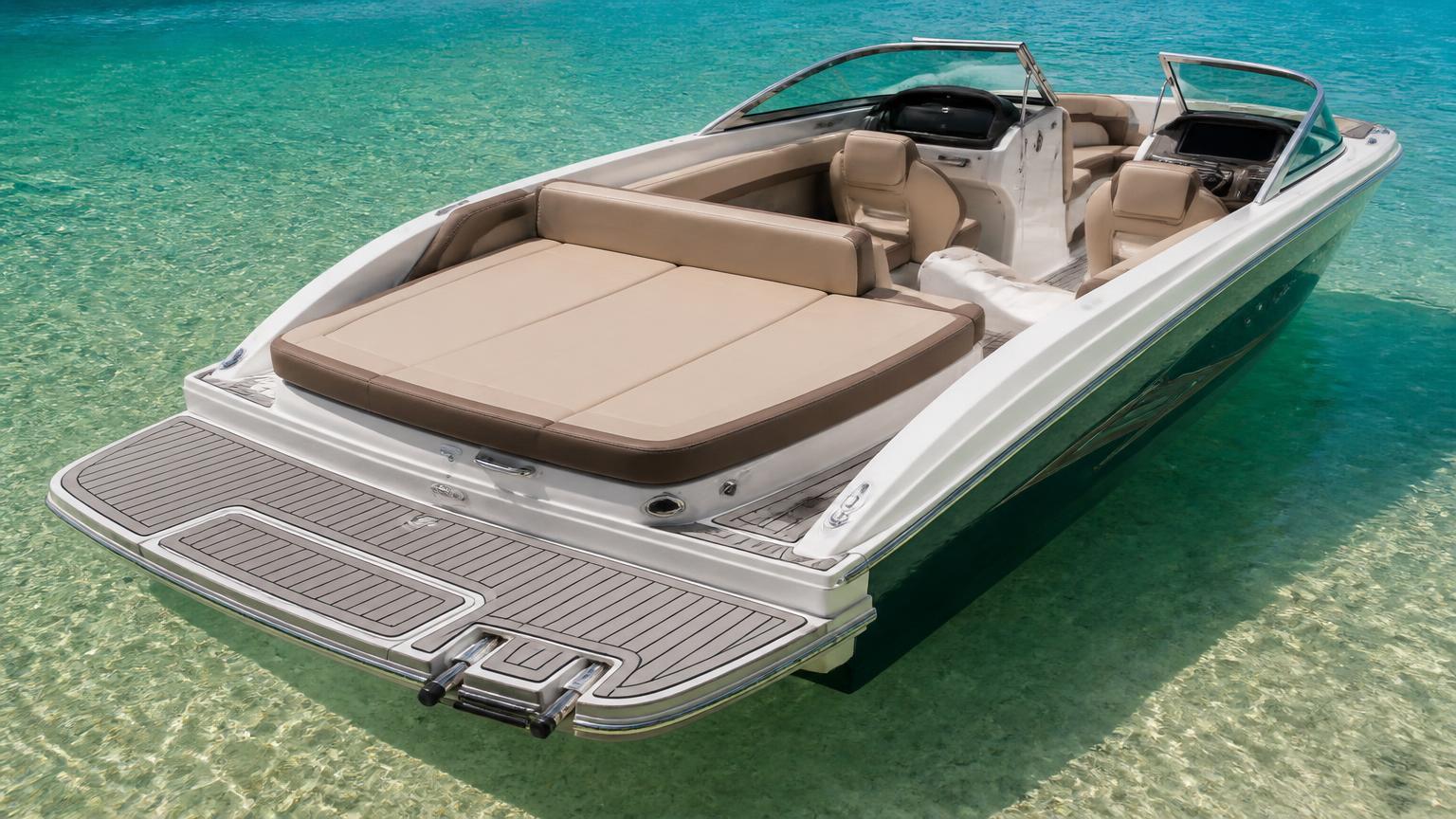
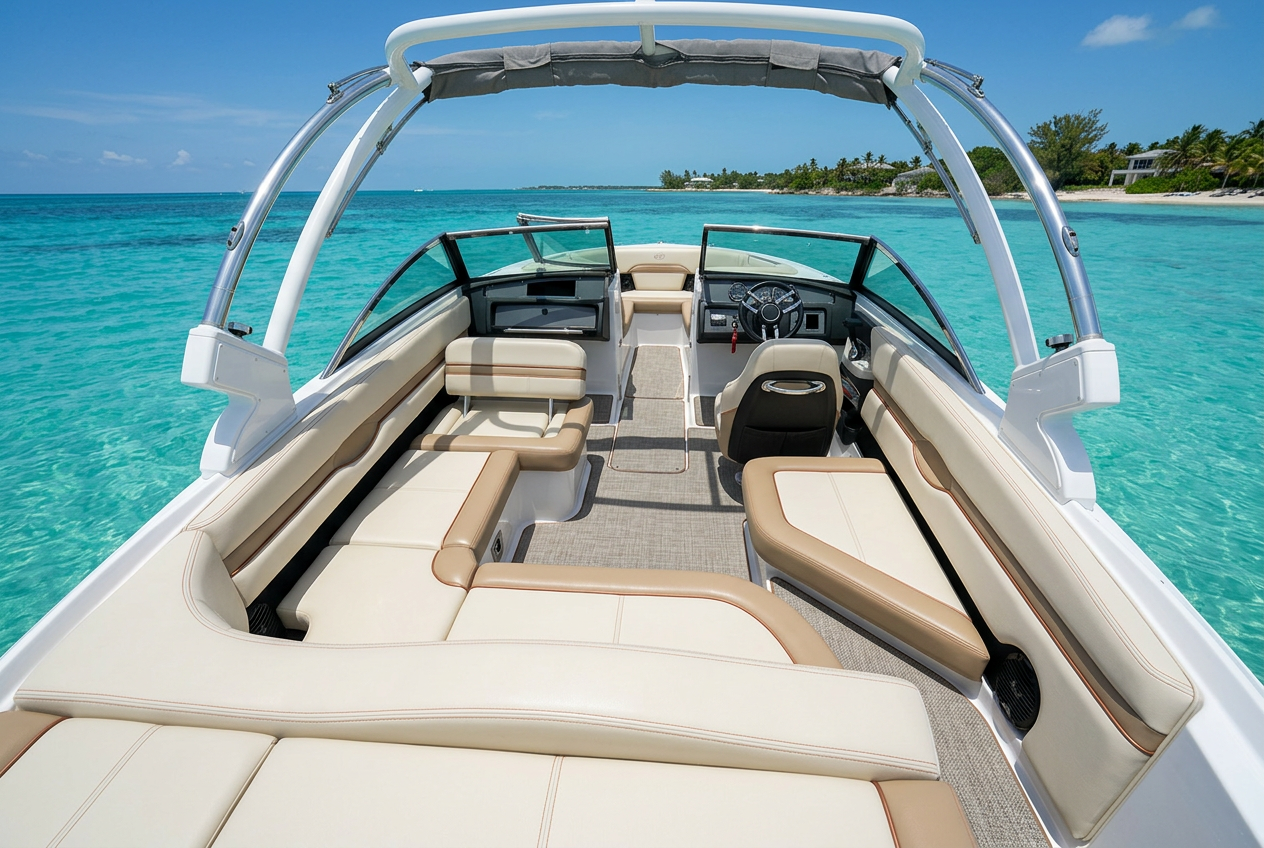
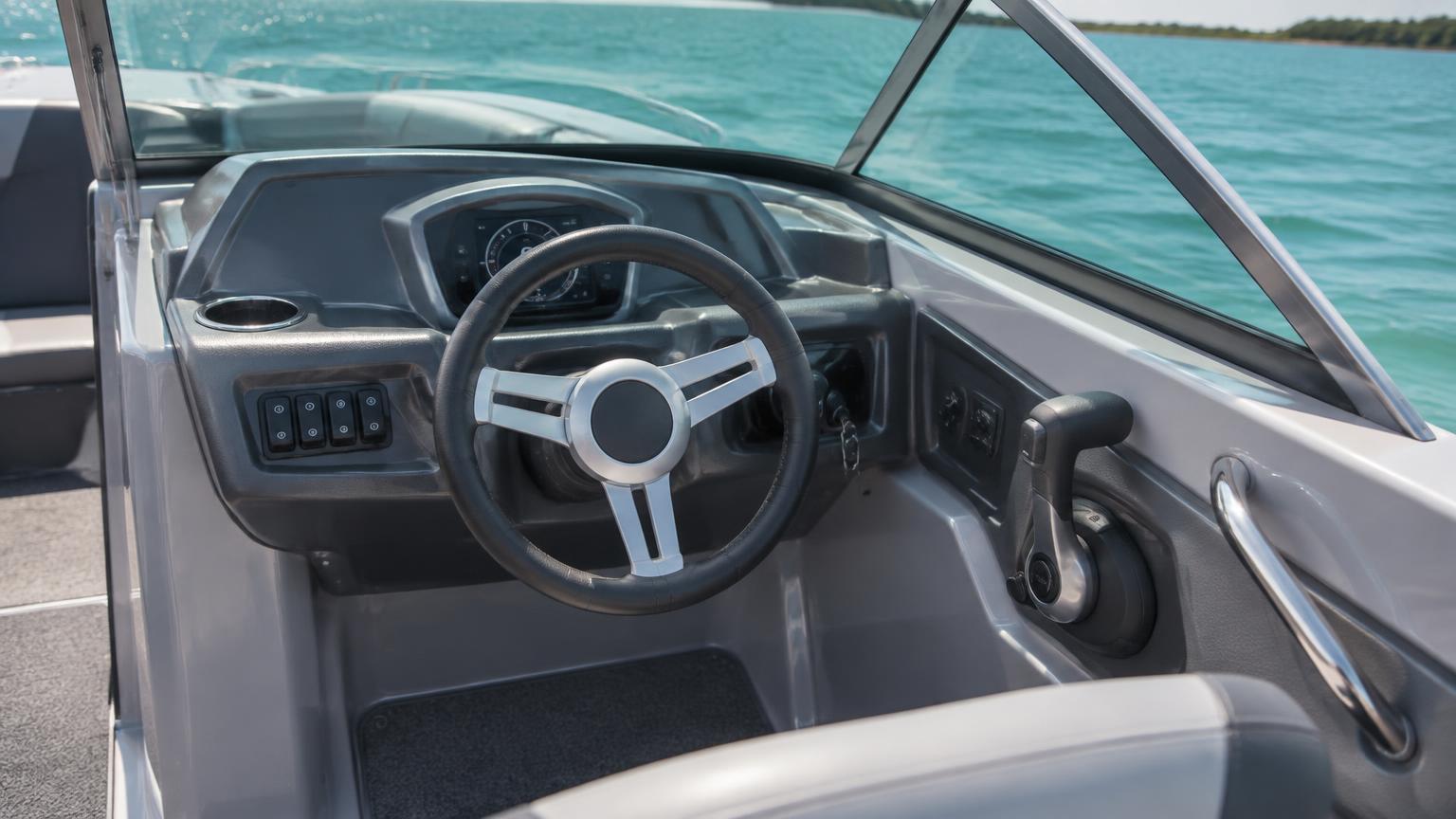
Bayliner DX2000 Amazing Photo by www.BOWRIDER-BOATS.com — Bayliner DX2000 bowrider boat, side and stern viewbow view on crystal clear water, 20.2 ft fibreglass hull with outboard propulsion. Images Created by www.Bowrider-Boats.com
Bayliner Bayliner DX2000 — three-quarter bow view on crystal clear water. Images Created by www.Bowrider-Boats.com

This week we are putting the Bayliner Bayliner DX2000 in the spotlight, and it earns the spot. At 20 ft 2 in (6.16 m) long on a 8 ft (2.44 m) beam, this is a bowrider that reads the water well and still feels roomy enough for a full day out. A 20-foot deck-boat-width bowrider with outboard power and a huge social cockpit. Power comes from 115-150 hp mercury fourstroke outboard through a outboard package, and the fibreglass hull keeps the ride settled when the afternoon breeze puts a chop on the surface.

Seating is rated for 8 people, so there is space for family, friends, towels, eskies and the tow rope without anyone climbing over gear. Owners tend to buy it for family, water ski, leisure — which is exactly where it shines. Fuel is 30 us gal (114 l), and on the second-hand and new market you should expect to land somewhere around US$42,000 - US$58,000 new depending on hours, trailer and options.

Our full deep dive covers the layout in detail: bow lounge comfort, helm ergonomics, the rear entertaining area, storage that actually swallows a weekend, plus standard features, popular options and honest notes on where the boat compromises. If the Bayliner DX2000 is on your shortlist, start there — and check back next week, because the featured boat changes every week as we complete more full model reviews.

Read the full Bayliner DX2000 review

Featured Bowrider Article

Aluminium vs Fibreglass Bowriders

Comparisons

Comparisons Amazing Photo by www.BOWRIDER-BOATS.com — Aluminium vs Fibreglass Bowriders: Which Is Better?. Images Created by www.Bowrider-Boats.com
Aluminium vs Fibreglass Bowriders: Which Is Better? — Images Created by www.Bowrider-Boats.com

This is the oldest argument in boating, and both sides are right. Aluminium is lighter, tougher and cheaper to keep; fibreglass rides better and looks better. Modern hull design has narrowed the gap dramatically, so the decision now comes down to how you use the boat. Fibreglass has traditionally owned this category. Extra weight pushes through waves rather than skipping over them, and thick laminates absorb noise and vibration, giving the settled, quiet ride that sells premium bowriders. Aluminium has closed much of the gap. Roll-formed hulls with fine, curved bow entries — the Quintrex Blade and Millennium designs being the best-known examples — slice waves instead of slapping them, and reverse chines add lift and spray control. A modern aluminium bowrider rides vastly better than a pressed flat-bottom boat from the 1990s, though a heavy fibreglass hull still has the edge in a serious chop. Aluminium wins on abrasion and impact. Beach it on sand, brush a rock ramp or bump a pontoon and the result is usually cosmetic. Dents can often be worked out, and welding repairs are quick and cheap. Fibreglass is stronger in stiffness terms but more brittle in practice. Gelcoat chips, scratches and cracks, and impact damage requires laminating, filling…

Read the full article