Menu
Site Menu — Find Your Page
Bowrider Boats Mega Website
Buying Advice
How Many People Fit in a Bowrider?
Capacity by boat length
As a rough guide, a 4.8-5.2 m bowrider is rated for four to six people, a 5.5-6.0 m boat for six to eight, a 6.4-7.0 m boat for eight to ten, and a 7.6 m-plus bowrider for ten to twelve. Beam matters as much as length: a wide 6 m hull can seat more comfortably than a narrow 6.5 m one.
Comfortable capacity is usually two people fewer than the rated maximum. A boat rated for eight is pleasant with six adults, cramped with eight, and unpleasant with eight adults plus eskies, boards and towels.
How capacity plates work
Most bowriders carry a builder's plate stating maximum persons, maximum load in kilograms or pounds, and maximum engine power. The persons figure is calculated using an assumed average weight per person, which is often lower than real adult weights.
The load figure is the one that matters. It covers people, fuel, gear and any accessories, so a full tank of fuel and a loaded esky reduce the number of passengers you can legally carry. Exceeding the plate can void insurance and is an offence in many jurisdictions.
Where the people actually sit
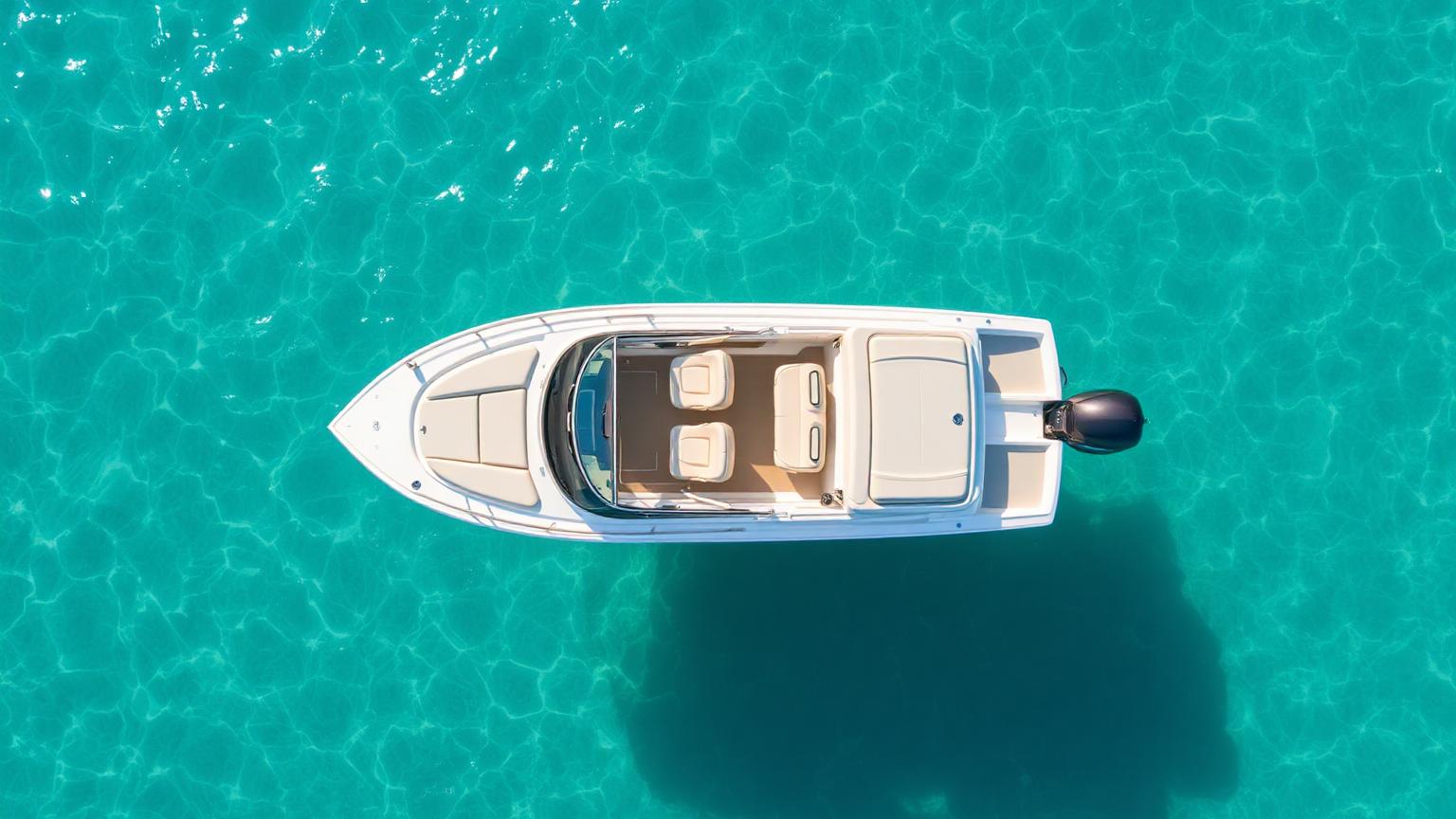
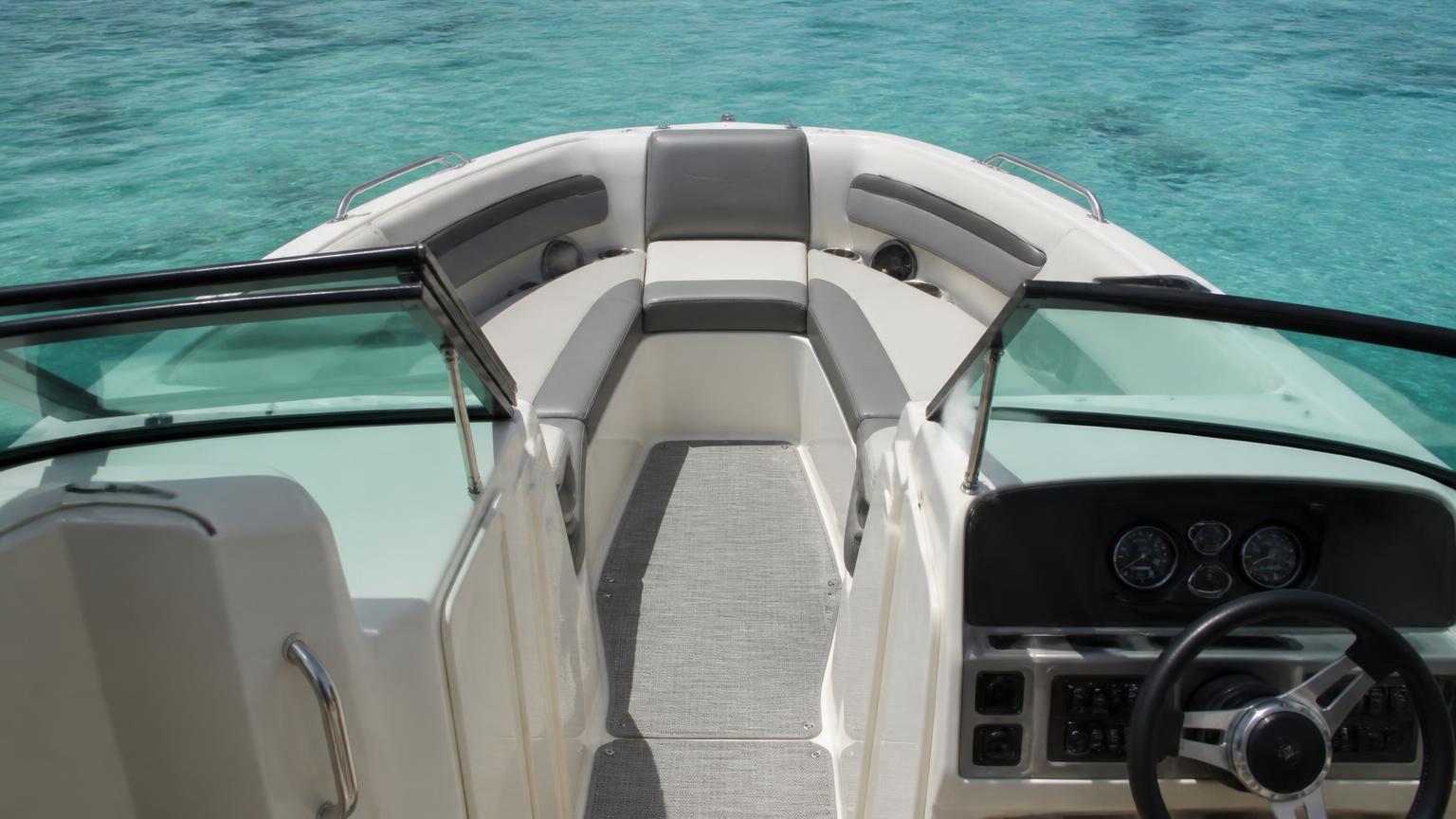
A standard bowrider offers two bow lounges seating two to four, helm and companion seats for two, and a rear bench seating two to four. That is the theoretical layout; in practice the bow holds fewer adults than children, because adult shoulders need more width than the moulded lounges provide.
At speed and offshore, everyone should be seated in the cockpit rather than the bow, so a boat's usable underway capacity is often just the helm, companion and rear bench. Boats with wide beams, facing cockpit lounges and convertible rear seating handle mixed groups far better.
Choosing capacity honestly
Count your normal crew, not your maximum crew. If you boat as a family of four and occasionally take another family, a 6.0-6.4 m bowrider rated for eight is ideal. If you regularly take ten people, look at 7.5 m and above with a genuine wide beam.
Also weigh the trade-off. A bigger boat carries more people but costs more to tow, store, fuel and launch, and most owners find they use the extra capacity only a handful of times a year. Renting or borrowing a bigger boat for the annual big trip is usually cheaper than owning one all season.
Keep reading
Buying Advice
The Best Bowrider Size for Families
On the Water
Bowrider Seating and Layout Explained
On the Water
Which Bowriders Make the Best Day Boats?
Buying Advice
Which Is the Lightest Bowrider Boat ?
Buying Advice
Old Bowriders vs New Bowrider Designs
Buying Advice
Choosing Your First Bowrider Boat
Buying Advice
Best Bowrider Boats Under $50,000
Buying Advice
What to Check When Buying a Used Bowrider
Featured Boat of the Week
Bayliner Bayliner DX2000 — Our Featured Bowrider This Week

This week we are putting the Bayliner Bayliner DX2000 in the spotlight, and it earns the spot. At 20 ft 2 in (6.16 m) long on a 8 ft (2.44 m) beam, this is a bowrider that reads the water well and still feels roomy enough for a full day out. A 20-foot deck-boat-width bowrider with outboard power and a huge social cockpit. Power comes from 115-150 hp mercury fourstroke outboard through a outboard package, and the fibreglass hull keeps the ride settled when the afternoon breeze puts a chop on the surface.
Seating is rated for 8 people, so there is space for family, friends, towels, eskies and the tow rope without anyone climbing over gear. Owners tend to buy it for family, water ski, leisure — which is exactly where it shines. Fuel is 30 us gal (114 l), and on the second-hand and new market you should expect to land somewhere around US$42,000 - US$58,000 new depending on hours, trailer and options.
Our full deep dive covers the layout in detail: bow lounge comfort, helm ergonomics, the rear entertaining area, storage that actually swallows a weekend, plus standard features, popular options and honest notes on where the boat compromises. If the Bayliner DX2000 is on your shortlist, start there — and check back next week, because the featured boat changes every week as we complete more full model reviews.
Featured Bowrider Article
How Long Do Bowrider Boats Last?
Ownership
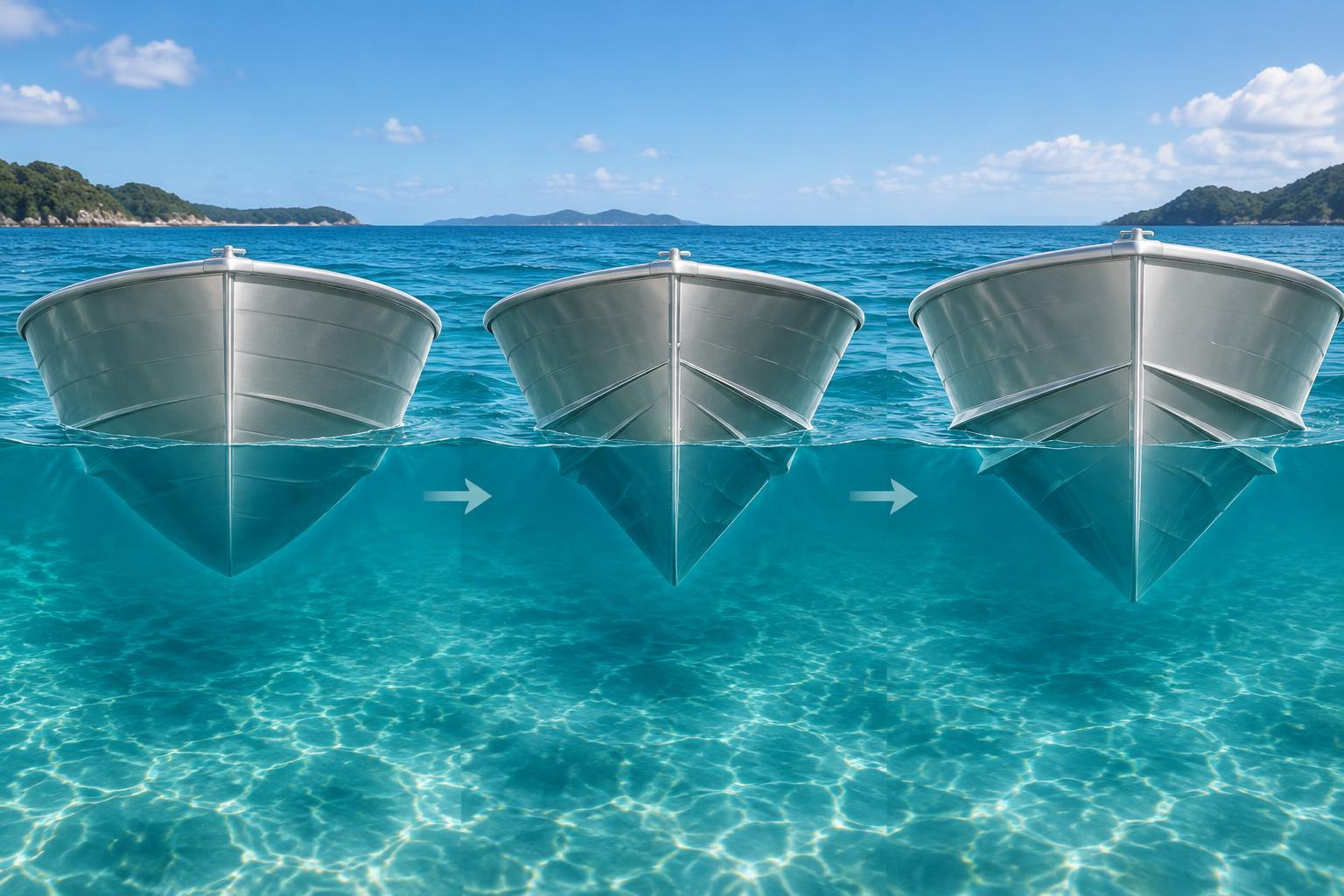
Boats do not die of old age; they die of neglect. A well-kept bowrider can still be in service after thirty or forty years, while a badly stored one can be uneconomic at twelve. Knowing which parts have a clock on them lets you buy and own accordingly. A quality fibreglass hull that has been kept covered, repaired promptly and stored out of water can last forty years or more. The laminate itself rarely fails; what fails are the plywood or composite parts inside it — stringers, bulkheads, floors and transom cores — when water finds a way in through unsealed fittings or damaged gelcoat. Aluminium hulls are similarly long-lived and often outlast their fittings entirely. Their enemies are galvanic corrosion, especially from stray current in marinas or missing anodes, and fatigue cracking around welds on hard-worked boats. Both are inspectable and repairable. A modern four-stroke outboard serviced on schedule commonly reaches 2,500-4,000 hours before major work, which for a family boat used fifty hours a year is decades of life. Petrol sterndrive engines have similar potential, though the drive leg, bellows and gimbal components need renewal along the way. In practice most engines are replaced because parts availability, electronics or economics turn against them…
Read the full article