Menu
Site Menu — Find Your Page
Bowrider Boats Mega Website
Ownership
Winterising and Storing a Bowrider
More boats are damaged sitting still than being used. A weekend spent laying up a bowrider properly prevents frost damage, fuel problems, flat batteries, mildew and cracked vinyl — and makes the first trip of the next season a pleasure rather than a repair bill.
Engine and drive
Flush thoroughly with fresh water, then change engine oil and filters while the oil is warm so contaminants leave with it. Change the gearcase or lower unit oil too, and inspect what comes out for water or metal.
In freezing climates, drain all raw water from sterndrive blocks, manifolds and hoses, or fill the system with the correct concentration of non-toxic antifreeze. Fog the cylinders if the manufacturer recommends it, grease all fittings, and store outboards in the fully down position so water drains out of the leg.
Fuel, water and systems
Fill the fuel tank to around ninety per cent and add a quality fuel stabiliser, then run the engine long enough to draw treated fuel through the whole system. A nearly full tank limits condensation, and stabiliser prevents the gum and phase separation that ruin injectors and carburettors.
Drain freshwater tanks, showers, ballast systems and toilets completely, and pump antifreeze through where freezing is possible. Remove drain plugs, clear scuppers and leave the boat bow-high so any water that gets in runs out.
Batteries, interior and cover
Disconnect batteries, clean the terminals and either remove them to a cool dry place on a maintenance charger, or leave them aboard on a smart charger. A battery left connected all winter is usually a battery you replace in spring.
Clean and dry all upholstery, treat vinyl with a marine protectant, and leave lockers and the cabin ventilated with hatches propped slightly and moisture absorbers inside. Remove electronics, cushions, lifejackets and anything absorbent, then fit a supported cover or shrinkwrap that keeps water off without trapping condensation.
Where to store it
Indoor storage is best: no UV, no rain, no frost, and greatly reduced ageing of vinyl, canvas and gelcoat. Covered outdoor storage is the good-value compromise. Uncovered outdoor storage is the worst option and visibly ages a boat in a few seasons.
Whatever you choose, support the trailer to take load off the tyres, chock the wheels, and visit occasionally to check the cover after storms. Come spring, reconnect batteries, check belts and hoses, inspect the trailer bearings and give the boat a shakedown run close to the ramp before any long trip.
Featured Boat of the Week
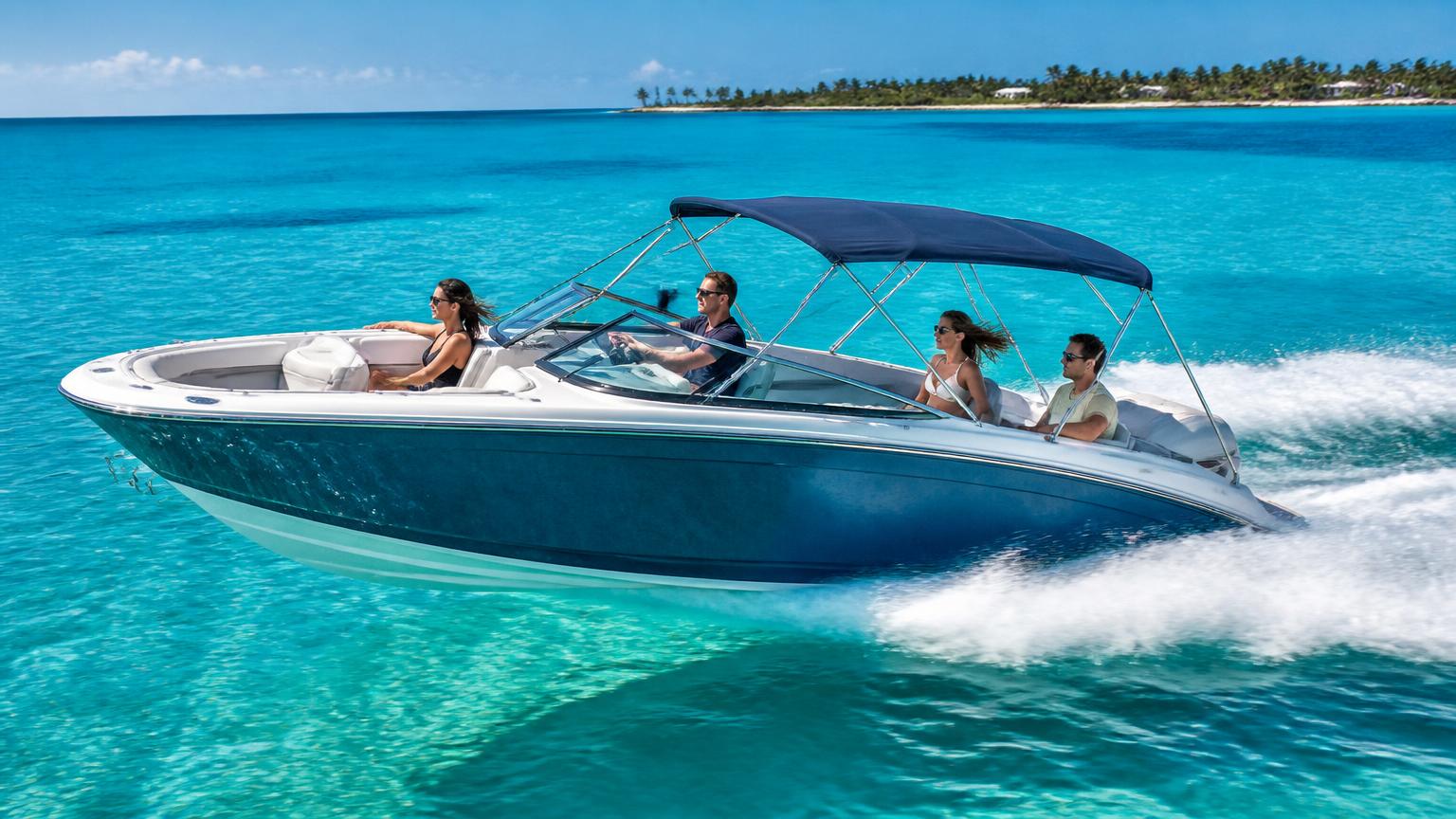
Bayliner Bayliner DX2000 — Our Featured Bowrider This Week

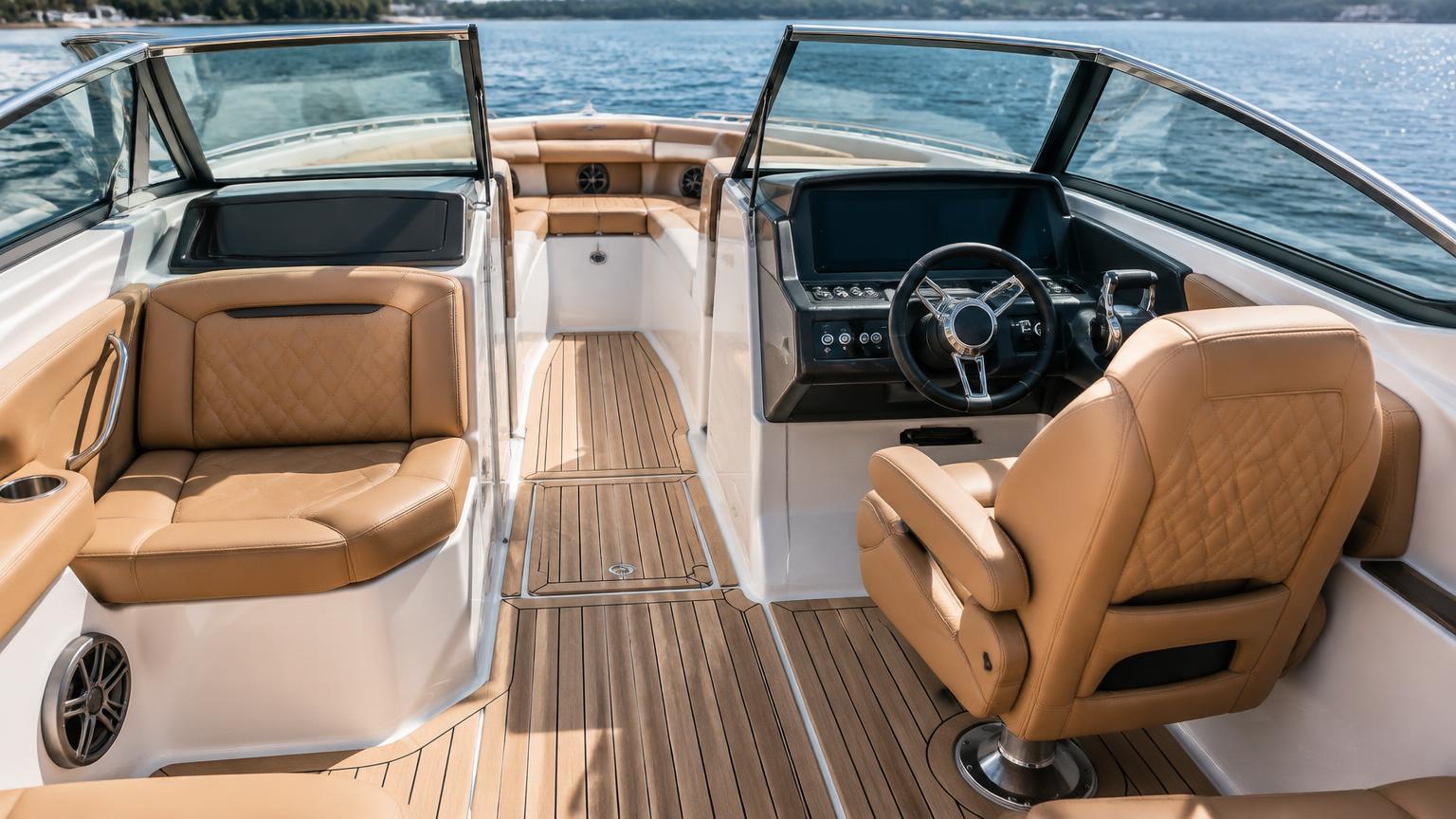
This week we are putting the Bayliner Bayliner DX2000 in the spotlight, and it earns the spot. At 20 ft 2 in (6.16 m) long on a 8 ft (2.44 m) beam, this is a bowrider that reads the water well and still feels roomy enough for a full day out. A 20-foot deck-boat-width bowrider with outboard power and a huge social cockpit. Power comes from 115-150 hp mercury fourstroke outboard through a outboard package, and the fibreglass hull keeps the ride settled when the afternoon breeze puts a chop on the surface.
Seating is rated for 8 people, so there is space for family, friends, towels, eskies and the tow rope without anyone climbing over gear. Owners tend to buy it for family, water ski, leisure — which is exactly where it shines. Fuel is 30 us gal (114 l), and on the second-hand and new market you should expect to land somewhere around US$42,000 - US$58,000 new depending on hours, trailer and options.
Our full deep dive covers the layout in detail: bow lounge comfort, helm ergonomics, the rear entertaining area, storage that actually swallows a weekend, plus standard features, popular options and honest notes on where the boat compromises. If the Bayliner DX2000 is on your shortlist, start there — and check back next week, because the featured boat changes every week as we complete more full model reviews.
Featured Bowrider Article
The Best Bowrider Size for Families
Buying Advice
Family boating rewards getting size right more than any other use. Too small and half the family sits uncomfortably; too big and the boat becomes a logistical project you use less often. Here is what each size band actually delivers. This size is the easiest boat to own. It tows behind a family SUV, fits in a garage, launches solo and costs the least to run. Four to six people fit, which suits a family of four with room for a friend. The limits appear in rough water and on longer trips. Light hulls of this length get bounced by a chop, and a full load slows the boat noticeably. For lakes, rivers, calm bays and short outings it is often the most-used boat in a family's history. This is where most families end up, and for good reason. Six to eight people fit comfortably, the hull has enough weight and deadrise to handle a seabreeze chop, and the boat still tows behind a mid-size SUV and fits on a single-axle or light tandem trailer. It is also the deepest part of the used market, which means better choice when buying and easier selling later. Bow lounges are long enough for adults, rear seating usually…
Read the full article