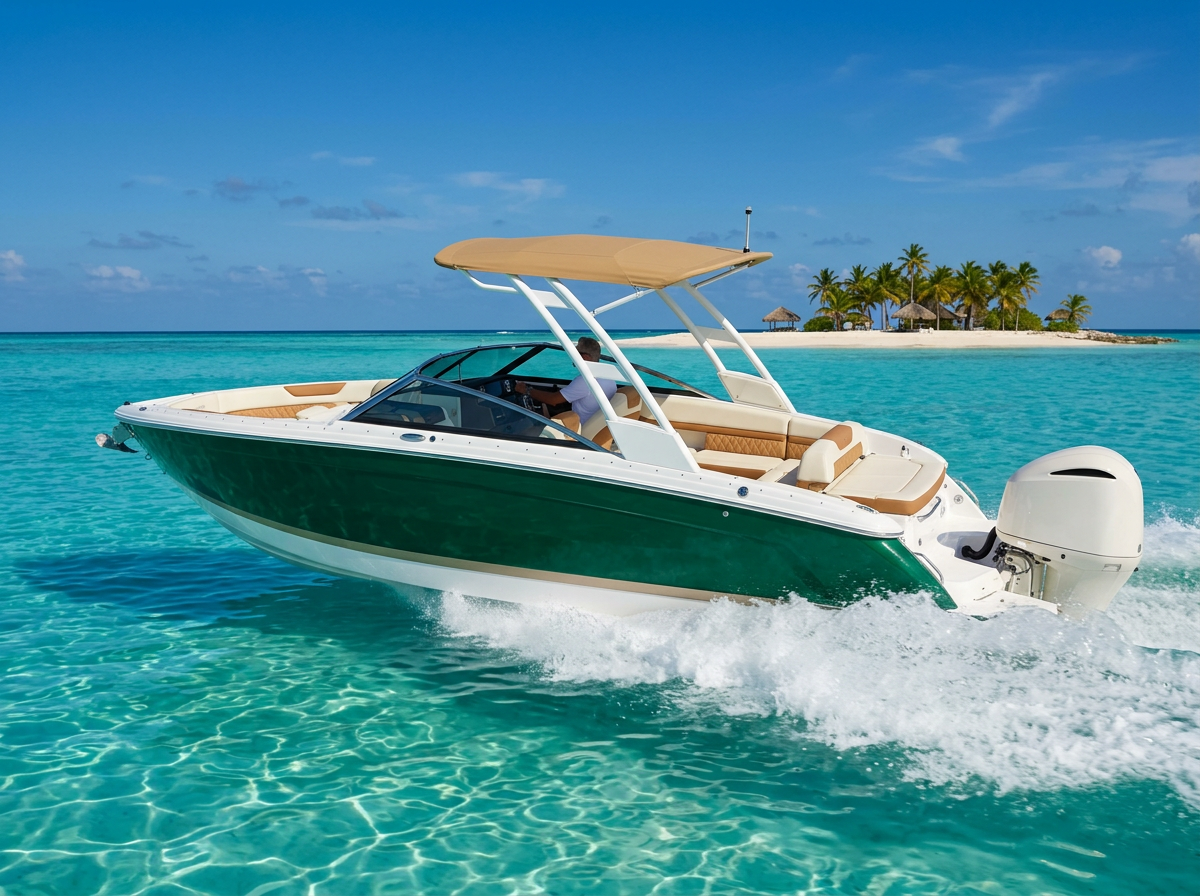
Bayliner VR5
The world's best selling bowrider size, Light, simple and easy to tow.
- Length
- 19 ft 9 in (6.02 m)
- Drive
- Outboard
- Seats
- 8 people / 1,150 lb
US$38,000 - US$52,000 new
Site Menu — Find Your Page
Bowrider Boats Mega Website

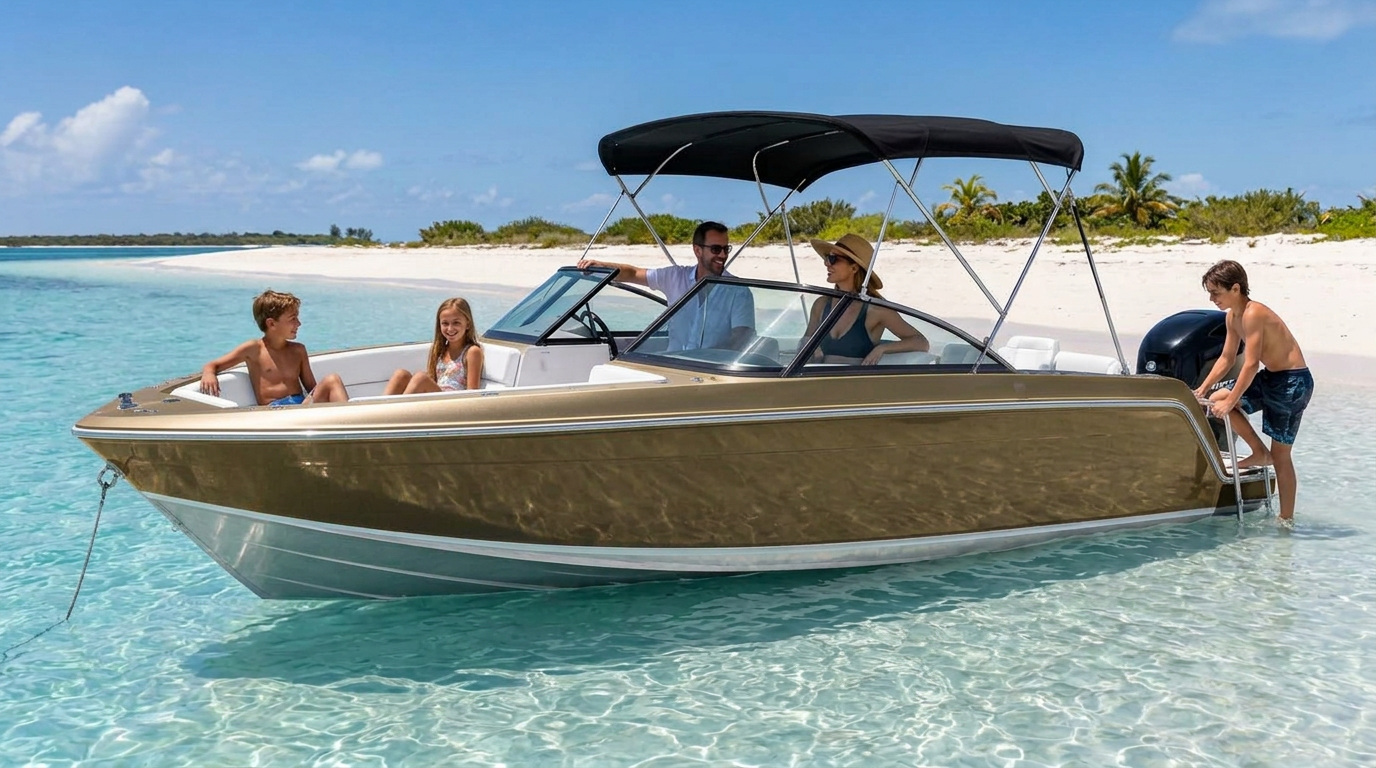
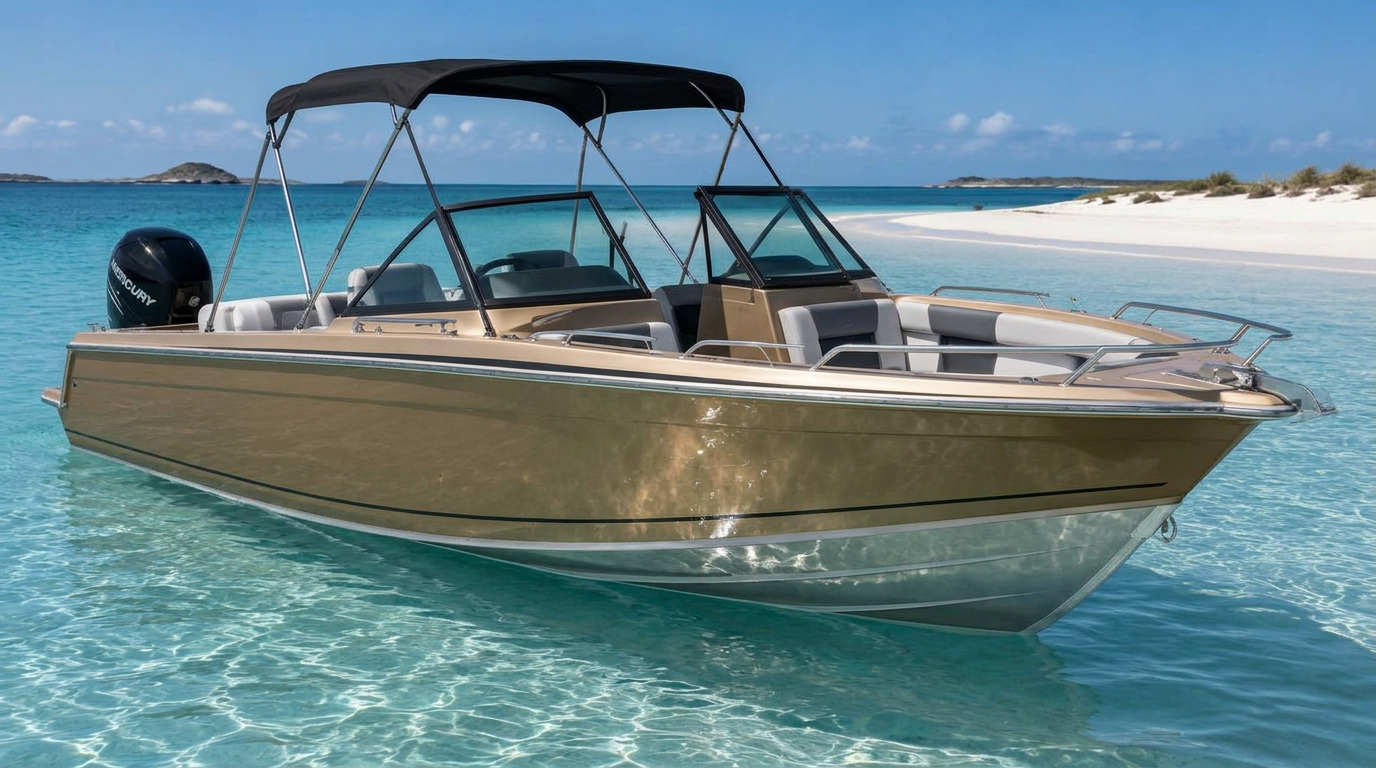
The Quintrex 590 Cruiseabout takes the familiar family-friendly formula of the 540 and stretches it into a noticeably more substantial bowrider. At approximately 5.9 m (19 ft 4 in) with a beam close to 2.43 m (8 ft), it gains half a metre of useful hull length, a longer waterline and more carrying volume without abandoning the straightforward outboard power, alloy durability and beach-friendly character that define the Cruiseabout range. This is the model for families who like the 540 layout but want more personal space, more range and greater confidence when the bay becomes choppy.

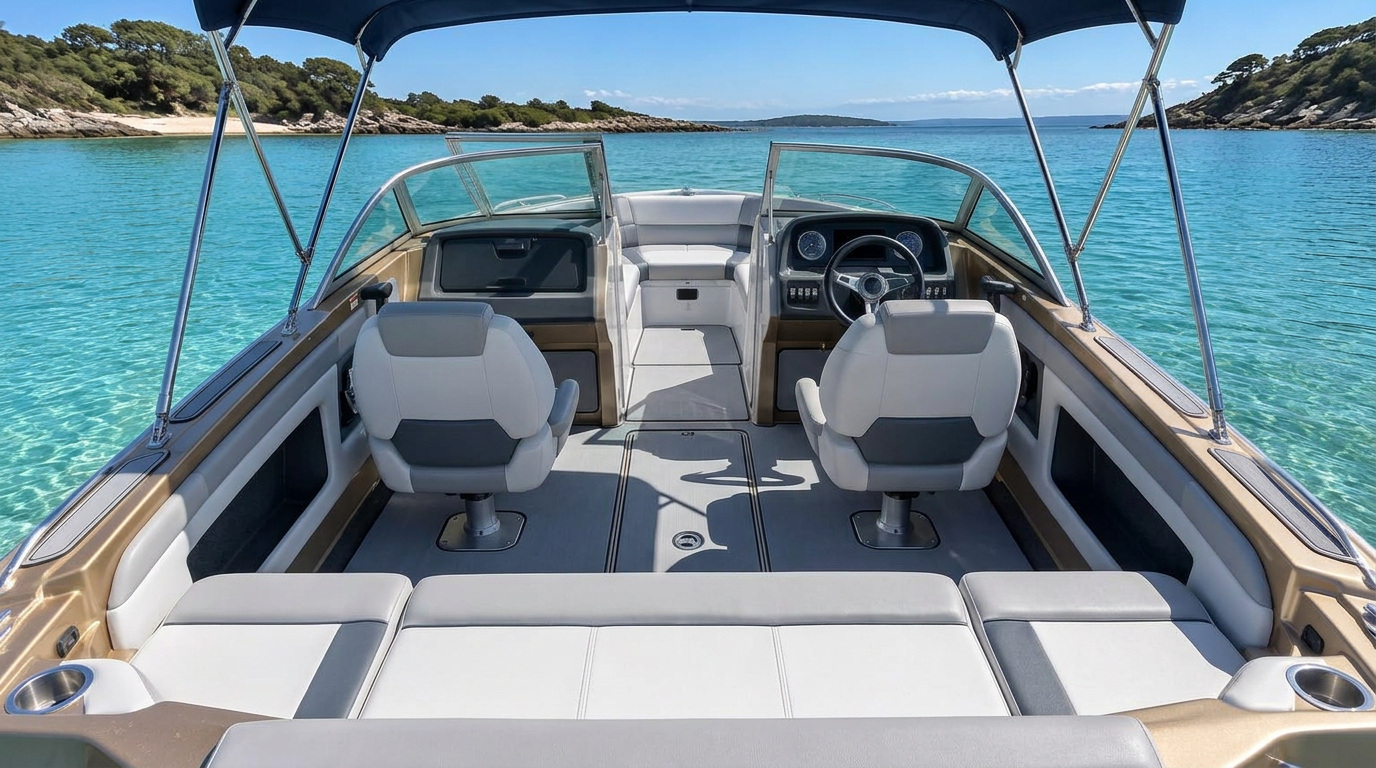
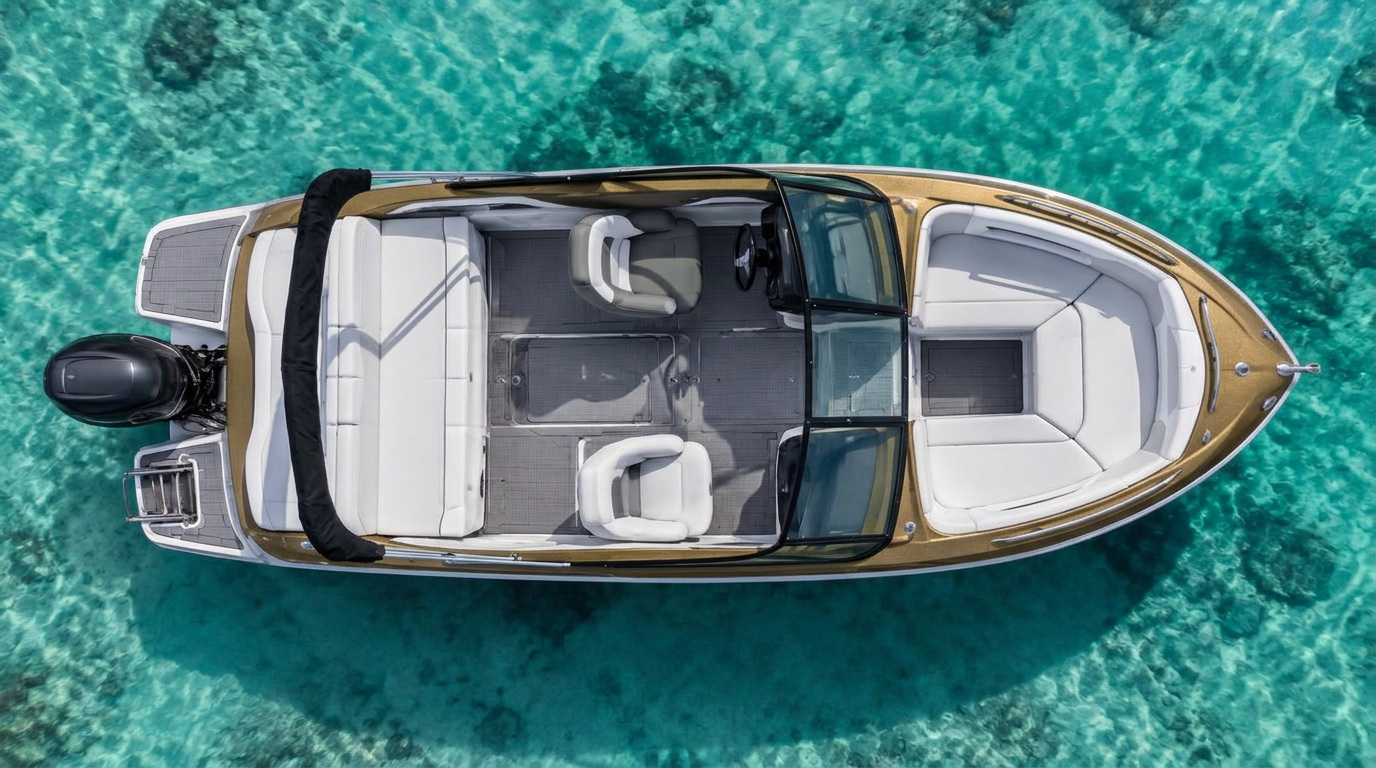
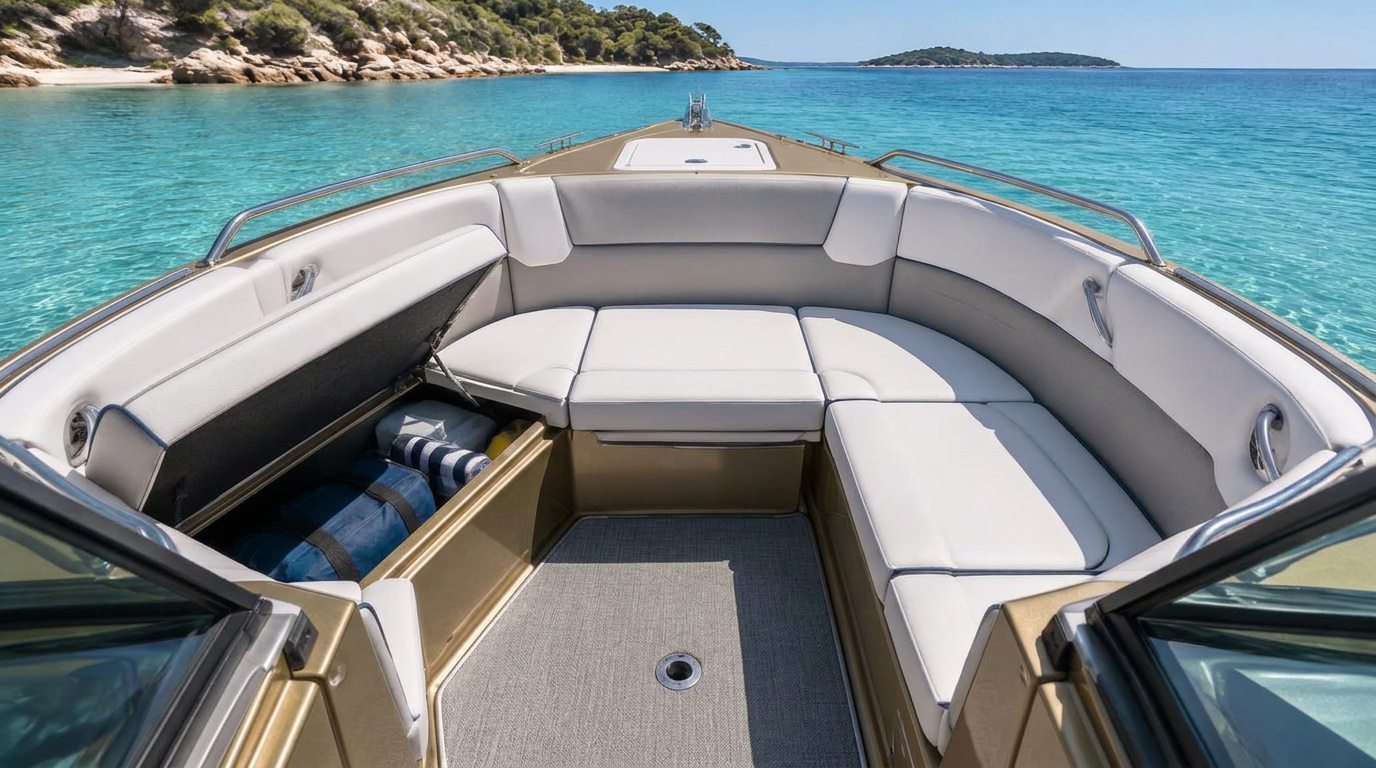
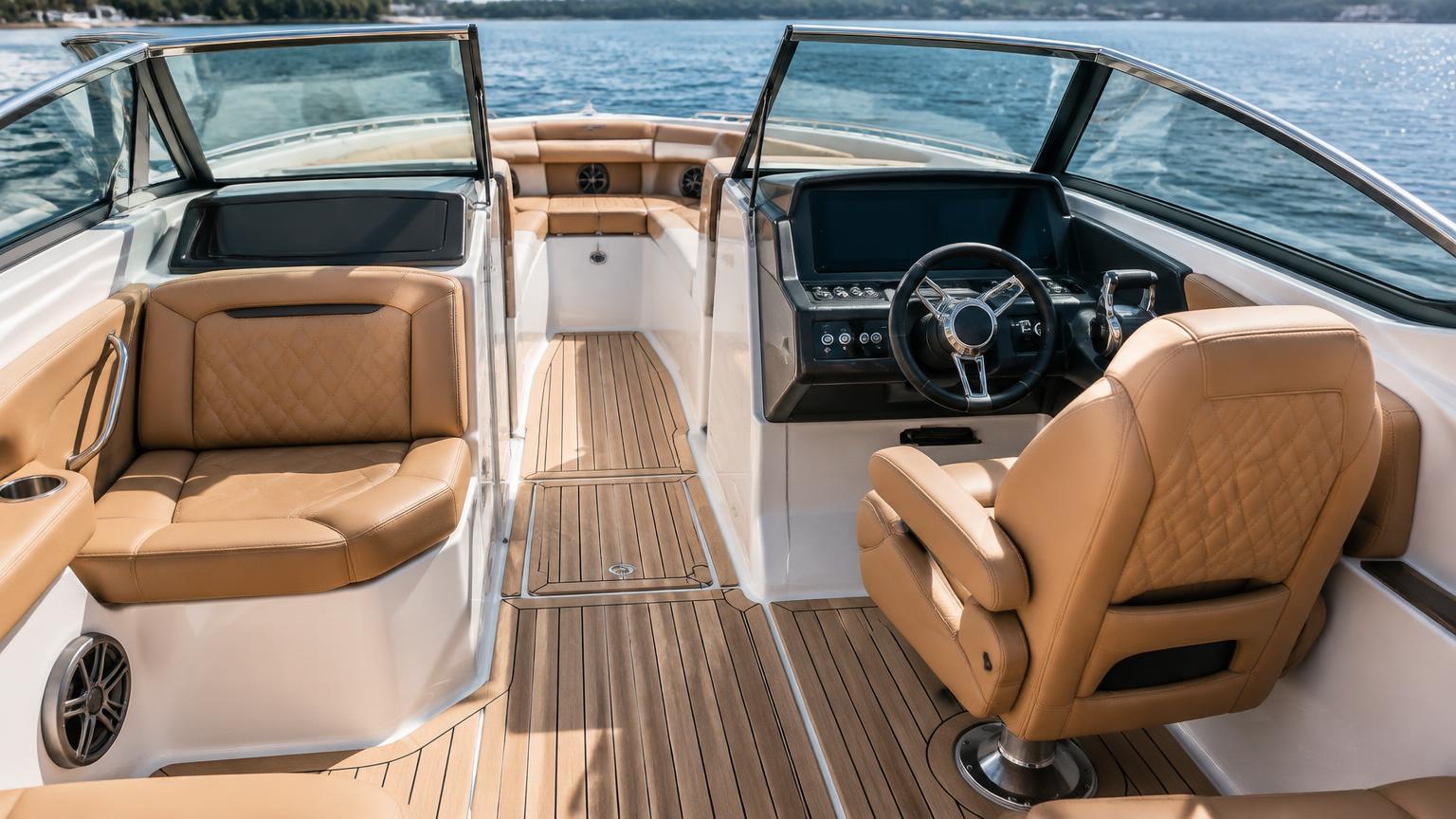
The difference is visible before anyone steps aboard. The foredeck is longer, the bow shoulders fuller and the gold-and-bronze topsides carry farther aft, giving the 590 a lower, more elegant visual line despite its extra freeboard. The forward lounge gains legroom as well as width, so adults can face forward without folding their knees into the walkway. Fit the centre cushion and it becomes a broad sun lounge; remove it and the deep footwell, padded backrests, grab rails and separate storage lockers make the bow a secure travelling position for children and adults.

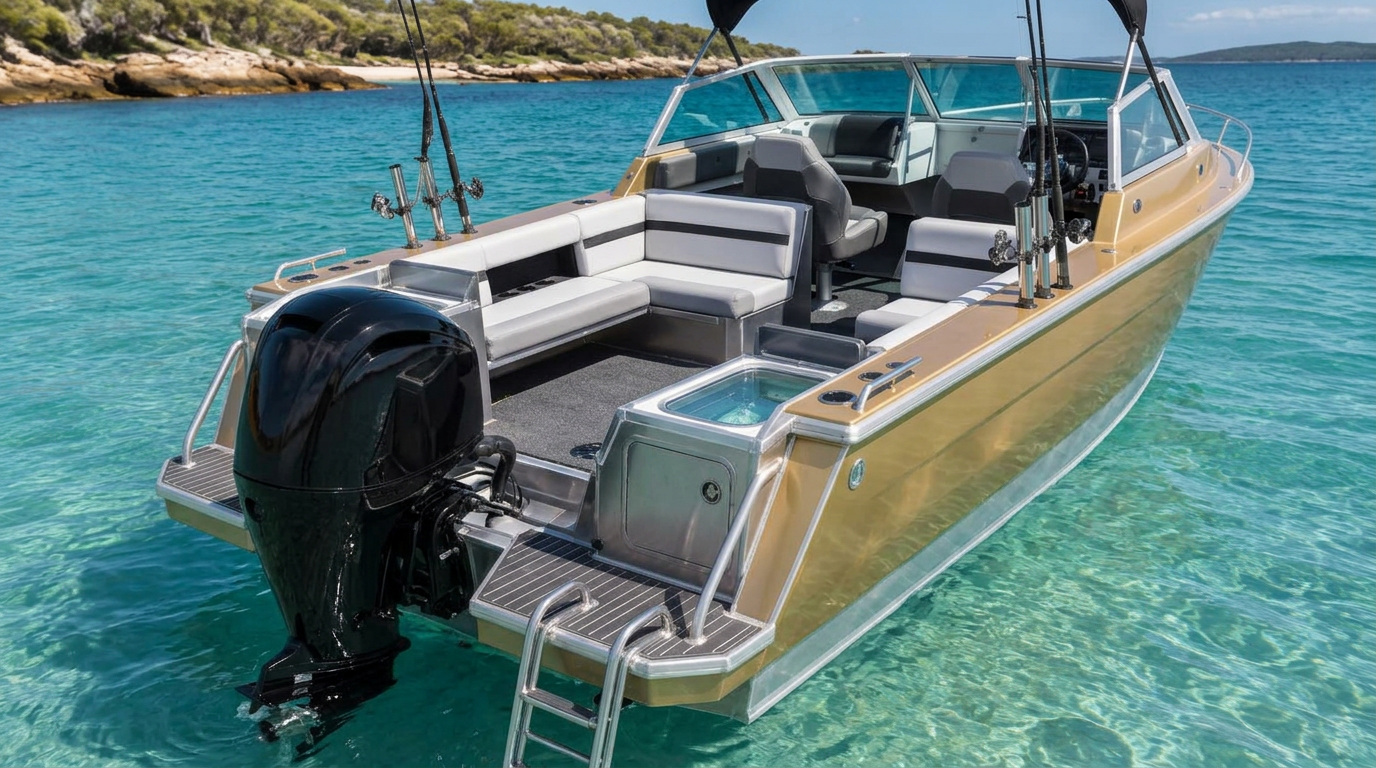
Behind the split walk-through windscreen, the additional hull length turns into practical space rather than decoration. The twin bolster seats retain the comfortable layout of the 540, but there is more distance between them and the rear lounge, a longer underfloor locker for skis and boards, and enough clear deck for several passengers to move without interrupting the driver. The rear bench can remain a social lounge for cruising or convert into a level casting platform, allowing the same boat to host a family lunch, an afternoon swim and an evening fish without a complete change of equipment.

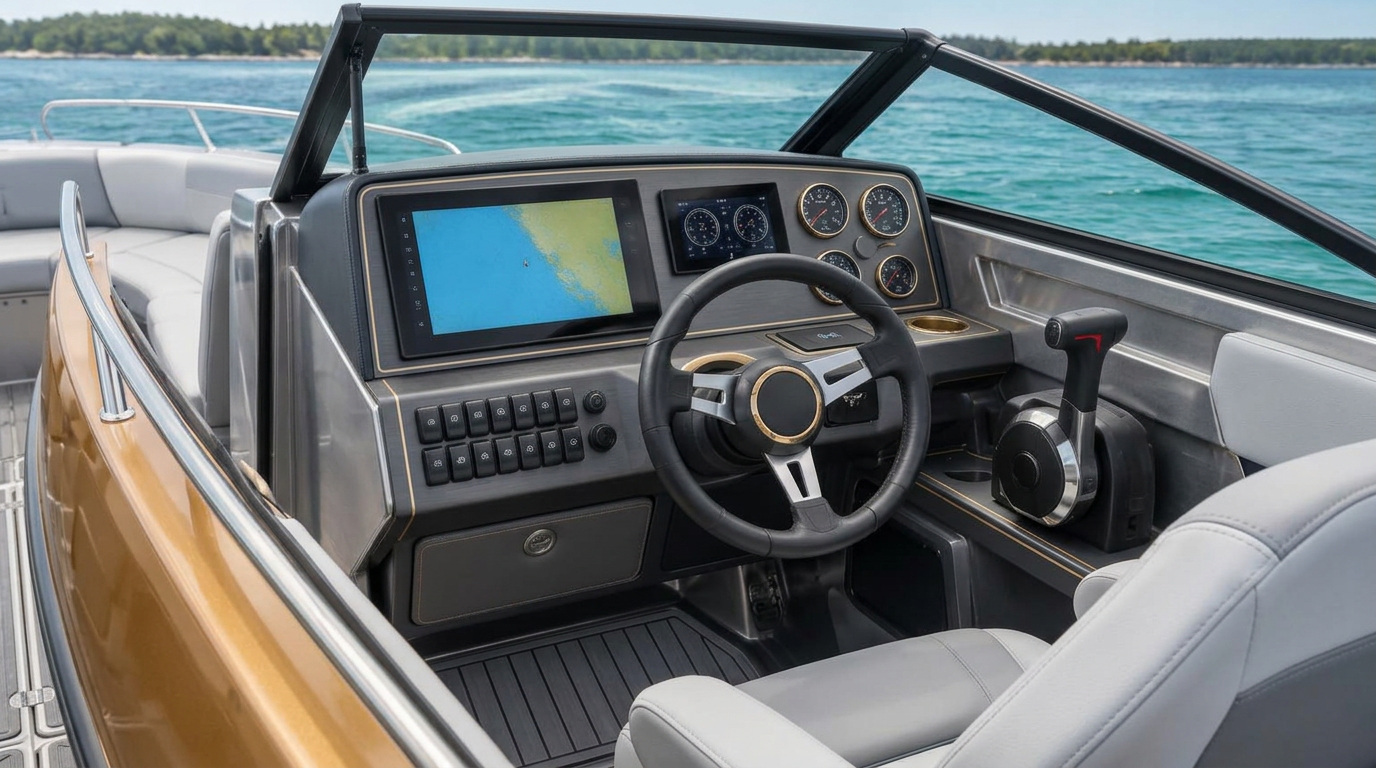
The 590 helm feels appropriate for a larger day boat. Its wider console can carry a large multifunction chartplotter beside digital engine information, conventional gauges and grouped switches, while the windscreen provides better protection across exposed water. A raised driving bolster gives a clear sightline over the bow at displacement speed, the throttle falls naturally to hand and the passenger console adds useful enclosed storage. Gold and bronze trim can make the presentation feel more premium, but the underlying layout remains practical, washable and simple to inspect.

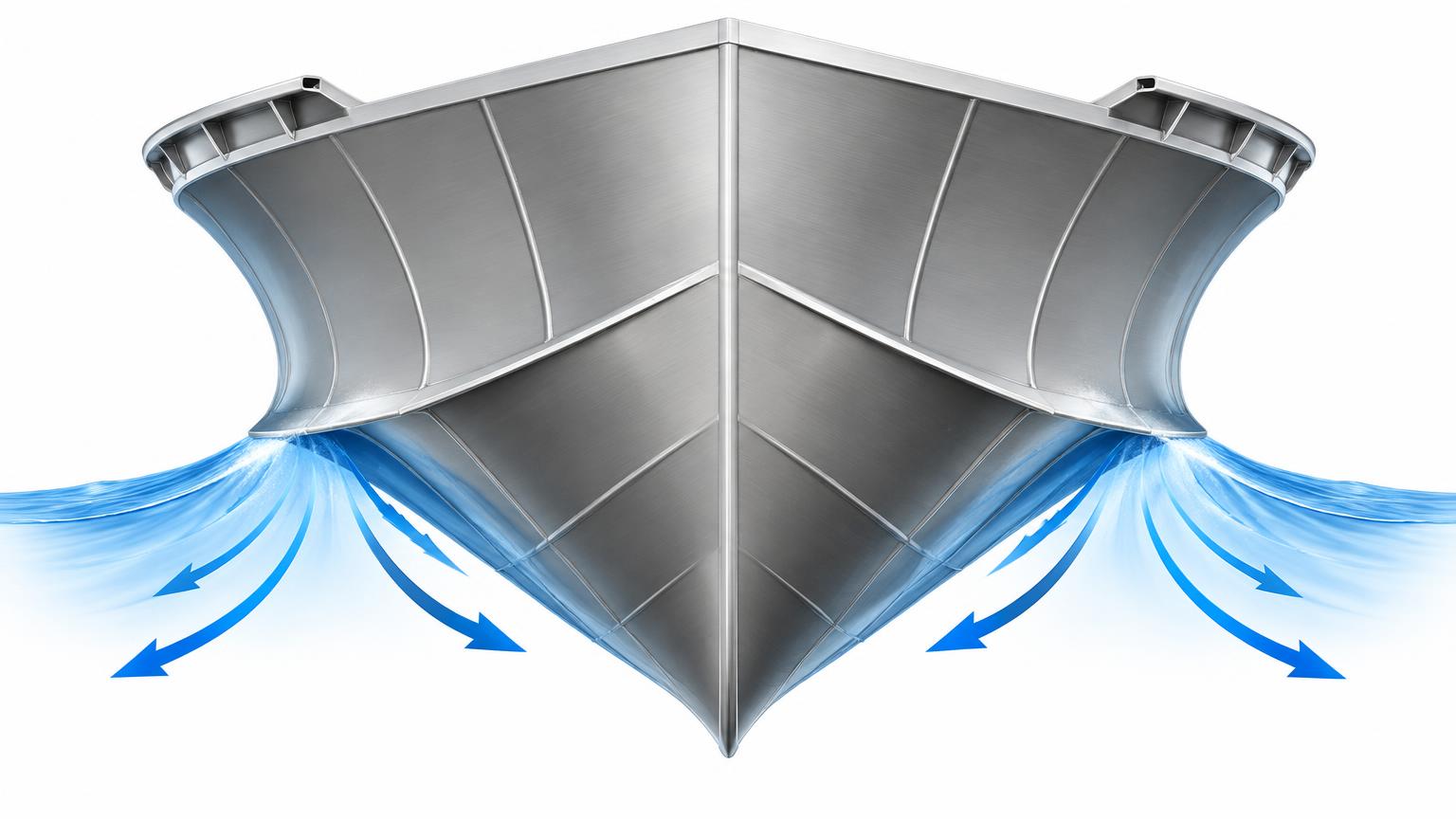
Ride quality is where the 590 earns its place above the 540. The longer waterline spans short, closely spaced chop instead of dropping into every trough, while the extra hull weight settles the boat and reduces abrupt reactions when passengers move. Quintrex's roll-formed aluminium construction permits a fine forward entry, curved side panels, variable deadrise, a flared bow and pronounced reverse chines. Together they split approaching water, direct spray away from the cockpit and create lift and stability as speed builds. It still feels lighter and more responsive than a similar fibreglass bowrider, yet it carries its momentum with noticeably more authority than the smaller Cruiseabouts.

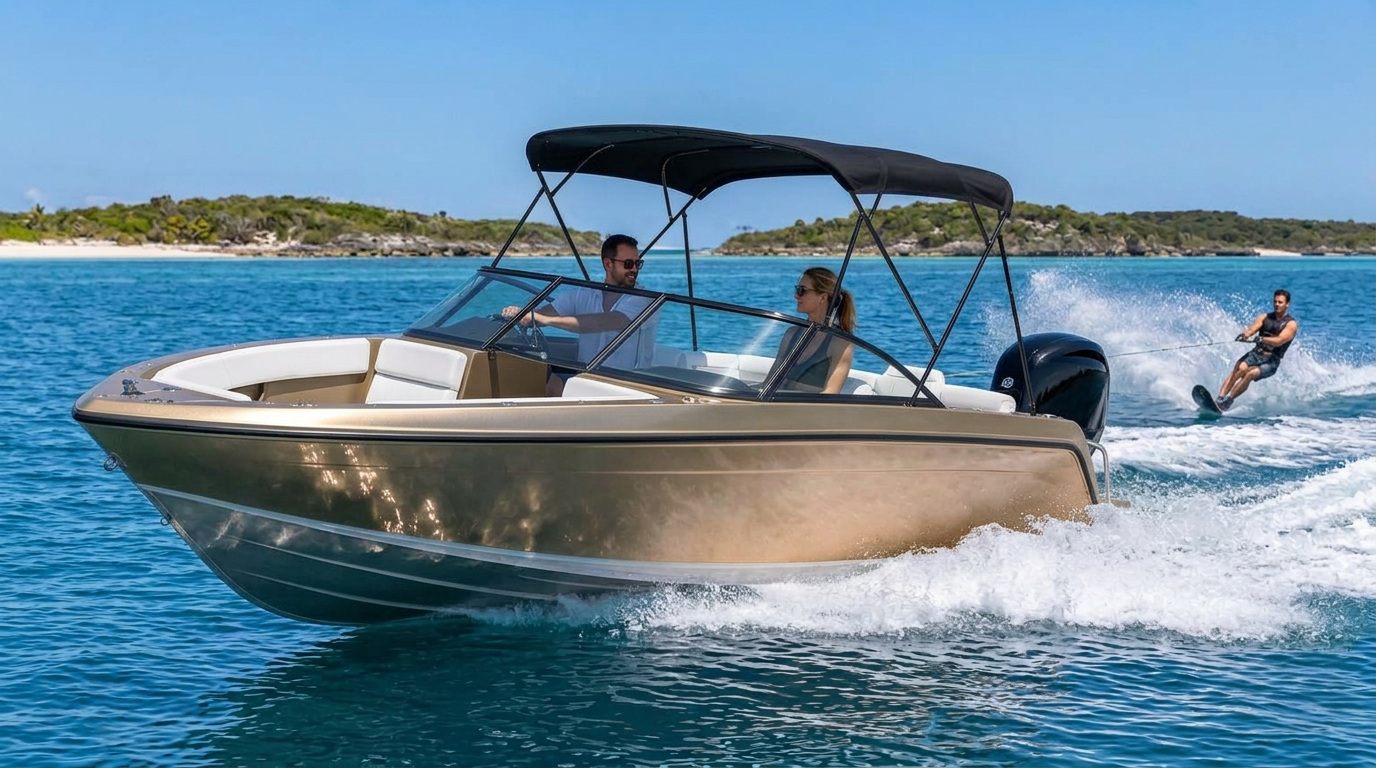
A 115 hp four-stroke suits light crews and relaxed cruising, but 130 to 150 hp better matches the 590's seven-person capacity and broader watersports role. The larger engines improve hole-shot with a skier, keep the hull on plane at lower throttle when the cockpit is full and provide useful reserve for crossing current or wind. A roughly 120-litre underfloor tank supports longer family days and gives a comfortable operating radius when the ramp is some distance from the destination, although owners should still calculate range conservatively and preserve a sensible fuel reserve.

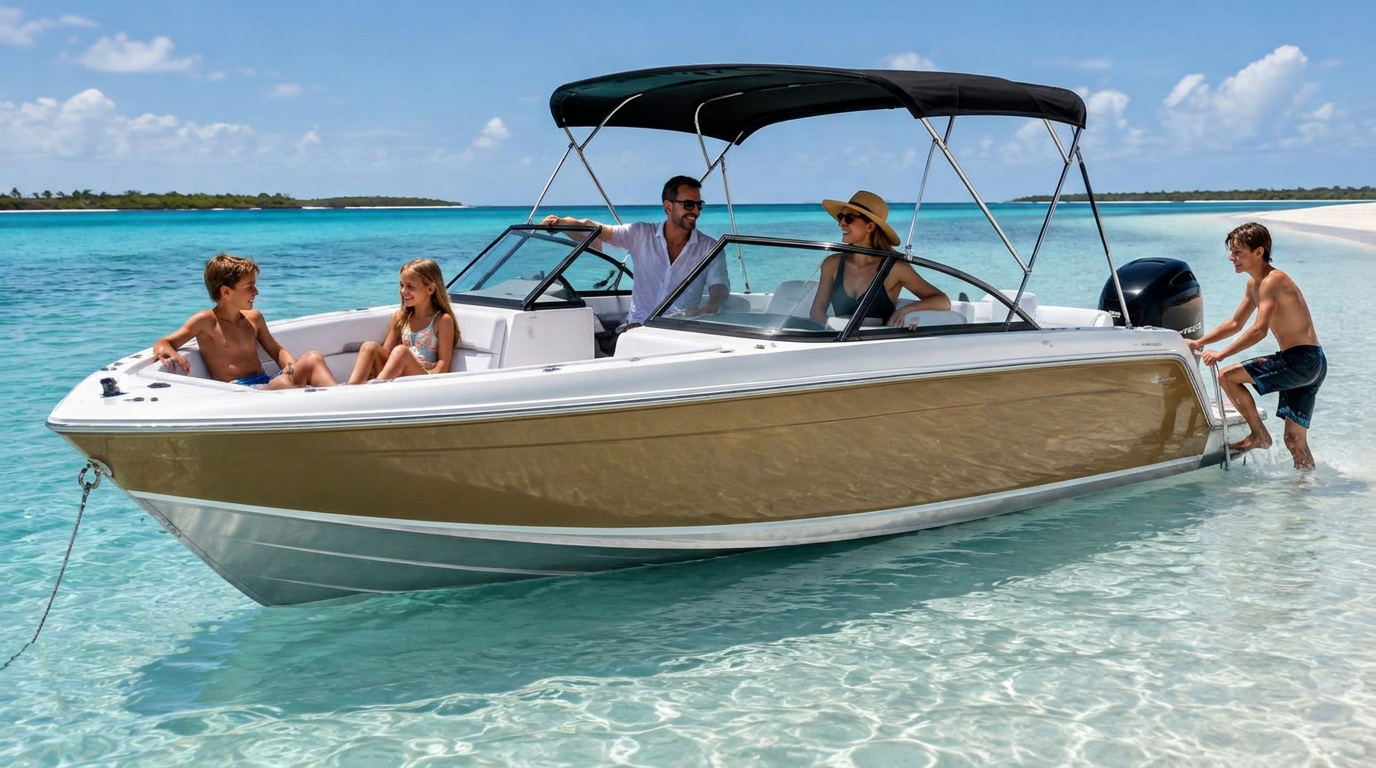
As a family platform, the extra 50 centimetres solves many small frustrations. Bags can stay under seats instead of filling the walkway, adults can pass between the consoles and rear lounge, and swimmers can use the stern ladder without climbing over loose tow gear. The raised bimini shades the central cockpit while leaving the bow open to the sun, and optional clears can protect the crew on cooler runs. Higher sides, additional handholds and more floor space also make the 590 easier to manage when younger passengers, fishing equipment and inflatable toys all arrive together.

The fishing conversion remains one of the boat's strongest practical qualities. Removing or rearranging the rear cushions reveals a broad casting area beside the live bait tank, rod holders and open transom access. The longer cockpit accepts more tackle without compromising the helm seats, while an optional bow-mount electric motor turns the forward deck into a useful casting position. Aluminium construction reduces anxiety around rocky banks, beaches and busy ramps, though owners should rinse salt away carefully and isolate dissimilar metals to prevent corrosion.

Towing and ownership require more planning than with the 540. A complete 590 package with a large four-stroke, fuel, batteries and tandem trailer can move beyond the comfortable limit of smaller SUVs, so buyers should confirm the actual plated rig weight, tow-ball load, vehicle rating and local brake requirements. Tandem axles add stability on the highway but increase servicing costs. At home, measure the trailer from coupling to propeller rather than relying on hull length, and allow room for the bimini, windscreen and outboard when checking garage clearance.

Used examples should be inspected from bow to transom. Look closely along chine and transom welds for cracking or previous repair, check painted areas around fittings for bubbling or powdery corrosion, test the floor for movement and inspect the bilge for trapped water. Operate the bimini, live bait system, electronics and every hatch, then review the outboard service record and compression history. Trailer brakes, bearings, springs and internal drawbar corrosion matter even more at this weight. Against the 540, the 590 costs more to buy, store and tow, but delivers a calmer ride, a true seven-person layout and the space to support longer, more ambitious family days.
Quintrex hulls are roll-formed rather than simply pressed, so the side sheets can be curved into concave and convex shapes instead of folded flat. That single manufacturing difference is what allows a fine, sharp entry at the stem, a deep variable deadrise carried well aft, and a bow that flares outward Carolina-style to throw spray sideways and down instead of back into the cockpit.
The Millennium hull introduced the softer, finer entry; the Blade hull sharpened it further with a deeper forefoot that slices chop rather than slapping it; and the APEX hull refined the topsides and chine geometry again for more lift and less spray. Pronounced reverse chines push a cushion of water outboard, which adds lift underway and makes the boat feel notably steadier at rest when everyone stands on one side. The aerated, foamy water the hull drags along its running surface acts as a cushion, taking much of the sting out of landings — the difference between slicing through a wave and belly-flopping onto it.


The world's best selling bowrider size, Light, simple and easy to tow.
US$38,000 - US$52,000 new

The refined mainstream benchmark: quiet, dry, and beautifully finished for the money.
US$72,000 - US$95,000 new

A premium 25-foot bowrider renowned for its deep seating, convertible lounges, refined ride and exceptional finish.
US$155,000 - US$210,000 new
Featured Boat of the Week

This week we are putting the Bayliner Bayliner DX2000 in the spotlight, and it earns the spot. At 20 ft 2 in (6.16 m) long on a 8 ft (2.44 m) beam, this is a bowrider that reads the water well and still feels roomy enough for a full day out. A 20-foot deck-boat-width bowrider with outboard power and a huge social cockpit. Power comes from 115-150 hp mercury fourstroke outboard through a outboard package, and the fibreglass hull keeps the ride settled when the afternoon breeze puts a chop on the surface.
Seating is rated for 8 people, so there is space for family, friends, towels, eskies and the tow rope without anyone climbing over gear. Owners tend to buy it for family, water ski, leisure — which is exactly where it shines. Fuel is 30 us gal (114 l), and on the second-hand and new market you should expect to land somewhere around US$42,000 - US$58,000 new depending on hours, trailer and options.
Our full deep dive covers the layout in detail: bow lounge comfort, helm ergonomics, the rear entertaining area, storage that actually swallows a weekend, plus standard features, popular options and honest notes on where the boat compromises. If the Bayliner DX2000 is on your shortlist, start there — and check back next week, because the featured boat changes every week as we complete more full model reviews.
Featured Bowrider Article
Buying Advice

Family boating rewards getting size right more than any other use. Too small and half the family sits uncomfortably; too big and the boat becomes a logistical project you use less often. Here is what each size band actually delivers. This size is the easiest boat to own. It tows behind a family SUV, fits in a garage, launches solo and costs the least to run. Four to six people fit, which suits a family of four with room for a friend. The limits appear in rough water and on longer trips. Light hulls of this length get bounced by a chop, and a full load slows the boat noticeably. For lakes, rivers, calm bays and short outings it is often the most-used boat in a family's history. This is where most families end up, and for good reason. Six to eight people fit comfortably, the hull has enough weight and deadrise to handle a seabreeze chop, and the boat still tows behind a mid-size SUV and fits on a single-axle or light tandem trailer. It is also the deepest part of the used market, which means better choice when buying and easier selling later. Bow lounges are long enough for adults, rear seating usually…
Read the full article