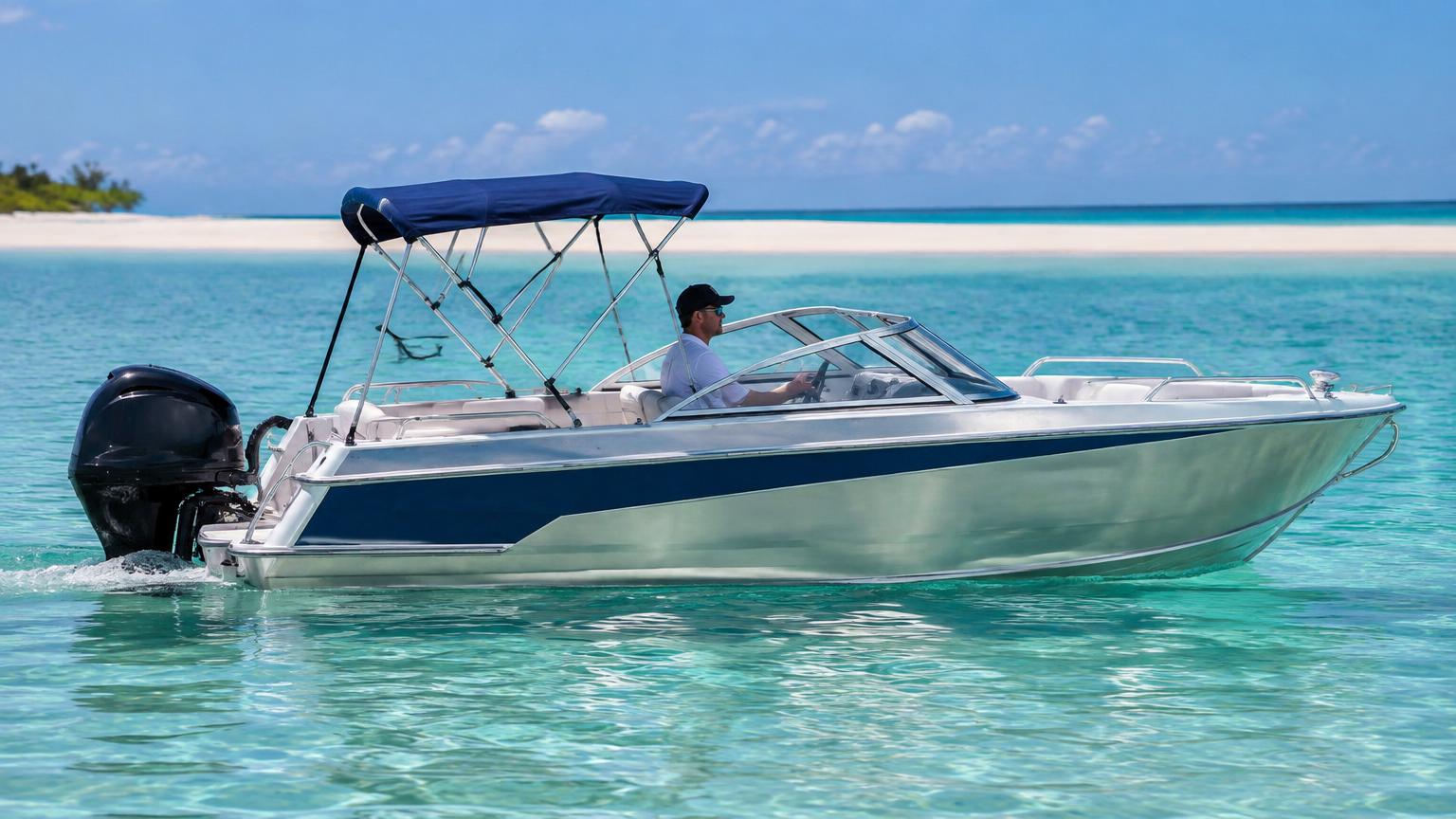
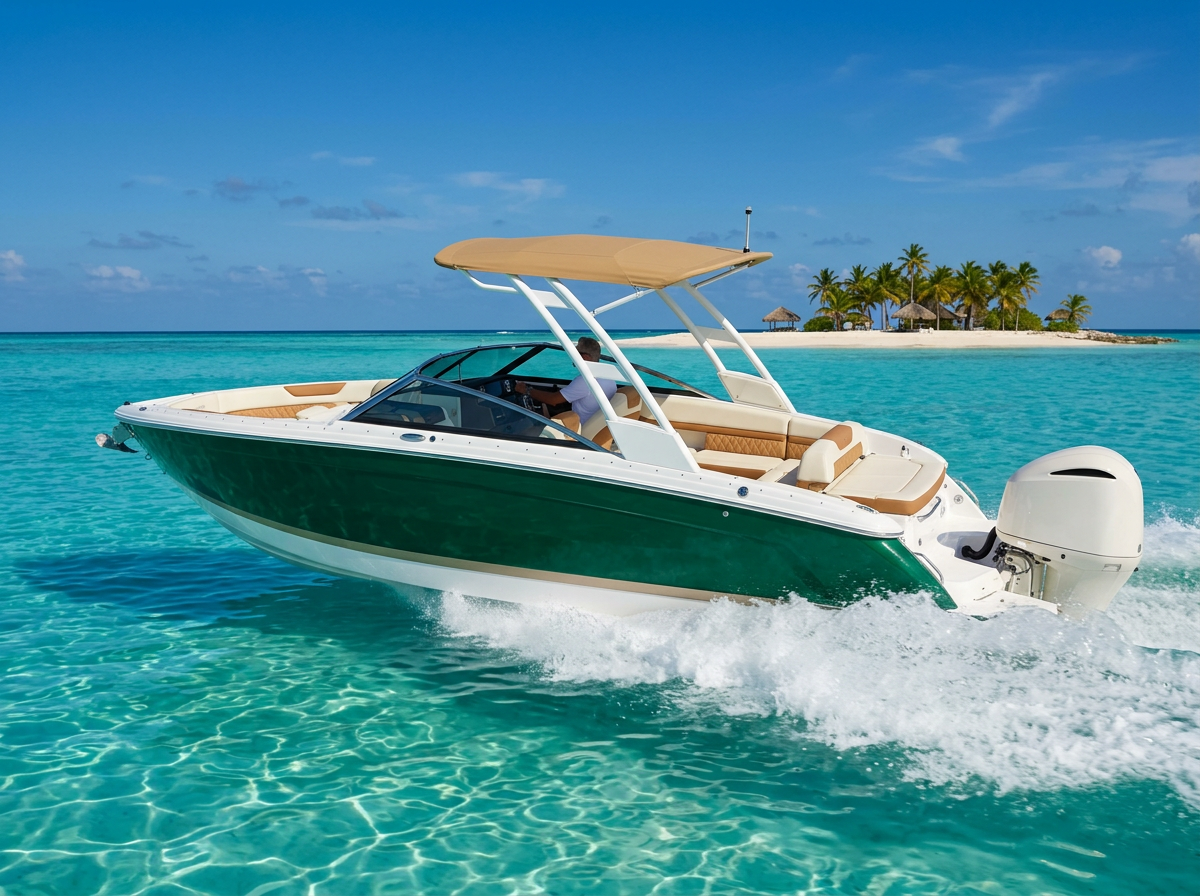
Bayliner VR5
The world's best selling bowrider size, Light, simple and easy to tow.
- Length
- 19 ft 9 in (6.02 m)
- Drive
- Outboard
- Seats
- 8 people / 1,150 lb
US$38,000 - US$52,000 new
Site Menu — Find Your Page
Bowrider Boats Mega Website

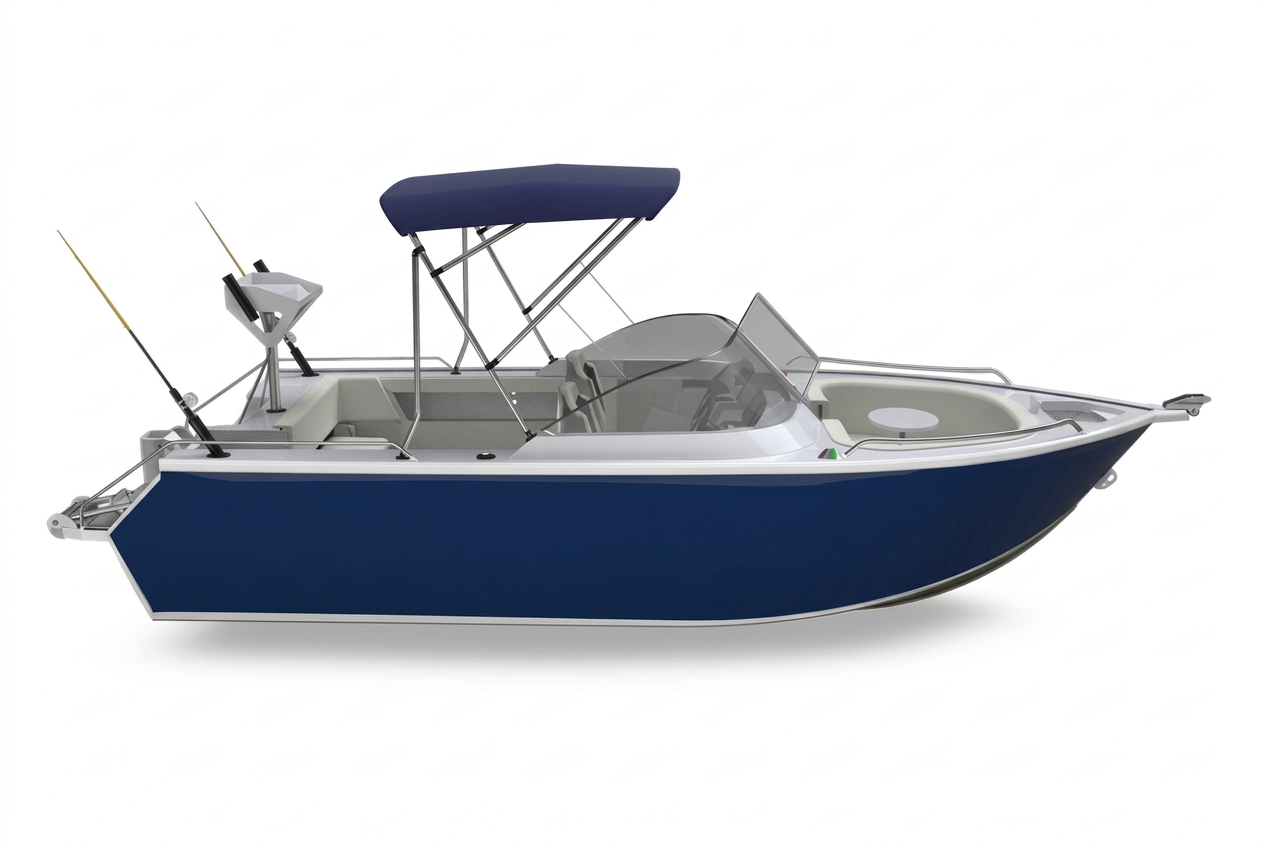
The Quintrex 481 Cruiseabout is the entry point to Australia's biggest-selling aluminium bowrider family, and it is the size most families actually need. At 4.81 m (15 ft 9 in) hull length on a 2.15 m (7 ft 1 in) beam, the whole rig — boat, four-stroke outboard and single-axle trailer — sits comfortably under the towing capacity of a mid-size SUV and fits in a standard suburban garage or carport.

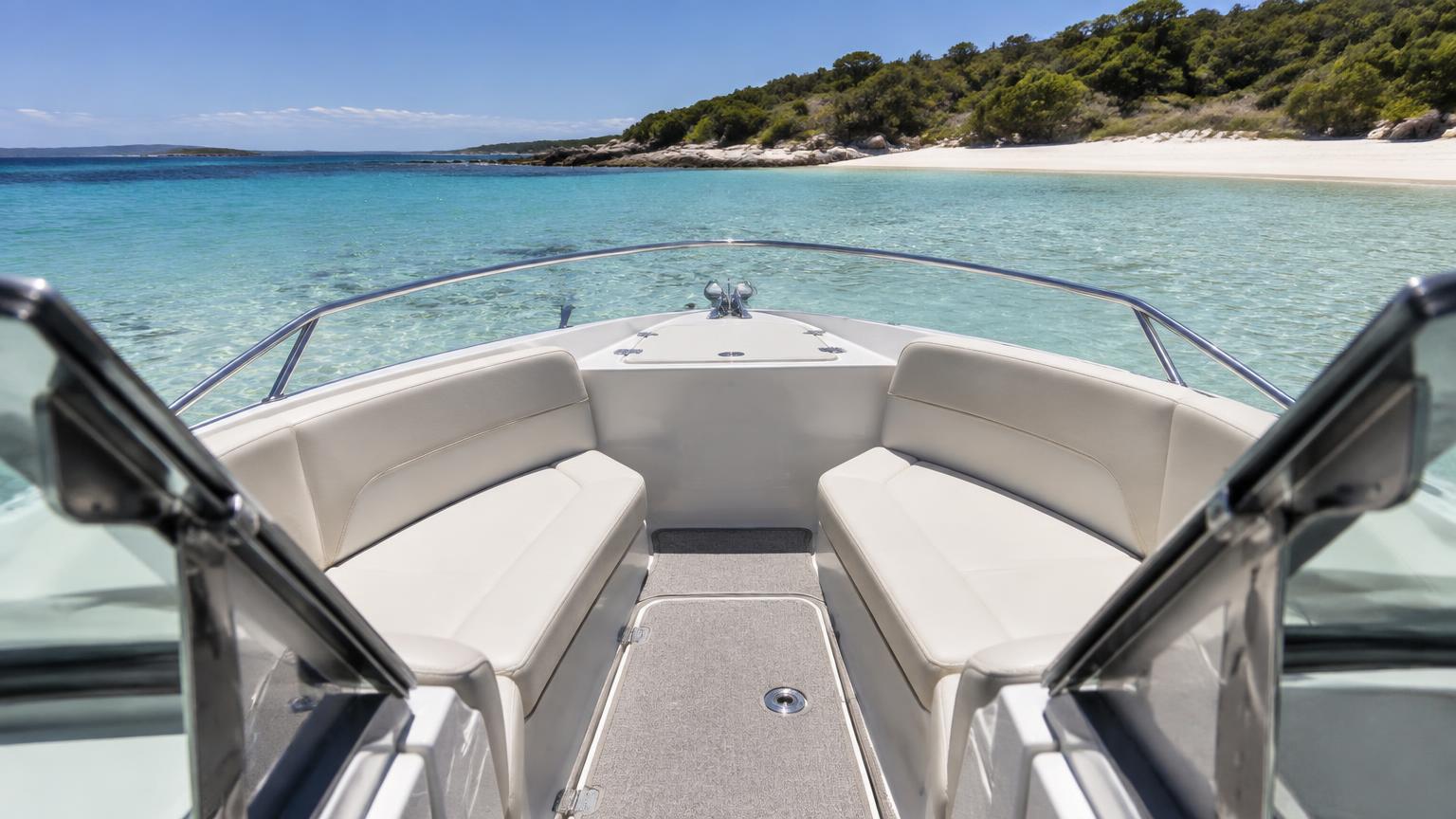
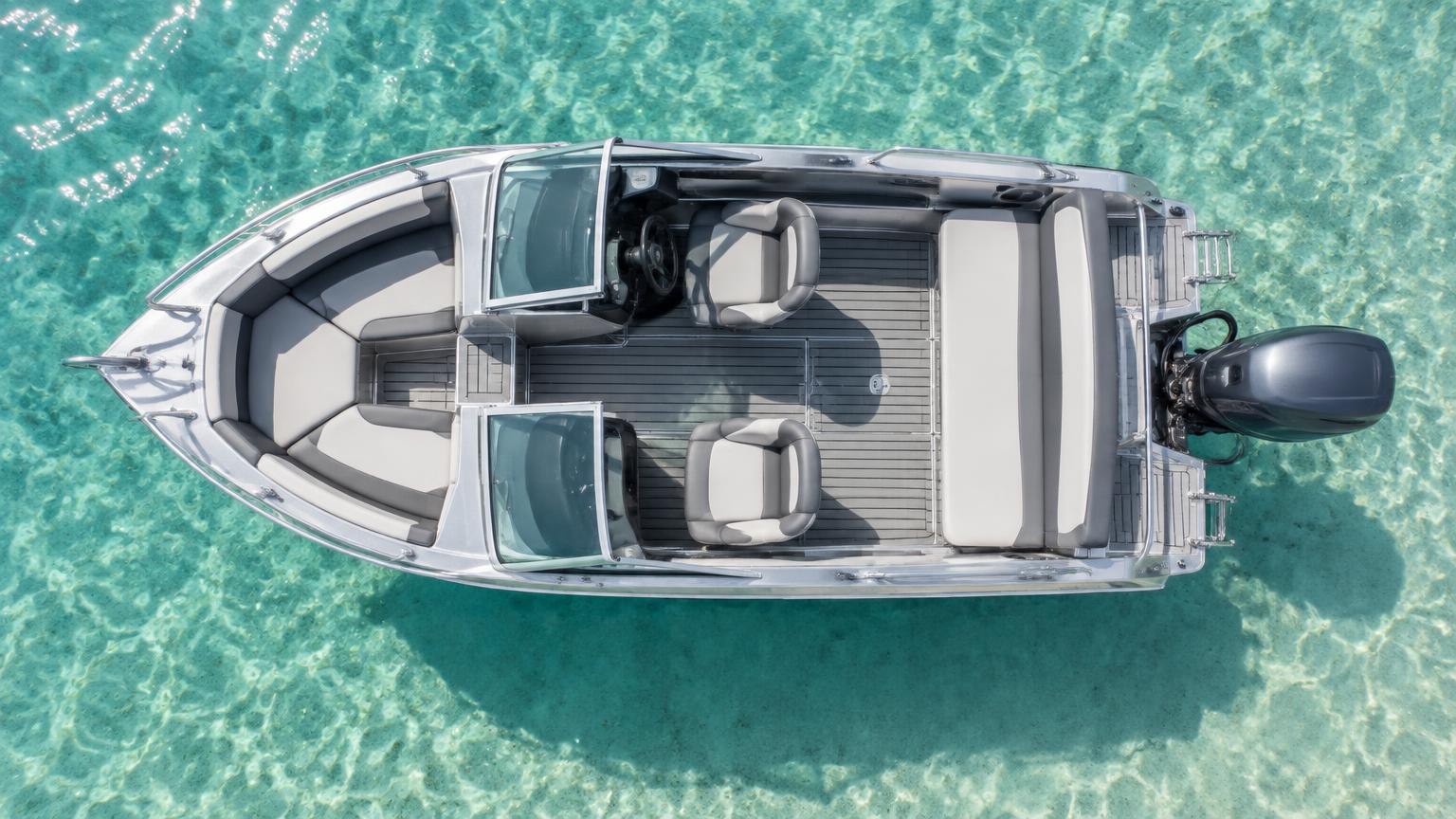
Where an older pressed alloy runabout felt like a fishing boat with cushions thrown in, the 481 is laid out as a genuine bowrider. The forward lounge seats two adults facing each other with padded backrests, under-seat storage and a moulded anchor well ahead of them. A split walk-through windscreen means nobody clambers over the screen to get forward, and stainless bow rails run the full sweep of the foredeck so children have something to hold.

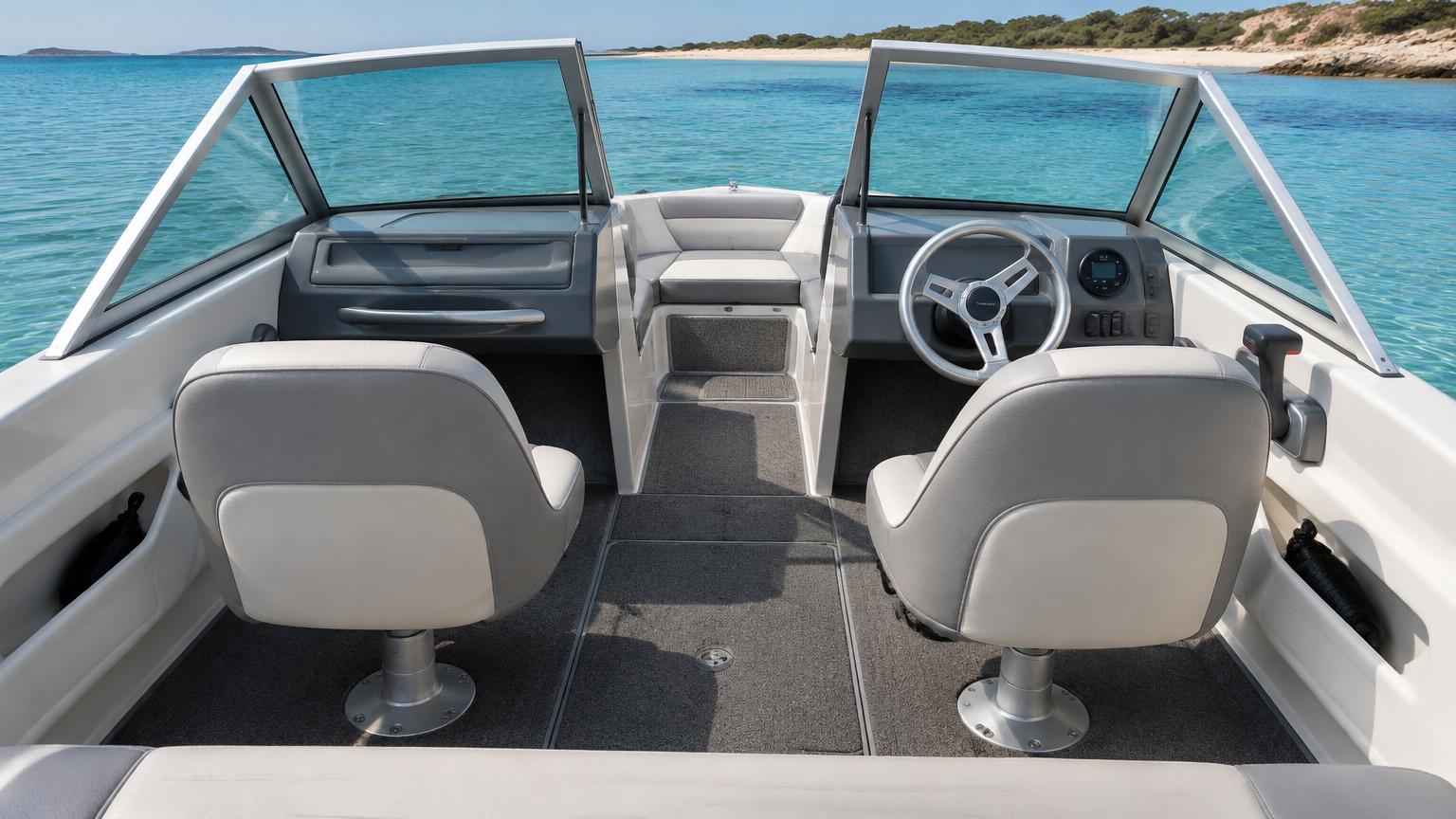
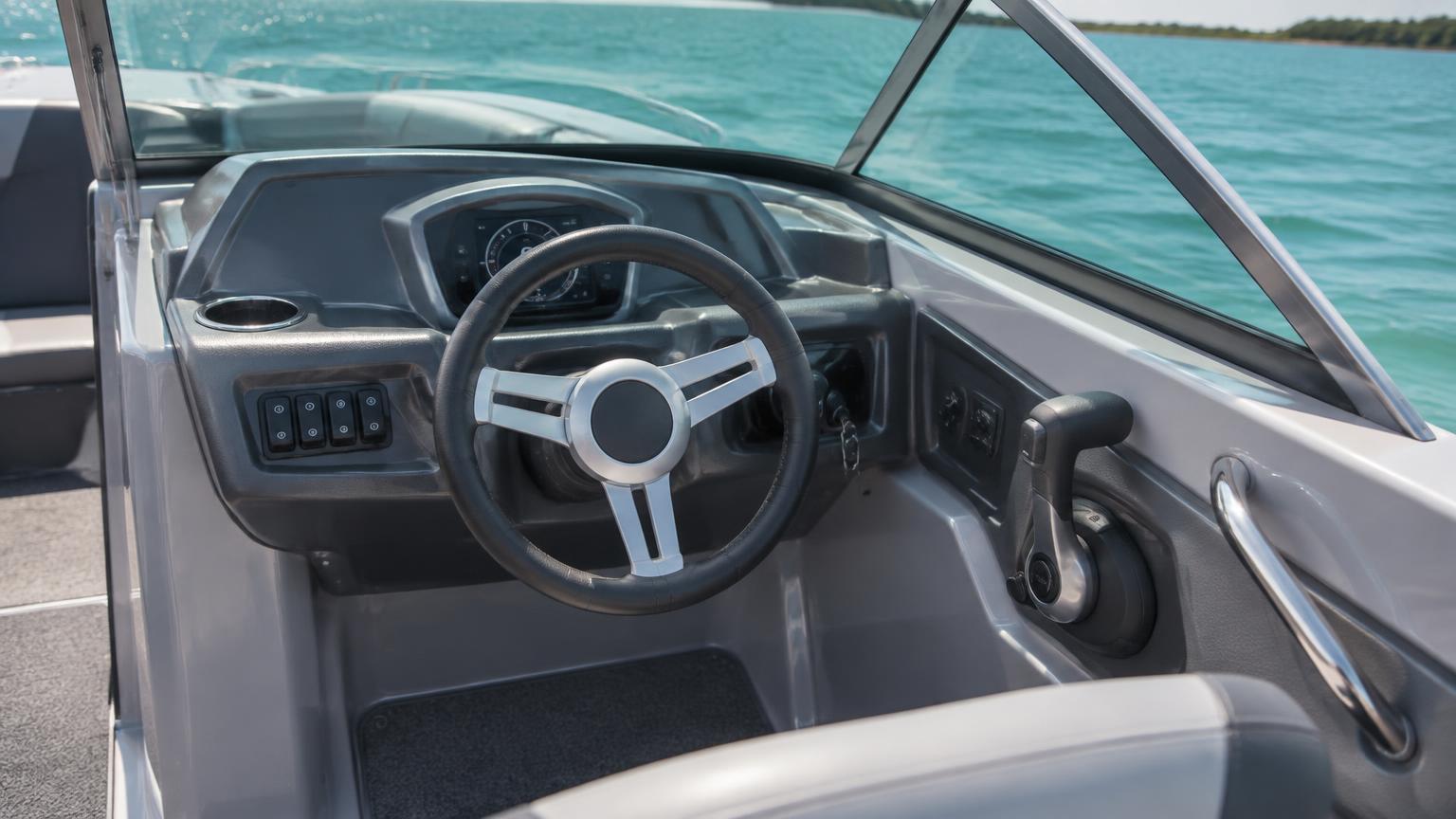
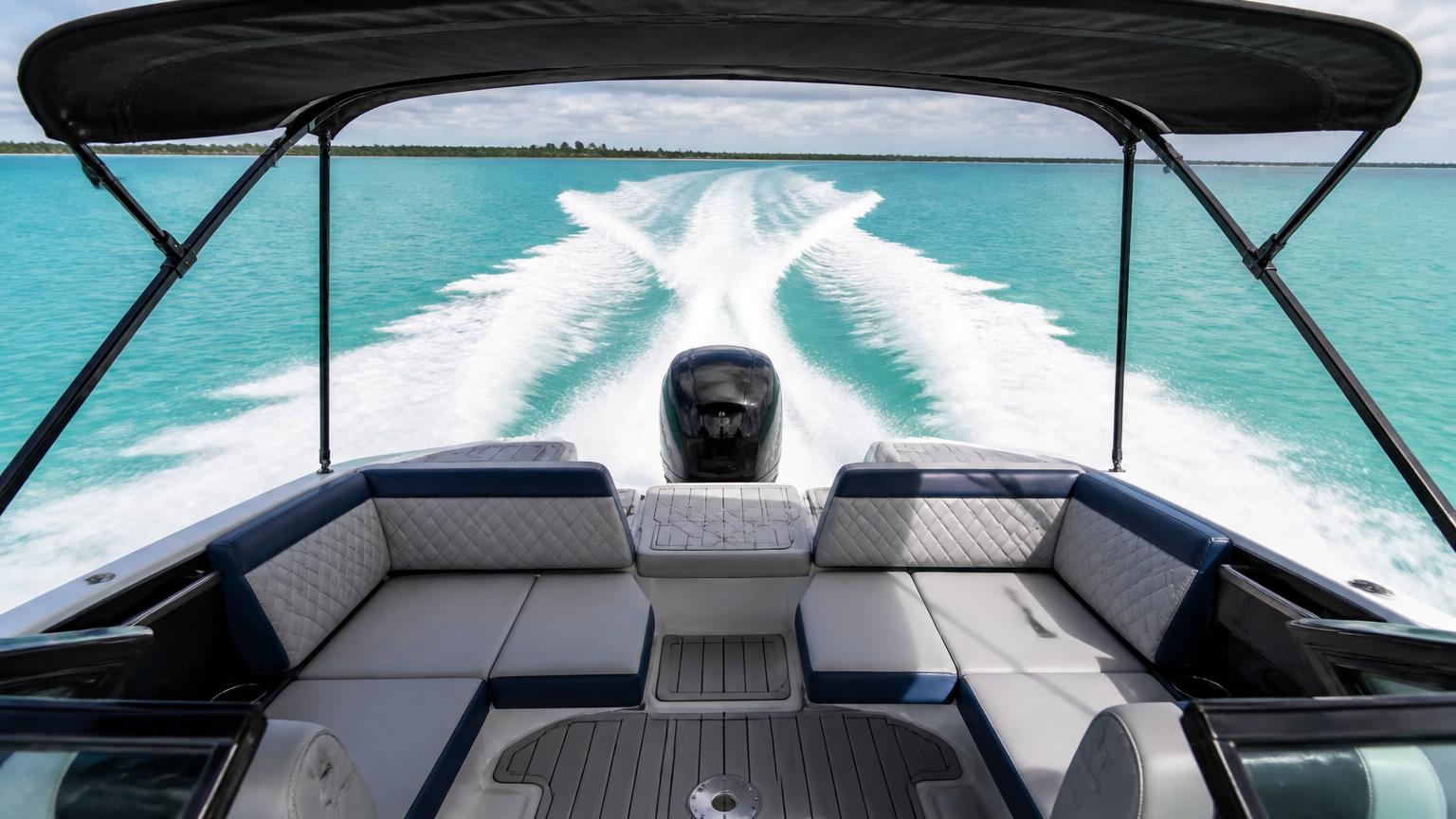
Behind the screen the cockpit is deliberately simple: twin swivelling pedestal seats on alloy posts, a grey moulded dash with a compact digital engine display, rocker switch panel and a single-lever side-mount throttle, carpeted floor with a drained ski locker beneath, and side pockets long enough for rods and paddles. The rear bench cushions lift out in under a minute to expose a flat alloy casting platform, which is the trick that lets one boat be a family cruiser on Sunday and a fishing boat on Monday.

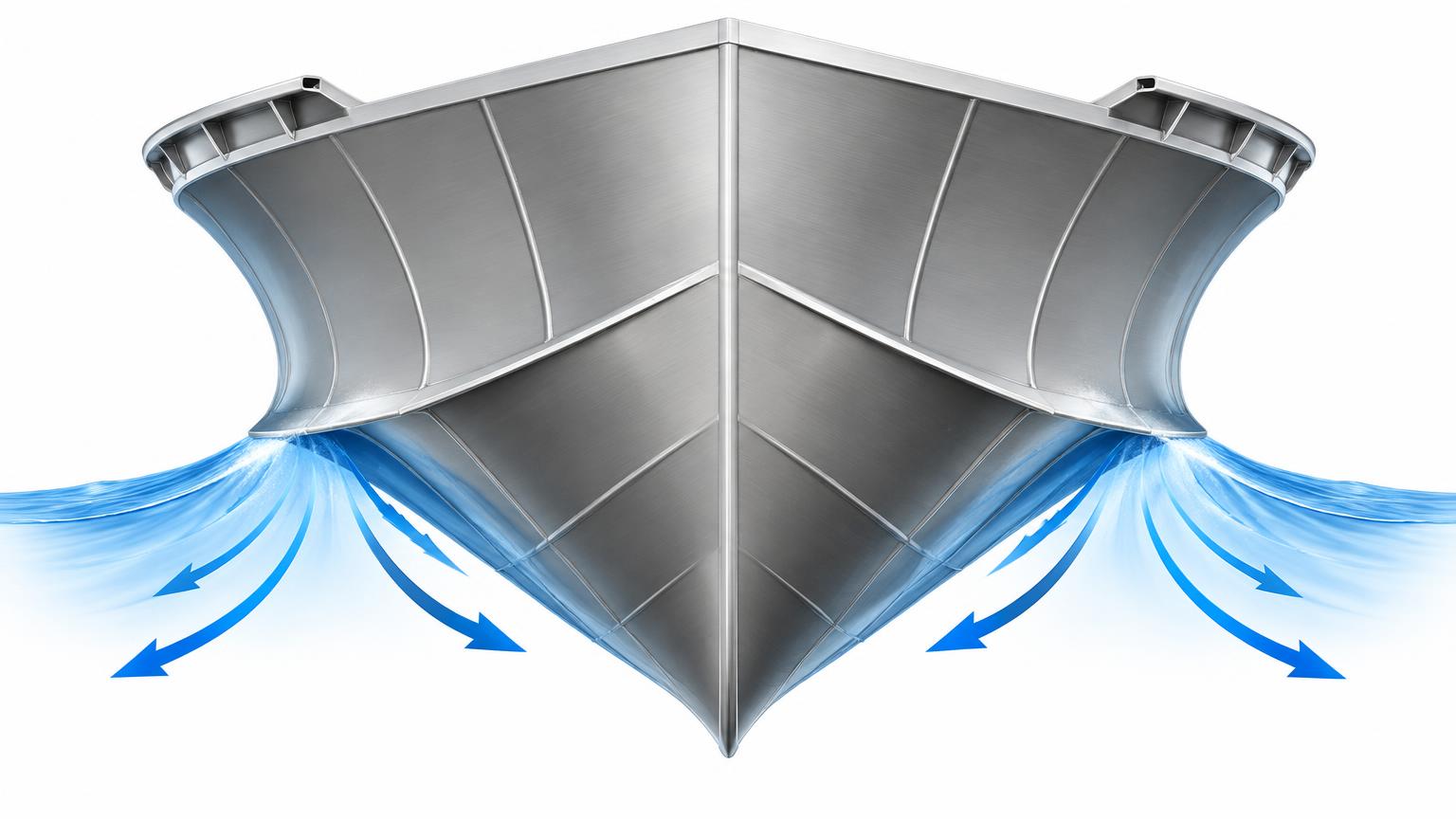
Ride quality is where the modern Cruiseabout separates itself from the alloy stereotype. Quintrex build these hulls with roll-formed side sheets rather than simple press folds, which allows a curved, concave bow section, a genuinely fine entry at the stem and a variable deadrise that stays deep well aft. The bow flares outward Carolina-style to throw spray sideways and down instead of into the cockpit, and pronounced reverse chines push a cushion of water outboard for lift underway and reassuring stability at rest. On a wind chop the hull slices where an older flat-sided tinnie would slap, and the aerated, foamy water it drags along the running surface takes a surprising amount of sting out of the landings.

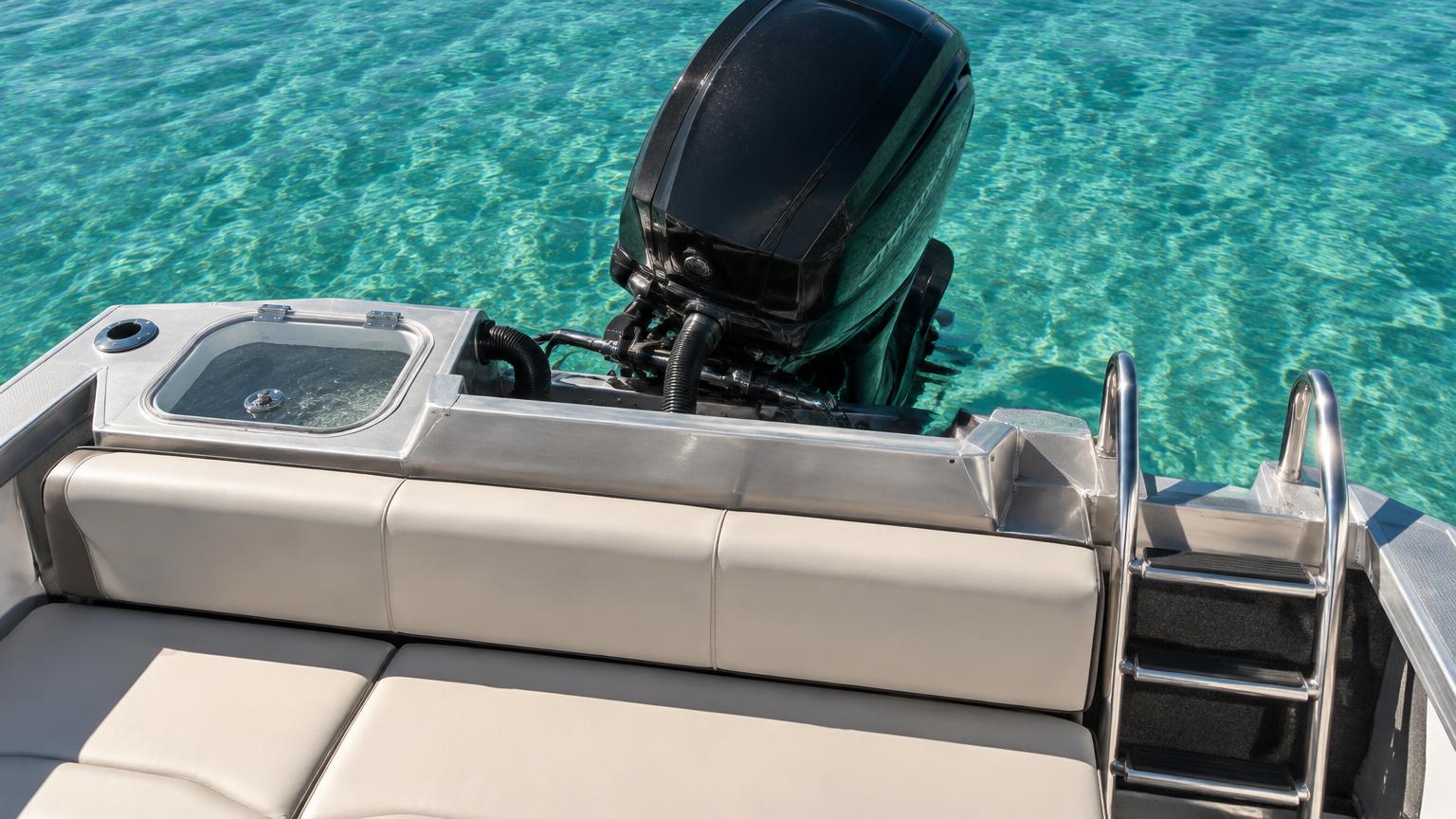
A 70 to 90 hp four-stroke is the natural fit. With 90 hp on the transom the 481 planes quickly with four aboard, cruises comfortably in the mid-20-knot range at around 12-16 litres per hour and will tow a biscuit or a single adult skier without drama. A 60 hp is enough for lake and estuary work with lighter loads, and the extra 30 kg saved on the transom is noticeable in a following sea. Because everything hangs outside the boat, the cockpit stays open, servicing is straightforward anywhere in Australia or New Zealand, and there is no sterndrive leg to flush, bellows to replace or gimbal bearing to worry about.

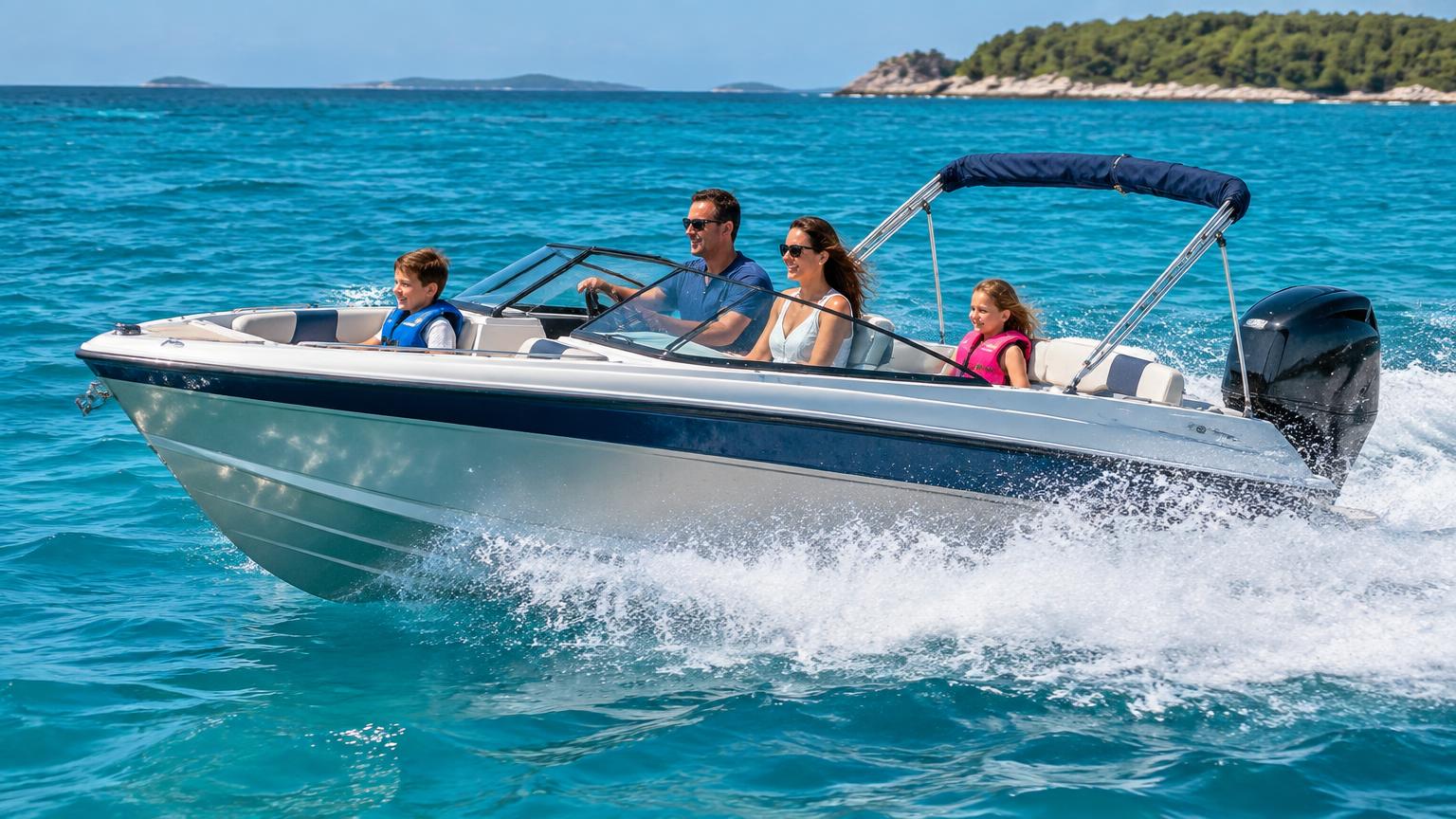
As a family day boat the 481 does the essentials well: a bimini top for shade over the cockpit, side clears for cool mornings, a boarding ladder on the transom, a live bait tank in the stern moulding and enough dry storage for towels, a cooler and safety gear. It launches and retrieves single-handed on a shallow ramp, and it will nose onto a sandbar or beach without the anxiety a gelcoat hull brings.

Buying used, aluminium is a forgiving material but not a maintenance-free one. Run your eye along the chine and transom welds for cracks or repairs, look for electrolysis blistering and paint lifting around through-hull fittings and the bung, check the transom for softness or movement under the outboard, and lift the floor hatch to see whether the bilge has been left wet. Then inspect the trailer as carefully as the boat: in salt water the trailer almost always dies first, and springs, bearings and a rusted-out drawbar can quietly add several thousand dollars to a cheap rig.

Against a same-length fibreglass bowrider the 481 trades a little plushness and a little weight-driven ride comfort for lighter towing, tougher ramp manners, cheaper repairs and strong resale — Cruiseabouts hold their money remarkably well across Australia and New Zealand because there is always another family wanting a first boat.

Quintrex hulls are roll-formed rather than simply pressed, so the side sheets can be curved into concave and convex shapes instead of folded flat. That single manufacturing difference is what allows a fine, sharp entry at the stem, a deep variable deadrise carried well aft, and a bow that flares outward Carolina-style to throw spray sideways and down instead of back into the cockpit.
The Millennium hull introduced the softer, finer entry; the Blade hull sharpened it further with a deeper forefoot that slices chop rather than slapping it; and the APEX hull refined the topsides and chine geometry again for more lift and less spray. Pronounced reverse chines push a cushion of water outboard, which adds lift underway and makes the boat feel notably steadier at rest when everyone stands on one side. The aerated, foamy water the hull drags along its running surface acts as a cushion, taking much of the sting out of landings — the difference between slicing through a wave and belly-flopping onto it.


The world's best selling bowrider size, Light, simple and easy to tow.
US$38,000 - US$52,000 new

The refined mainstream benchmark: quiet, dry, and beautifully finished for the money.
US$72,000 - US$95,000 new

A premium 25-foot bowrider renowned for its deep seating, convertible lounges, refined ride and exceptional finish.
US$155,000 - US$210,000 new
Featured Boat of the Week

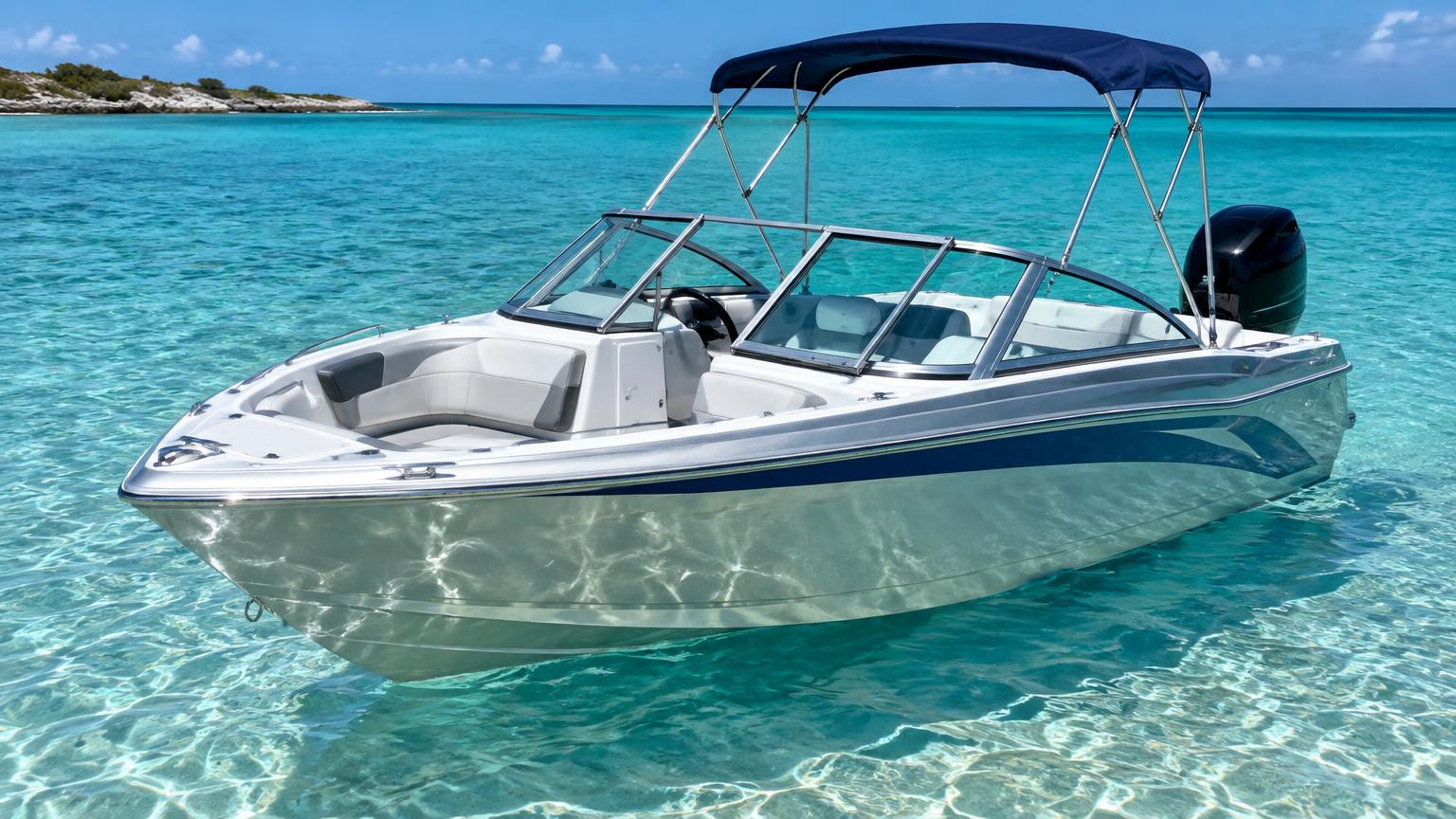
This week we are putting the Bayliner Bayliner DX2000 in the spotlight, and it earns the spot. At 20 ft 2 in (6.16 m) long on a 8 ft (2.44 m) beam, this is a bowrider that reads the water well and still feels roomy enough for a full day out. A 20-foot deck-boat-width bowrider with outboard power and a huge social cockpit. Power comes from 115-150 hp mercury fourstroke outboard through a outboard package, and the fibreglass hull keeps the ride settled when the afternoon breeze puts a chop on the surface.
Seating is rated for 8 people, so there is space for family, friends, towels, eskies and the tow rope without anyone climbing over gear. Owners tend to buy it for family, water ski, leisure — which is exactly where it shines. Fuel is 30 us gal (114 l), and on the second-hand and new market you should expect to land somewhere around US$42,000 - US$58,000 new depending on hours, trailer and options.
Our full deep dive covers the layout in detail: bow lounge comfort, helm ergonomics, the rear entertaining area, storage that actually swallows a weekend, plus standard features, popular options and honest notes on where the boat compromises. If the Bayliner DX2000 is on your shortlist, start there — and check back next week, because the featured boat changes every week as we complete more full model reviews.
Featured Bowrider Article
Ownership

More boats are damaged sitting still than being used. A weekend spent laying up a bowrider properly prevents frost damage, fuel problems, flat batteries, mildew and cracked vinyl — and makes the first trip of the next season a pleasure rather than a repair bill. Flush thoroughly with fresh water, then change engine oil and filters while the oil is warm so contaminants leave with it. Change the gearcase or lower unit oil too, and inspect what comes out for water or metal. In freezing climates, drain all raw water from sterndrive blocks, manifolds and hoses, or fill the system with the correct concentration of non-toxic antifreeze. Fog the cylinders if the manufacturer recommends it, grease all fittings, and store outboards in the fully down position so water drains out of the leg. Fill the fuel tank to around ninety per cent and add a quality fuel stabiliser, then run the engine long enough to draw treated fuel through the whole system. A nearly full tank limits condensation, and stabiliser prevents the gum and phase separation that ruin injectors and carburettors. Drain freshwater tanks, showers, ballast systems and toilets completely, and pump antifreeze through where freezing is possible. Remove drain plugs, clear scuppers and leave…
Read the full article