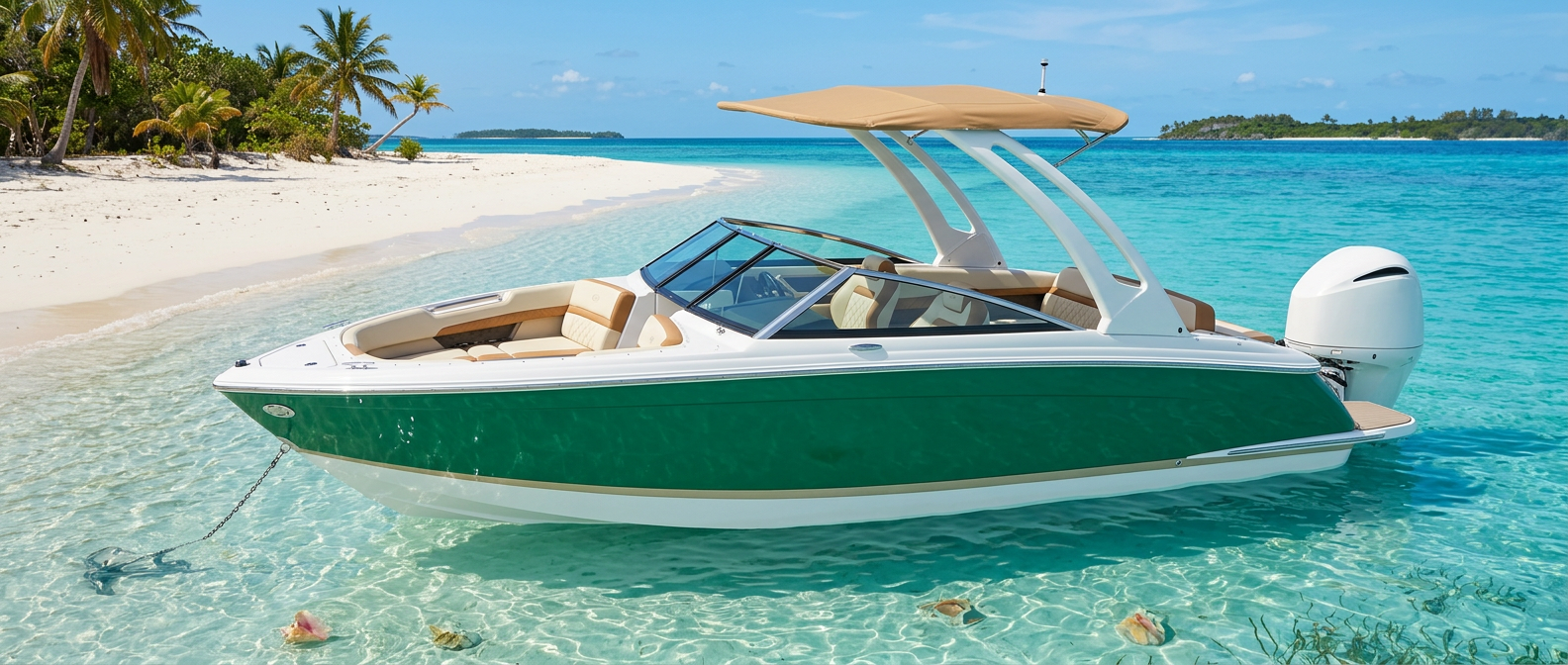
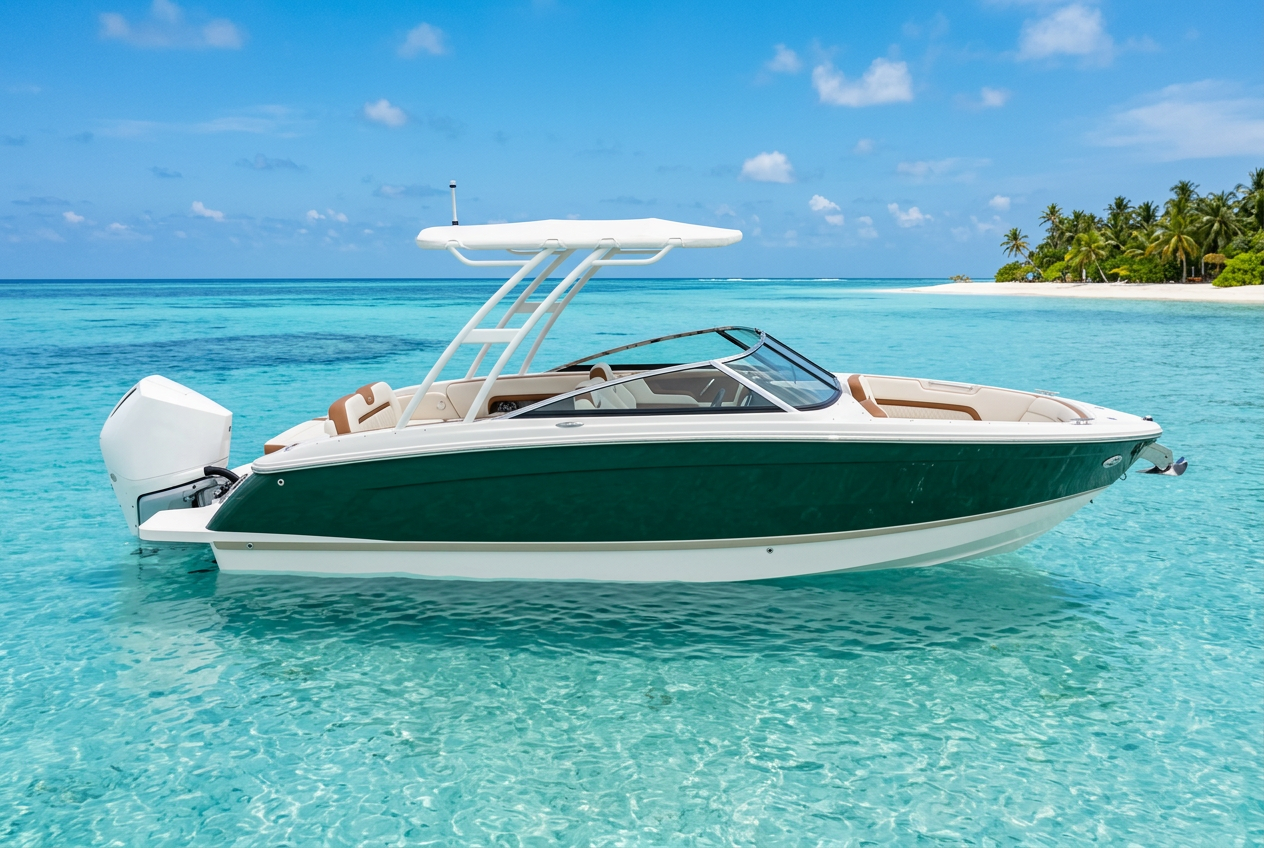
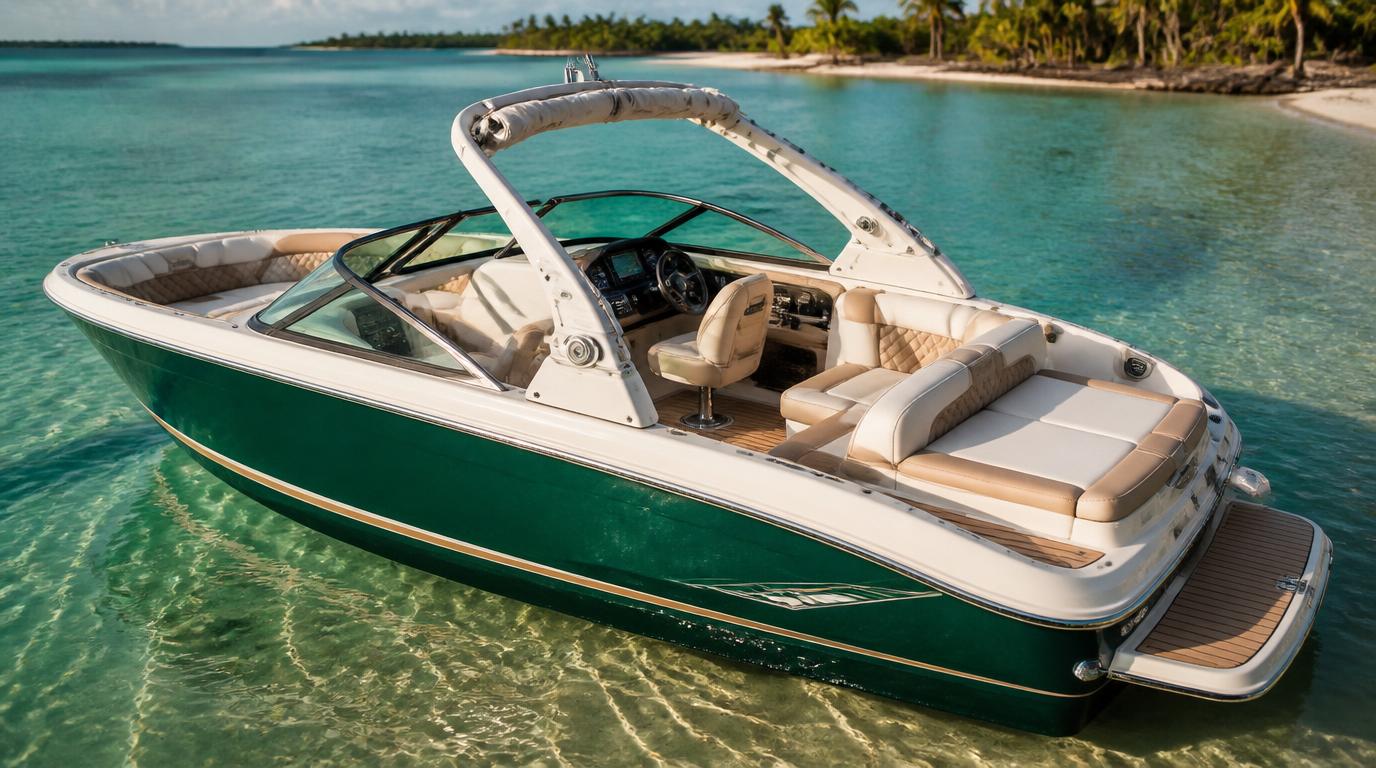
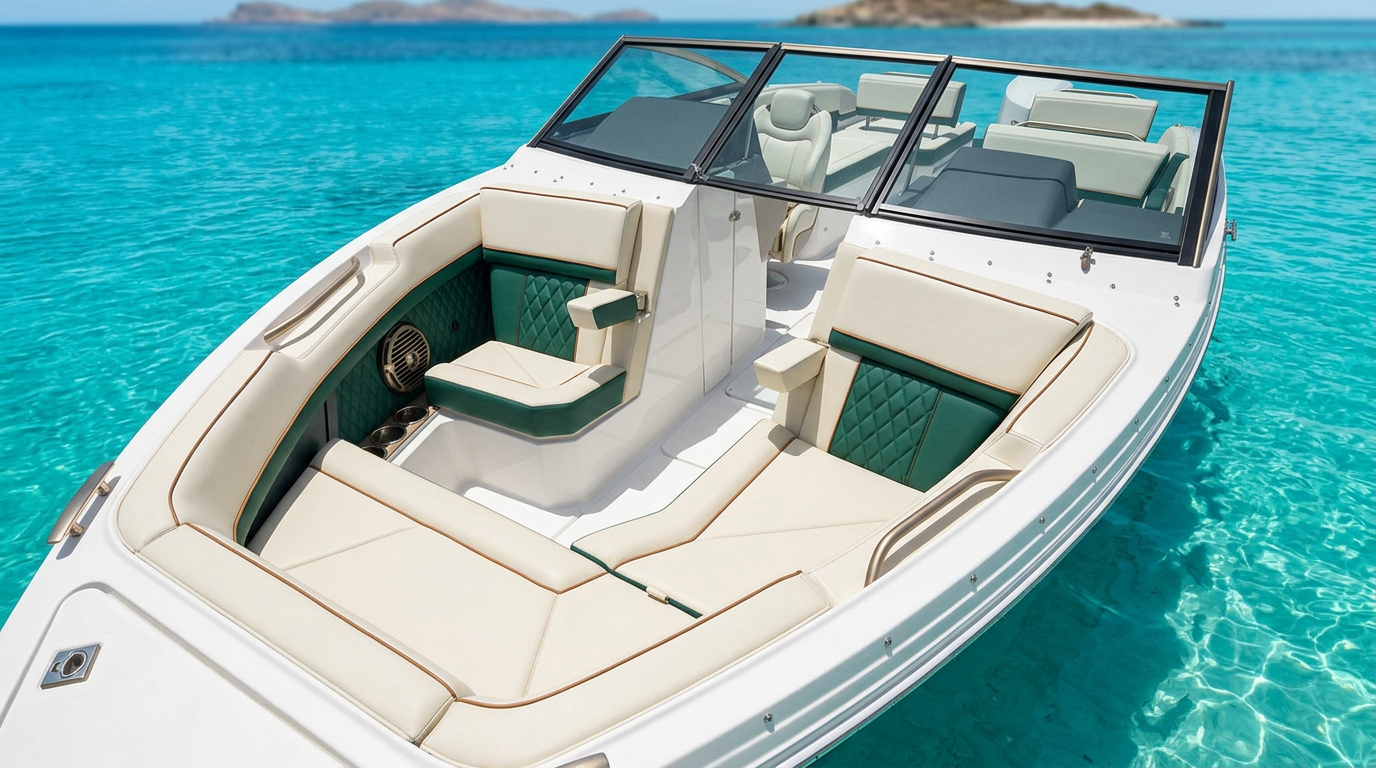
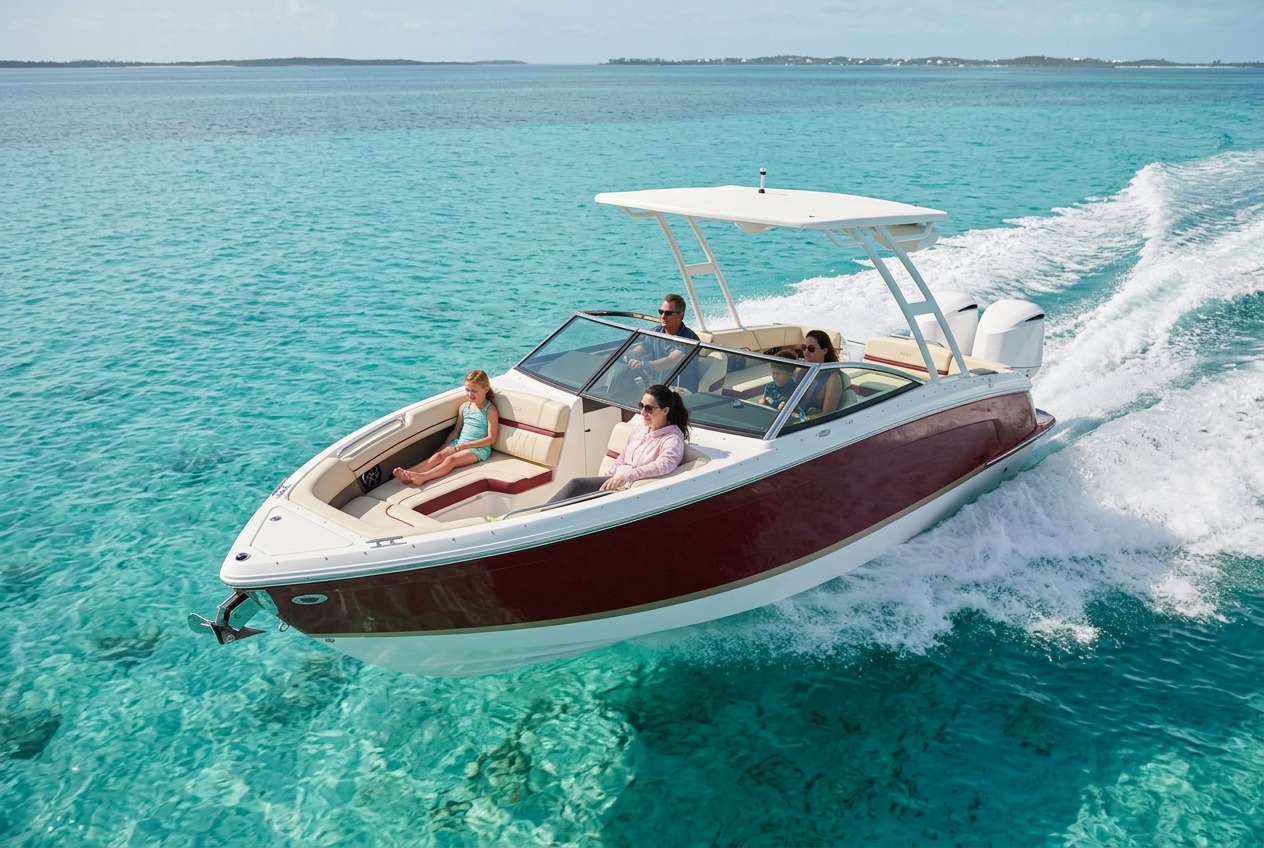
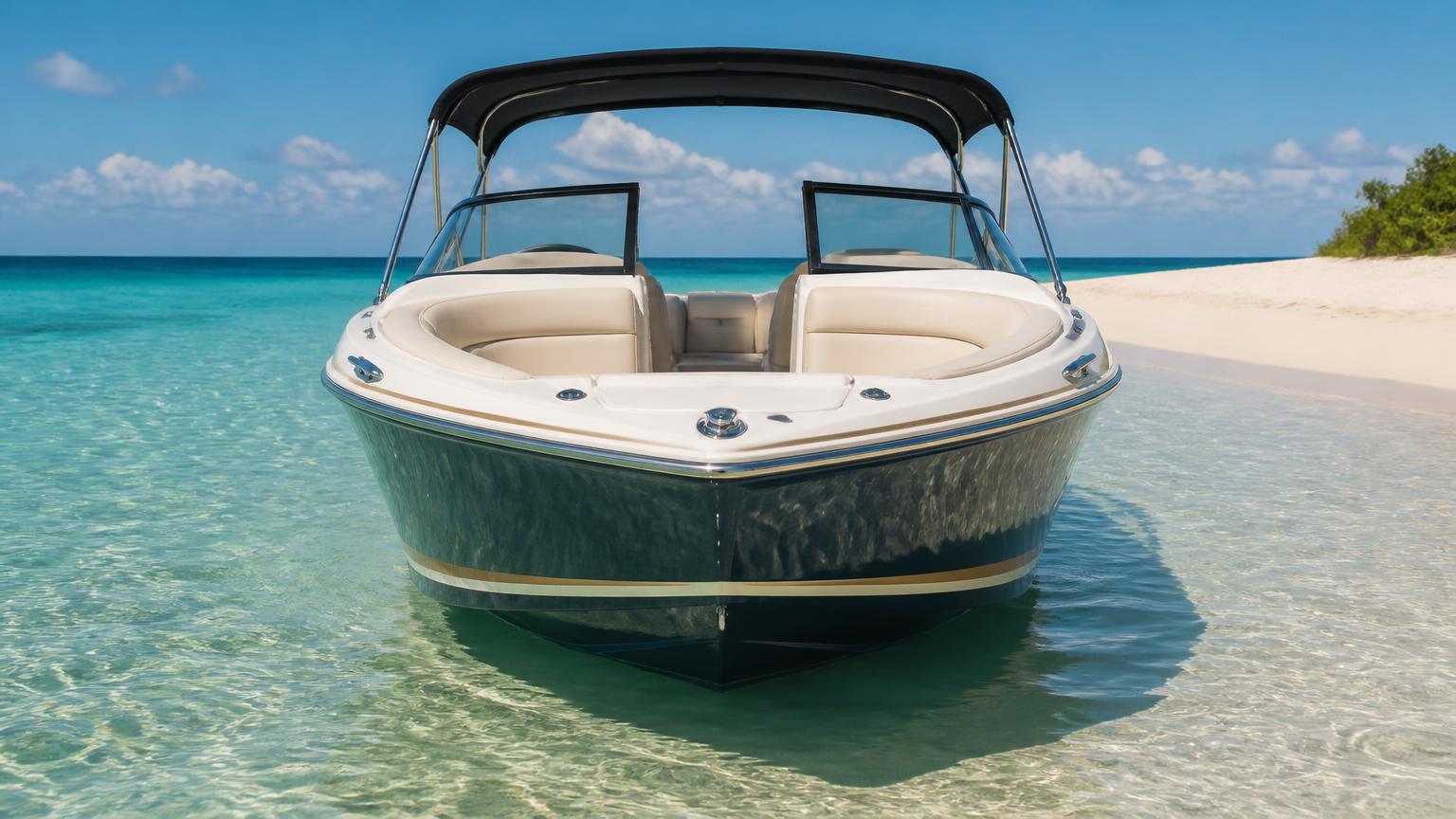
Bayliner VR5
The world's best selling bowrider size, Light, simple and easy to tow.
- Length
- 19 ft 9 in (6.02 m)
- Drive
- Outboard
- Seats
- 8 people / 1,150 lb
US$38,000 - US$52,000 new
Site Menu — Find Your Page
Bowrider Boats Mega Website

The Cobalt R6 is positioned as a premium 25-foot bowrider for owners who care as much about tactile quality and passenger comfort as outright performance. Exact dimensions and equipment vary between the R6 sterndrive, R6 Outboard and individual model years, but the shared design philosophy is easy to recognise: a deep cockpit, substantial freeboard, broad seating surfaces and a hull intended to feel composed when the afternoon breeze roughens an otherwise calm lake or coastal bay. It is a large trailerable runabout rather than an entry-level day boat, with the weight, equipment and finish to match.

Construction quality is central to the R6 experience. Cobalt is known for substantial mouldings, carefully finished storage lockers, through-bolted hardware and stainless fittings that feel engineered for repeated use. Thickly upholstered seat bases sit on supportive structures rather than thin removable shells, while hinges, gas struts and latches are chosen to make frequently opened lockers operate cleanly. None of these details is dramatic in a brochure, yet together they explain why the boat feels quiet over chop and why well-kept examples often retain a tight, solid character after years of family use.

The open bow is designed as a genuine lounge rather than occasional overflow seating. Long port and starboard chaises let adults stretch their legs, deep backrests provide security, and substantial grab rails remain easy to reach underway. Integrated armrests, speakers and drink holders support long social days, while storage beneath the cushions absorbs life jackets, towels and day bags. A wind-block door at the walk-through can separate the bow from the cockpit in cooler weather, and available filler cushions or a removable table can adapt the area for sunbathing, snacks or a quiet anchorage lunch.

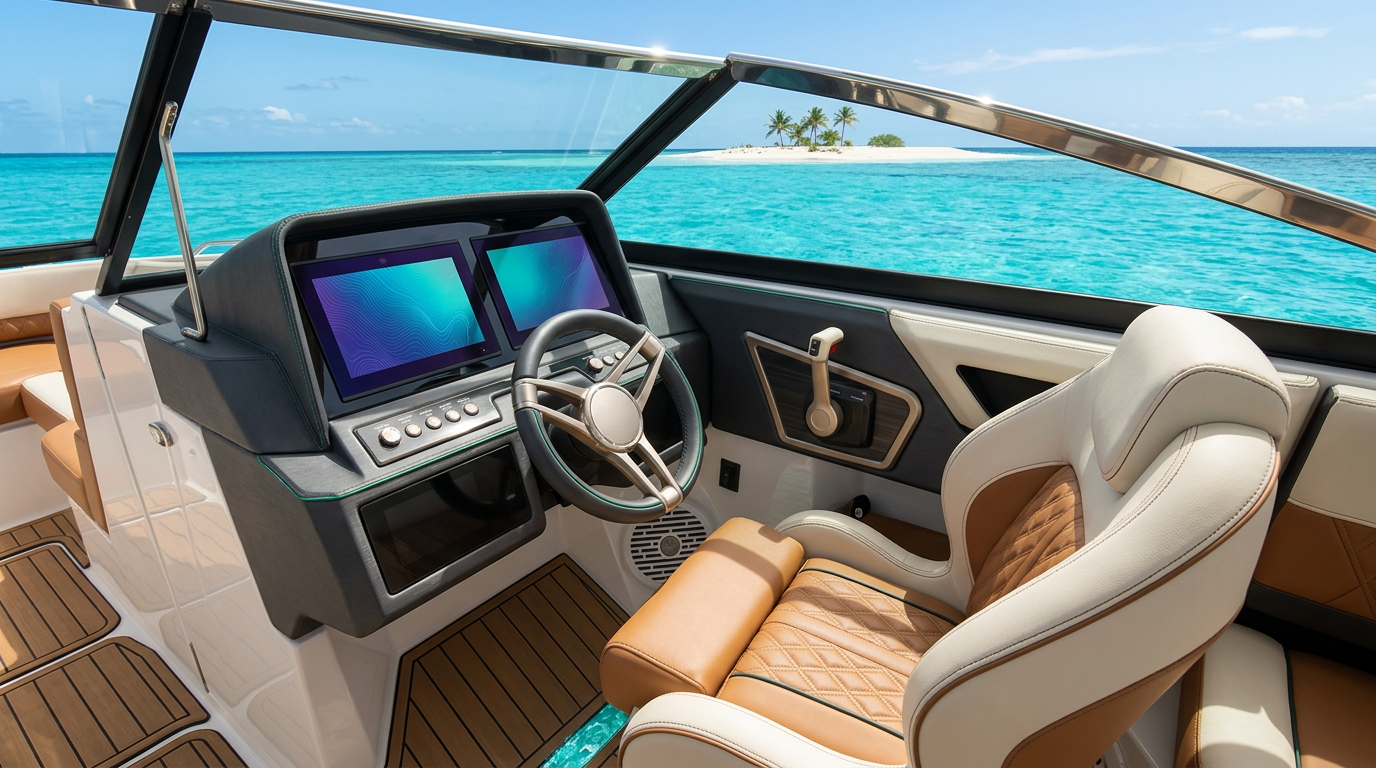
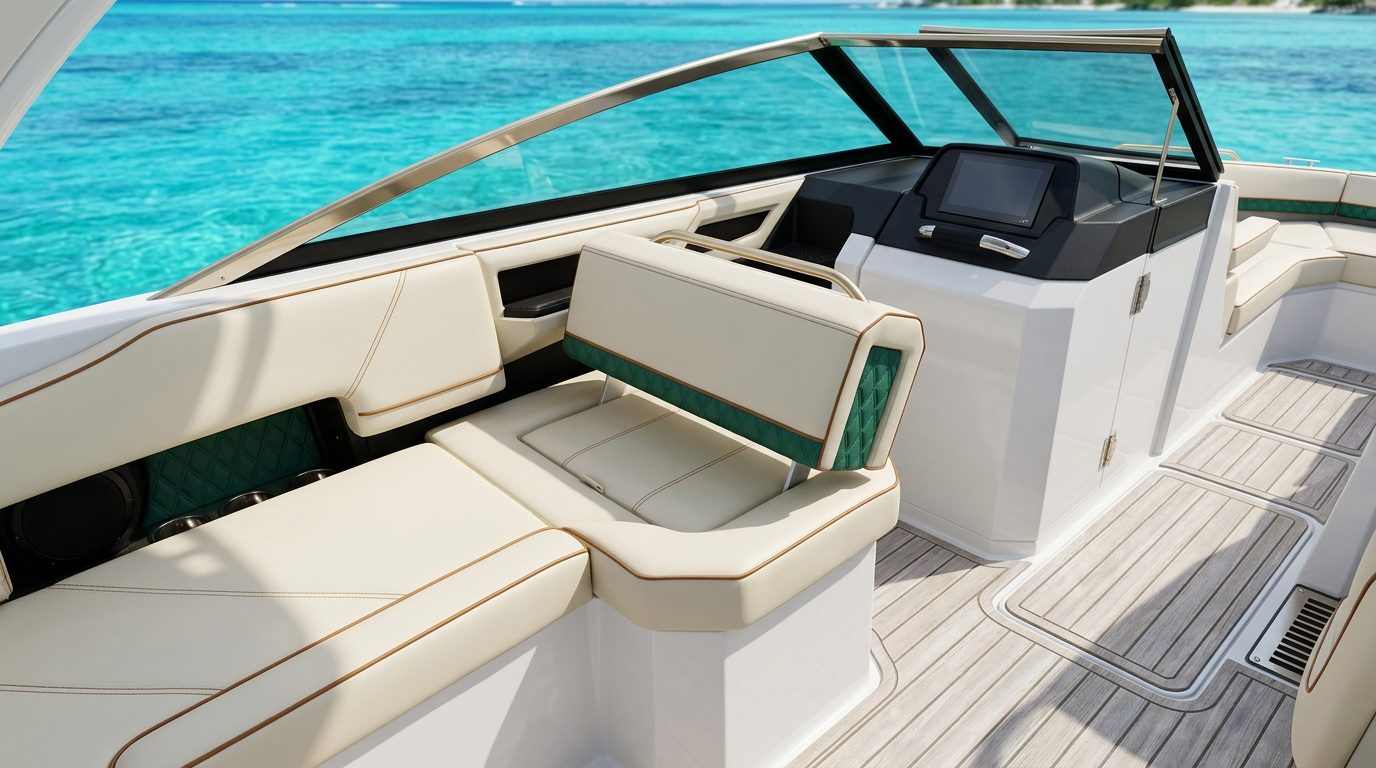
At the helm, the R6 combines a supportive captain's chair with an uncluttered sightline through the wraparound windshield. Current arrangements may include dual glass displays for charting, engine information, depth and audio functions, while physical switches keep important controls accessible. The seat swivels for conversation and uses a flip-up bolster for close-quarters visibility. Digital throttle and power-assisted steering reduce effort, and appropriately equipped boats can add joystick control, making a substantial bowrider much less intimidating when reversing into a marina berth or holding position beside a fuel dock.

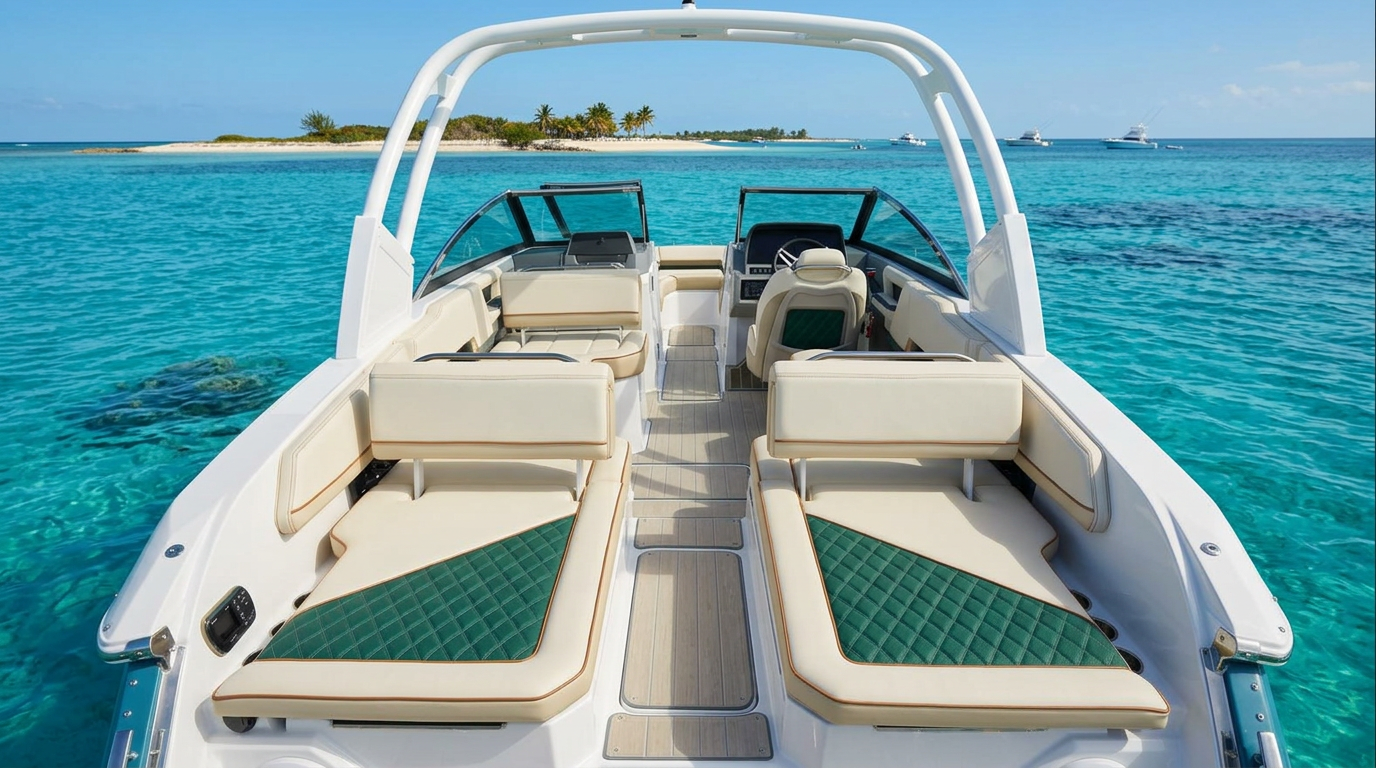
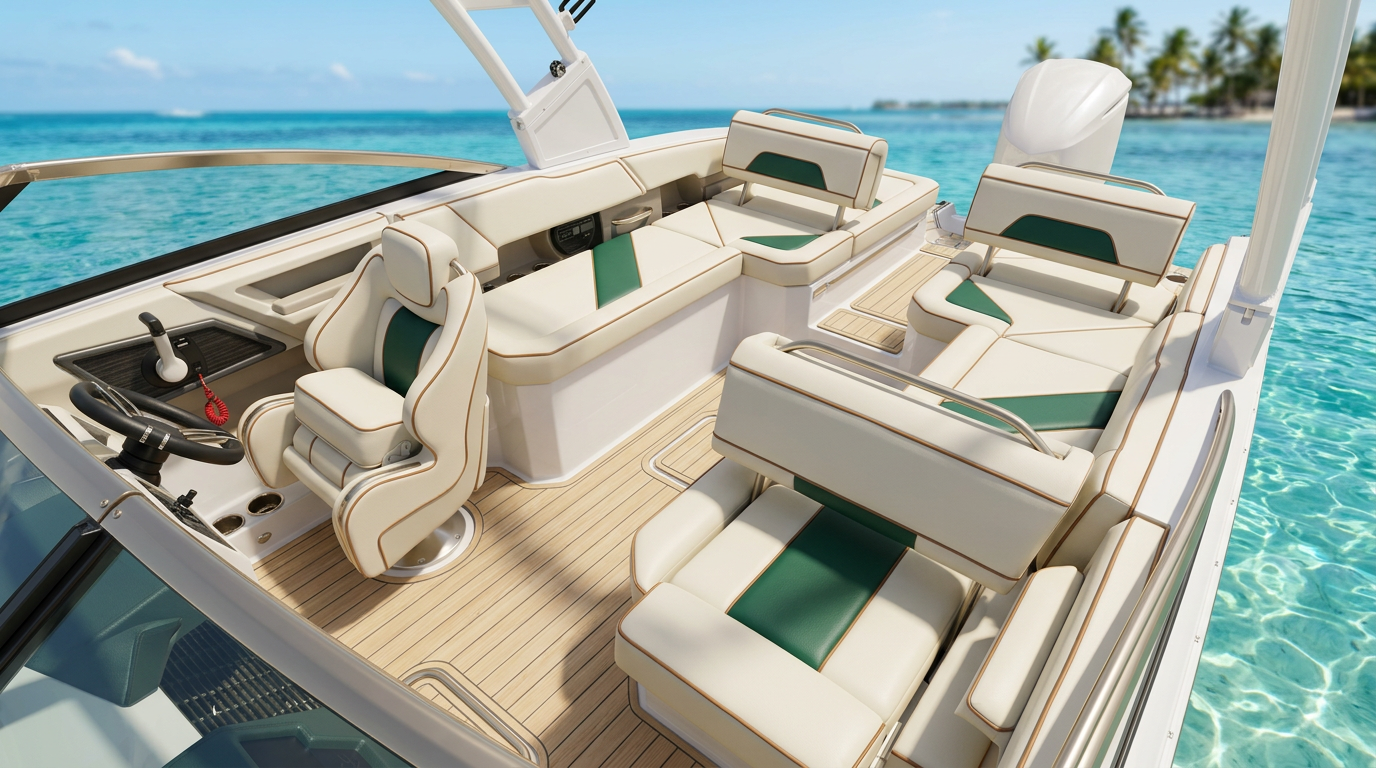
The cockpit demonstrates how much flexibility can be designed into a fixed amount of space. The port lounge can face forward, become a conversational seat or extend into a chaise, while the main side seating keeps guests inside the protection of the hull. Reversible backrests change the stern from travelling seats into aft-facing lounges overlooking the swim platform. This means passengers can sit together while cruising, stretch out at anchor and supervise swimmers without moving loose furniture around the deck. Removable tables serve either the bow or cockpit, depending on the specification.

Power choice depends on the exact R6 version. The R6 Outboard pairs the platform with a large single Yamaha, with higher-output packages suited to full passenger loads and regular watersports. The external engine opens service access and leaves the cockpit free of a conventional engine box. Sterndrive versions use Volvo Penta or MerCruiser packages depending on year and market, creating an uninterrupted full-width stern platform and a lower visual profile. Buyers should compare like with like because fuel capacity, rated passenger numbers, performance and storage arrangements differ between propulsion layouts.

On the water, the R6 favours refinement over nervous agility. Its deep-V running surface, weight and substantial bow help soften short chop, while the hull tracks confidently at family cruising speeds. Correct trim remains important: trimming in helps the bow settle when accelerating or meeting closely spaced waves, while a small amount of positive trim can release the hull once established on plane. With suitable power the boat has ample acceleration for tubing, recreational skiing and wakeboarding, although it is not intended to produce the shaped surf wake of a specialised inboard tow boat.

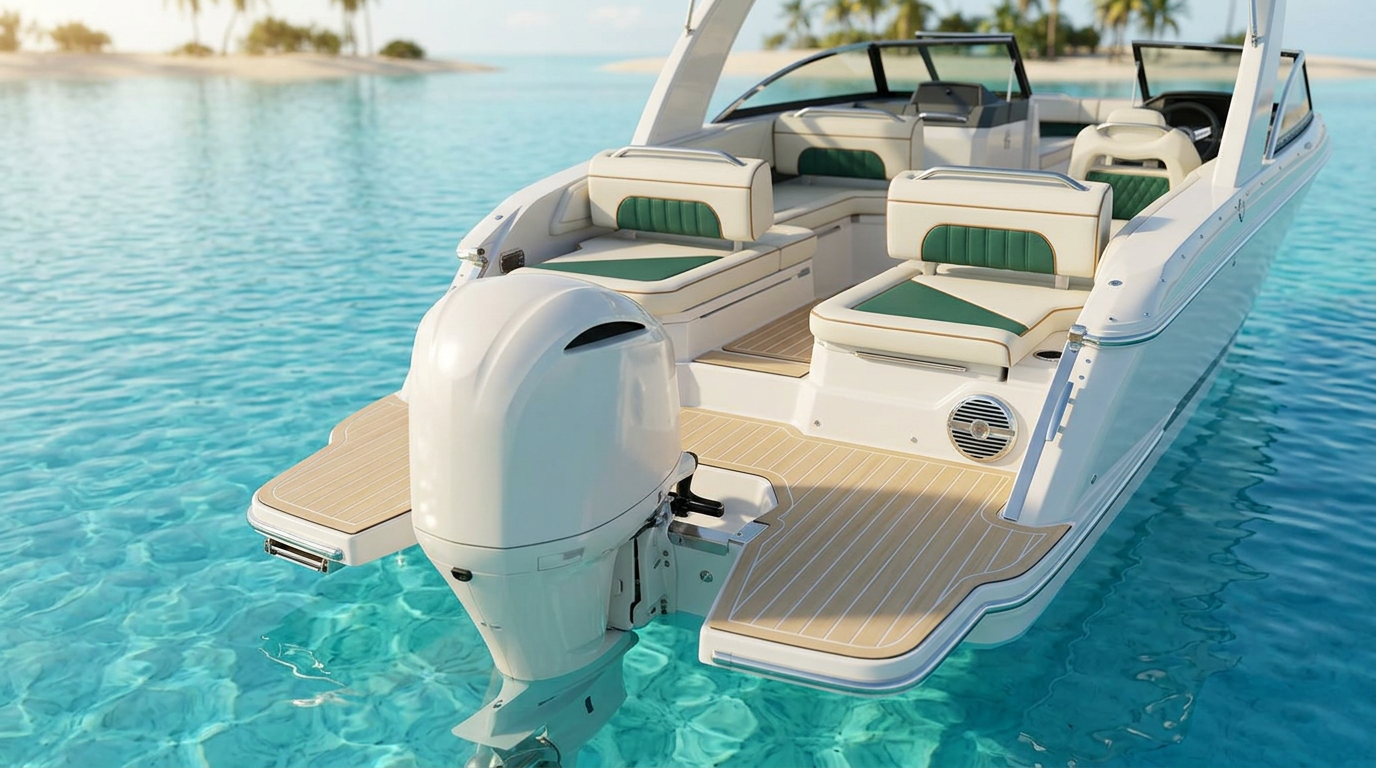
The stern becomes the centre of activity at anchor. On the outboard version, usable platforms flank the engine and connect to a central boarding area, while convertible lounges face swimmers and the water. Sterndrive boats gain an especially broad uninterrupted platform. A telescoping ladder, freshwater shower and stereo controls make repeated swimming stops practical. Storage beneath the seating and in the floor can accommodate tow ropes, fenders and safety gear, and available tower packages provide an elevated tow point plus useful shade without turning the R6 into a single-purpose watersports machine.

Premium equipment can make two outwardly similar R6 boats very different. Desirable choices include a folding sports tower or hard shade, upgraded audio, underwater lighting, woven or synthetic flooring, refrigeration, electric windlass, bow and cockpit covers, and enhanced navigation displays. Upholstery and hull colour combinations are a major part of the model's appeal, but buyers should prioritise protection and maintenance over fashion. A properly fitted cover, good ventilation and prompt freshwater cleaning preserve cushions, brightwork and gelcoat far more effectively than cosmetic treatments applied after deterioration begins.

When inspecting a used R6, confirm the exact model year, propulsion version and factory option list before comparing prices. Test every reversible backrest, hatch strut, pump, screen, speaker and powered accessory; inspect upholstery seams and cockpit flooring; and look for water retained in lockers. Outboard buyers should obtain engine diagnostic hours and service records, while sterndrive buyers should examine bellows, anodes, propellers and drive servicing. A sea trial with several passengers should include acceleration, low-speed steering, hard turns and operation of the trim system. A sound example rewards that diligence with one of the most polished social bowrider experiences in its class.

The world's best selling bowrider size, Light, simple and easy to tow.
US$38,000 - US$52,000 new

The refined mainstream benchmark: quiet, dry, and beautifully finished for the money.
US$72,000 - US$95,000 new

A flagship 28-foot luxury bowrider with expansive social seating, twin-outboard capability and yacht-grade finish.
US$245,000 - US$340,000 new, equipment dependent
Featured Boat of the Week

This week we are putting the Bayliner Bayliner DX2000 in the spotlight, and it earns the spot. At 20 ft 2 in (6.16 m) long on a 8 ft (2.44 m) beam, this is a bowrider that reads the water well and still feels roomy enough for a full day out. A 20-foot deck-boat-width bowrider with outboard power and a huge social cockpit. Power comes from 115-150 hp mercury fourstroke outboard through a outboard package, and the fibreglass hull keeps the ride settled when the afternoon breeze puts a chop on the surface.
Seating is rated for 8 people, so there is space for family, friends, towels, eskies and the tow rope without anyone climbing over gear. Owners tend to buy it for family, water ski, leisure — which is exactly where it shines. Fuel is 30 us gal (114 l), and on the second-hand and new market you should expect to land somewhere around US$42,000 - US$58,000 new depending on hours, trailer and options.
Our full deep dive covers the layout in detail: bow lounge comfort, helm ergonomics, the rear entertaining area, storage that actually swallows a weekend, plus standard features, popular options and honest notes on where the boat compromises. If the Bayliner DX2000 is on your shortlist, start there — and check back next week, because the featured boat changes every week as we complete more full model reviews.
Featured Bowrider Article
Buying Advice

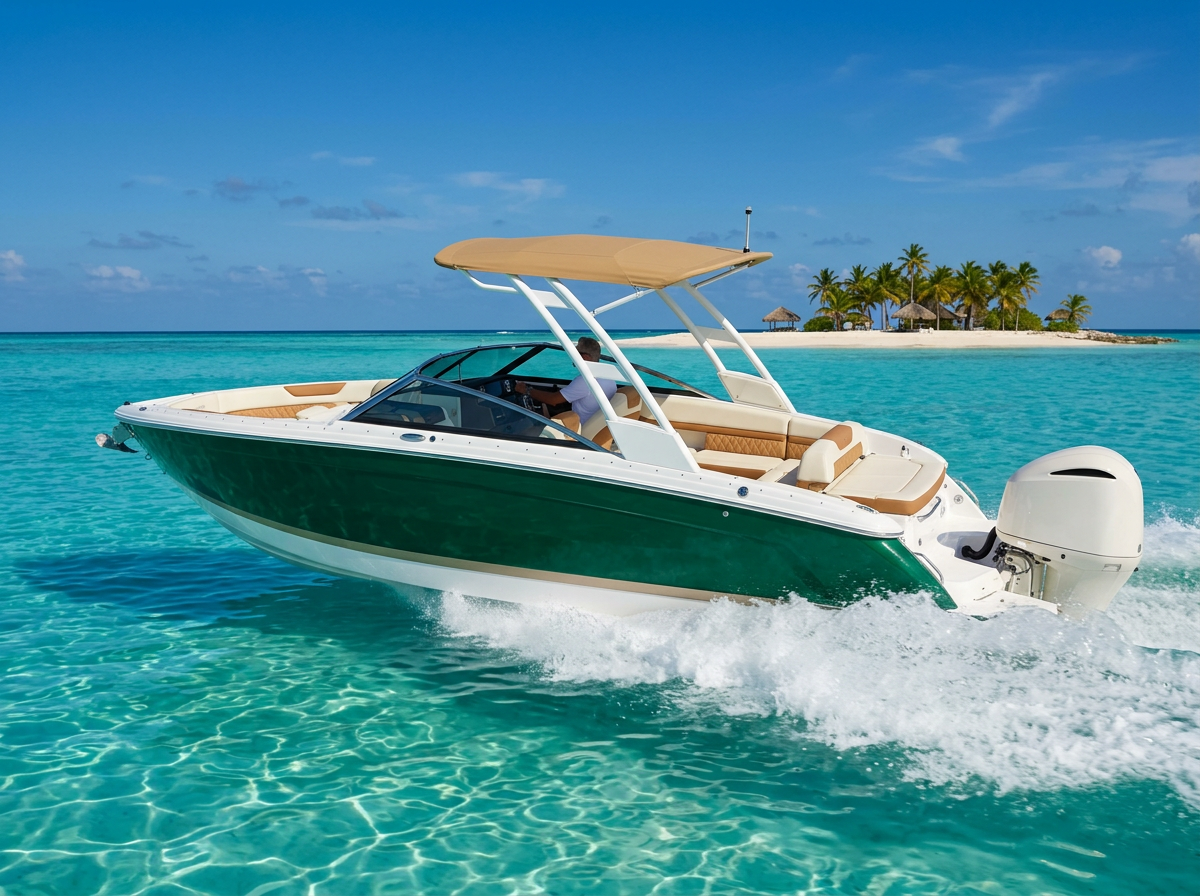
Weight is an Important Factor when choosing a Boat. It determines How Easy it is to Tow, Launch and Retrieve. Hull Mass is also a Primary Indicator of how well the Boat will Ride in Choppy Water and Heavy Seas. Light Hulls like Aluminium Launch easily, Tow behind Regular Vehicles, and cost less to run and maintain. This Article Explores how the lightest Bowriders on the market stack up, and where the Weight actually comes from. It should come as no Surprise the Lightest Bowriders happen to also be the Smallest in Length. Starting in the 16 ft (4.88 m) Class, Pressed and Roll-formed Aluminium Bowriders like the Quintrex 481 are the outright lightweights. A 4.5-4.9 m Aluminium Bowrider with a small outboard typically weighs 350-550 kg (770-1,210 lb) as a bare hull, and 700-900 kg (1,540-1,985 lb) on the trailer with Engine, Fuel, Battery and Gear aboard. Brands built around Aluminium construction include Quintrex, Stacer, Stessco, BlueFin, Razorline, Barcrusher and similar builders in Australia Dominate this band. Lighter does not mean flimsy, and Aluminium construction is not all the same. A compact pressed-Alloy family boat can be remarkably light, while a larger Plate-Aluminium boat with thicker bottom sheets, welded frames, a hard top and…
Read the full article