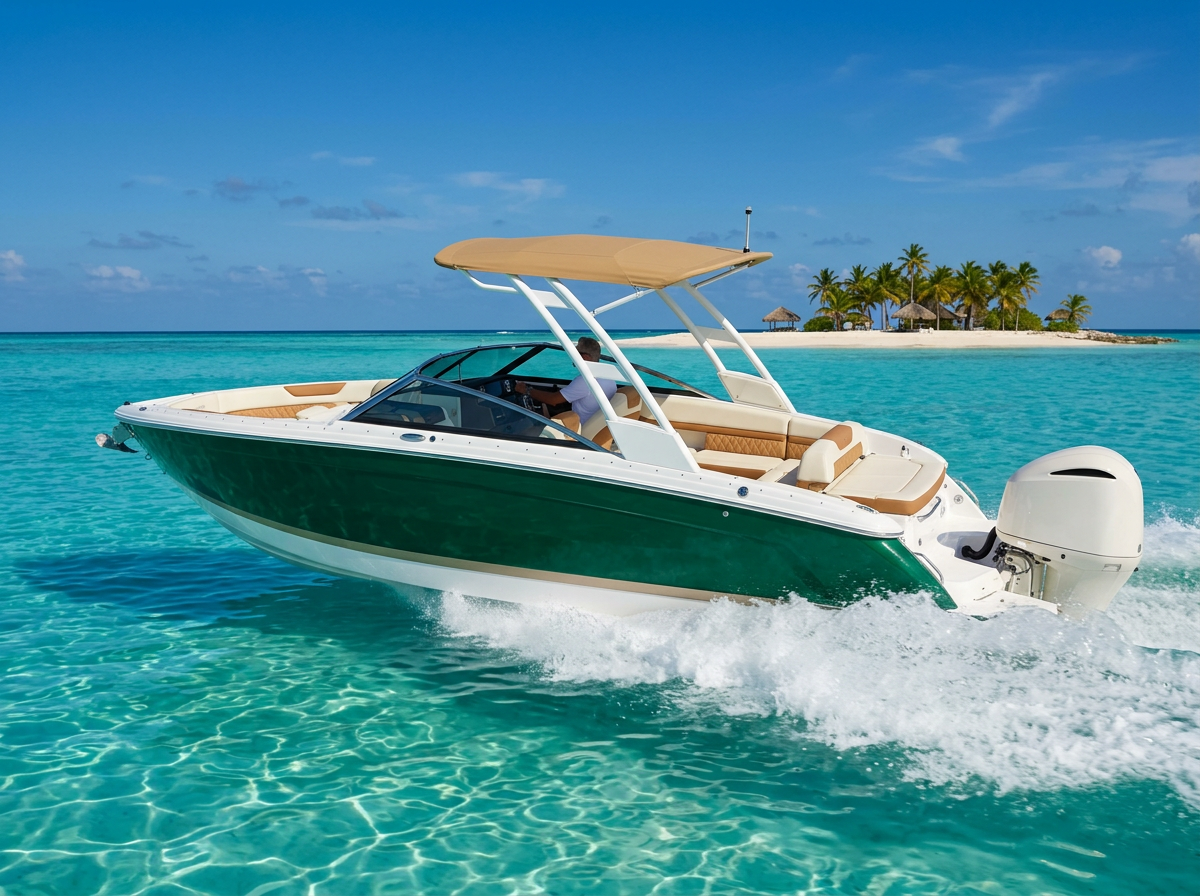
Bayliner VR5
The world's best selling bowrider size, Light, simple and easy to tow.
- Length
- 19 ft 9 in (6.02 m)
- Drive
- Outboard
- Seats
- 8 people / 1,150 lb
US$38,000 - US$52,000 new
Site Menu — Find Your Page
Bowrider Boats Mega Website

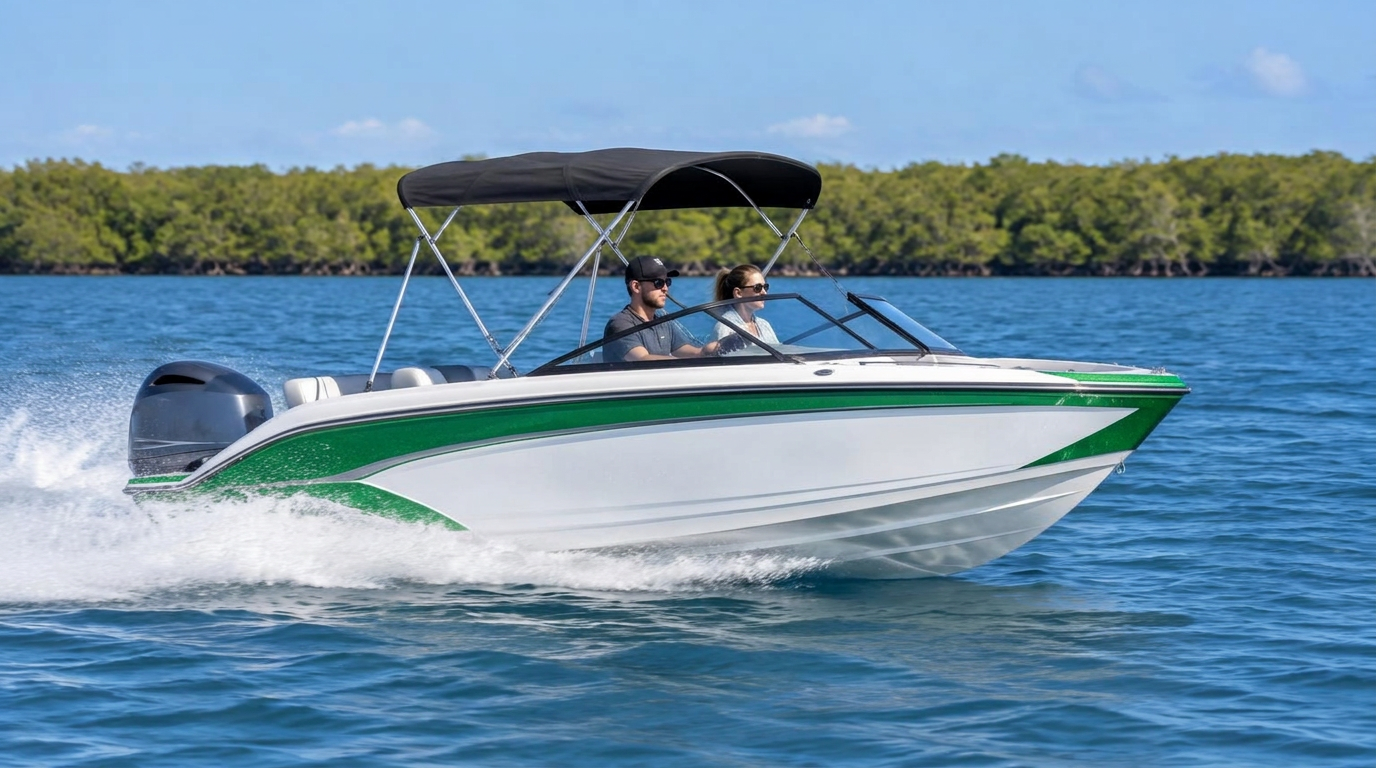
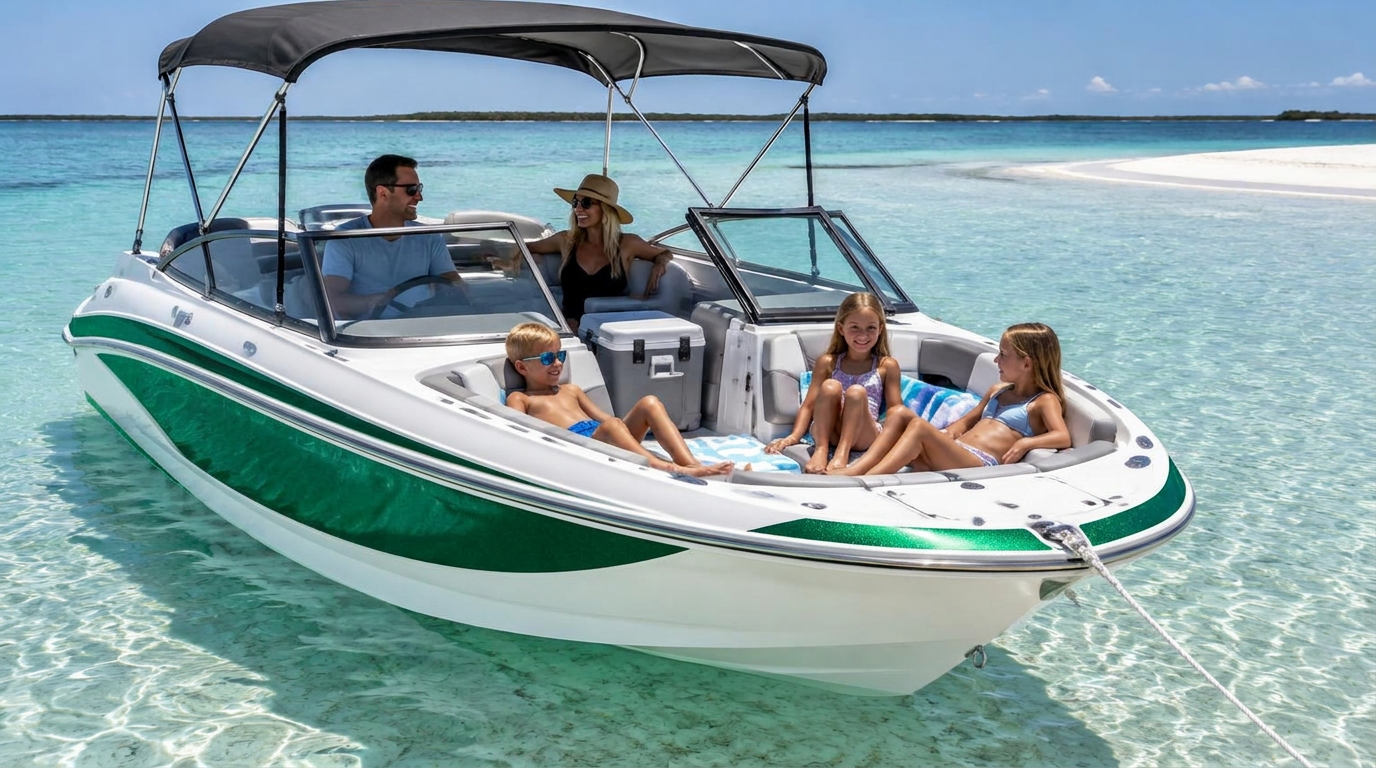
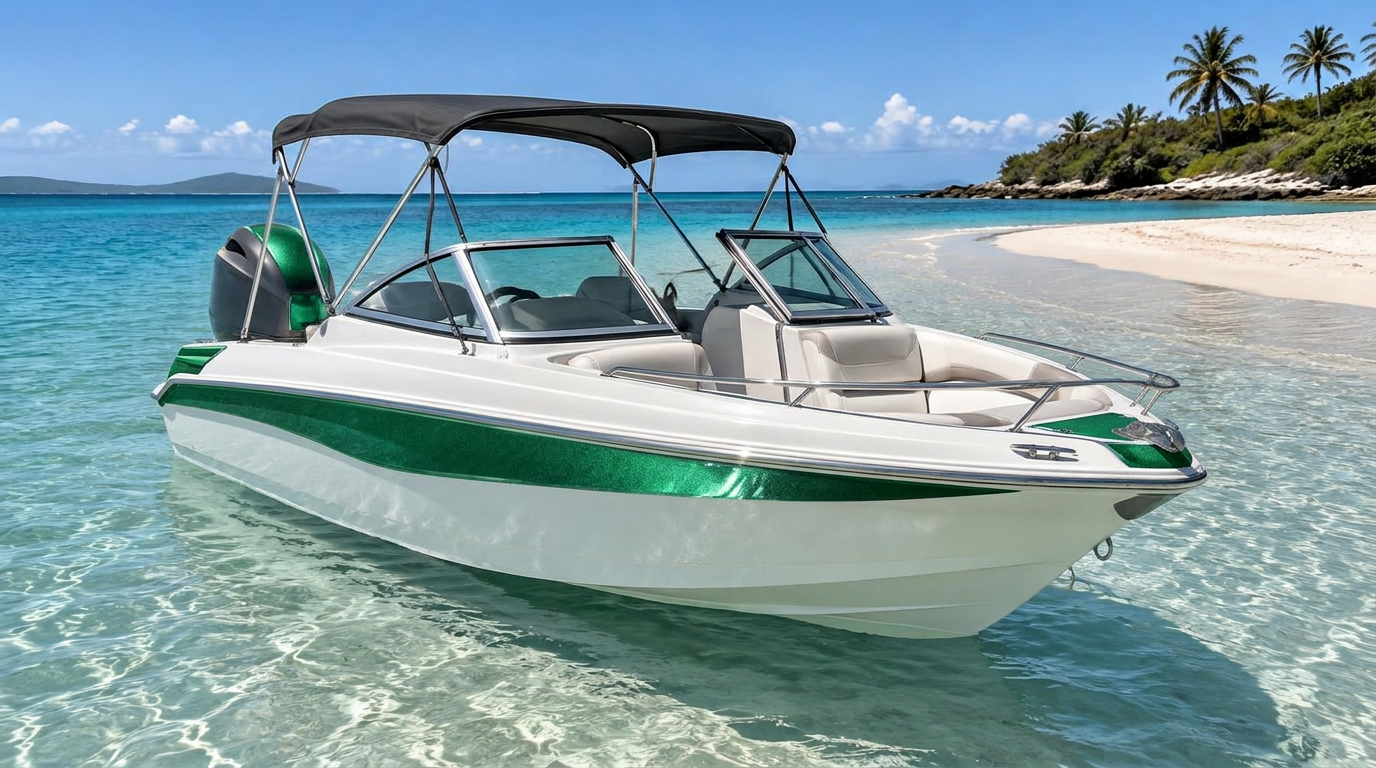
The Quintrex 510 Cruiseabout is the sweet spot of the range: a full 5.1-metre bowrider with the room and power for real family days on the water, finished in a fresh bright white hull with metallic green accent bands and detailing. It is the model that bridges the gap between the compact 481 and the larger 520, giving growing families a genuine step up in cockpit space, freeboard and fuel capacity without the extra towing weight or price tag of the bigger boats. The 510 has its own clean, modern personality on the water unmistakably part of the same Cruiseabout family. For buyers who want a boat that looks as good at the boat ramp as it does anchored at a sandbar, the 510 delivers that manageable, tow-friendly package.

At 5.1 m long with a 2.3 m beam, it is a clear step up from the 481 in deck space, freeboard and fuel. Great Starter Boat for those wanting to Test the Waters in Boating Australia. The extra 30 cm of hull length over the 481 may not sound like much, but it shows up where it matters most: the bow lounge is wide enough for two kids to sit side by side instead of knee-to-knee, the cockpit has standing room between the helm seats and the rear lounge for someone to move aft while another works a rod, and the deeper freeboard gives a safer, drier ride when the wind picks up across the bay. At the same time it remains a light aluminium hull on a single-axle trailer, so a mid-size SUV or even a stout wagon can tow it without stress, and it reverses down a boat ramp with far less fuss than a heavier glass boat of the same length.

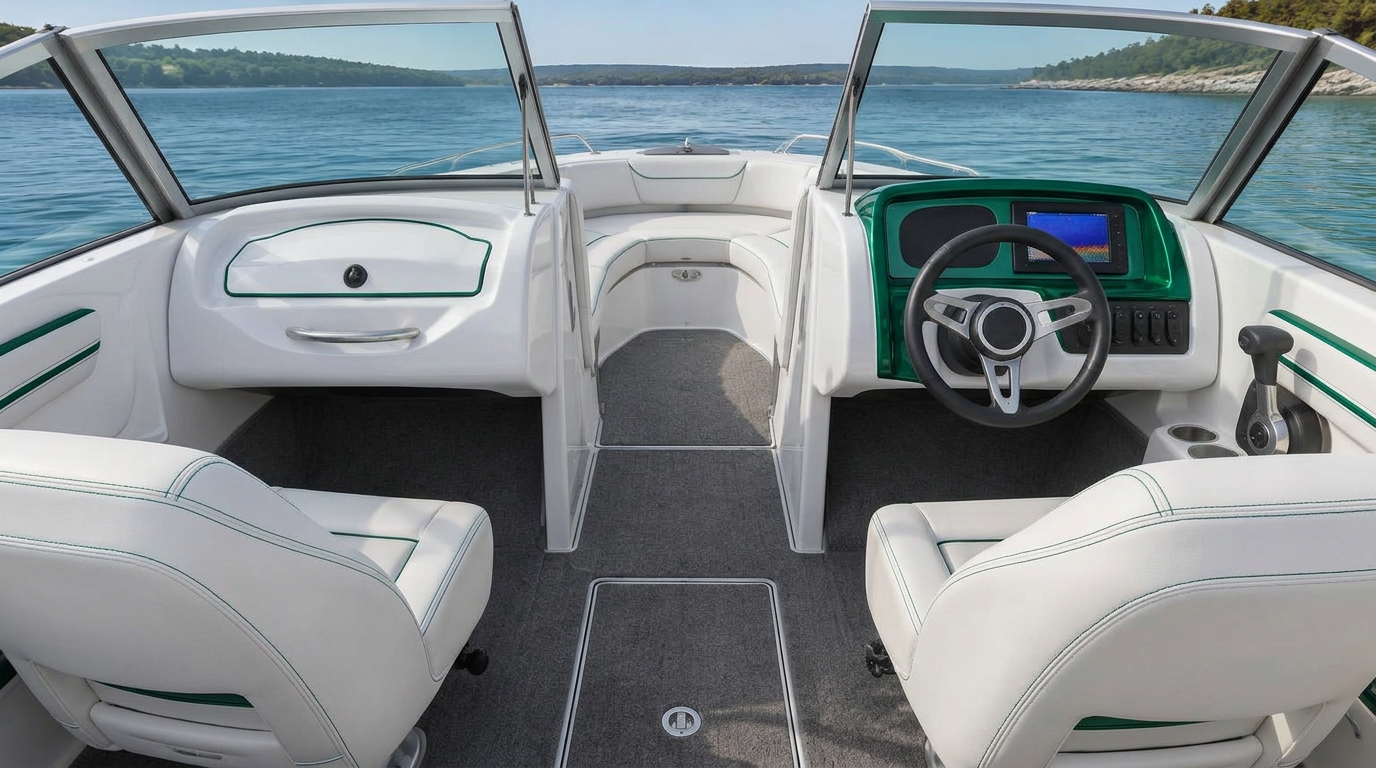
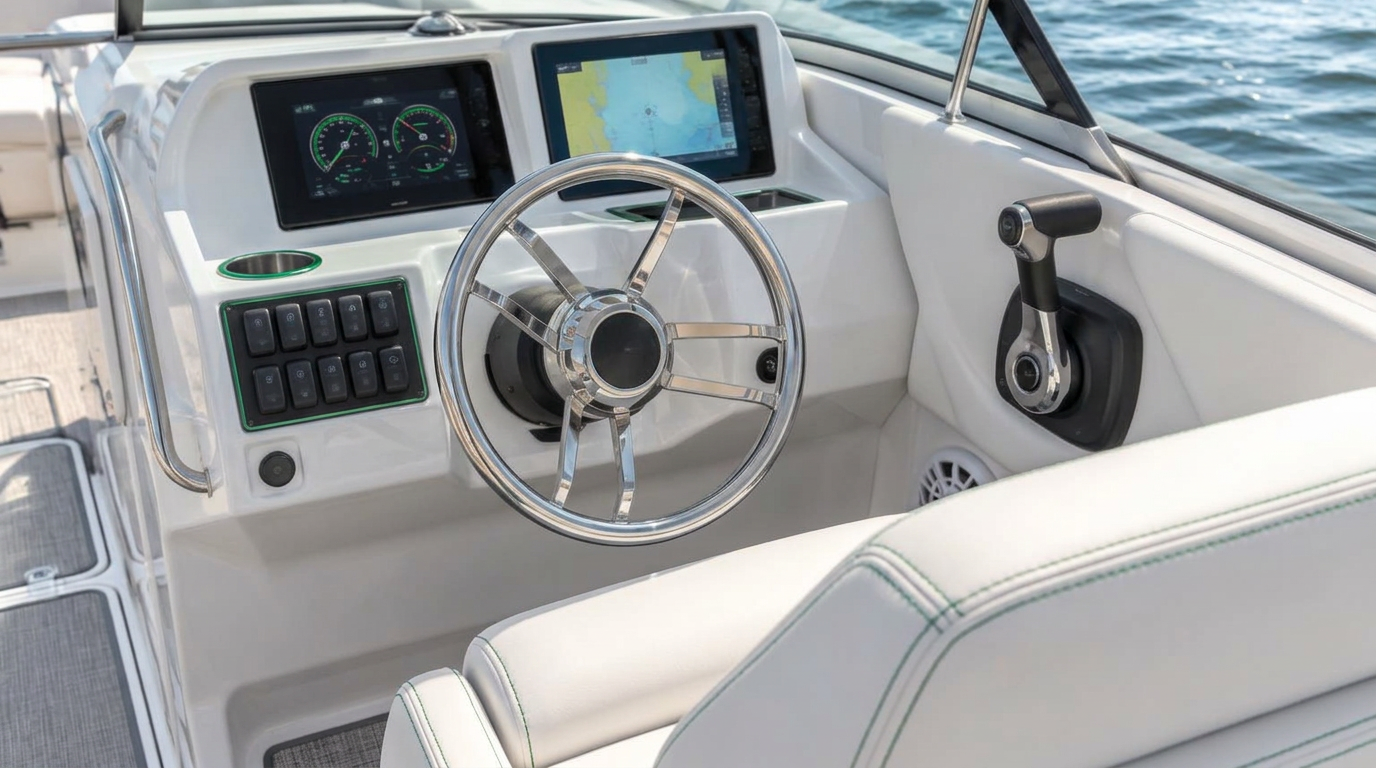
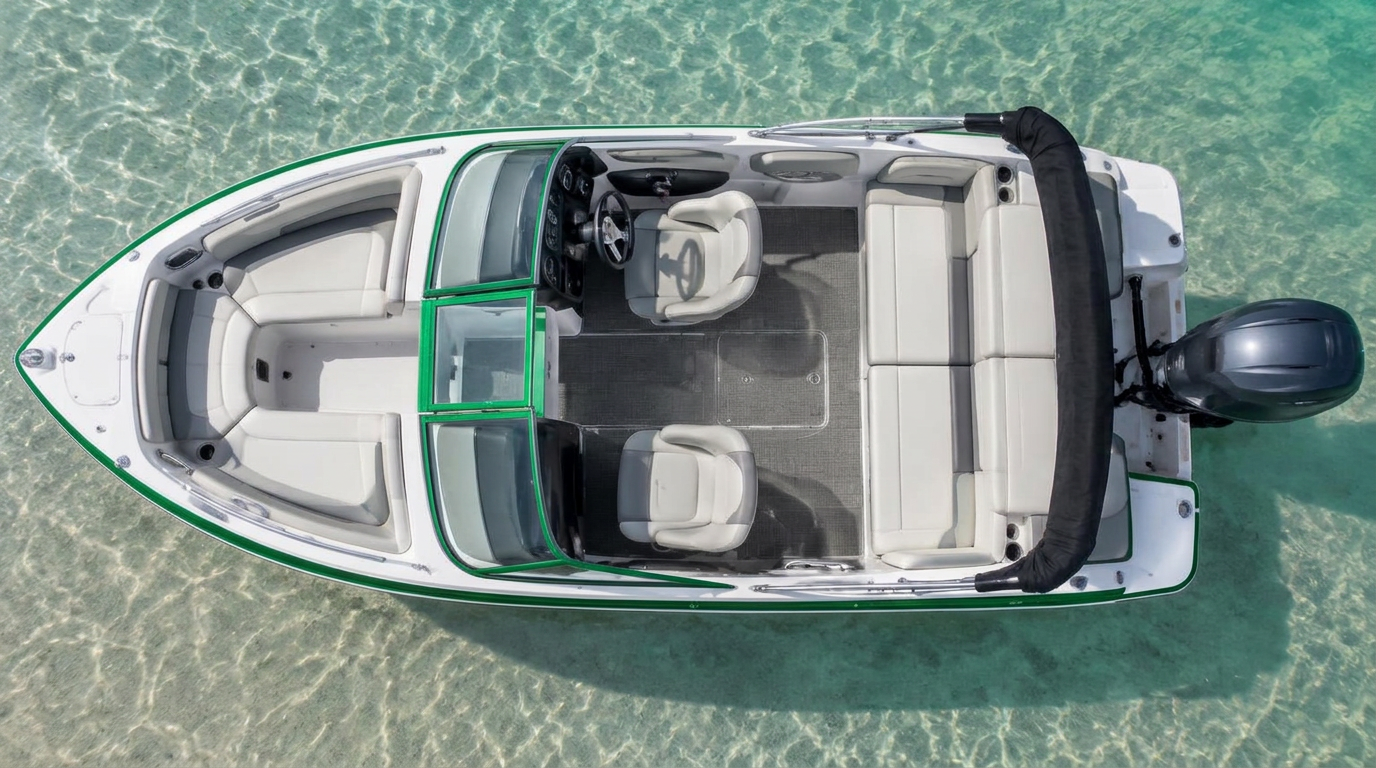
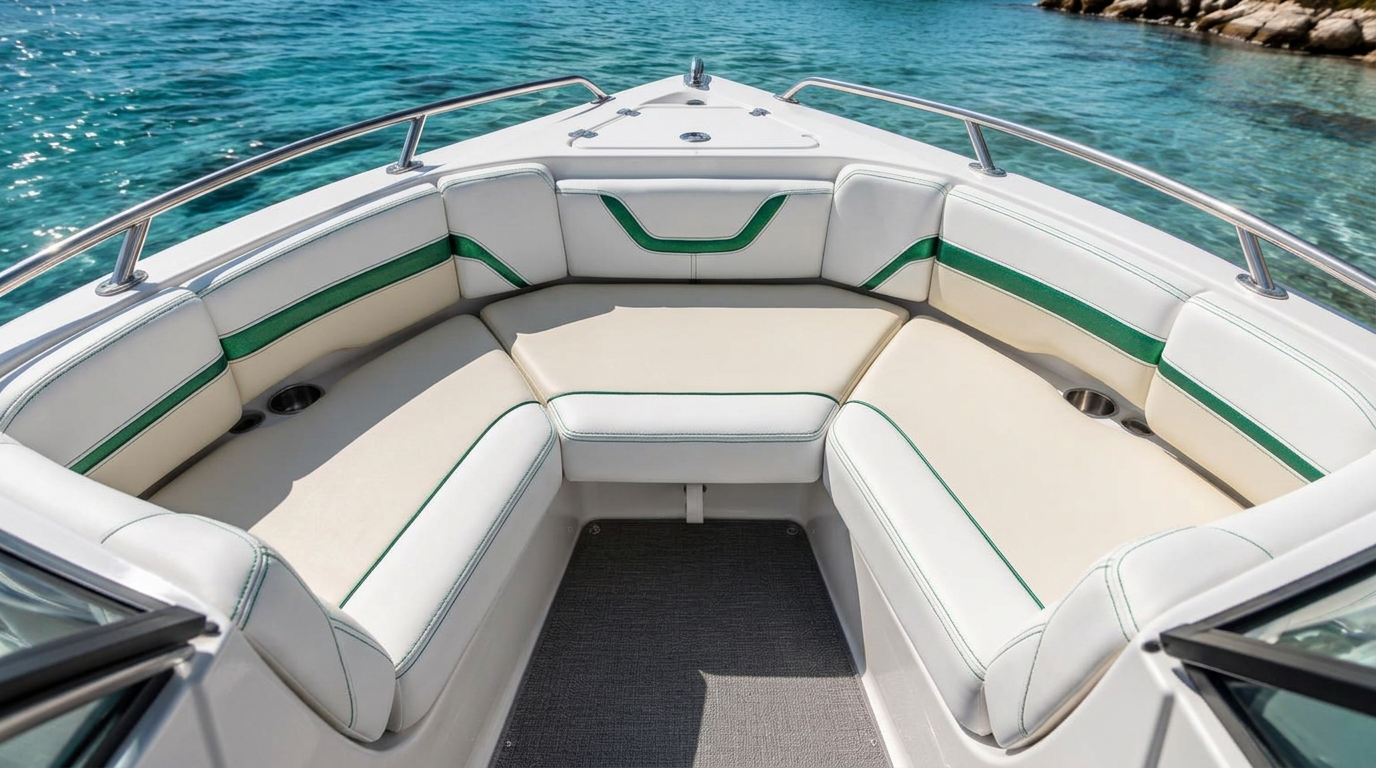
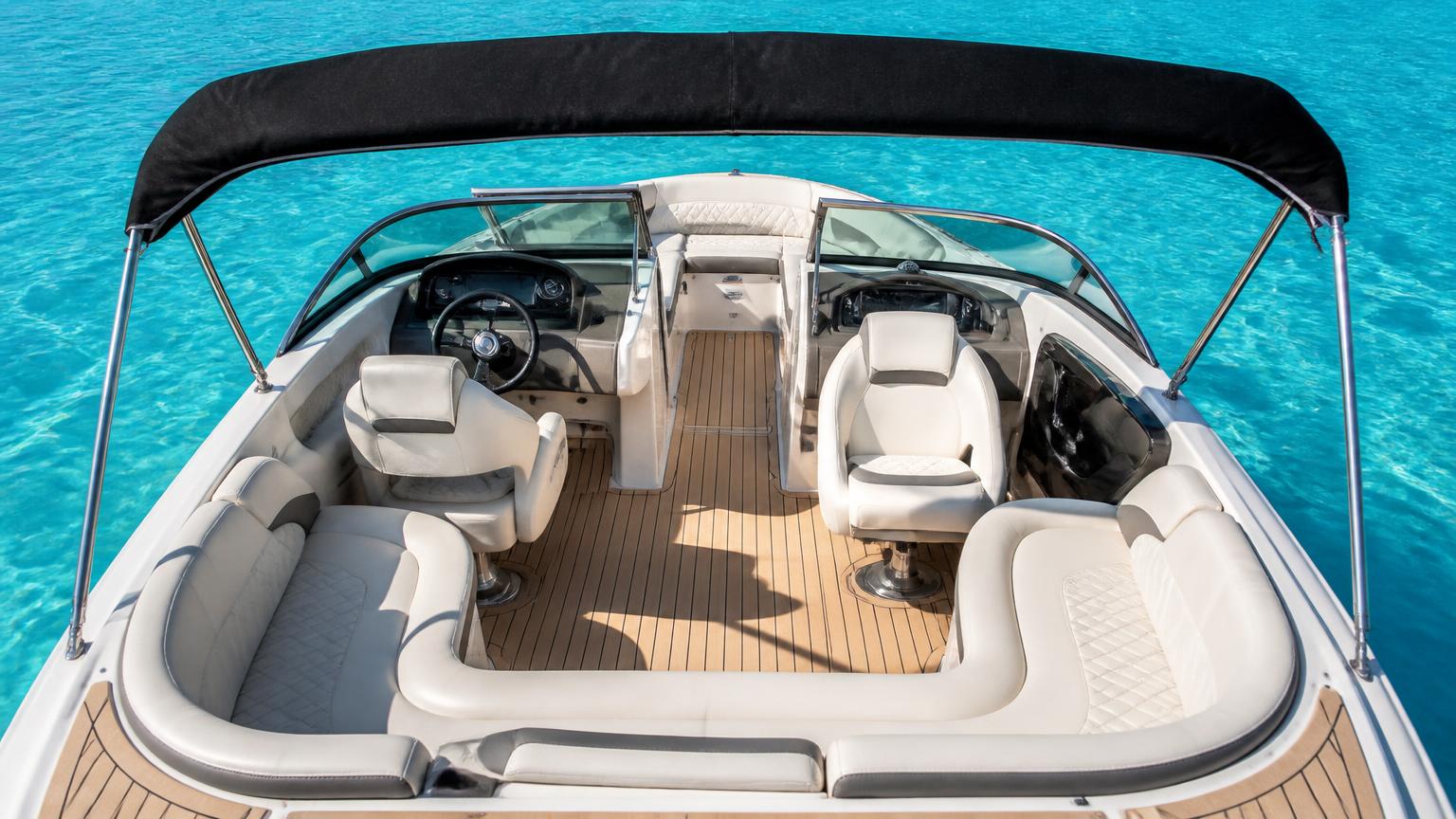
The bowrider layout puts a proper lounge in the Bow for the kids, a walk-through windscreen for easy access and a cockpit with twin bolster seats and a full-width rear lounge. The bow lounge has moulded side panels with padded backrests and an optional filler cushion that turns the whole forward section into a flat padded sun lounge at anchor. The split walk-through windscreen with its alloy frame and grab rails lets you step safely forward to work the anchor without climbing over the dash, and the deep anchor well up front keeps the chain and rope contained rather than sliding around the deck. In the cockpit, the twin bolster seats swivel and slide so the skipper and passenger can turn aft to face the rear lounge at rest, turning the whole cockpit into a social space rather than just two forward-facing chairs.

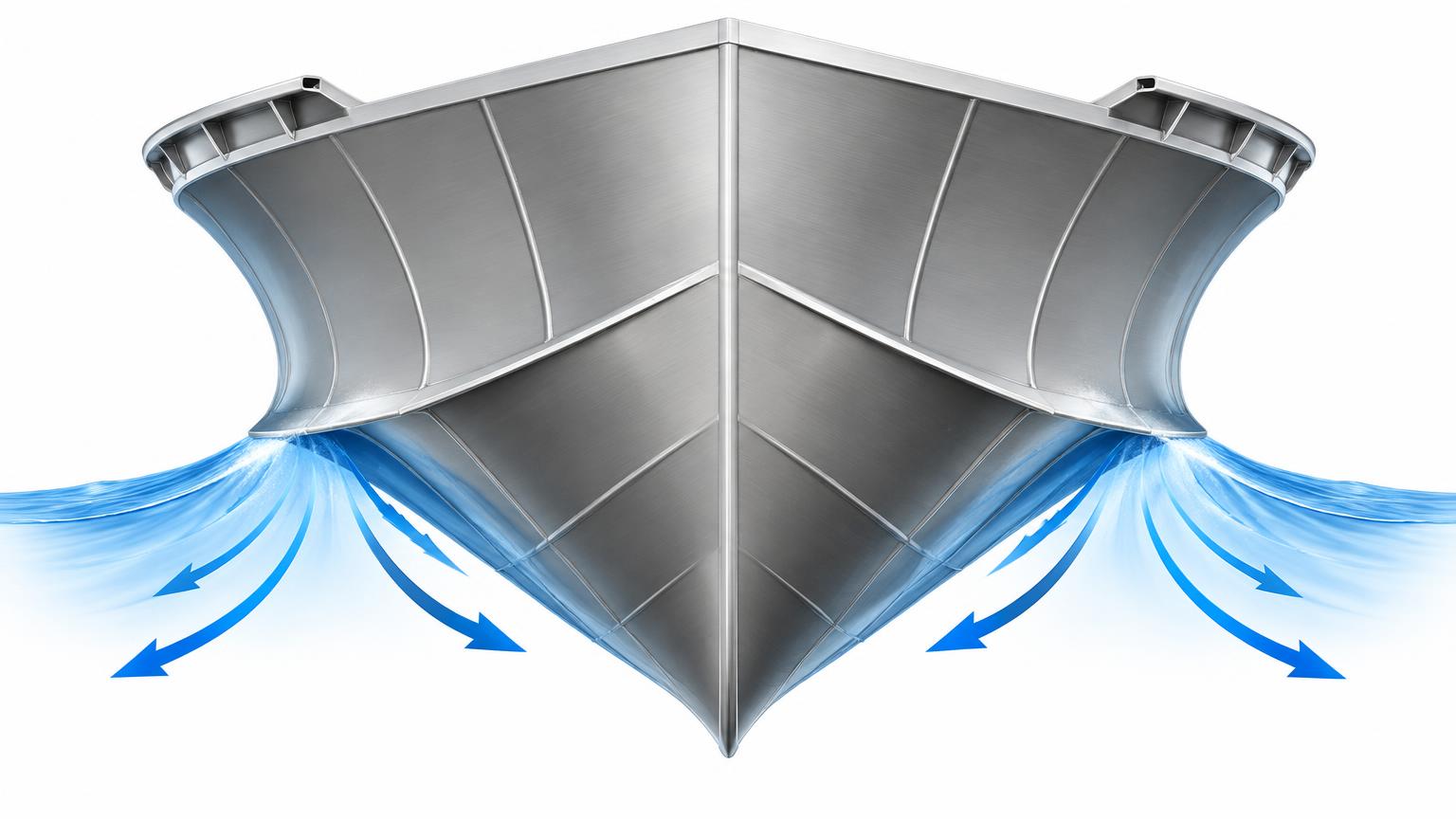
Quintrex's press-formed aluminium hull with the Apex-style cutting entry keeps the ride soft and dry, while the 90-litre underfloor tank and up to 115 horsepower give it genuine range and pace. The fine, sharp entry at the stem slices through a chop rather than slapping over it, and the variable deadrise carried well aft means the hull transitions smoothly from a narrow cutting forefoot to a flatter, lift-generating stern section that holds its trim at cruising speed. Carolina-style flare in the bow throws spray out and down rather than back into the cockpit, and the pronounced reverse chines along the running surface trap a cushion of aerated water that softens the ride and adds reassuring stability at rest — the boat does not rock underfoot when people lean over the side to net a fish or help a skier aboard. The underfloor tank keeps the weight low and centred, which only helps that stable, predictable handling, and 90 litres is enough fuel for a full day of running.

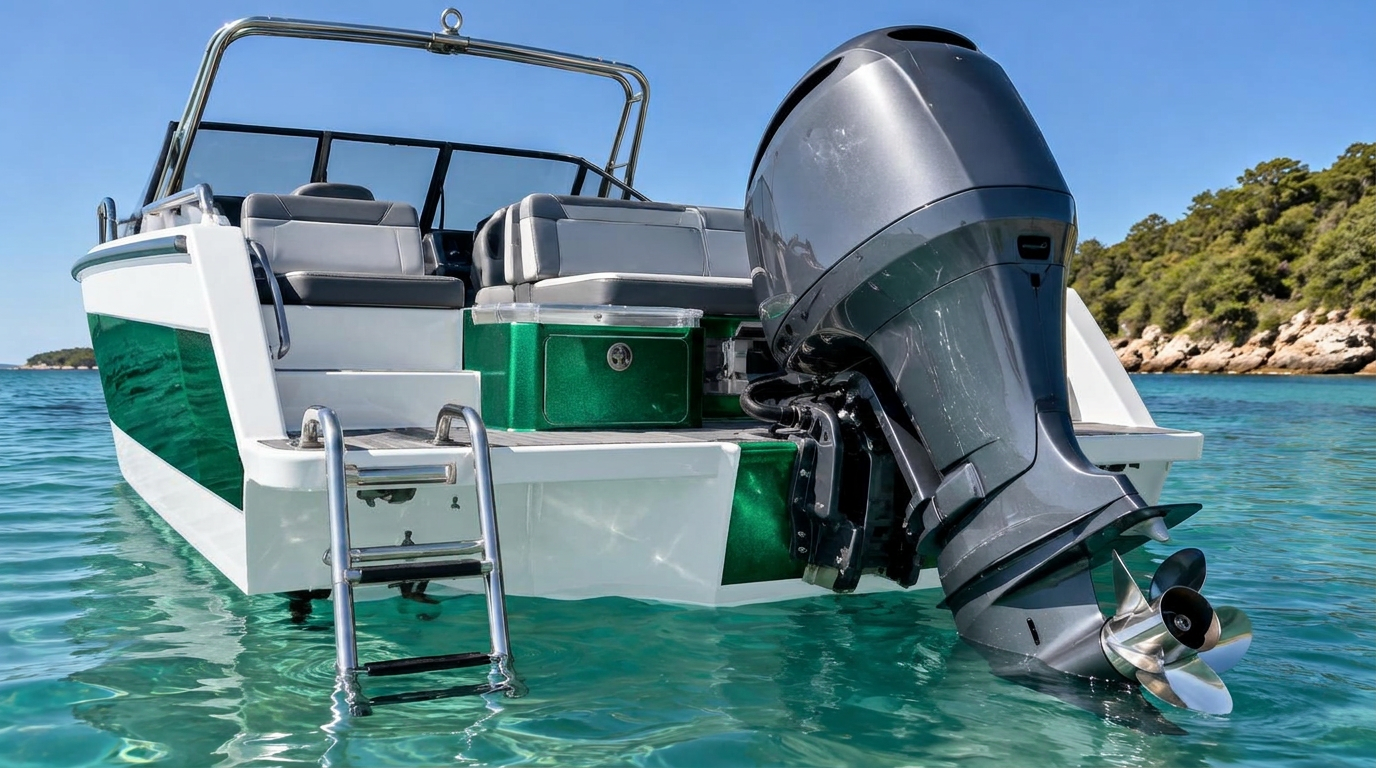
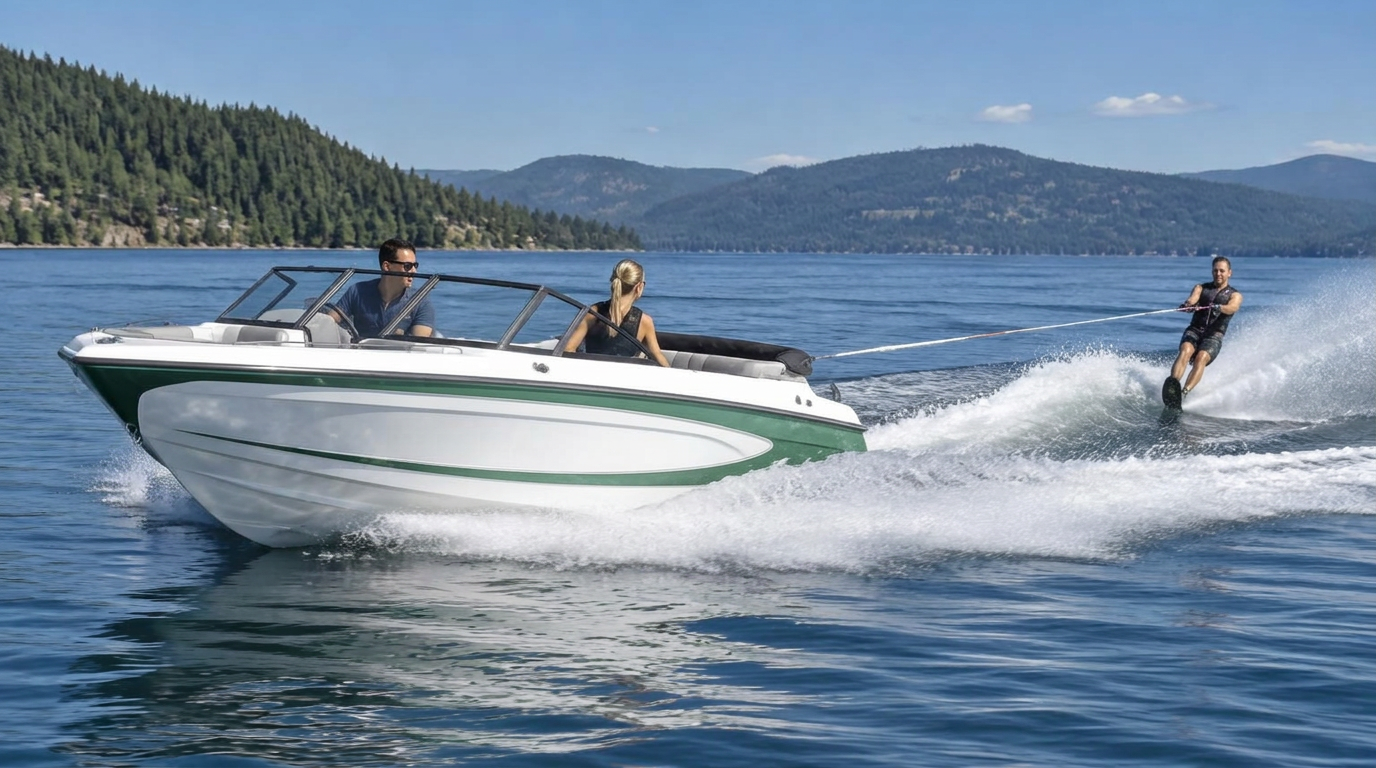
Fishing families get a bait tank and rod holders, the ski set get a removable ski pole and more than enough punch for an adult skier, and everyone gets the deep, safe cockpit. The transom-mounted live bait tank keeps poddy mullet or yabbies lively for a session chasing flathead or snapper, the side pockets swallow full-length rods without tip damage, and there is tackle storage within reach of the helm. For water sports, the removable ski pole threads straight into the stern sole, and with 115 hp on the back the 510 has the hole-shot to pull an adult slalom skier out of the water rather than merely dragging a biscuit — that single upgrade from 90 hp to 115 hp is what makes the 510 a credible water-sports boat rather than just a family day boat that can also tow. Between activities, the deep cockpit sides and full-width rear lounge give everyone a safe place to sit while underway, and the drained underfloor ski locker keeps wet ropes and vests out of the way.

On the trailer it sits inside standard garage and caravan-park limits, and it launches and retrieves one-handed without drama. The single-axle braked trailer is light enough to reverse cleanly down a ramp, and the aluminium hull — free of gelcoat to scratch or glass to worry about — noses onto sand or gravel at the waterline without the anxiety that comes with a glass boat. At roughly 300 kg lighter on the trailer than the 590, the 510 can be towed by the same family SUV that does the school run, parked in a standard 6 m garage bay with the boat and trailer together, and stored in a caravan-park hardstand without pushing site length limits. For families who want their boat at the holiday shack or who tow to different waterways on weekends, that tow-and-store practicality matters every single trip.

It shares its hull and layout with the larger 520 - nearly the same boat, just with its own personality in white and metallic green. The two boats sit on the same hull platform and share the same walk-through windscreen, twin bolster seat cockpit, full-width rear lounge and 90-litre underfloor tank — the difference is in the presentation, not the architecture. Where the 520 wears its silver and gold livery as the flagship of the range, the 510's white-and-green scheme reads cleaner and more modern, especially on the water in strong sunlight. For a buyer weighing the two side by side, the 510 offers the same ride, the same cockpit space and the same water-sports capability for slightly less money, with the trade-off being simply which colour you prefer in the driveway and which best suits the rest of your tow vehicle and gear.

If you want one boat that does the lot - bays, lakes, sandbars and ski runs - without stepping up to the big 590 or 610, the 510 Cruiseabout is the value sweet spot. It is the boat that lets a family discover every kind of boating — fishing, cruising, swimming, skiing and sandbar picnics — in a single manageable package that tows easily, stores cheaply, shrugs off salt water and aluminium dings, and holds its value in the second-hand market because it is exactly the size the next family coming up from a tinnie or a jet ski is looking for. For first-time buyers who want to make sure boating sticks before committing to a larger, more expensive rig, the 510 is the boat that lets you test the waters in every sense: light enough to learn on, capable enough to grow into, and rewarding enough that you will still want to take it out five years later.

Quintrex hulls are roll-formed rather than simply pressed, so the side sheets can be curved into concave and convex shapes instead of folded flat. That single manufacturing difference is what allows a fine, sharp entry at the stem, a deep variable deadrise carried well aft, and a bow that flares outward Carolina-style to throw spray sideways and down instead of back into the cockpit.
The Millennium hull introduced the softer, finer entry; the Blade hull sharpened it further with a deeper forefoot that slices chop rather than slapping it; and the APEX hull refined the topsides and chine geometry again for more lift and less spray. Pronounced reverse chines push a cushion of water outboard, which adds lift underway and makes the boat feel notably steadier at rest when everyone stands on one side. The aerated, foamy water the hull drags along its running surface acts as a cushion, taking much of the sting out of landings — the difference between slicing through a wave and belly-flopping onto it.


The world's best selling bowrider size, Light, simple and easy to tow.
US$38,000 - US$52,000 new

The refined mainstream benchmark: quiet, dry, and beautifully finished for the money.
US$72,000 - US$95,000 new

A premium 25-foot bowrider renowned for its deep seating, convertible lounges, refined ride and exceptional finish.
US$155,000 - US$210,000 new
Featured Boat of the Week

This week we are putting the Bayliner Bayliner DX2000 in the spotlight, and it earns the spot. At 20 ft 2 in (6.16 m) long on a 8 ft (2.44 m) beam, this is a bowrider that reads the water well and still feels roomy enough for a full day out. A 20-foot deck-boat-width bowrider with outboard power and a huge social cockpit. Power comes from 115-150 hp mercury fourstroke outboard through a outboard package, and the fibreglass hull keeps the ride settled when the afternoon breeze puts a chop on the surface.
Seating is rated for 8 people, so there is space for family, friends, towels, eskies and the tow rope without anyone climbing over gear. Owners tend to buy it for family, water ski, leisure — which is exactly where it shines. Fuel is 30 us gal (114 l), and on the second-hand and new market you should expect to land somewhere around US$42,000 - US$58,000 new depending on hours, trailer and options.
Our full deep dive covers the layout in detail: bow lounge comfort, helm ergonomics, the rear entertaining area, storage that actually swallows a weekend, plus standard features, popular options and honest notes on where the boat compromises. If the Bayliner DX2000 is on your shortlist, start there — and check back next week, because the featured boat changes every week as we complete more full model reviews.
Featured Bowrider Article
Ownership

Getting towing right is the difference between spontaneous weekends and a boat that stays home. The mistake almost everyone makes is comparing the brochure hull weight to their vehicle's tow rating — two numbers that have almost nothing to do with real towing. Start with the dry hull weight, then add the engine if it is quoted separately, then fuel at roughly 0.75 kg per litre, plus batteries, safety gear, water sports equipment, an esky and the trailer itself. Trailers add 250-450 kg for single-axle and 400-700 kg for tandem. A 5.5 m aluminium bowrider quoted at 600 kg dry usually tows at 1,200-1,400 kg. A 6.5 m fibreglass boat quoted at 1,600 kg often tows at 2,400-2,700 kg. Always use the loaded figure and aim to stay well under your vehicle's rating rather than at it. Up to about 1,200 kg loaded — small aluminium bowriders to 5 m — a mid-size sedan, wagon or compact SUV with a proper tow package is usually sufficient. Between 1,200 and 2,000 kg, mid-size SUVs and utes handle the job comfortably. Above 2,000 kg, which covers most fibreglass bowriders over 6 m, you want a full-size SUV, ute or truck rated for 2,500-3,500 kg. Beyond 2,500 kg…
Read the full article