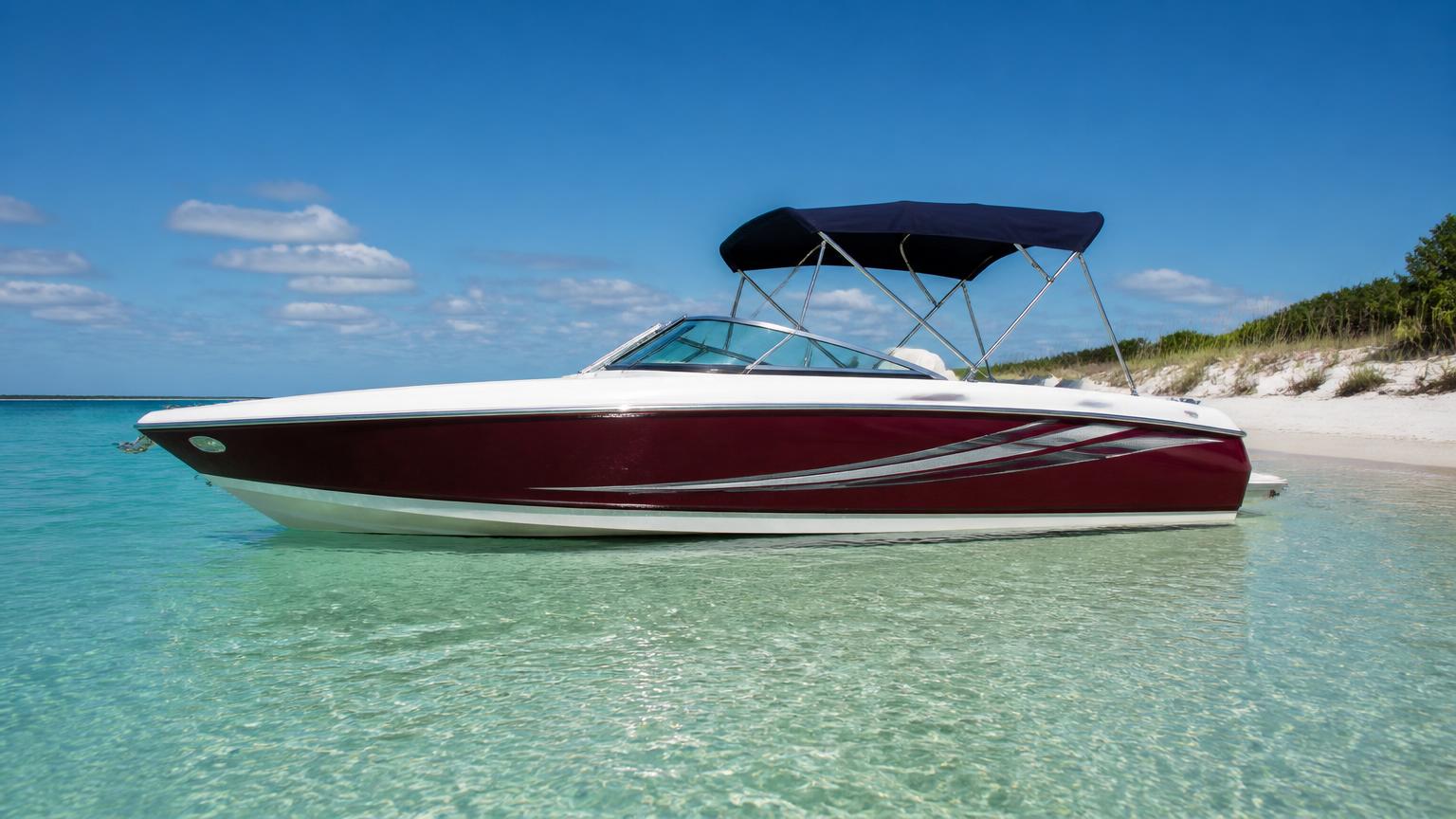
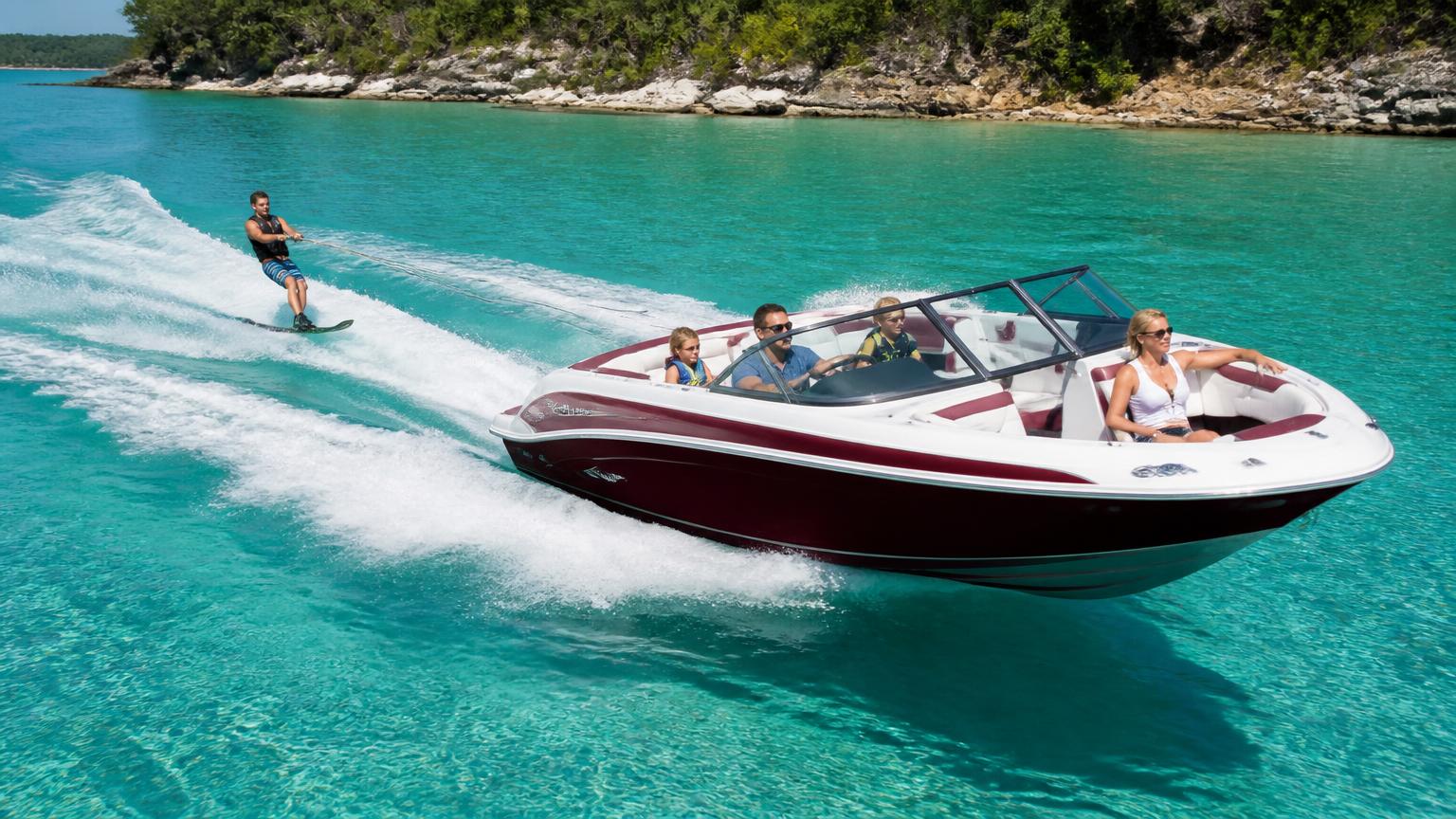
Bayliner VR5
The world's best selling bowrider size, Light, simple and easy to tow.
- Length
- 19 ft 9 in (6.02 m)
- Drive
- Outboard
- Seats
- 8 people / 1,150 lb
US$38,000 - US$52,000 new
Site Menu — Find Your Page
Bowrider Boats Mega Website

The Bayliner 185 Bowrider defined the affordable stern drive bowrider for two decades, and it remains one of the most traded used boats in the world. At 18 ft 6 in (5.64 m) it is small enough to tow with almost anything and cheap enough to buy outright.

The MerCruiser 3.0L four-cylinder is the common engine and it is mechanically simple, well documented and inexpensive to rebuild. The 4.3L V6 version is markedly better for towing skiers and is worth the extra money if you find one with good compression.

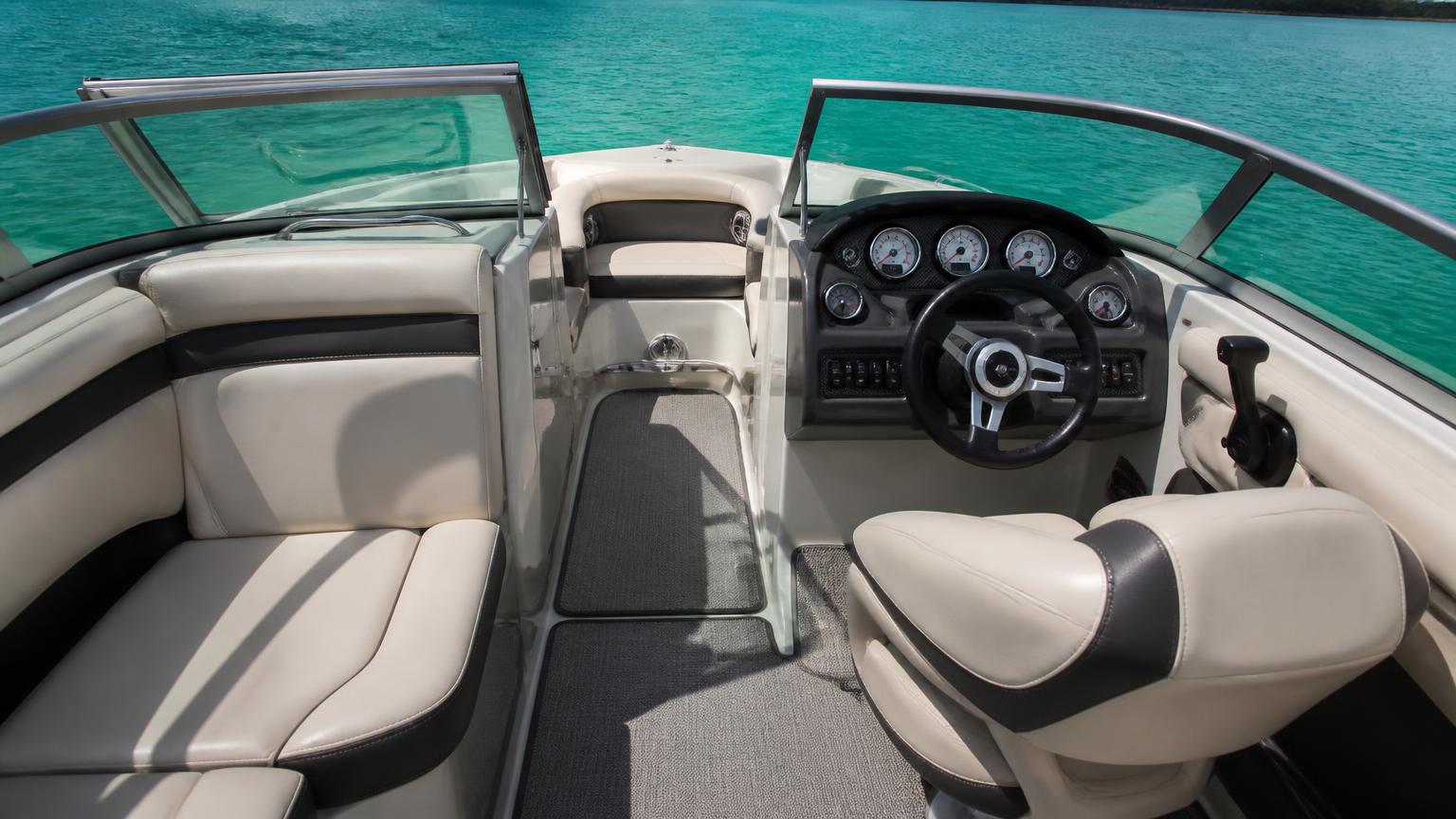
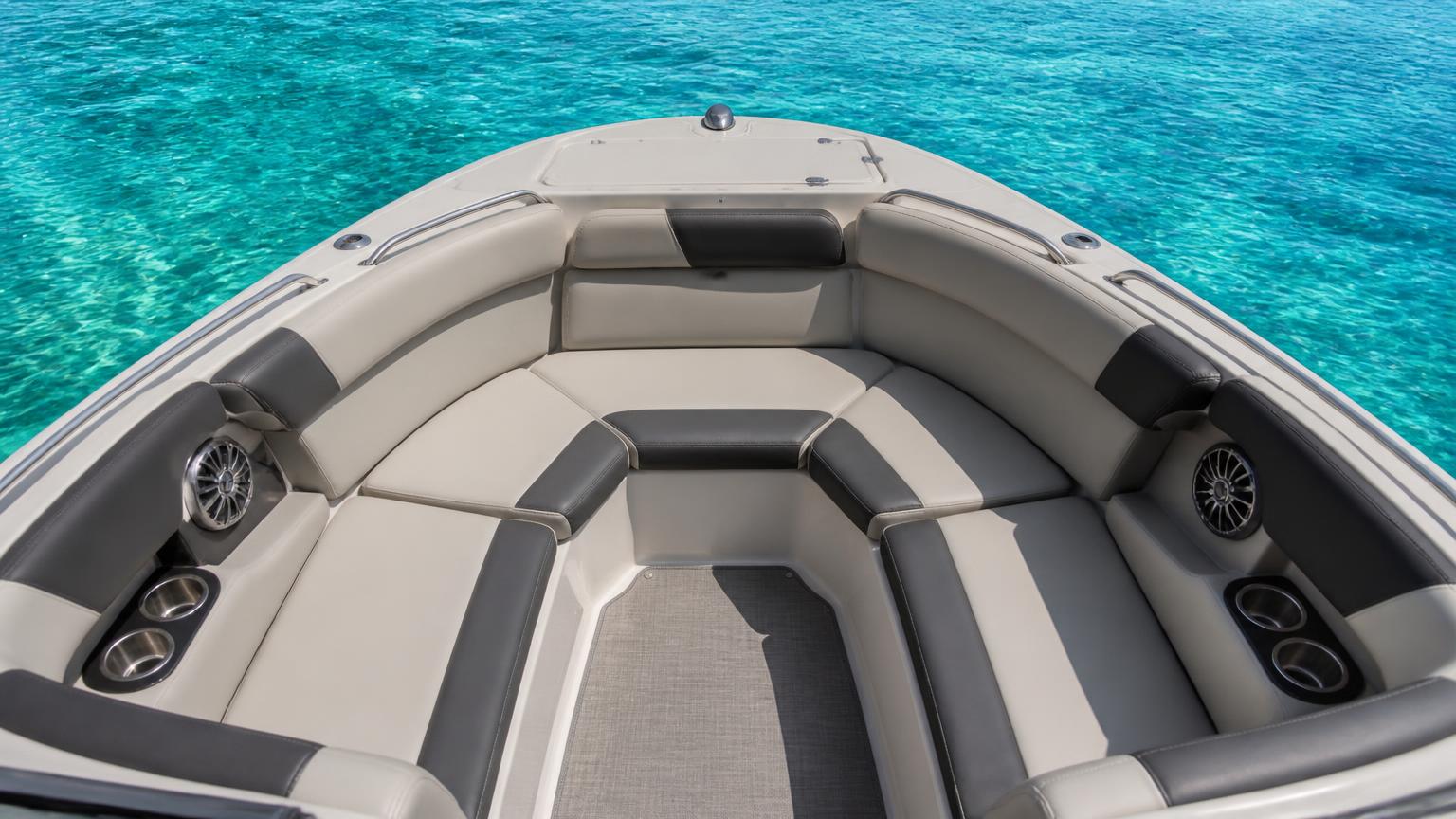
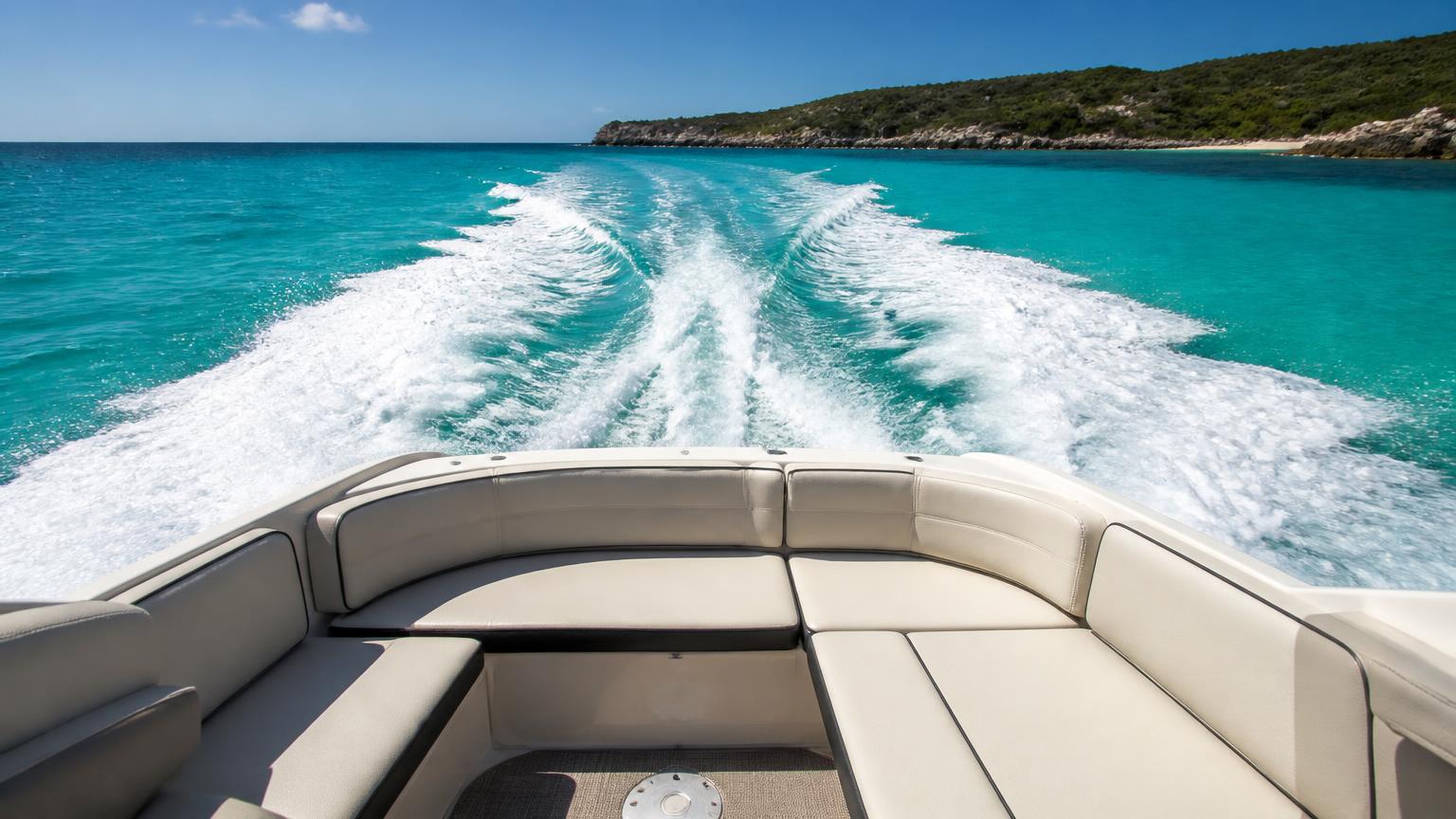
Layout is basic bowrider: two bow lounges, twin helm buckets, a rear bench and a small swim platform. Storage is modest, and the finish is plain, but the bones are sound and parts are universally available.

The two things to check on any 185 are the transom and the stringers. Older Bayliners used wood cores in places, and boats stored uncovered can absorb water. Tap the transom, look for flexing when the drive is lifted, and inspect the bilge for staining.

Bought well, a 185 is the cheapest genuine route into bowrider ownership, and the running costs are small enough that a family can learn what they actually want before upgrading.


The world's best selling bowrider size, Light, simple and easy to tow.
US$38,000 - US$52,000 new

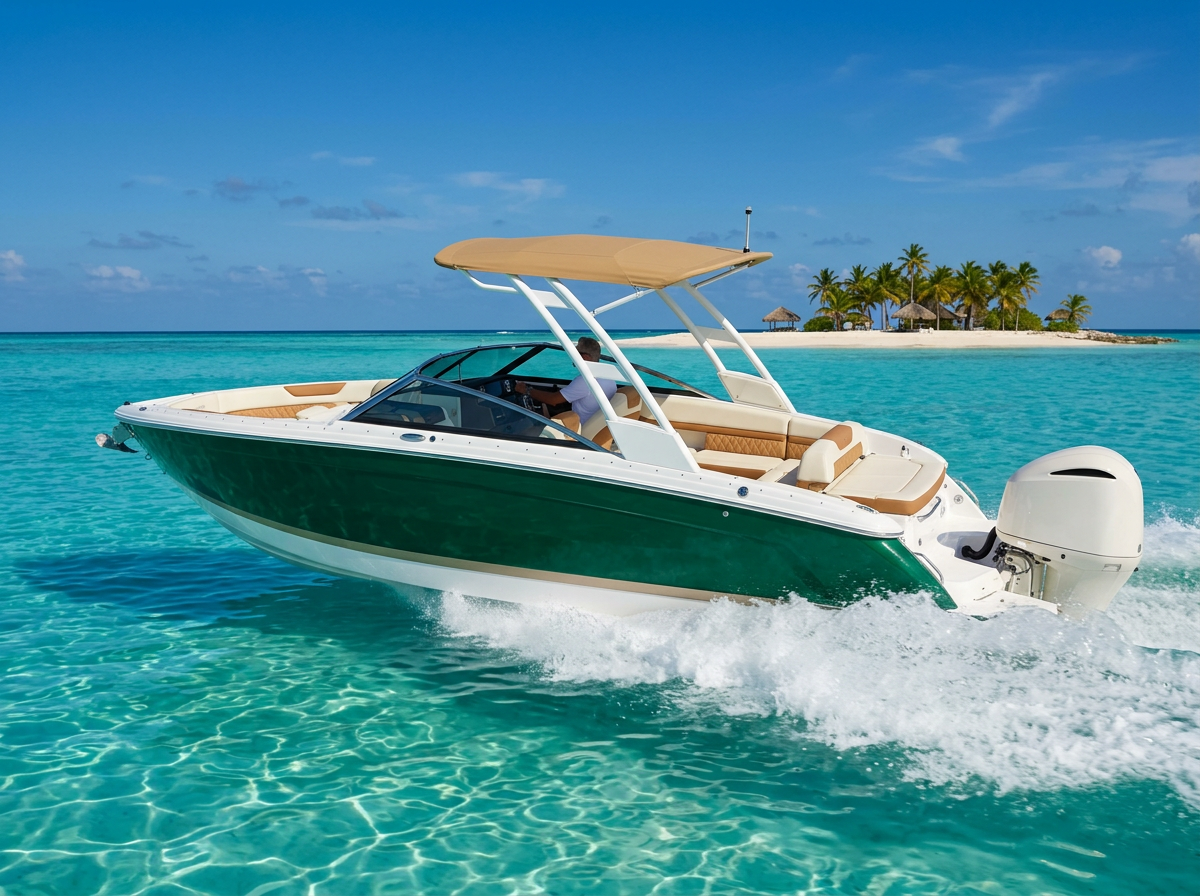
The refined mainstream benchmark: quiet, dry, and beautifully finished for the money.
US$72,000 - US$95,000 new

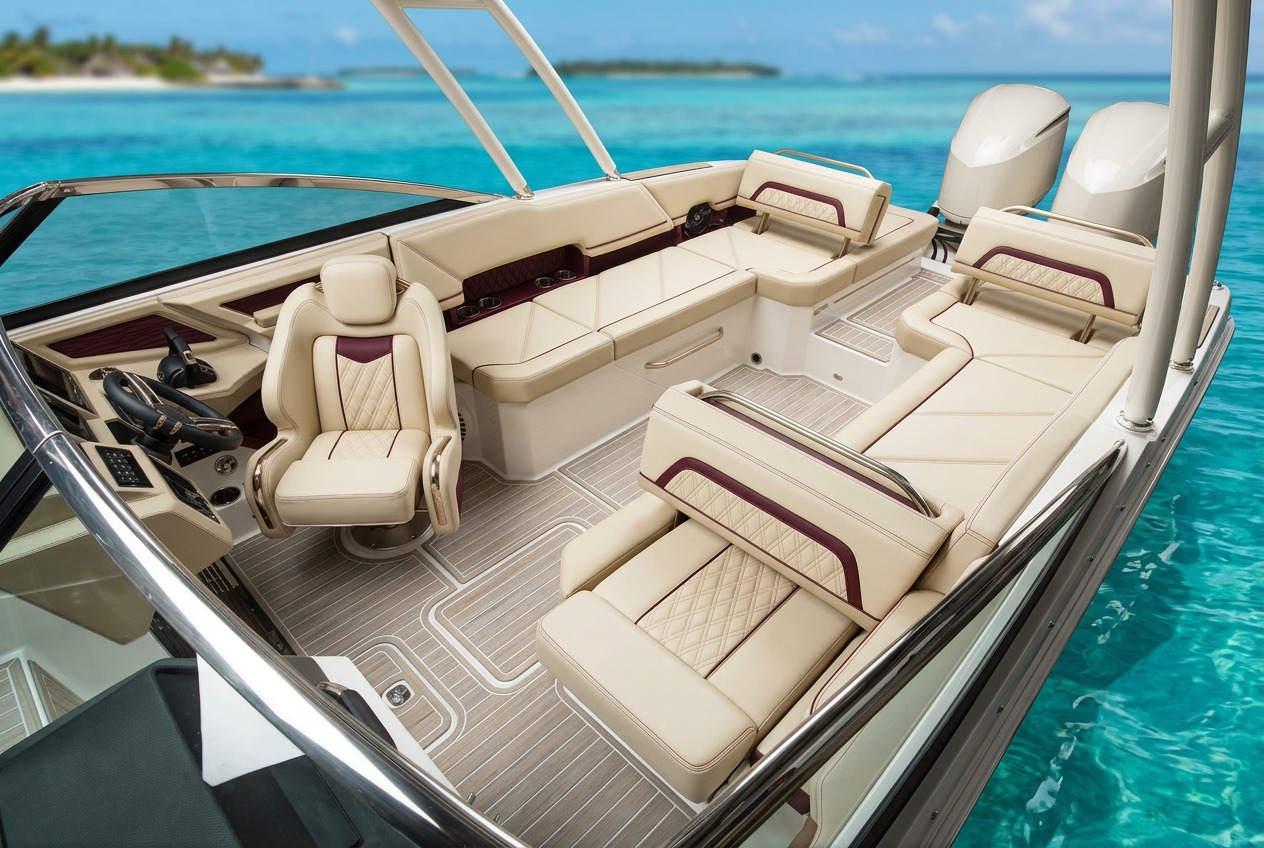
A premium 25-foot bowrider renowned for its deep seating, convertible lounges, refined ride and exceptional finish.
US$155,000 - US$210,000 new
Featured Boat of the Week

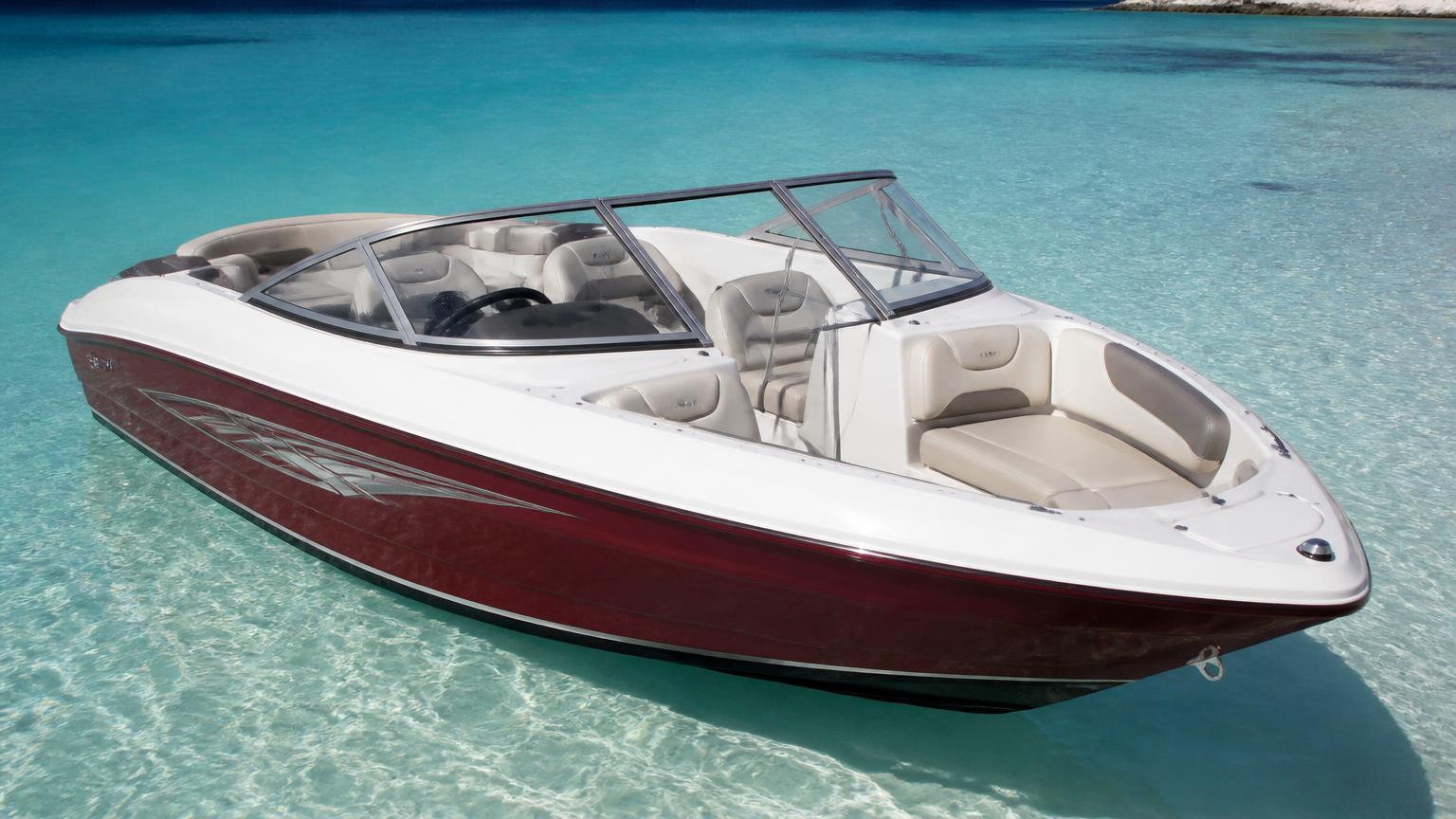
This week we are putting the Bayliner Bayliner DX2000 in the spotlight, and it earns the spot. At 20 ft 2 in (6.16 m) long on a 8 ft (2.44 m) beam, this is a bowrider that reads the water well and still feels roomy enough for a full day out. A 20-foot deck-boat-width bowrider with outboard power and a huge social cockpit. Power comes from 115-150 hp mercury fourstroke outboard through a outboard package, and the fibreglass hull keeps the ride settled when the afternoon breeze puts a chop on the surface.
Seating is rated for 8 people, so there is space for family, friends, towels, eskies and the tow rope without anyone climbing over gear. Owners tend to buy it for family, water ski, leisure — which is exactly where it shines. Fuel is 30 us gal (114 l), and on the second-hand and new market you should expect to land somewhere around US$42,000 - US$58,000 new depending on hours, trailer and options.
Our full deep dive covers the layout in detail: bow lounge comfort, helm ergonomics, the rear entertaining area, storage that actually swallows a weekend, plus standard features, popular options and honest notes on where the boat compromises. If the Bayliner DX2000 is on your shortlist, start there — and check back next week, because the featured boat changes every week as we complete more full model reviews.
Featured Bowrider Article
On the Water

Bowriders are among the easiest boats to learn on. They plane readily, turn predictably and respond well to trim. Most beginner difficulty happens at the ramp and the dock rather than out on the water, so those are the skills worth practising first. Prepare away from the ramp: fit the drain plug, remove tie-downs, load gear, connect the battery, raise the drive or outboard and lower the cover. Then back down in one steady movement, keeping the tow vehicle's rear wheels out of the water where possible. Float the boat off with a bow line held, start the engine only once the drive is deep enough for cooling water, then move clear of the ramp before sorting anything else out. Ramp courtesy is simple: everything you can do in the car park, do in the car park. To plane, trim the drive fully down, apply throttle firmly, and hold it as the bow rises and then settles. Once the boat levels out, ease the throttle back to cruise and trim the drive up gradually. You will feel the boat lighten, the rpm rise slightly and the speed increase for the same throttle. Too much trim makes the bow bounce or the prop ventilate; too little…
Read the full article