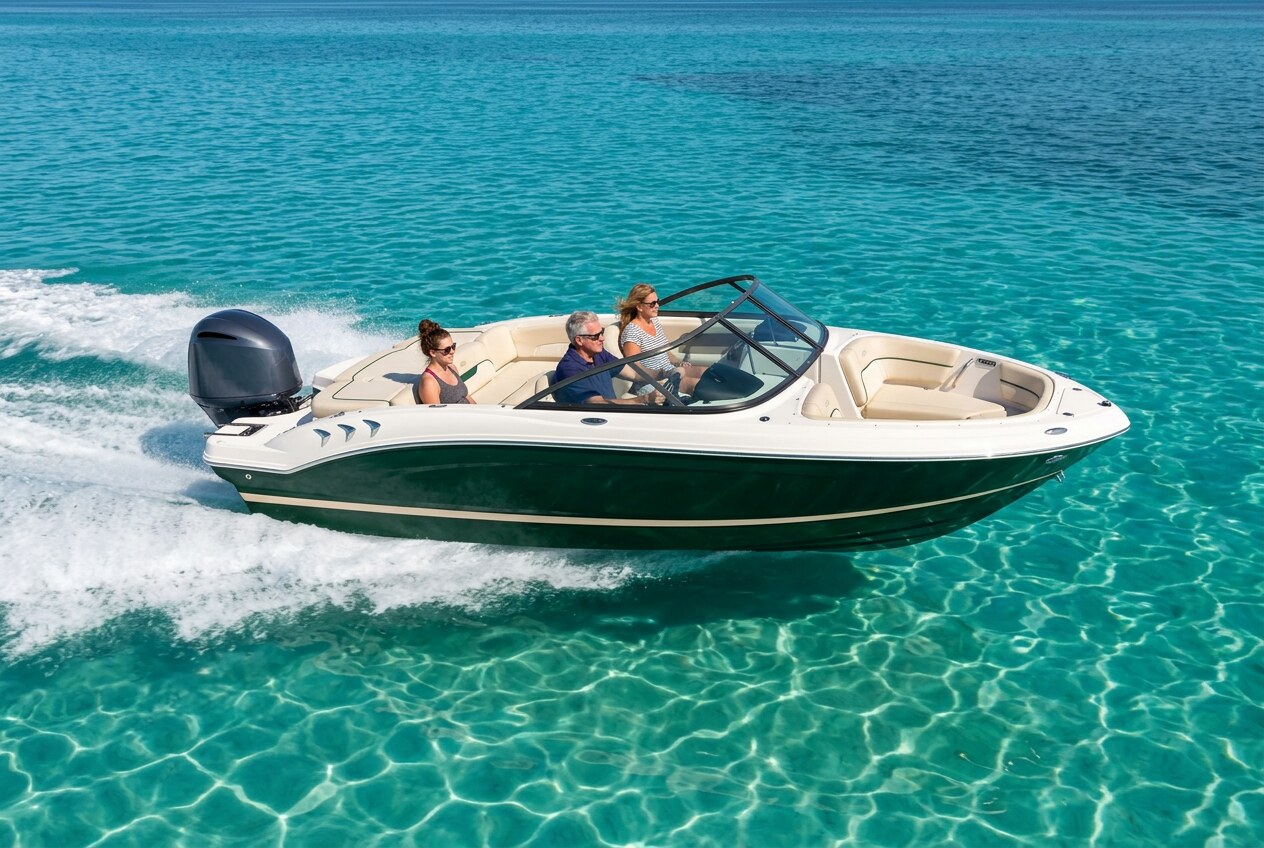
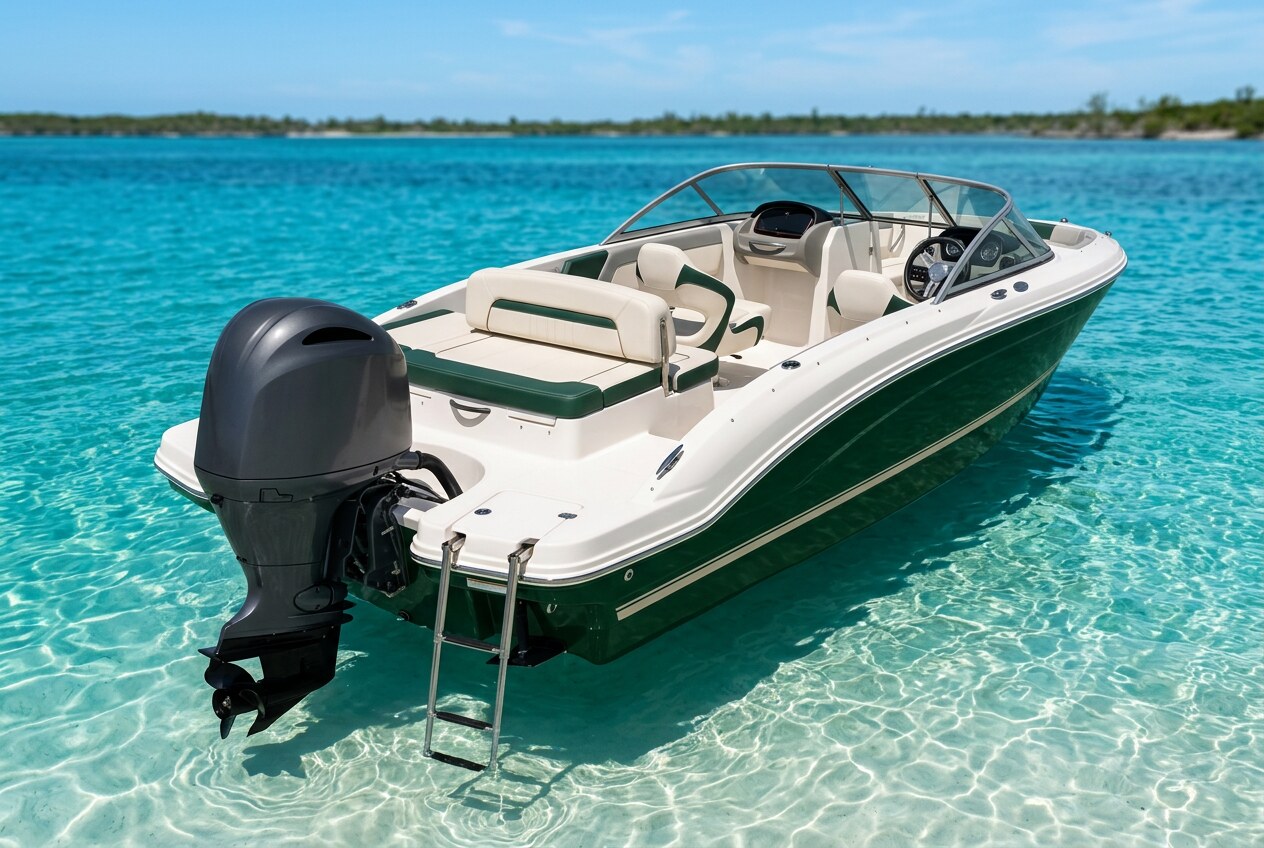
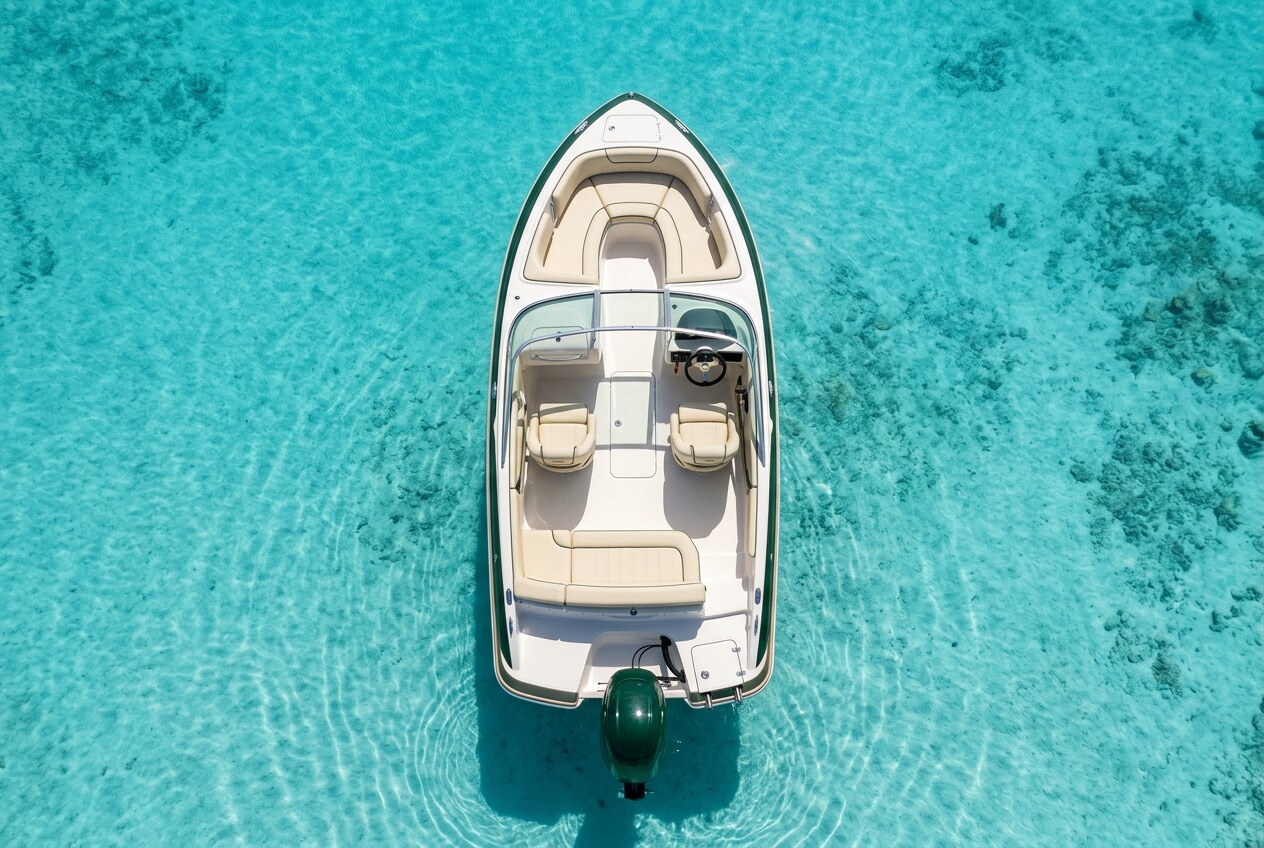
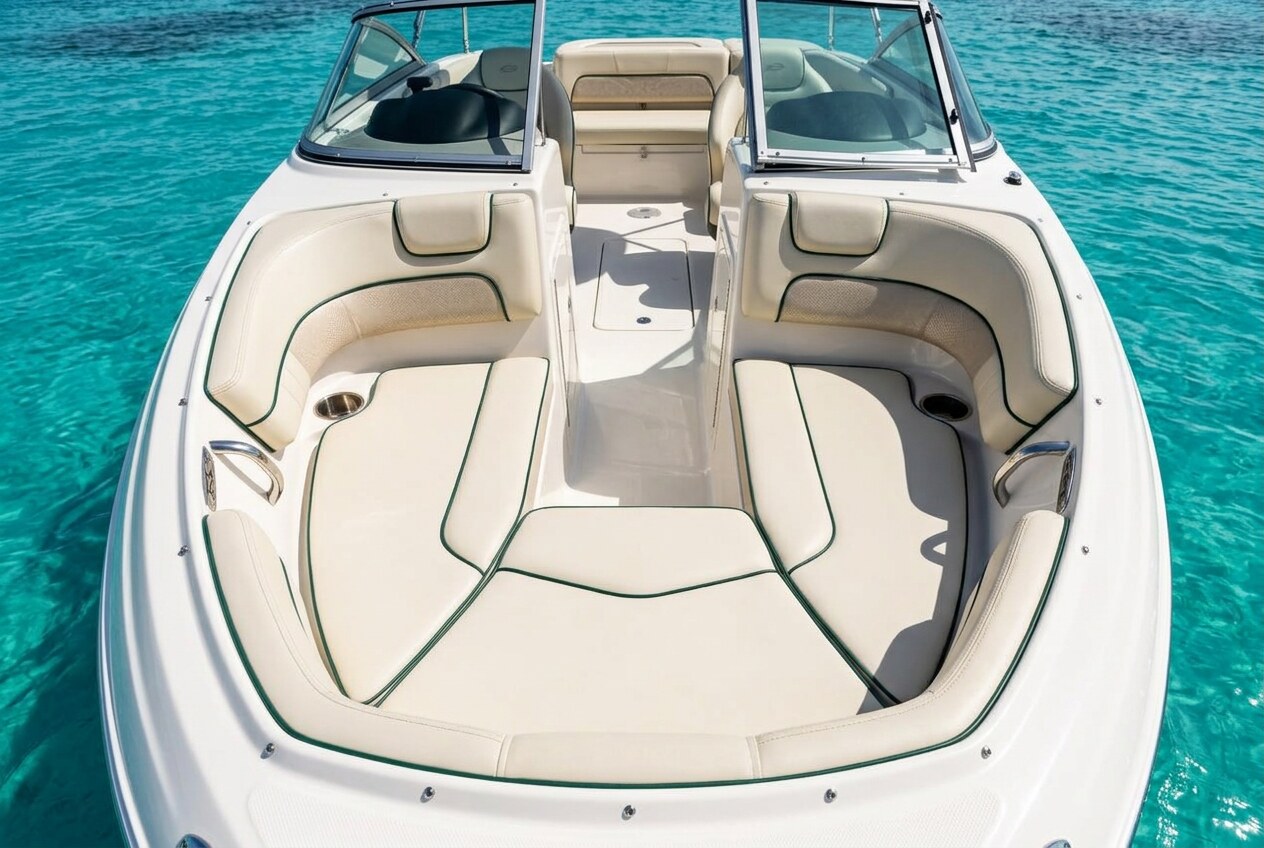
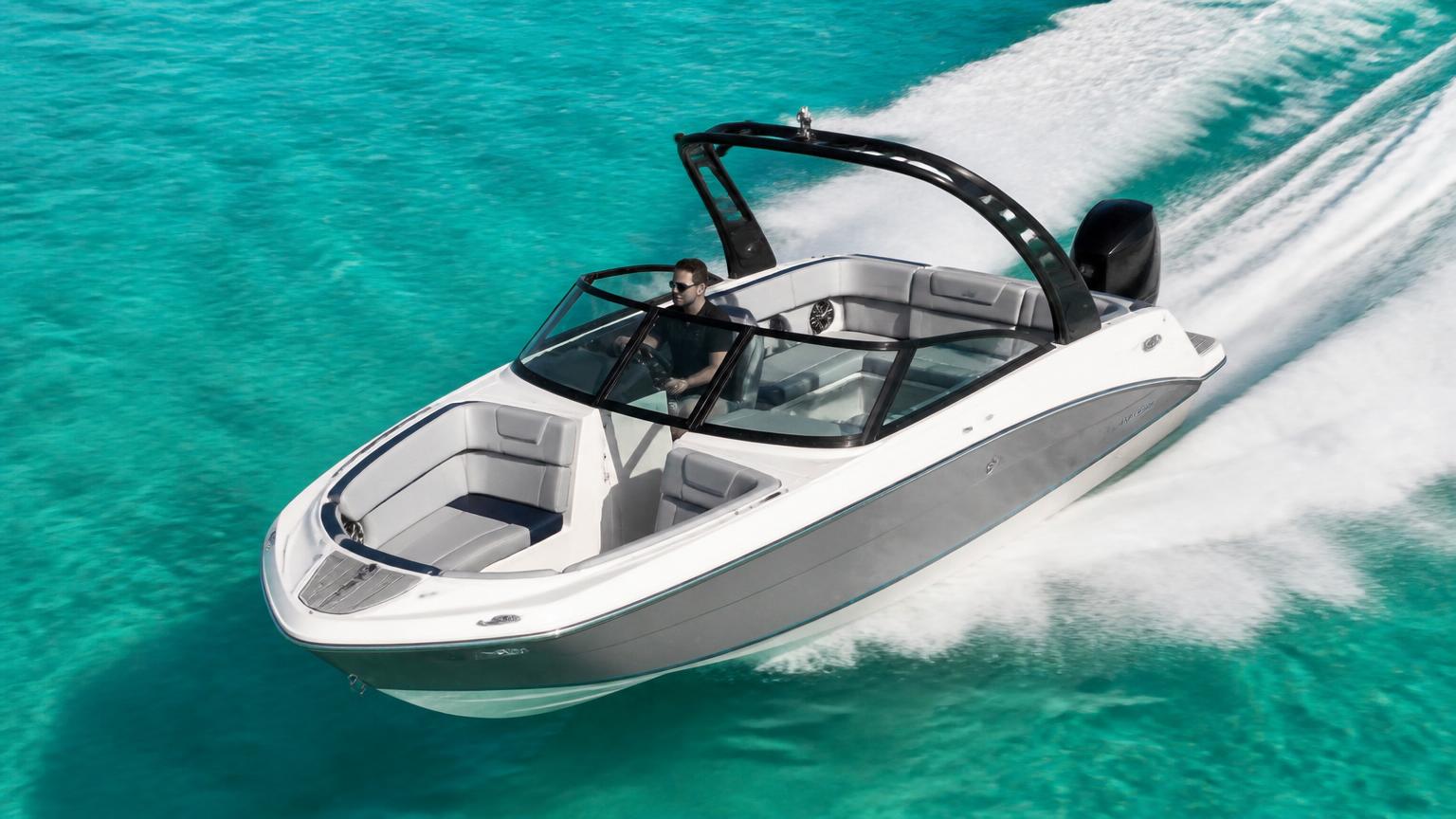
Bayliner VR5
The world's best selling bowrider size, Light, simple and easy to tow.
- Length
- 19 ft 9 in (6.02 m)
- Drive
- Outboard
- Seats
- 8 people / 1,150 lb
US$38,000 - US$52,000 new
Site Menu — Find Your Page
Bowrider Boats Mega Website

The Chaparral 19 SSi is the entry point to the SSi family, but it is not treated like a stripped-out starter boat. It packages the styling, upholstery detail and composed running attitude associated with larger Chaparrals into a hull that remains manageable at the ramp and realistic to tow with a broad range of family vehicles. At approximately 19 ft 4 in long, depending on model year and whether the published figure includes the swim platform, it sits in the sweet spot for first-time owners who want premium presentation without stepping immediately into the cost, storage and tow weight of a 21- or 23-footer.

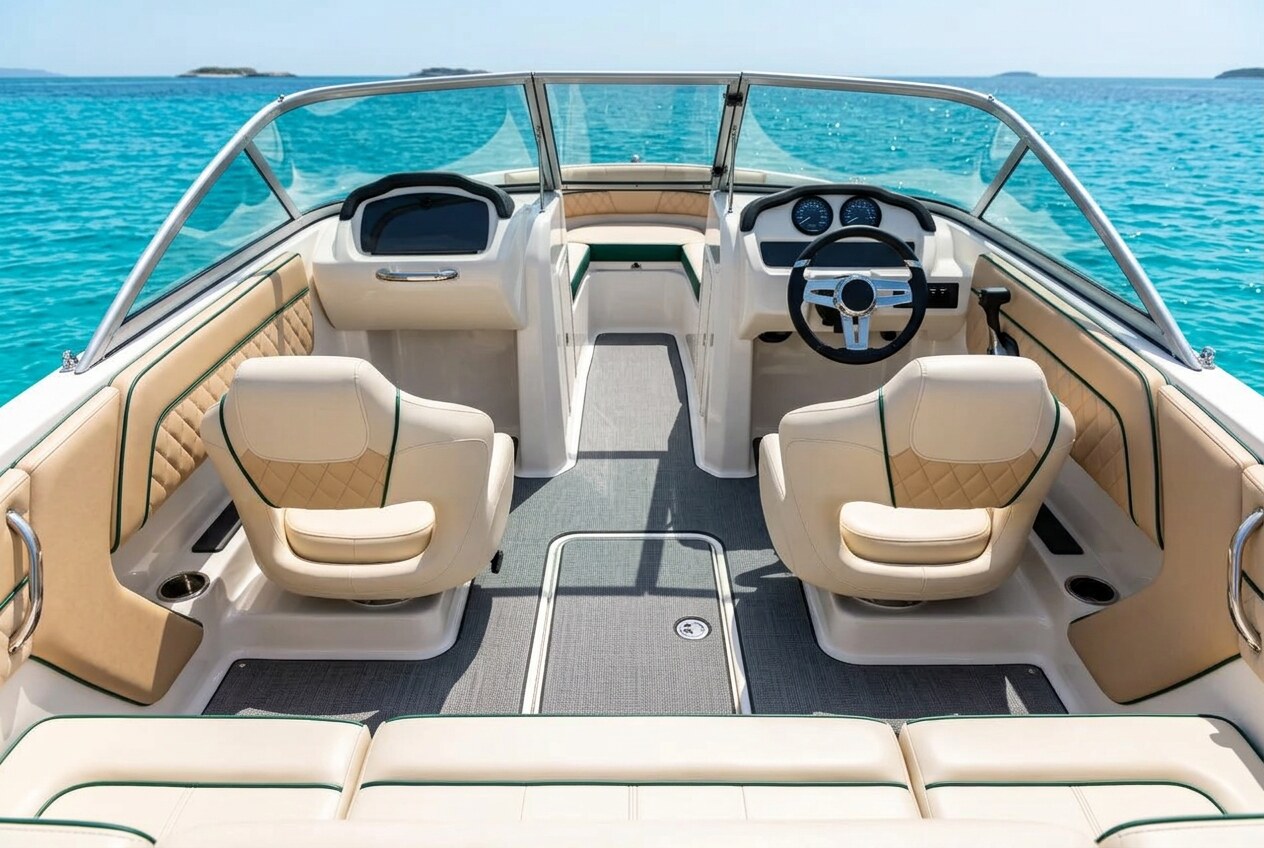
Its open bow is a genuine passenger area rather than a decorative pair of cushions. Wraparound backrests support adults through the shoulders, the coamings feel reassuringly deep for younger passengers, and the centre walkway makes boarding from the bow straightforward at beaches and docks. Storage beneath the seat bases absorbs life jackets, towels and day bags, while stainless grab rails and drink holders are placed close to hand. A bow filler cushion can create a compact sun pad on suitably equipped boats, although buyers should confirm which cushions, covers and tables are included with a particular package.

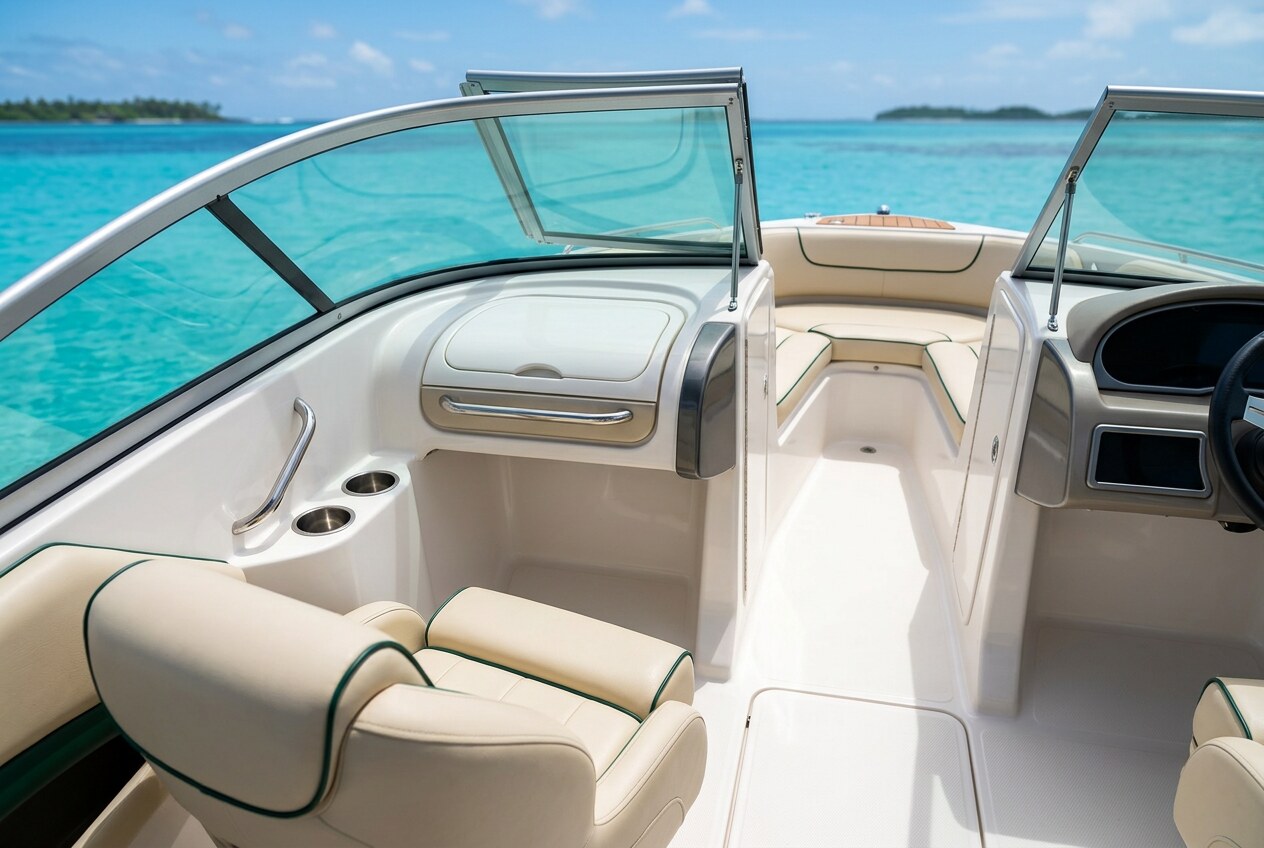
The cockpit uses its modest footprint intelligently. Separate captain and companion seats provide better support than a simple back-to-back arrangement, and flip-up bolsters improve the driver's view when manoeuvring or pulling a skier. Behind them, a broad aft bench creates the main social space and keeps the centre of the deck clear. The full-width windshield offers useful protection on cool mornings, and its opening centre panel connects the cockpit to the bow without making passengers climb over upholstery. Finished side panels, integrated cup holders and coordinated flooring help the boat feel more expensive than a typical 19-footer.

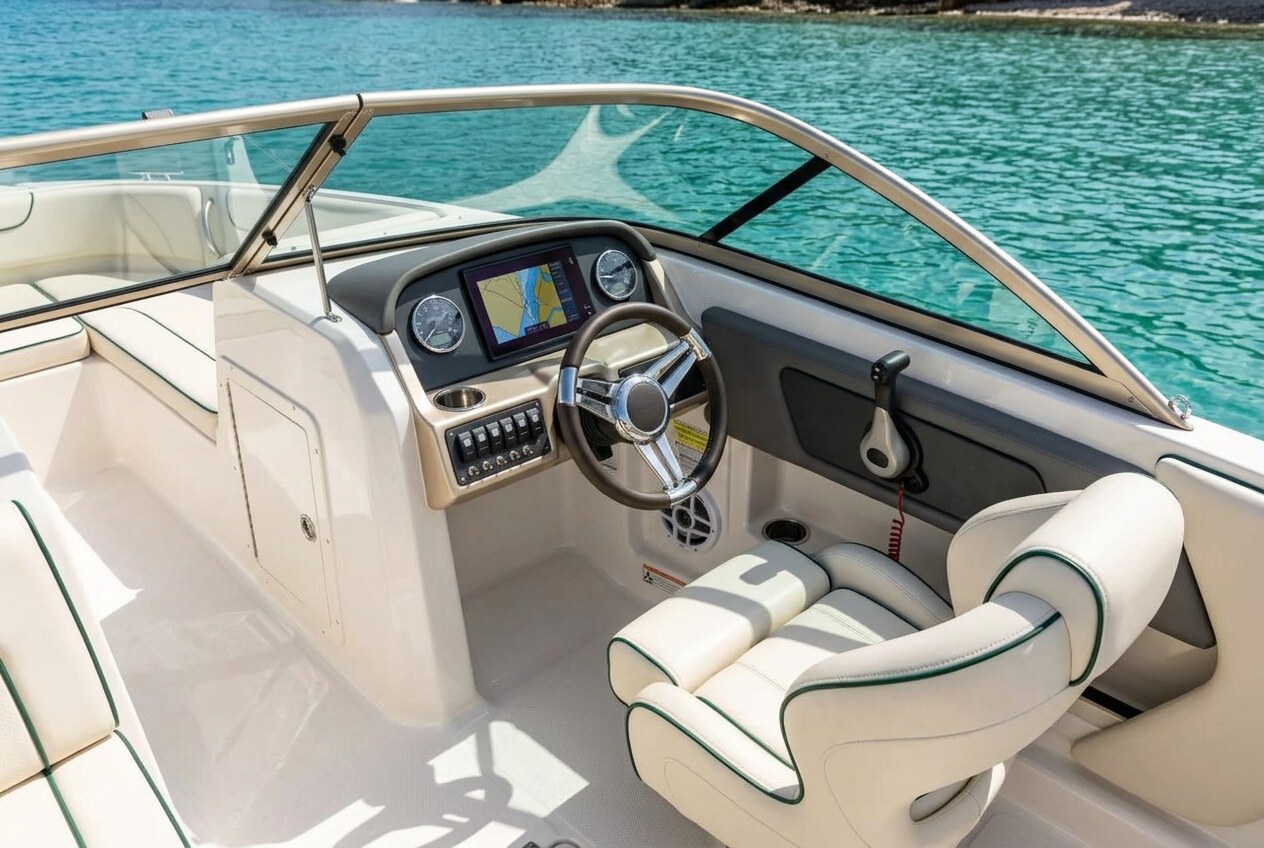
At the helm, the emphasis is clarity rather than screen overload. Depending on model year and option package, the driver may have analogue instruments, a compact multifunction chart display, engine data, audio controls and conventional rocker switches arranged around a sports wheel. The side-mounted throttle falls naturally to hand, and the adjustable bolster seat supports both seated cruising and a higher sightline around crowded ramps. Owners planning coastal use should prioritise a chartplotter and depth sounder; inland buyers may find the simpler factory display entirely adequate.

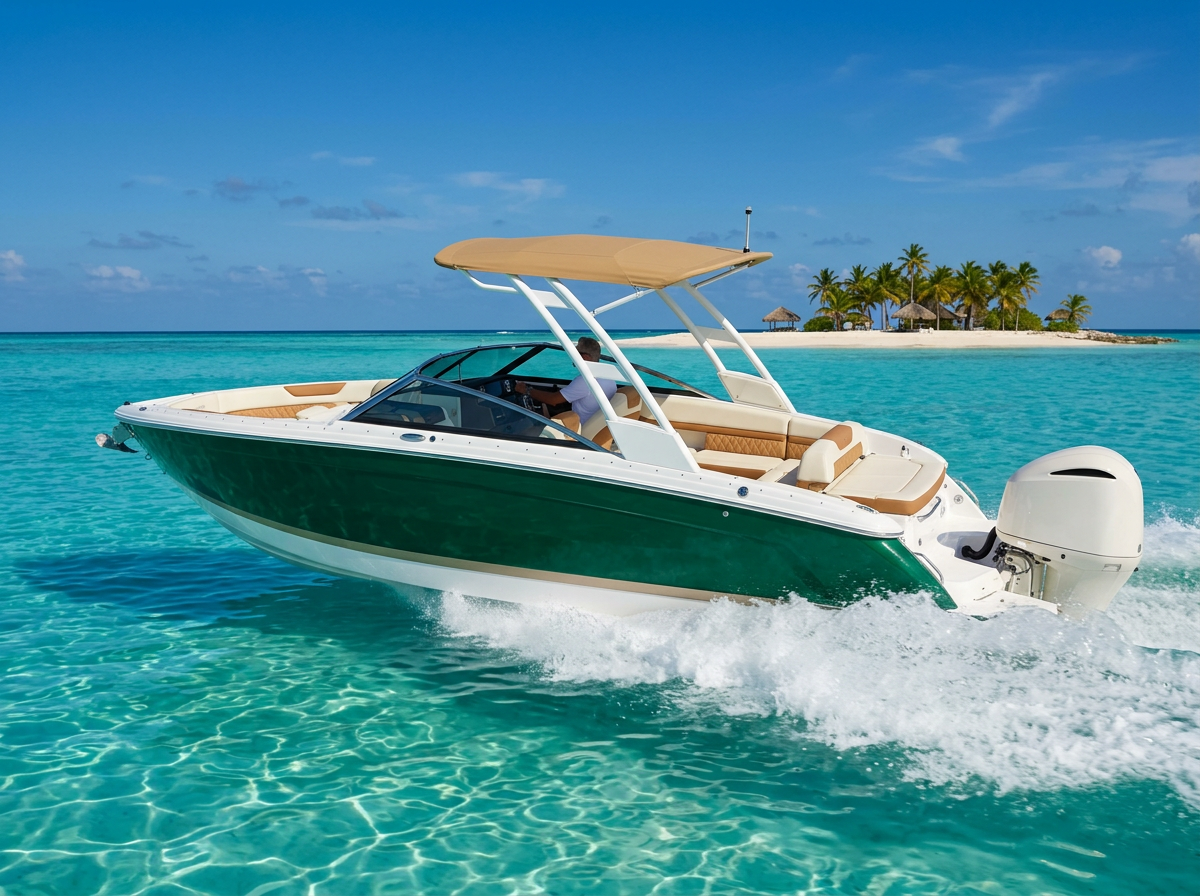
Outboard power is central to the 19 SSi's appeal. A modern 115 hp package is sufficient for economical family cruising, while the maximum-rated 150 hp option provides stronger acceleration when the boat is carrying several adults or towing a skier. The engine remains outside the passenger space, freeing the stern from a bulky engine box and simplifying routine checks, flushing and servicing. Actual speed depends heavily on propeller, engine, load, altitude and water conditions, but a healthy 150 hp installation should deliver lively planing performance rather than turning the boat into an intimidating high-speed machine.

The hull is tuned as an all-round family platform. It rises onto plane with limited drama, responds predictably to trim and holds a secure line through recreational turns. The compact length means closely spaced chop will always be more noticeable than aboard a heavier 23-footer, yet the bow shape and deadrise provide a reassuring ride when the driver uses sensible speed and trim. The narrow, easily managed beam also helps at the ramp and in storage, while the hull's stable stance at rest is valuable when passengers move between the bow and aft bench.

For watersports, the 19 SSi works best as a versatile recreational tow boat. With suitable power it can pull tubes, kneeboarders and recreational skiers, and a tower or elevated tow point improves rope angle and keeps the cockpit tidier. The in-floor locker carries skis, boards and ropes without sacrificing foot room. At anchor, the stern platforms and boarding ladder make swimming simple, while the aft bench keeps a supervising adult close to the water. Serious wake-surf riders will still want a purpose-built inboard with ballast and wake-shaping equipment.

Day-to-day ownership is one of the strongest reasons to choose this size. The boat can fit many domestic garages with careful trailer measurement, uses less fuel than a larger premium bowrider and can be washed, covered and launched by a small crew. Useful options include a folding bimini, premium audio, upgraded navigation display, bow and cockpit covers, snap-in or woven flooring, a removable cockpit table, underwater lighting and a matched trailer. Buyers should resist selecting every cosmetic option before budgeting for safety equipment, mooring protection, insurance and scheduled engine service.
Specifications vary across production years, countries and engine packages, so the figures on this guide should be treated as an informed comparison rather than a substitute for the capacity plate or factory documentation. Confirm the exact overall length, dry weight, fuel capacity, maximum horsepower and trailer rating of the boat being considered. Outboard brand availability can also change by dealer and region. A properly loaded trailer, correctly rated tow vehicle and working brakes matter more than a brochure's optimistic dry weight, which normally excludes fuel, batteries and family equipment.
When buying used, inspect the 19 SSi as both a boat and a complete day-boating system. Check the hull and transom for repairs, stress cracking or impact damage; test the bilge pump, navigation lights, audio, gauges and every accessory; and inspect cushion seams, storage drainage, flooring adhesion and windshield fasteners. Obtain an engine diagnostic report and service history, then sea-trial the boat with enough people aboard to represent normal use. A dry, clean example with intact covers and a well-maintained trailer can be an excellent long-term family boat with stronger fit and finish than many similarly sized alternatives.

The world's best selling bowrider size, Light, simple and easy to tow.
US$38,000 - US$52,000 new

The refined mainstream benchmark: quiet, dry, and beautifully finished for the money.
US$72,000 - US$95,000 new

A premium 25-foot bowrider renowned for its deep seating, convertible lounges, refined ride and exceptional finish.
US$155,000 - US$210,000 new
Featured Boat of the Week

This week we are putting the Bayliner Bayliner DX2000 in the spotlight, and it earns the spot. At 20 ft 2 in (6.16 m) long on a 8 ft (2.44 m) beam, this is a bowrider that reads the water well and still feels roomy enough for a full day out. A 20-foot deck-boat-width bowrider with outboard power and a huge social cockpit. Power comes from 115-150 hp mercury fourstroke outboard through a outboard package, and the fibreglass hull keeps the ride settled when the afternoon breeze puts a chop on the surface.
Seating is rated for 8 people, so there is space for family, friends, towels, eskies and the tow rope without anyone climbing over gear. Owners tend to buy it for family, water ski, leisure — which is exactly where it shines. Fuel is 30 us gal (114 l), and on the second-hand and new market you should expect to land somewhere around US$42,000 - US$58,000 new depending on hours, trailer and options.
Our full deep dive covers the layout in detail: bow lounge comfort, helm ergonomics, the rear entertaining area, storage that actually swallows a weekend, plus standard features, popular options and honest notes on where the boat compromises. If the Bayliner DX2000 is on your shortlist, start there — and check back next week, because the featured boat changes every week as we complete more full model reviews.
Featured Bowrider Article
Engines & Drives

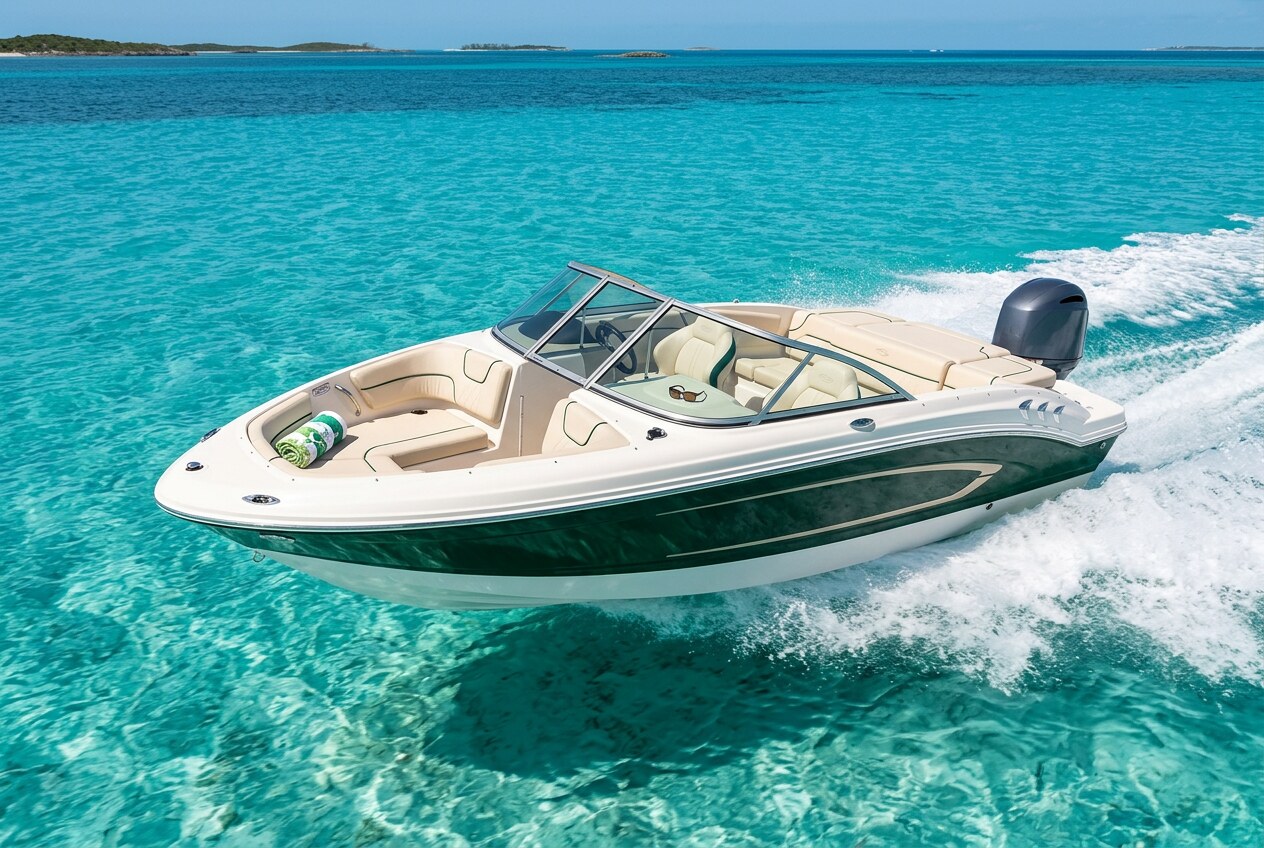
For decades the familiar bowrider formula placed a marinised car-style engine beneath the rear sun pad and connected it through the transom to a MerCruiser Alpha, Bravo or Volvo Penta drive leg. Today many new family bowriders are designed around outboard power instead. The change reflects stronger four-stroke technology, easier ownership, wider engine choice and a market that increasingly rewards boats which are simple to service, repower and resell. Through the 1980s, 1990s and early 2000s, a petrol sterndrive was a logical match for a fibreglass bowrider. A marinised four-, six- or eight-cylinder engine sat low inside the hull, while an articulated outdrive supplied steering, trim and reverse. MerCruiser’s Alpha One became especially common in affordable family boats, with Bravo drives serving higher outputs; Volvo Penta offered its own widely respected single-prop and Duoprop alternatives. This arrangement produced a clean-looking transom and kept a heavy engine low and close to the boat’s centreline. Builders could cover the machinery with a padded sun lounge, then mould a broad swim platform around the drive. Compared with the smoky two-stroke outboards of the period, an automotive-based four-stroke sterndrive often felt quieter, smoother and more economical. For a family runabout, it was an attractive and proven package.
Read the full article