Bayliner VR5
The world's best selling bowrider size, Light, simple and easy to tow.
- Length
- 19 ft 9 in (6.02 m)
- Drive
- Outboard
- Seats
- 8 people / 1,150 lb
US$38,000 - US$52,000 new
Site Menu — Find Your Page
Bowrider Boats Mega Website

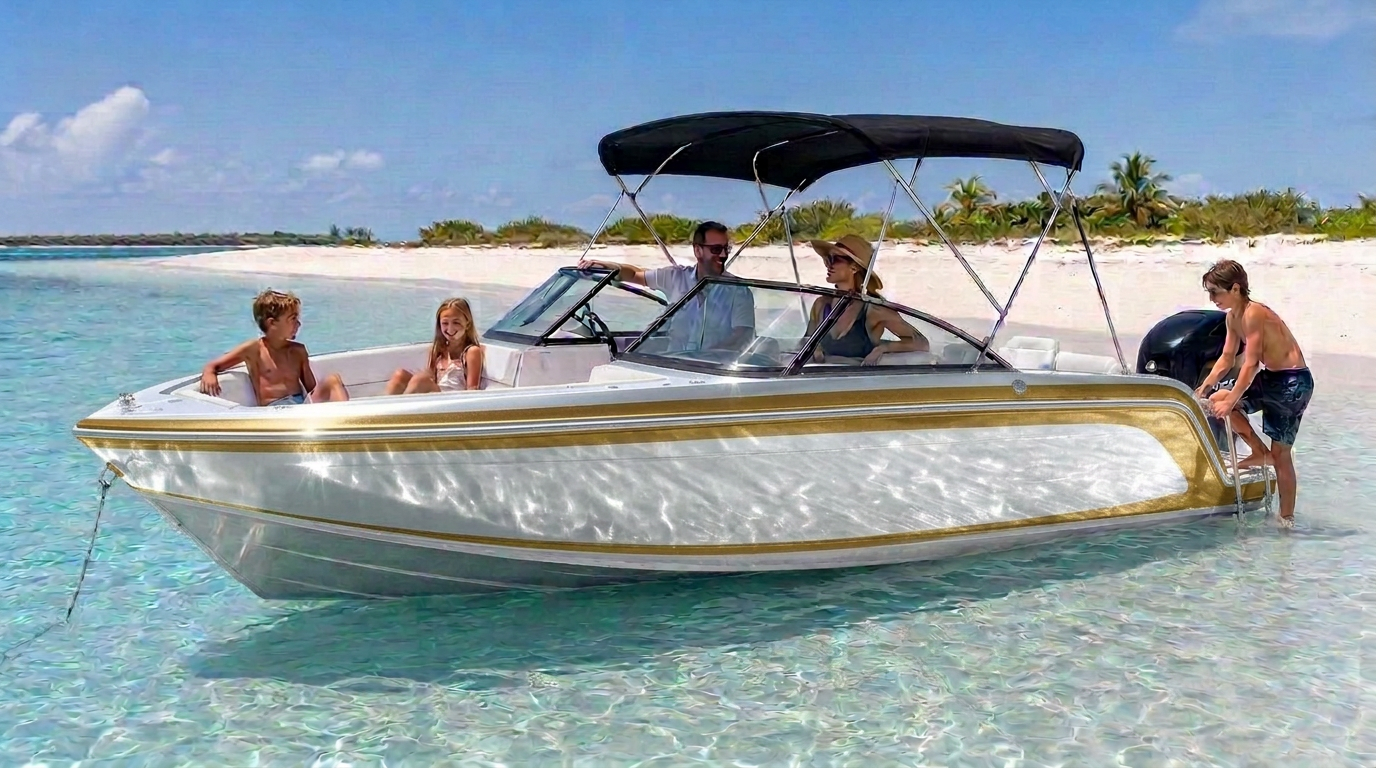
The Quintrex 610 Cruiseabout sits at the top of the Cruiseabout range: a full 6.1 m (20 ft) aluminium bowrider designed for families who want the open-bow versatility of the smaller models with the room, range and authority of a genuine big-water day boat. It is only about 20 centimetres longer than the 590 on paper, yet that final increase in waterline, cockpit volume and carrying capacity creates a noticeably more substantial package. With seating for up to eight, a broad beam around 2.45 m (8 ft) and a 150 to 175 hp outboard, this is the tow-everything flagship of the family.

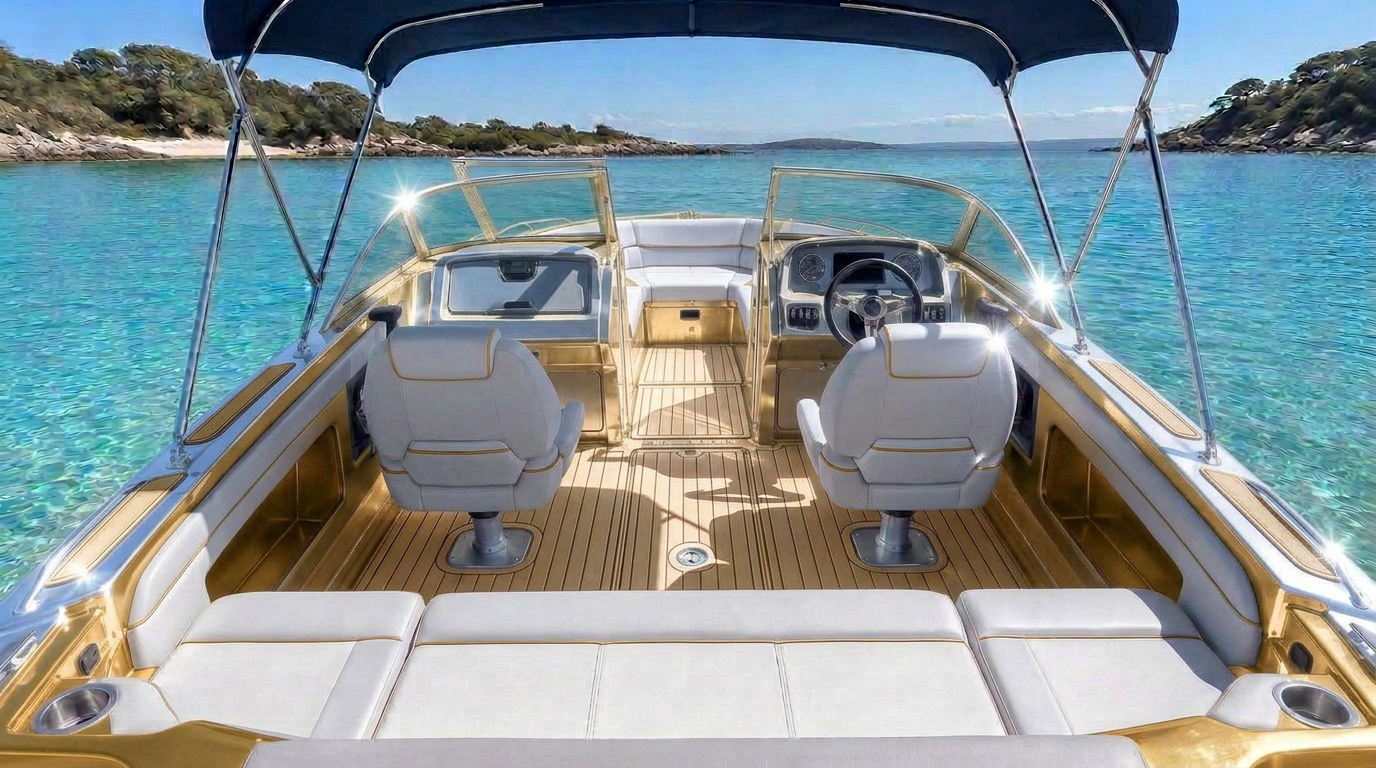
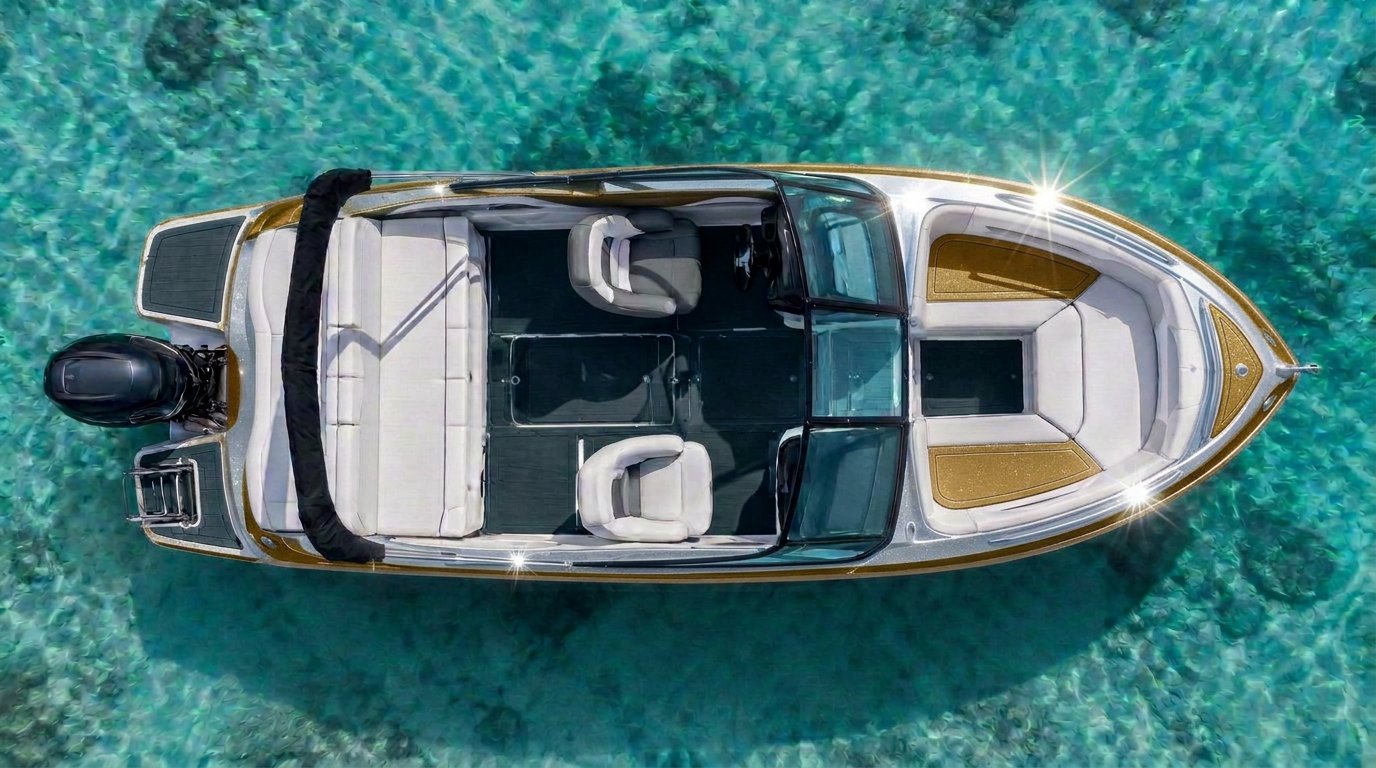
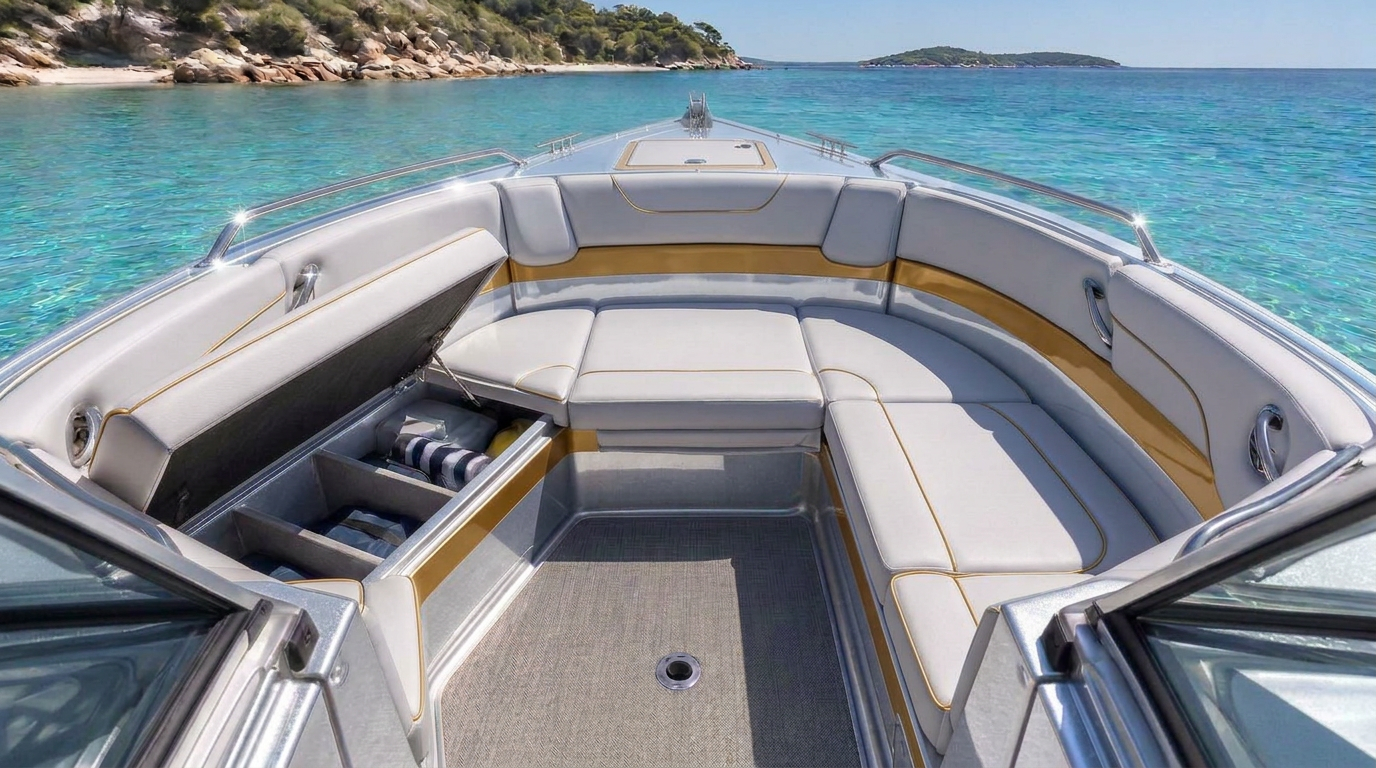
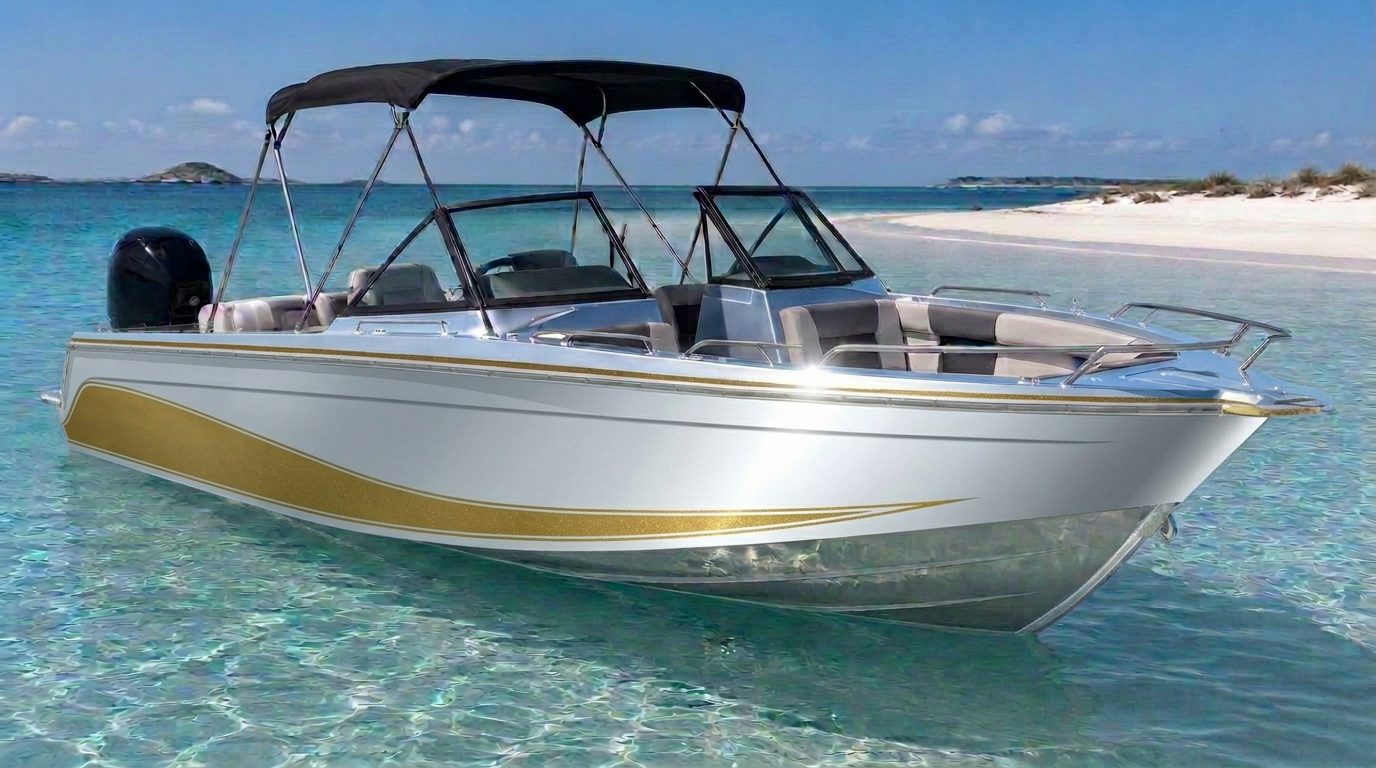
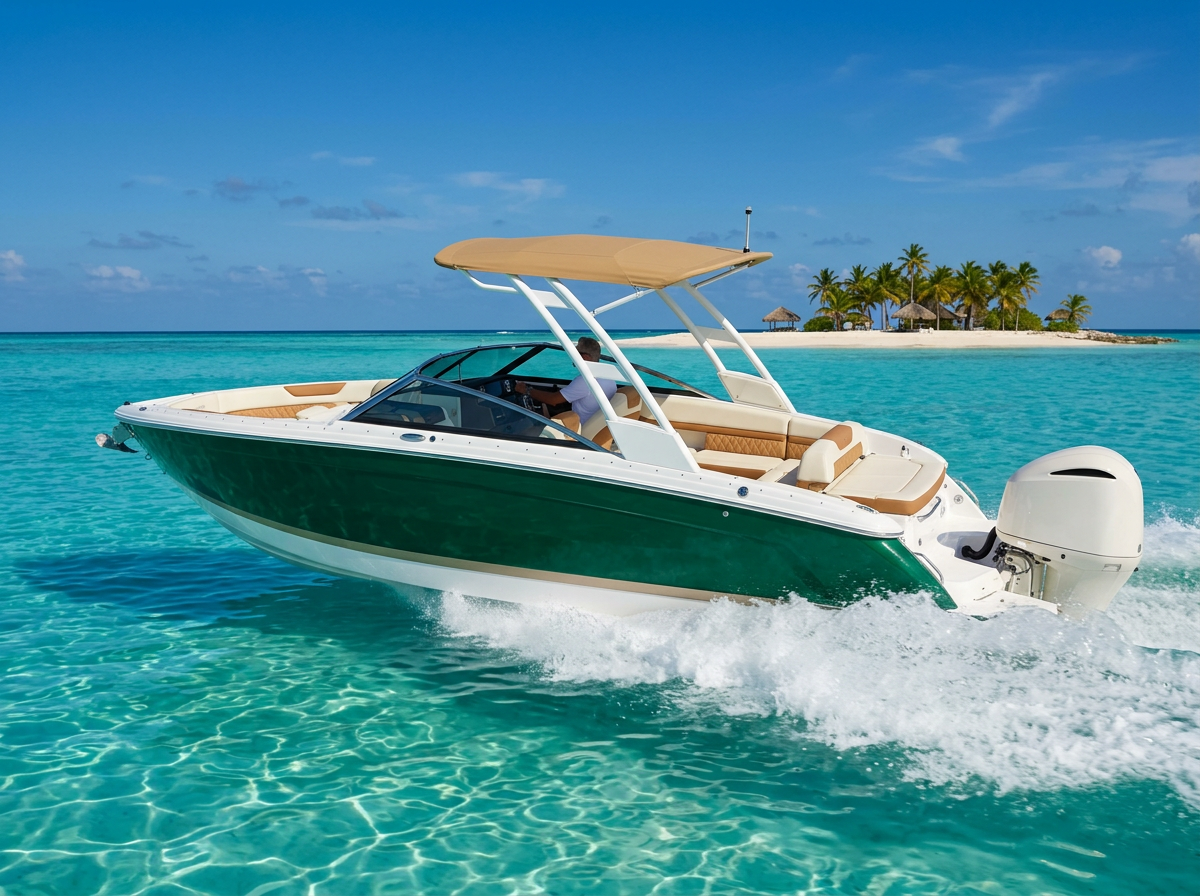
Its size is clear from the dock. The bow extends farther ahead of the windscreen, the topsides carry their volume aft and the longer Two-Tone Metallic Silver and Gold hull has a low, premium stance above the exposed aluminium bottom. The forward lounge is the largest in the Cruiseabout line, giving adults proper legroom and children deep, protected seating. A removable centre cushion creates a broad sun lounge, while divided lockers beneath the seats hold lifejackets, towels, fenders and an esky without filling the walkway.

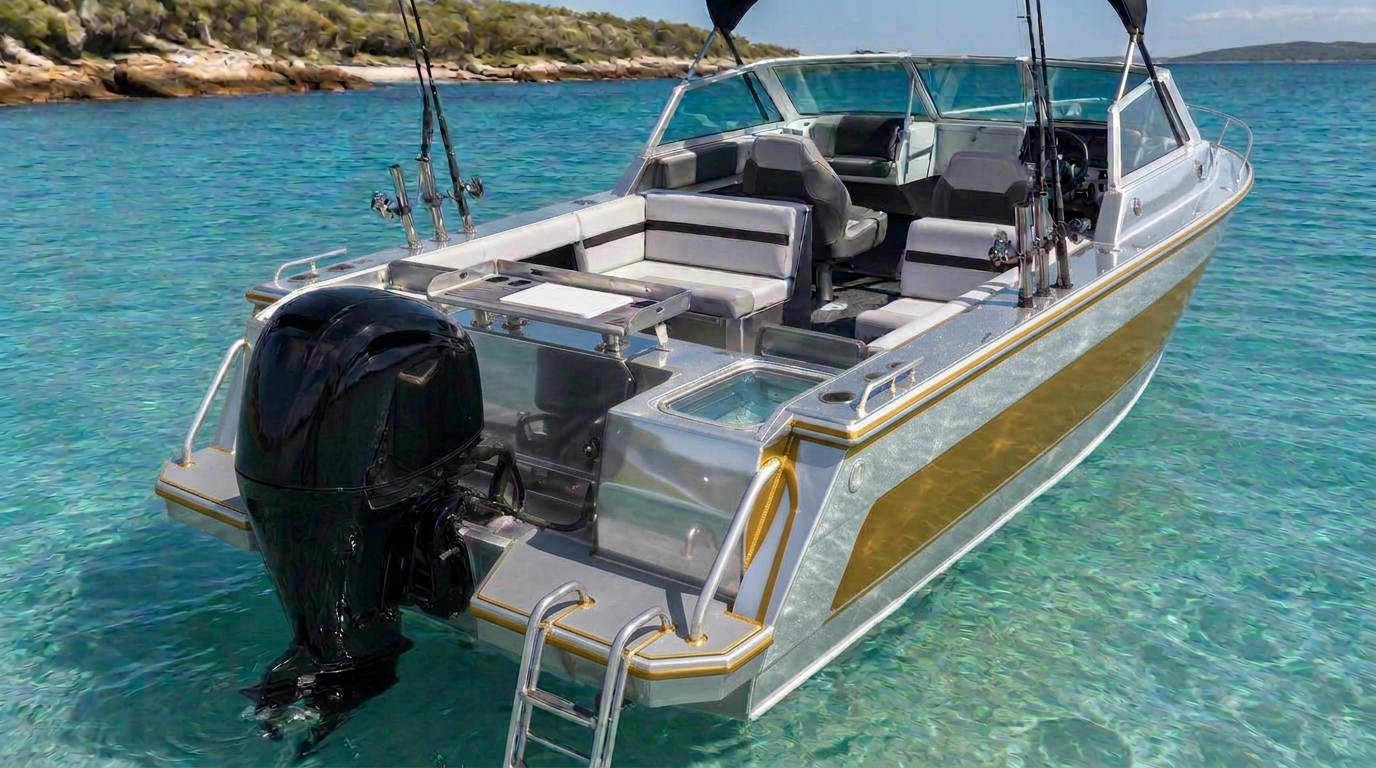
The cockpit builds on the familiar 590 arrangement rather than changing a layout that already works. Twin adjustable bolster seats face the helm and passenger console, but the extra length opens more standing room ahead of the expansive rear lounge. Passengers can move between the bow, helm and stern while somebody prepares fishing tackle or a tow rope. Full-length side pockets carry rods, the drained underfloor locker takes skis and wakeboards, and the removable rear cushions reveal a wide, level working platform.

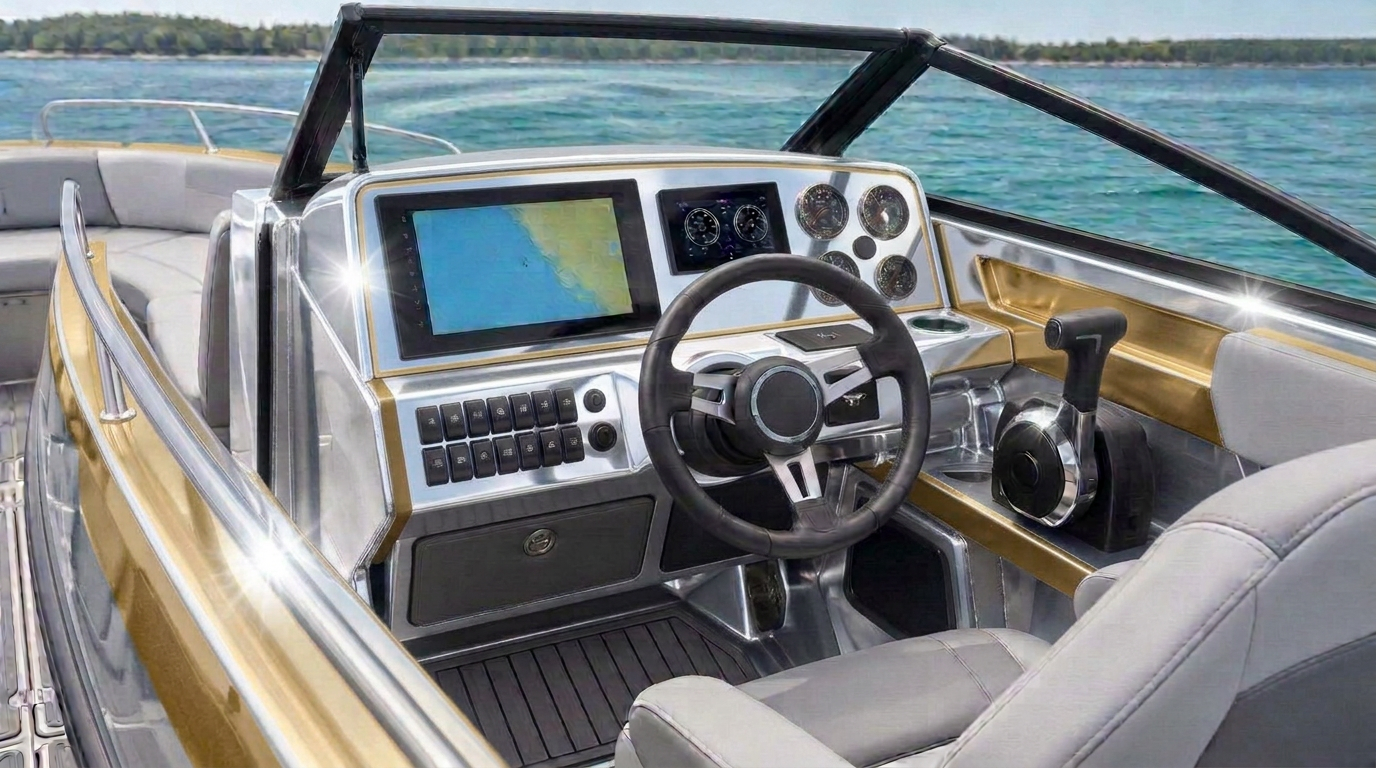
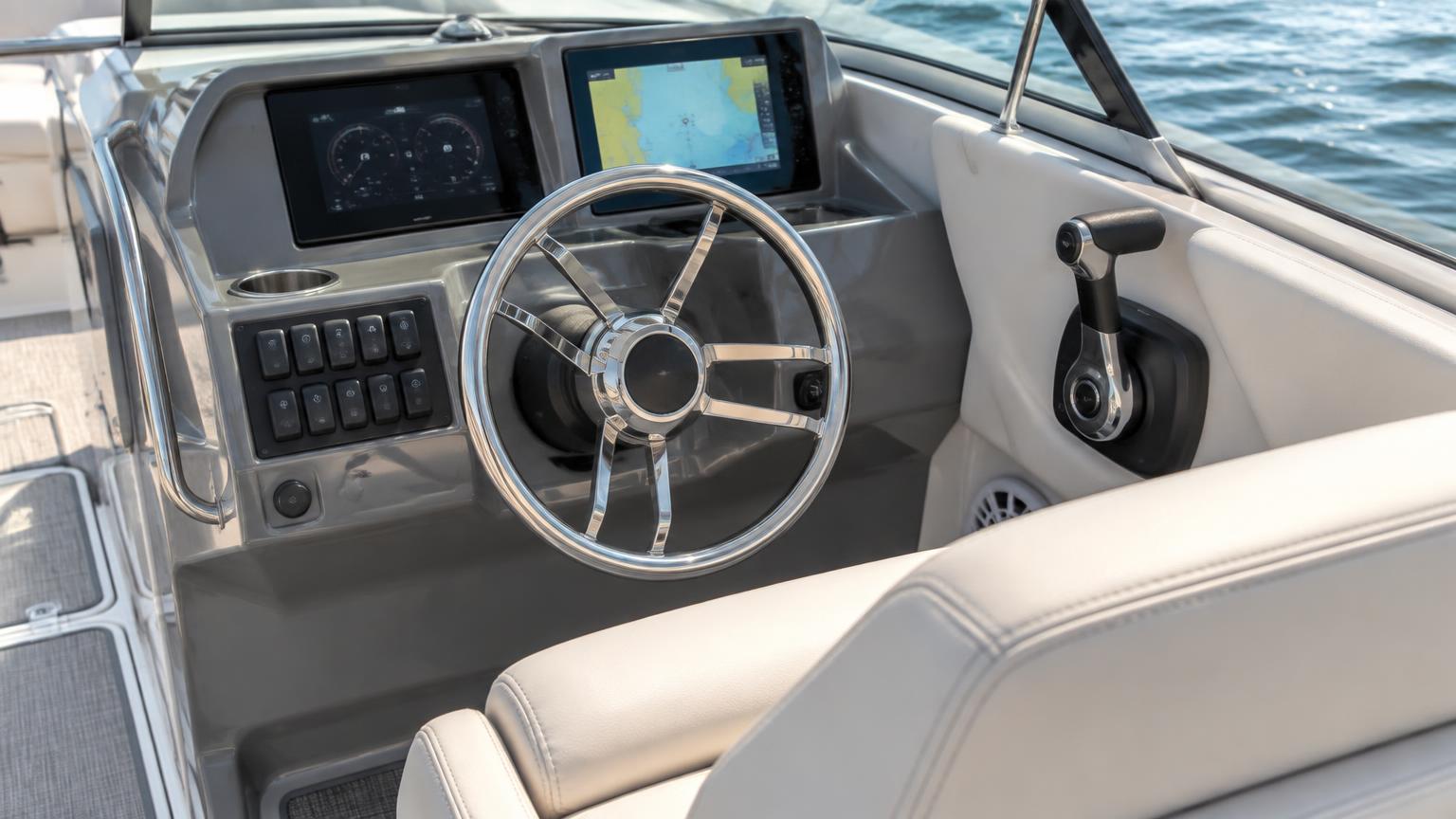
At the helm, the 610 feels like the range flagship. The broad console has space for a large GPS chartplotter or sounder alongside digital engine information, conventional gauges and clearly grouped switches. A premium captain's chair with a raised bolster provides a clear view through or over the tall split windscreen, and the side-mounted throttle is easy to reach without leaning. The passenger console adds enclosed storage, a useful glovebox and secure grab handles for rougher crossings.

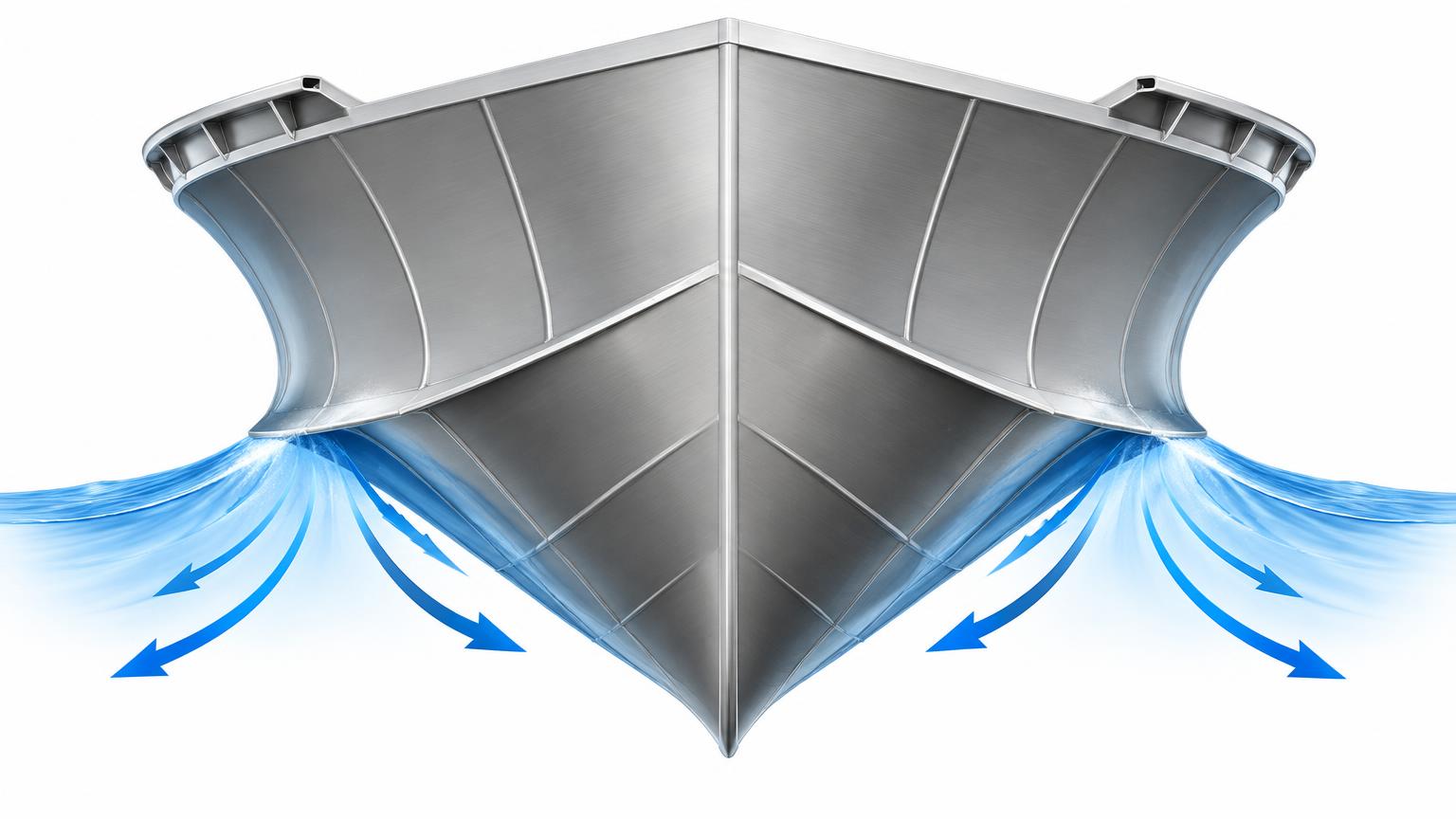
The 610's strongest advantage over the 590 is composure. Its longer waterline bridges short chop more effectively, while the extra hull mass resists abrupt pitch and passenger-induced movement. Quintrex's roll-formed aluminium construction shapes concave and convex panels into a fine forward entry, variable deadrise, broad Carolina-style flare and pronounced reverse chines. The bow slices approaching water instead of belly-flopping onto it, spray is directed sideways and down, and aerated water along the running surface helps cushion the hull as it lands.

A 150 hp four-stroke is the practical starting point for everyday family cruising, providing economical mid-range running and enough torque for lighter tow sports. The 175 hp maximum is the better match when eight people, full fuel, a loaded esky and watersports gear are regularly aboard. It delivers a stronger hole-shot, keeps the larger hull on plane at a more relaxed throttle setting and leaves useful reserve for wind, current or a heavier skier. The approximately 140-litre underfloor tank provides the longest range in the Cruiseabout line.

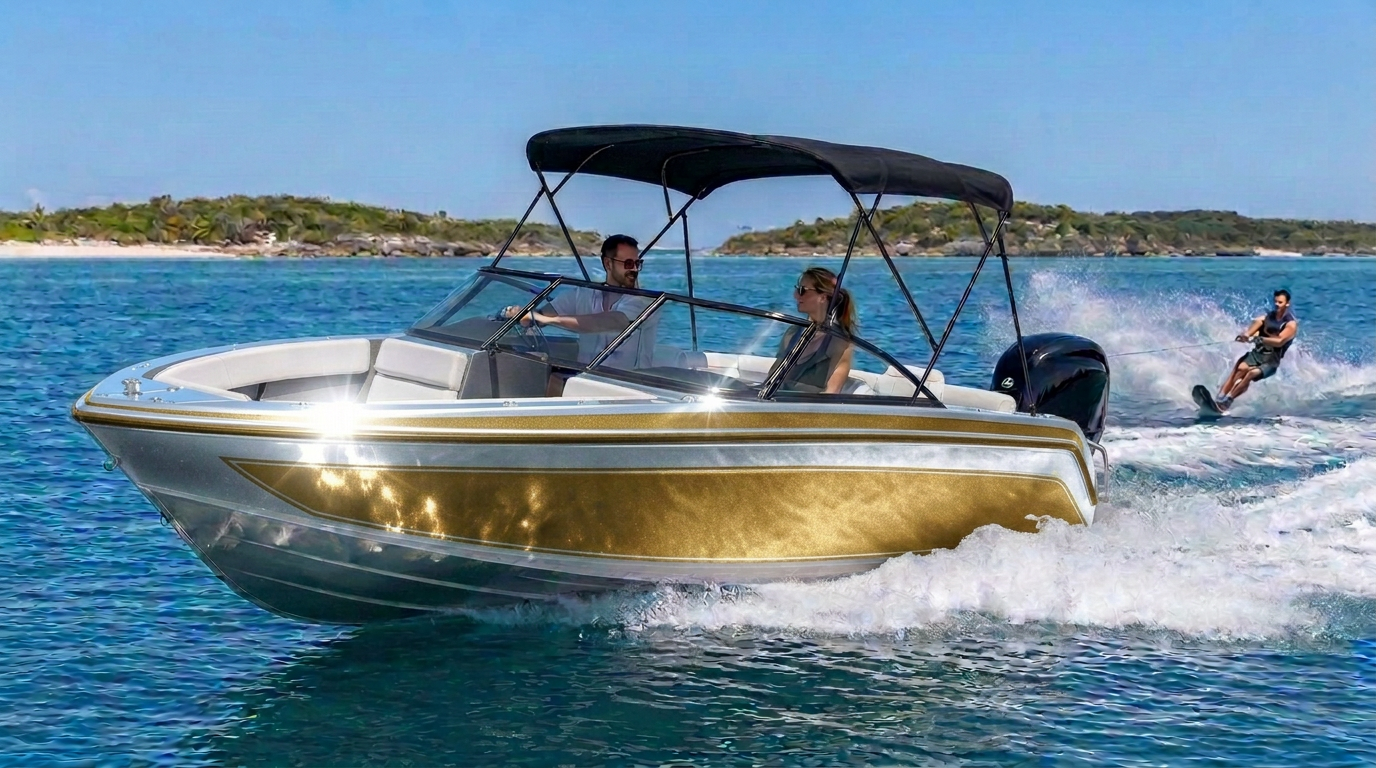
For family days, the flagship dimensions remove the compromises that appear when a smaller boat is fully loaded. Bags remain in lockers, swimmers can reach the stern ladder without stepping over loose equipment, and the central cockpit stays usable while the bow and rear lounge are occupied. The large four-pole bimini shades the main seating area, optional clears extend the season, and the higher sides, plentiful handholds and broad floor make it easier to supervise younger passengers underway.

The fishing conversion is equally convincing. Removing the rear cushions opens a substantial casting platform beside the live bait tank, fishing board and rod holders, while the extended cockpit keeps tackle clear of the helm. A bow-mount electric motor can turn the forward deck into a second casting station. The unpainted alloy bottom tolerates beaches, rocky banks and busy ramps better than gelcoat, although the metallic topsides still deserve careful fendering, regular freshwater rinsing and protection from dissimilar-metal corrosion.

Owning the largest Cruiseabout requires proper planning ashore. With a 175 hp outboard, batteries, full fuel and a braked tandem trailer, the complete rig needs a capable tow vehicle rather than a small SUV. Buyers should verify the plated aggregate trailer mass, tow-ball load, vehicle limits and local braking rules using the actual fitted package. Measure overall storage length from coupling to raised outboard, check garage height with the windscreen and folded bimini, and allow additional manoeuvring room for the tandem trailer.

A used 610 deserves a methodical inspection. Follow the chines, keel and transom welds for cracks or previous repair, examine painted areas around stainless fittings for bubbling or powdery corrosion, test every hatch and inspect the bilge for trapped water. Operate the live bait system, navigation electronics, bimini and clears, then verify the outboard's service and diagnostic history. Trailer brakes, wheel bearings, springs, tyres and internal drawbar corrosion are critical at this weight. The 610 costs more to tow, store and run than the 590, but it delivers the range's largest social layout, strongest watersports performance and most settled family ride.
Quintrex hulls are roll-formed rather than simply pressed, so the side sheets can be curved into concave and convex shapes instead of folded flat. That single manufacturing difference is what allows a fine, sharp entry at the stem, a deep variable deadrise carried well aft, and a bow that flares outward Carolina-style to throw spray sideways and down instead of back into the cockpit.
The Millennium hull introduced the softer, finer entry; the Blade hull sharpened it further with a deeper forefoot that slices chop rather than slapping it; and the APEX hull refined the topsides and chine geometry again for more lift and less spray. Pronounced reverse chines push a cushion of water outboard, which adds lift underway and makes the boat feel notably steadier at rest when everyone stands on one side. The aerated, foamy water the hull drags along its running surface acts as a cushion, taking much of the sting out of landings — the difference between slicing through a wave and belly-flopping onto it.


The world's best selling bowrider size, Light, simple and easy to tow.
US$38,000 - US$52,000 new

The refined mainstream benchmark: quiet, dry, and beautifully finished for the money.
US$72,000 - US$95,000 new

A premium 25-foot bowrider renowned for its deep seating, convertible lounges, refined ride and exceptional finish.
US$155,000 - US$210,000 new
Featured Boat of the Week

This week we are putting the Bayliner Bayliner DX2000 in the spotlight, and it earns the spot. At 20 ft 2 in (6.16 m) long on a 8 ft (2.44 m) beam, this is a bowrider that reads the water well and still feels roomy enough for a full day out. A 20-foot deck-boat-width bowrider with outboard power and a huge social cockpit. Power comes from 115-150 hp mercury fourstroke outboard through a outboard package, and the fibreglass hull keeps the ride settled when the afternoon breeze puts a chop on the surface.
Seating is rated for 8 people, so there is space for family, friends, towels, eskies and the tow rope without anyone climbing over gear. Owners tend to buy it for family, water ski, leisure — which is exactly where it shines. Fuel is 30 us gal (114 l), and on the second-hand and new market you should expect to land somewhere around US$42,000 - US$58,000 new depending on hours, trailer and options.
Our full deep dive covers the layout in detail: bow lounge comfort, helm ergonomics, the rear entertaining area, storage that actually swallows a weekend, plus standard features, popular options and honest notes on where the boat compromises. If the Bayliner DX2000 is on your shortlist, start there — and check back next week, because the featured boat changes every week as we complete more full model reviews.
Featured Bowrider Article
On the Water

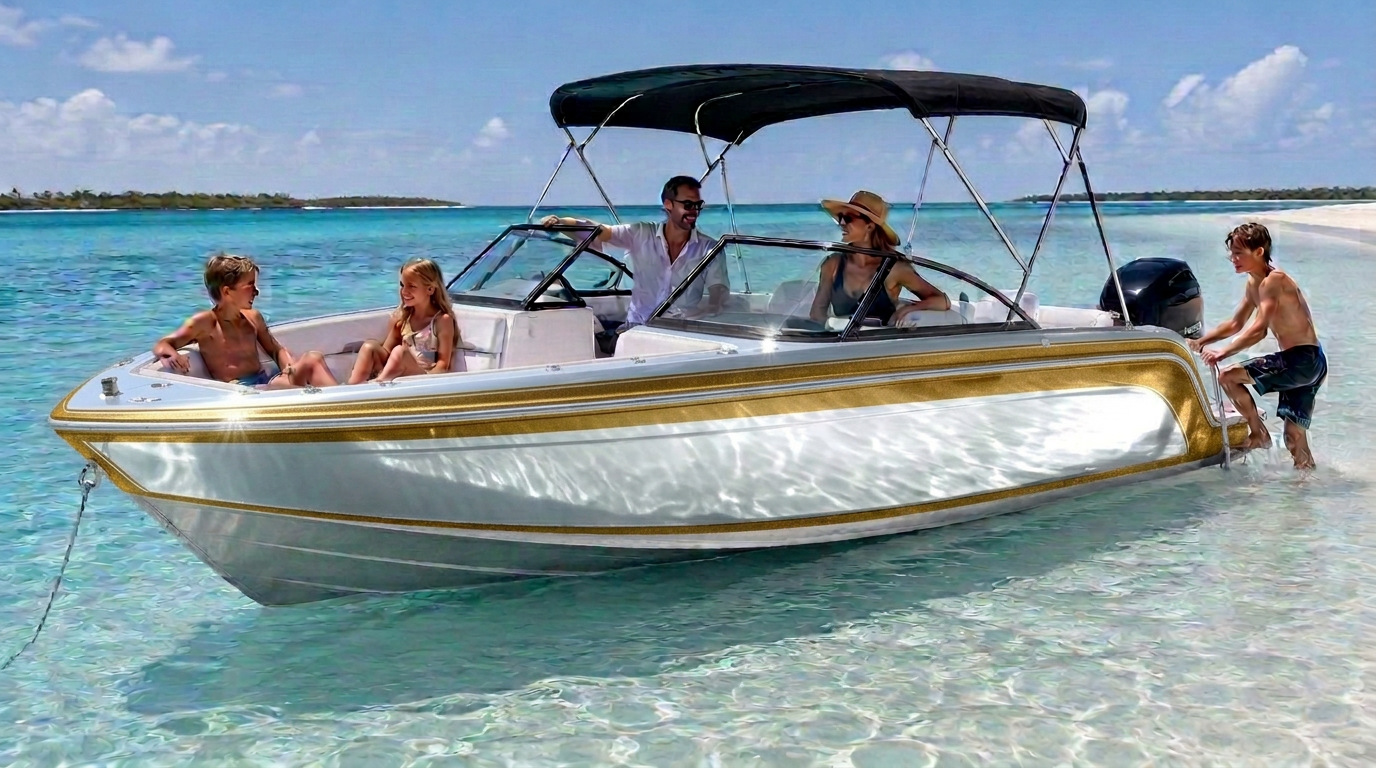
Towsports ask more of a hull than any other use. A boat that is perfect for slalom skiing is wrong for wakeboarding, and a wake-surf boat is useless for a beginner skier. Understanding what you tow, and at what speed, tells you exactly which bowrider to buy. Slalom water skiing wants a small, hard, flat wake at 48-58 km/h (30-36 mph). That comes from a lighter boat, a direct-drive or sterndrive layout with the engine positioned to keep the stern from squatting, and a hull that runs level. Wakeboarding wants the opposite: a bigger, cleaner, ramp-shaped wake at 30-38 km/h (19-24 mph), which means weight in the stern, ballast and a tower to lift the rope. Wake surfing goes further still, demanding an inboard V-drive, heavy asymmetric ballast and surf-gate technology to shape a rideable wave — something almost no conventional bowrider can produce safely with an outboard or sterndrive leg. For an all-round family towsports bowrider, a moderate-deadrise fibreglass hull of 5.5-6.7 m with a sterndrive is hard to beat. The inboard engine mass keeps the boat planted, the drive leg is protected, and the hull holds a plane cleanly at ski speeds. Outboard bowriders tow perfectly well and are simpler to own, but…
Read the full article