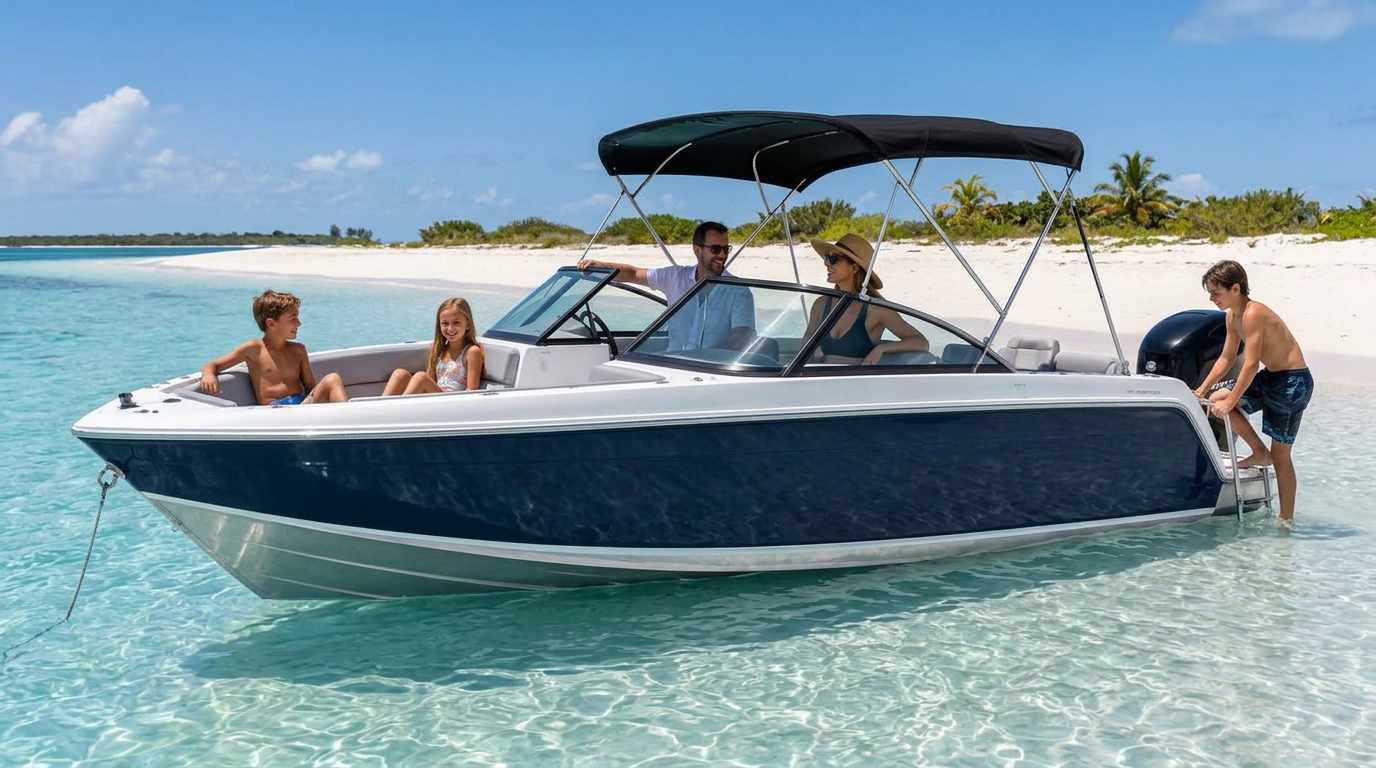
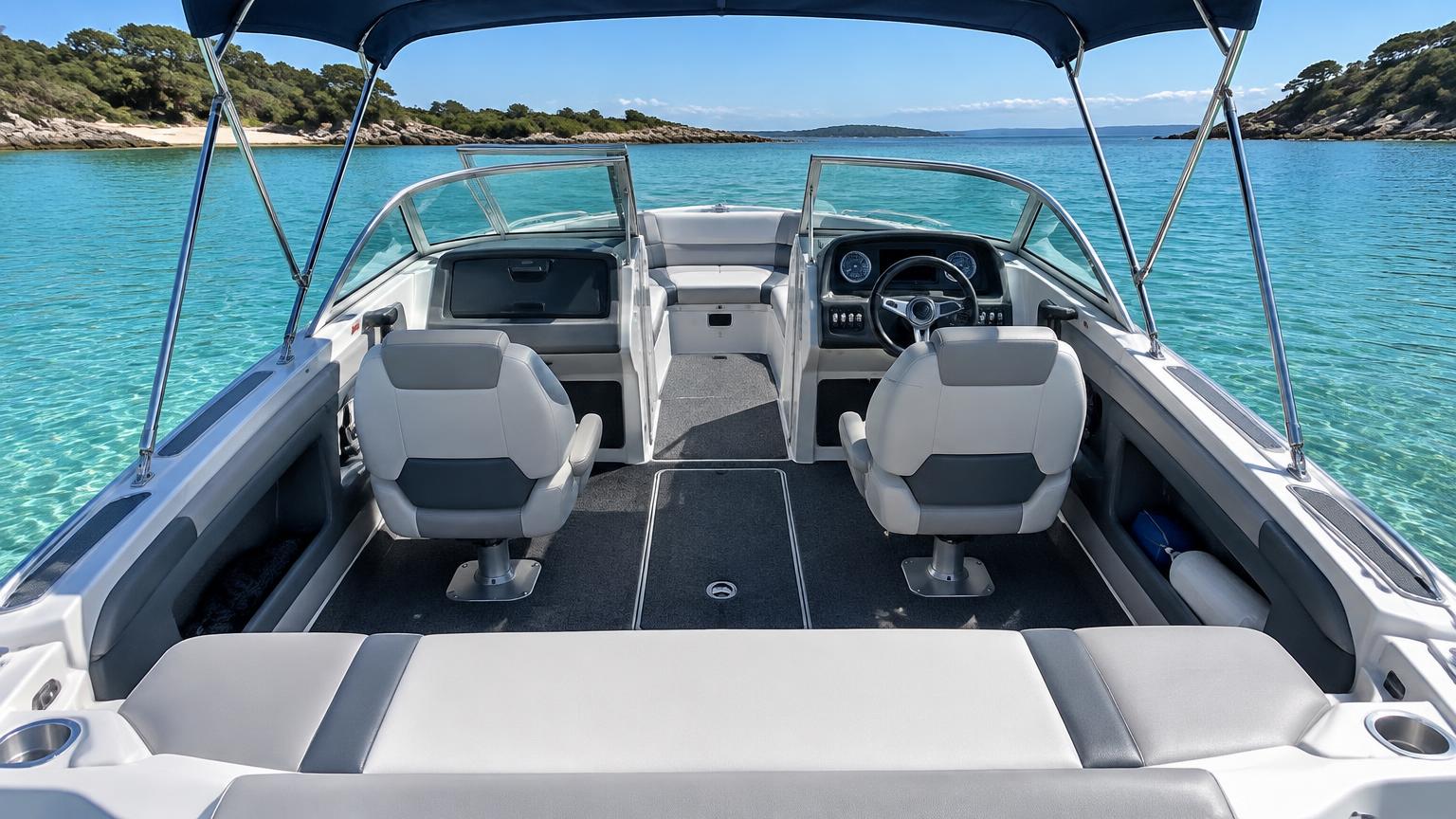
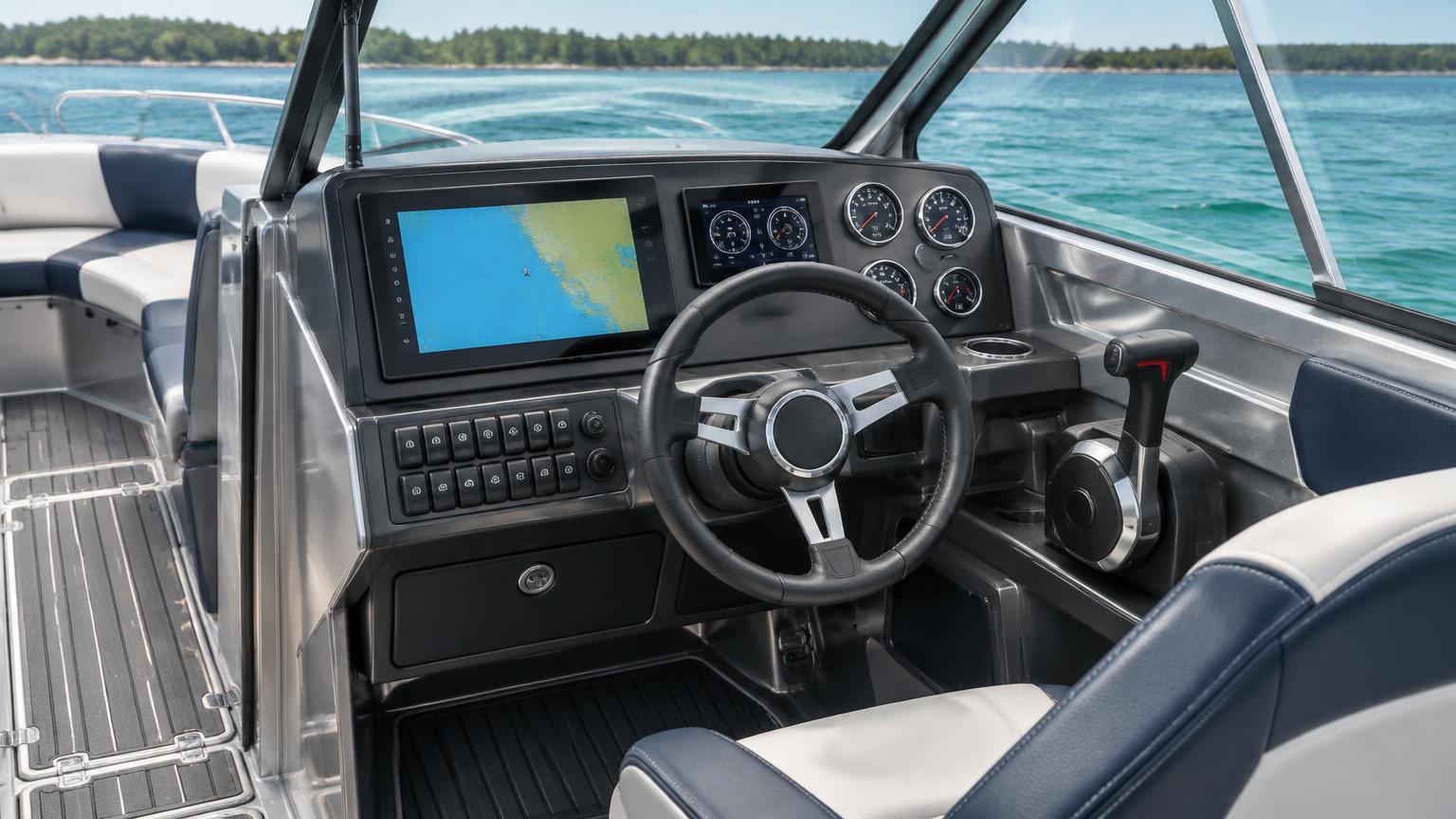
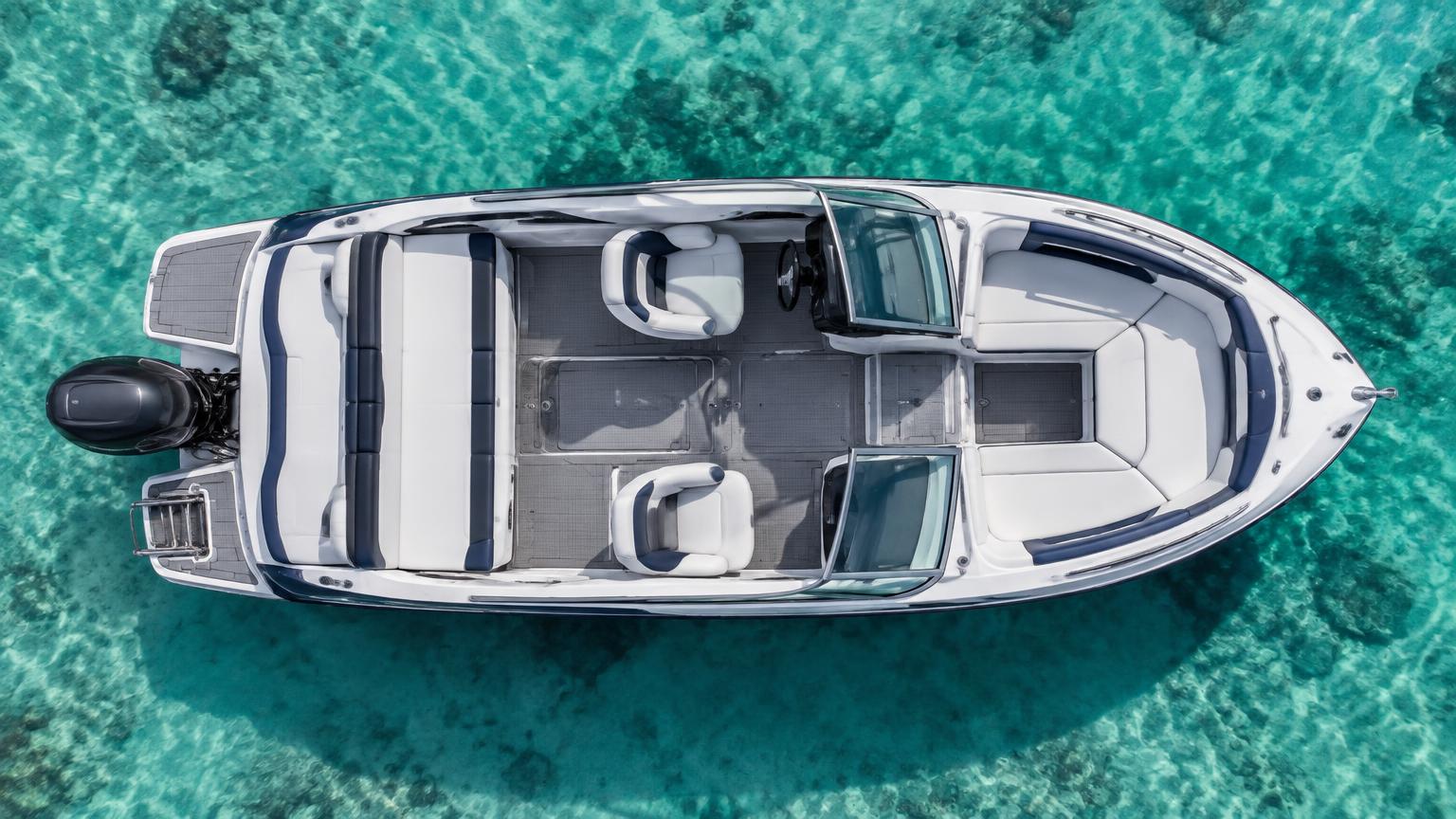
Bayliner VR5
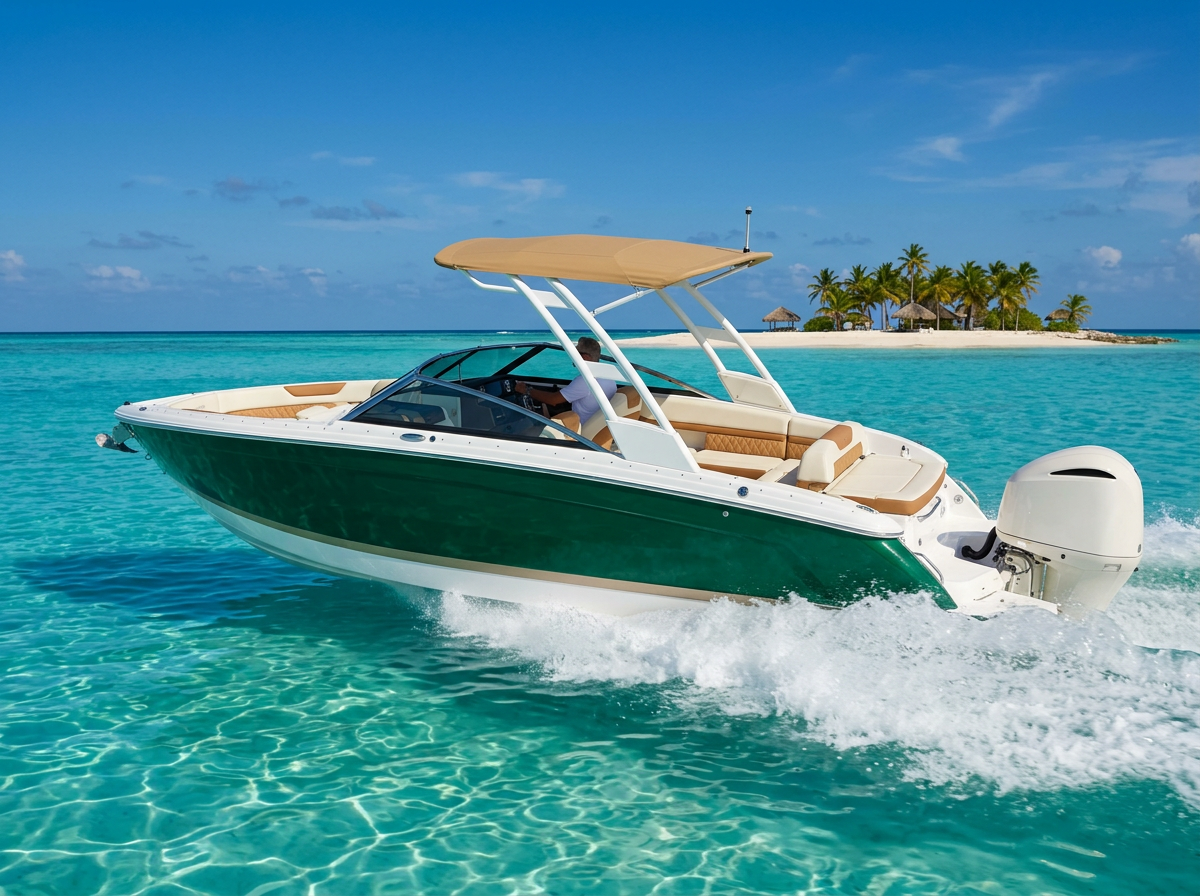
The world's best selling bowrider size, Light, simple and easy to tow.
- Length
- 19 ft 9 in (6.02 m)
- Drive
- Outboard
- Seats
- 8 people / 1,150 lb
US$38,000 - US$52,000 new
Site Menu — Find Your Page
Bowrider Boats Mega Website

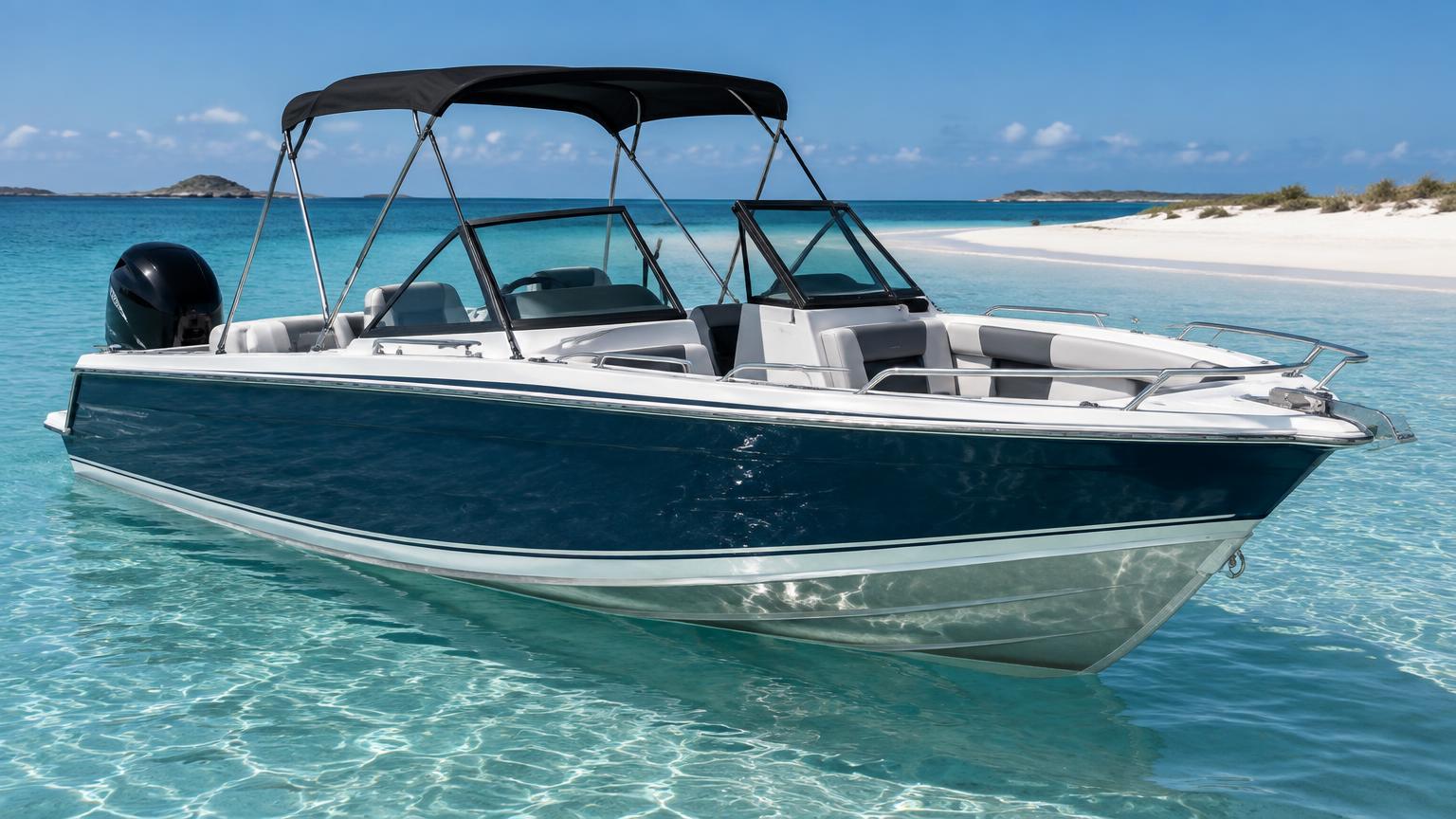
The Quintrex 540 Cruiseabout is the next meaningful step above the 520: not simply another 20 centimetres of aluminium, but a more substantial family bowrider that carries its crew, fuel and holiday gear with greater composure. At 5.4 m (17 ft 9 in) on a broad 2.3 m (7 ft 7 in) beam, it retains the easy ramp manners and manageable towing weight that make an alloy boat attractive while adding the freeboard, cockpit length and waterline needed for bigger bays and longer days away from the ramp.

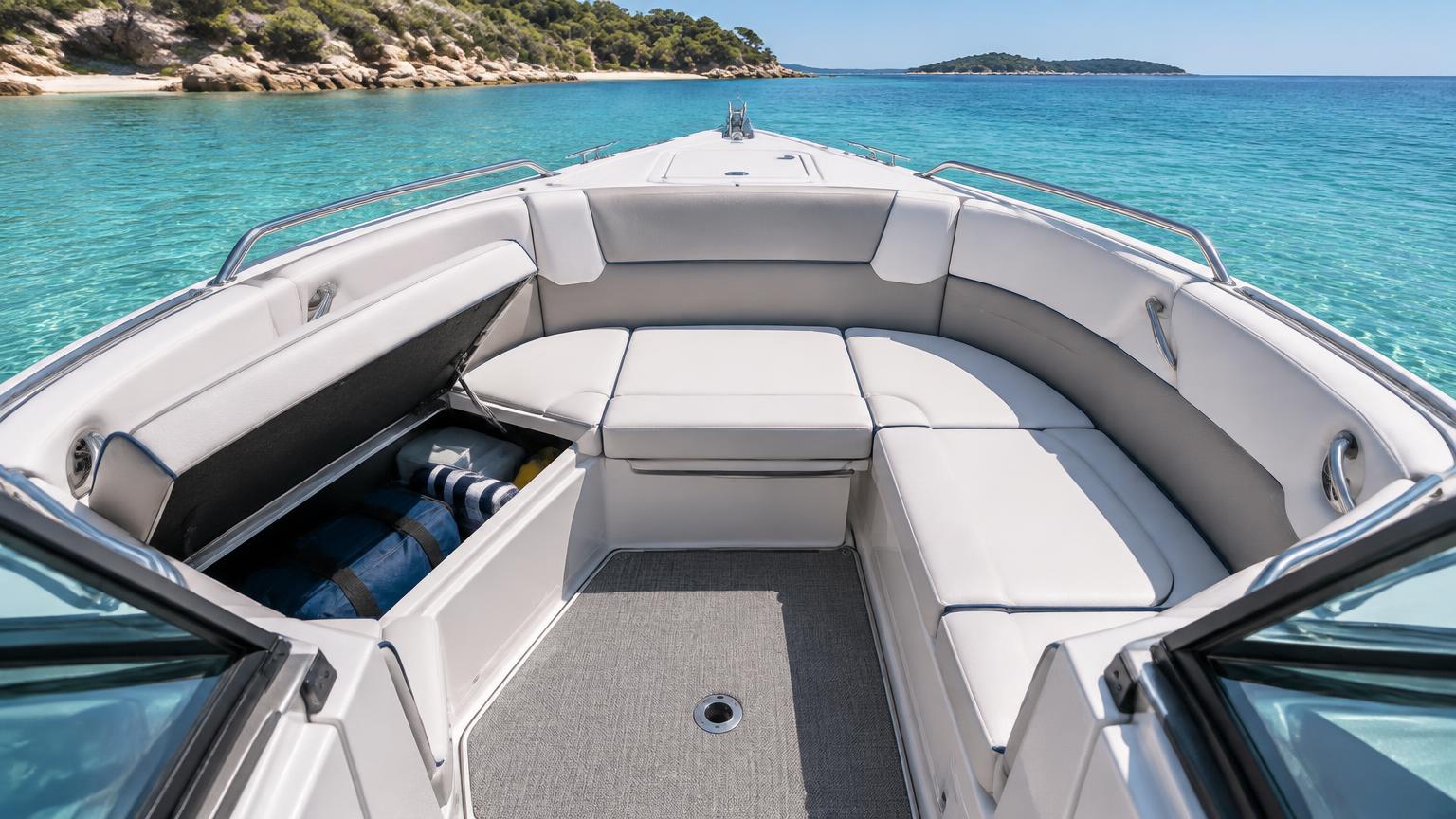
From the dock the change is obvious. The foredeck reaches farther ahead of the windscreen, the bow shoulders are fuller and the topsides stand higher than the 520, giving the 540 a more purposeful profile and helping keep children and gear securely inside. The forward lounge has deeper backrests and enough width for three younger passengers or two adults to sit without crowding. A centre filler creates a generous sun lounge, while separate under-seat lockers keep towels, lifejackets and fenders out of the cockpit.

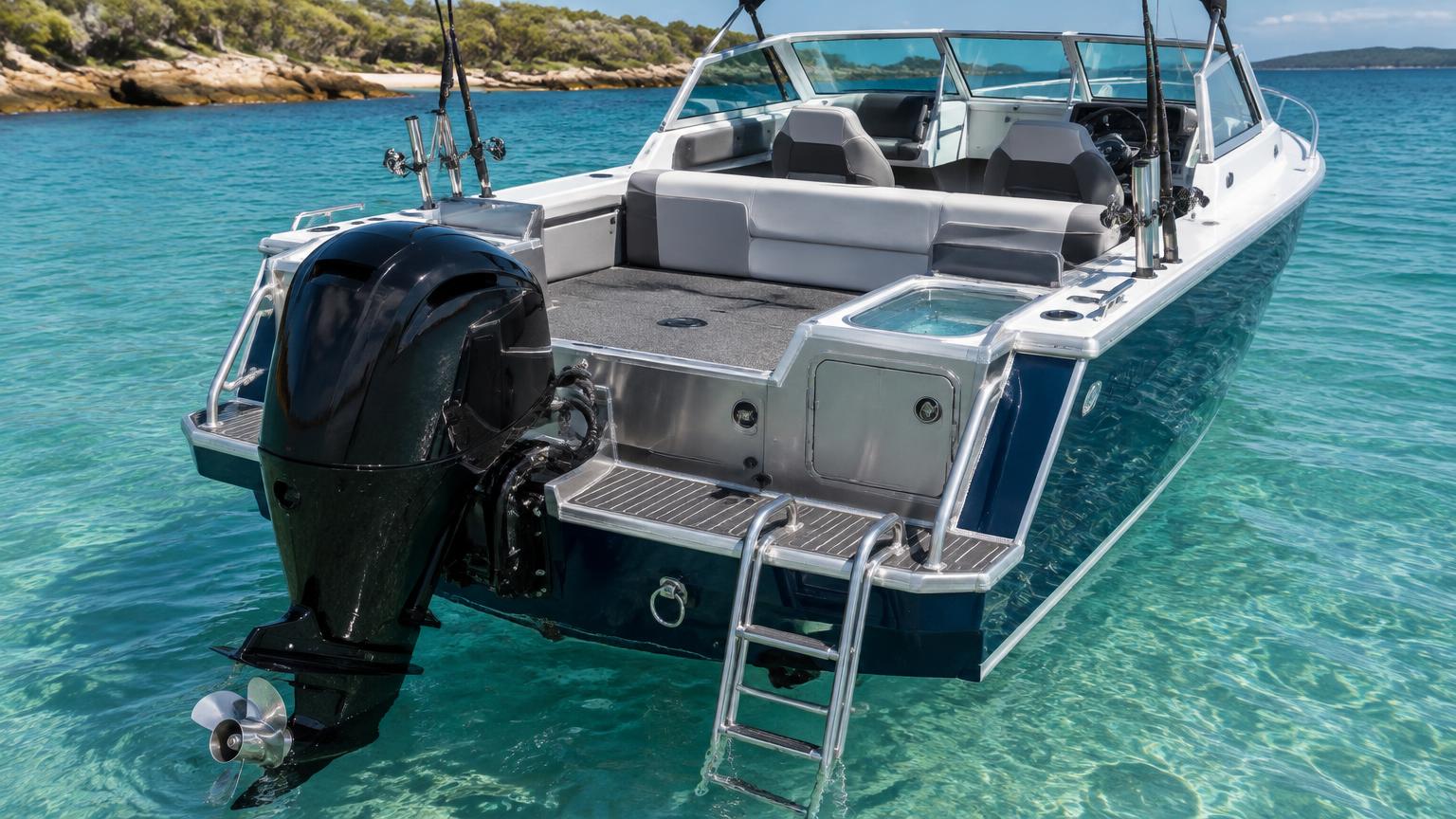
Behind the split walk-through windscreen, the extra hull length becomes useful working space. Twin adjustable bolster seats leave a clear passage between the helm and passenger console, and the cockpit remains comfortable when several people stand to prepare a tow rope or fishing tackle. Long side pockets accept rods and paddles, the drained underfloor locker handles skis and inflatable toys, and the wide rear lounge can be removed or rearranged to expose a level casting platform. It feels like a family boat first, yet it can change into a practical estuary fishing layout without carrying loose seats around the deck.

The helm is sized for more serious days on the water. There is room for a large multifunction chartplotter beside digital engine information, clear switches and a proper sports wheel, rather than forcing navigation electronics into a small aftermarket bracket. The driving position gives a good view through the tall windscreen when seated and a clear line over it with the bolster raised. A passenger glovebox, drink holders and grab rails make the companion side equally useful when the water becomes busy.

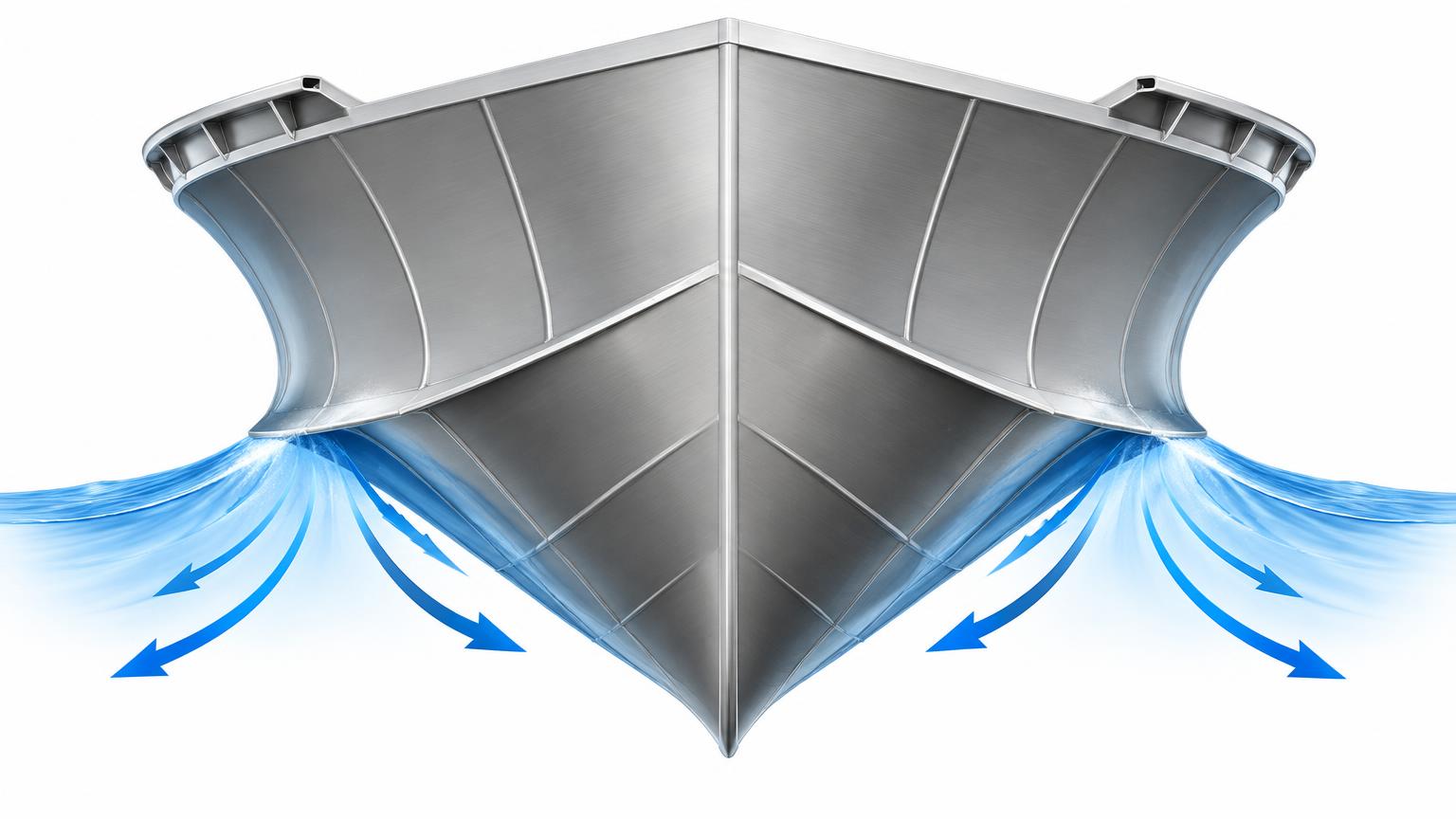
Ride quality is the strongest argument for choosing the 540 over the 520. Its longer waterline bridges short wind chop more effectively and the additional hull mass settles the boat between crests instead of reacting to every ripple. Quintrex's roll-formed construction allows curved concave and convex panels, a fine entry, variable deadrise and a flared bow that directs spray sideways and down. Pronounced reverse chines create lift as speed builds and add reassuring stability when several people move to one side at rest. It remains lighter and livelier than an equivalent fibreglass bowrider, but it no longer delivers the flat tinnie slap associated with older pressed-alloy hulls.

A 115 hp four-stroke remains the balanced everyday choice, providing a strong hole-shot, an economical low-to-mid-20-knot cruise and enough reserve for a skier or loaded family. Owners who regularly carry six adults, cross exposed water or tow heavier riders will appreciate the 130 hp maximum, which holds the boat on plane at lower throttle and responds more decisively when the crew shifts aft. The 100-litre underfloor tank gives useful all-day range, while outboard power keeps servicing simple and leaves the cockpit free of an engine box.

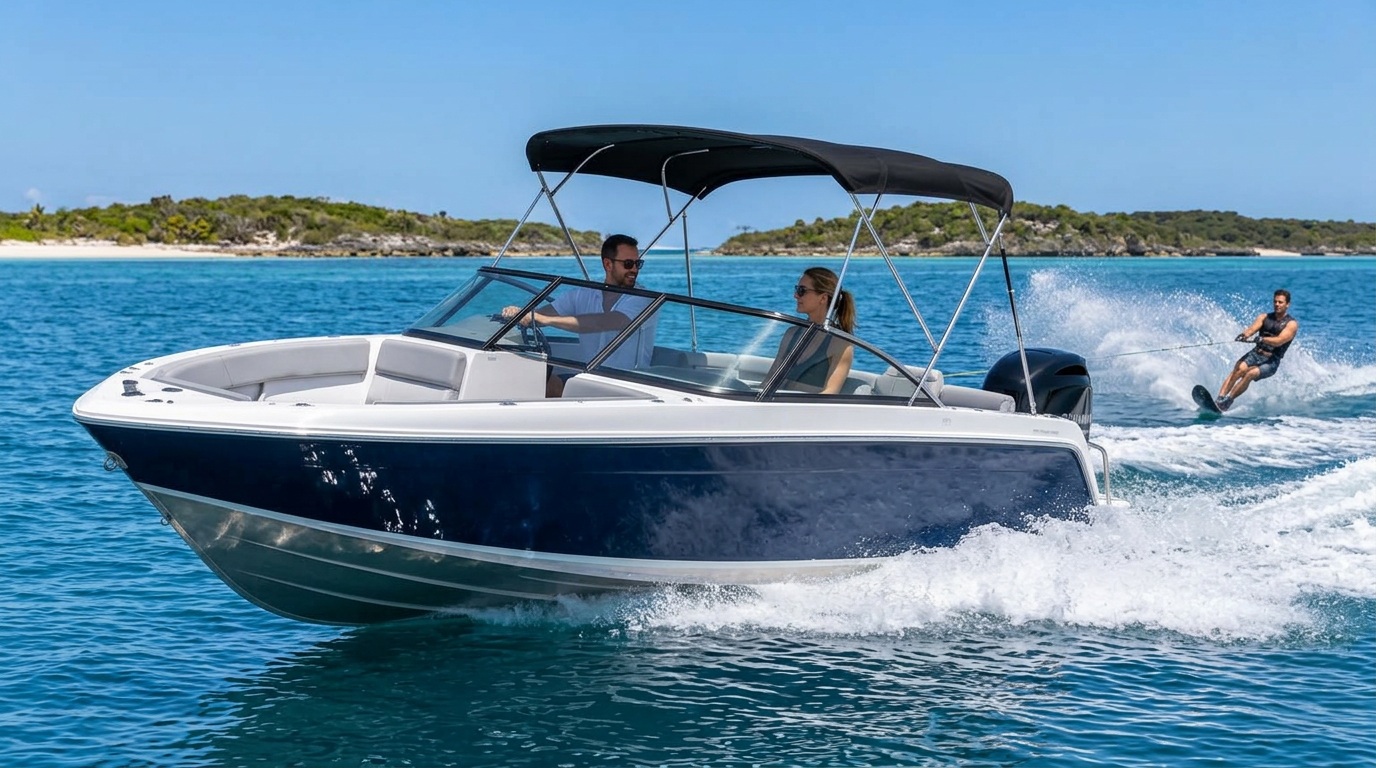
For family boating, the 540 supports a genuine full-day routine: breakfast under the bimini, swimming from the stern ladder, a tow-sports session, lunch at a sandbar and an afternoon fish with the lounge cushions removed. The higher sides and larger cockpit make that mixed use less congested than in the 520. It is still narrow enough for normal trailering and light enough for many mid-size SUVs or dual-cab utilities, although buyers should confirm the complete rig weight, tow rating and local brake requirements rather than relying only on bare hull figures.

Used examples deserve a systematic inspection. Follow every chine and transom weld for hairline cracking or previous repairs, look for paint blistering and powdery corrosion around dissimilar-metal fittings, test the floor and transom for movement, and inspect the bilge for water that has been trapped under the deck. Check the bimini and clears for UV damage, operate the live bait tank and electronics, and review the outboard's service history. The trailer carries more weight than a 481 or 520, so brakes, wheel bearings, springs and the inside of the drawbar can decide whether an apparently inexpensive package is actually good value.

Compared with the 520, the 540 asks for a little more storage space, fuel and towing capacity, but rewards that commitment with a drier, more settled ride, a genuinely roomier cockpit and stronger offshore confidence. Compared with a similar fibreglass bowrider it gives away some weight-driven softness and luxury finish, yet remains easier to tow, less stressful around ramps and beaches, simpler to repair and naturally suited to fishing. For families who have outgrown the compact Cruiseabouts without wanting a large tandem-trailer boat, the 540 is the range's confident middle ground.

Quintrex hulls are roll-formed rather than simply pressed, so the side sheets can be curved into concave and convex shapes instead of folded flat. That single manufacturing difference is what allows a fine, sharp entry at the stem, a deep variable deadrise carried well aft, and a bow that flares outward Carolina-style to throw spray sideways and down instead of back into the cockpit.
The Millennium hull introduced the softer, finer entry; the Blade hull sharpened it further with a deeper forefoot that slices chop rather than slapping it; and the APEX hull refined the topsides and chine geometry again for more lift and less spray. Pronounced reverse chines push a cushion of water outboard, which adds lift underway and makes the boat feel notably steadier at rest when everyone stands on one side. The aerated, foamy water the hull drags along its running surface acts as a cushion, taking much of the sting out of landings — the difference between slicing through a wave and belly-flopping onto it.


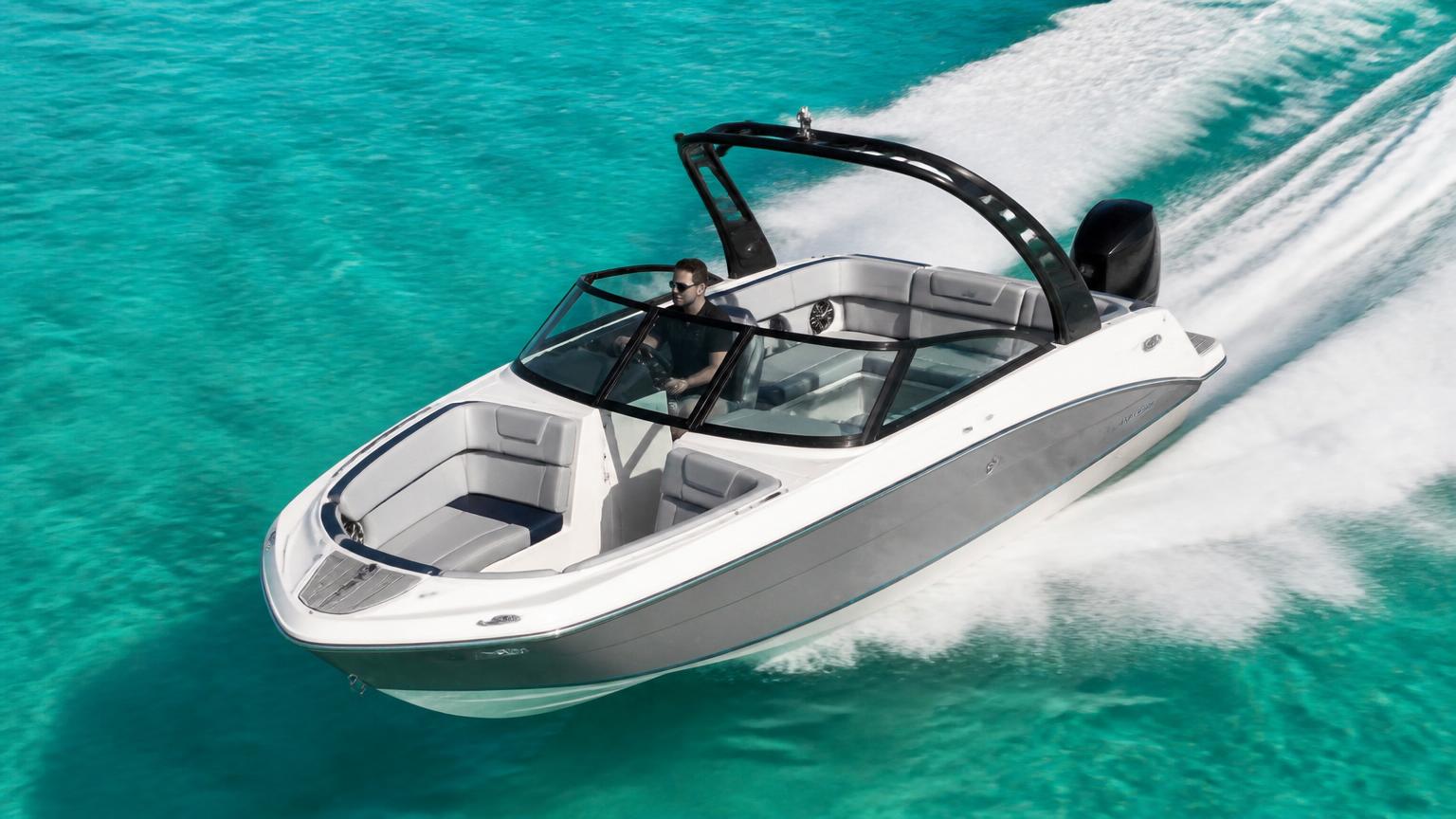
The world's best selling bowrider size, Light, simple and easy to tow.
US$38,000 - US$52,000 new

The refined mainstream benchmark: quiet, dry, and beautifully finished for the money.
US$72,000 - US$95,000 new

A premium 25-foot bowrider renowned for its deep seating, convertible lounges, refined ride and exceptional finish.
US$155,000 - US$210,000 new
Featured Boat of the Week

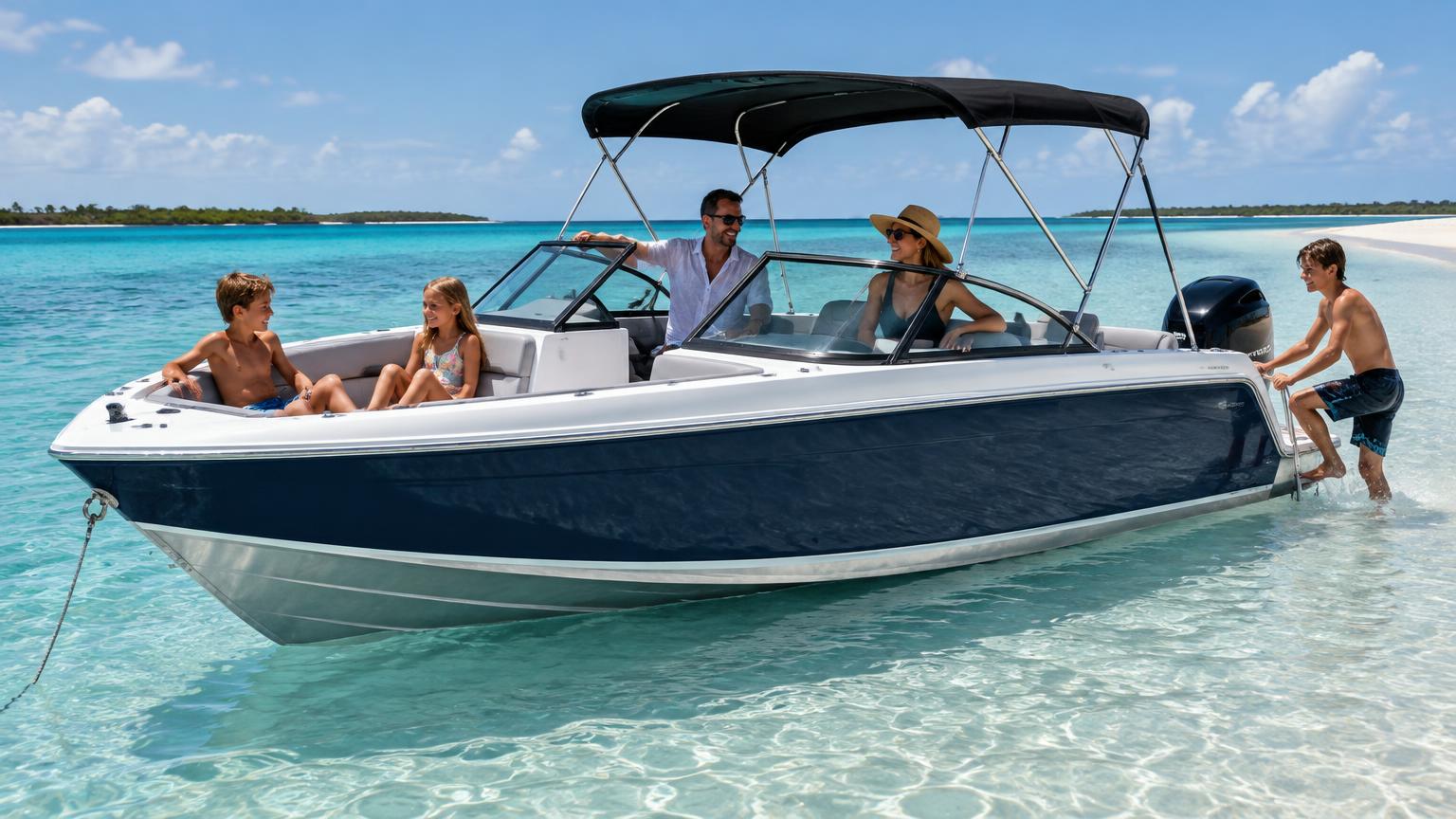
This week we are putting the Bayliner Bayliner DX2000 in the spotlight, and it earns the spot. At 20 ft 2 in (6.16 m) long on a 8 ft (2.44 m) beam, this is a bowrider that reads the water well and still feels roomy enough for a full day out. A 20-foot deck-boat-width bowrider with outboard power and a huge social cockpit. Power comes from 115-150 hp mercury fourstroke outboard through a outboard package, and the fibreglass hull keeps the ride settled when the afternoon breeze puts a chop on the surface.
Seating is rated for 8 people, so there is space for family, friends, towels, eskies and the tow rope without anyone climbing over gear. Owners tend to buy it for family, water ski, leisure — which is exactly where it shines. Fuel is 30 us gal (114 l), and on the second-hand and new market you should expect to land somewhere around US$42,000 - US$58,000 new depending on hours, trailer and options.
Our full deep dive covers the layout in detail: bow lounge comfort, helm ergonomics, the rear entertaining area, storage that actually swallows a weekend, plus standard features, popular options and honest notes on where the boat compromises. If the Bayliner DX2000 is on your shortlist, start there — and check back next week, because the featured boat changes every week as we complete more full model reviews.
Featured Bowrider Article
On the Water

Bowriders are designed for protected water, but plenty of owners run them along the coast, out to islands and offshore to fish. It can be done safely with the right boat, the right conditions and the right discipline — and it goes badly wrong when any one of those is missing. Size and deadrise come first. A 6.5-8.0 m hull with 19-22 degrees of transom deadrise handles offshore swell far better than a 5 m lake boat with a shallow V. Higher freeboard, a deep cockpit and self-draining decks matter just as much as length. The open bow is the weak point. Boats designed for coastal use offer a full bow cover or tonneau that closes the forward seating, preventing green water entering the boat. A bowrider without one should never be driven into head seas offshore, because a wave over the bow puts water straight into the hull. Twin outboards, a reliable bilge pump, a battery isolator and a proper anchoring setup all add real margin when you are hours from a ramp. Weather discipline is what keeps bowrider owners safe. A benign morning with under ten knots of wind and a low, long-period swell is very different from a fifteen-to-twenty-knot afternoon seabreeze with…
Read the full article