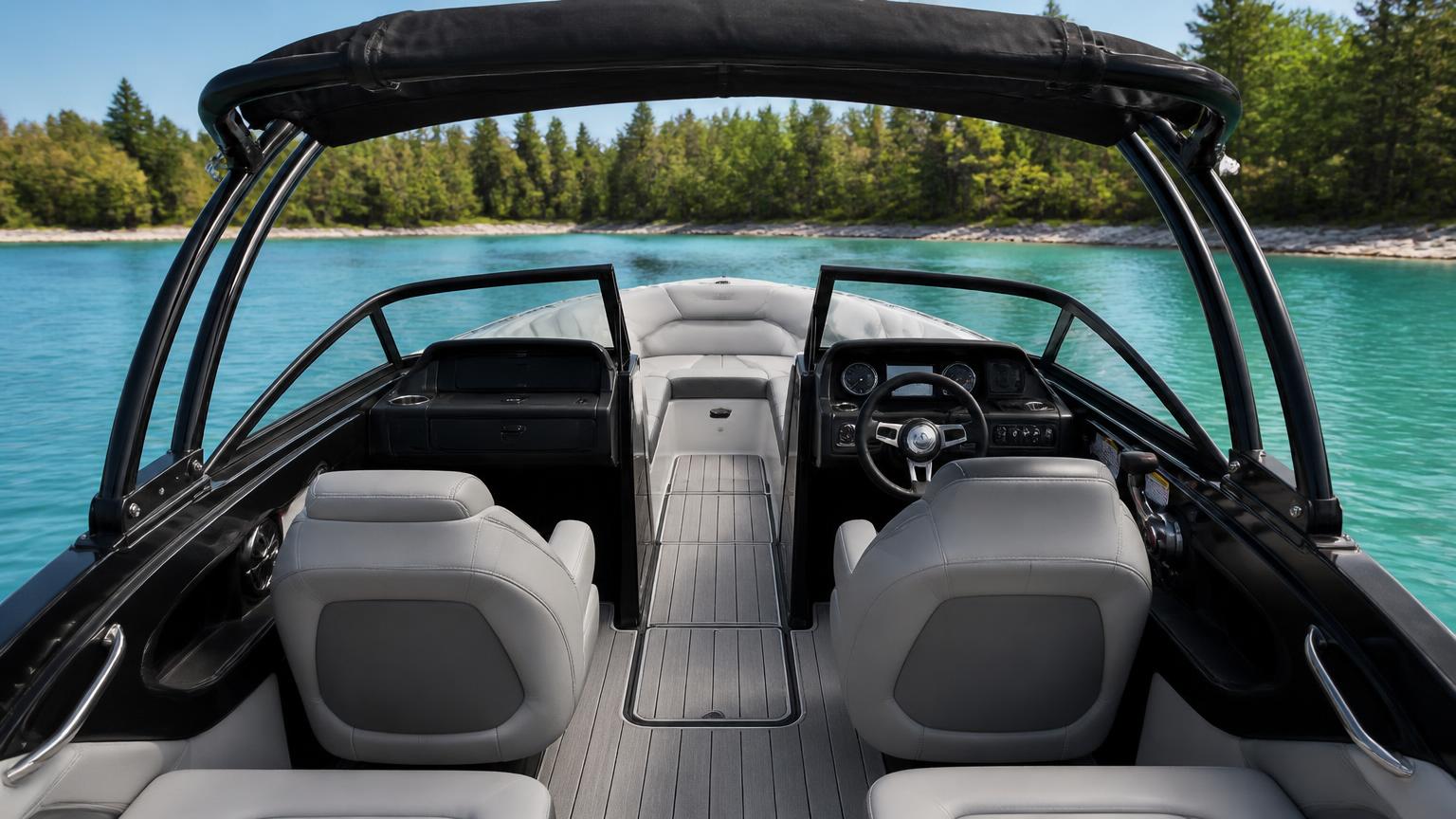
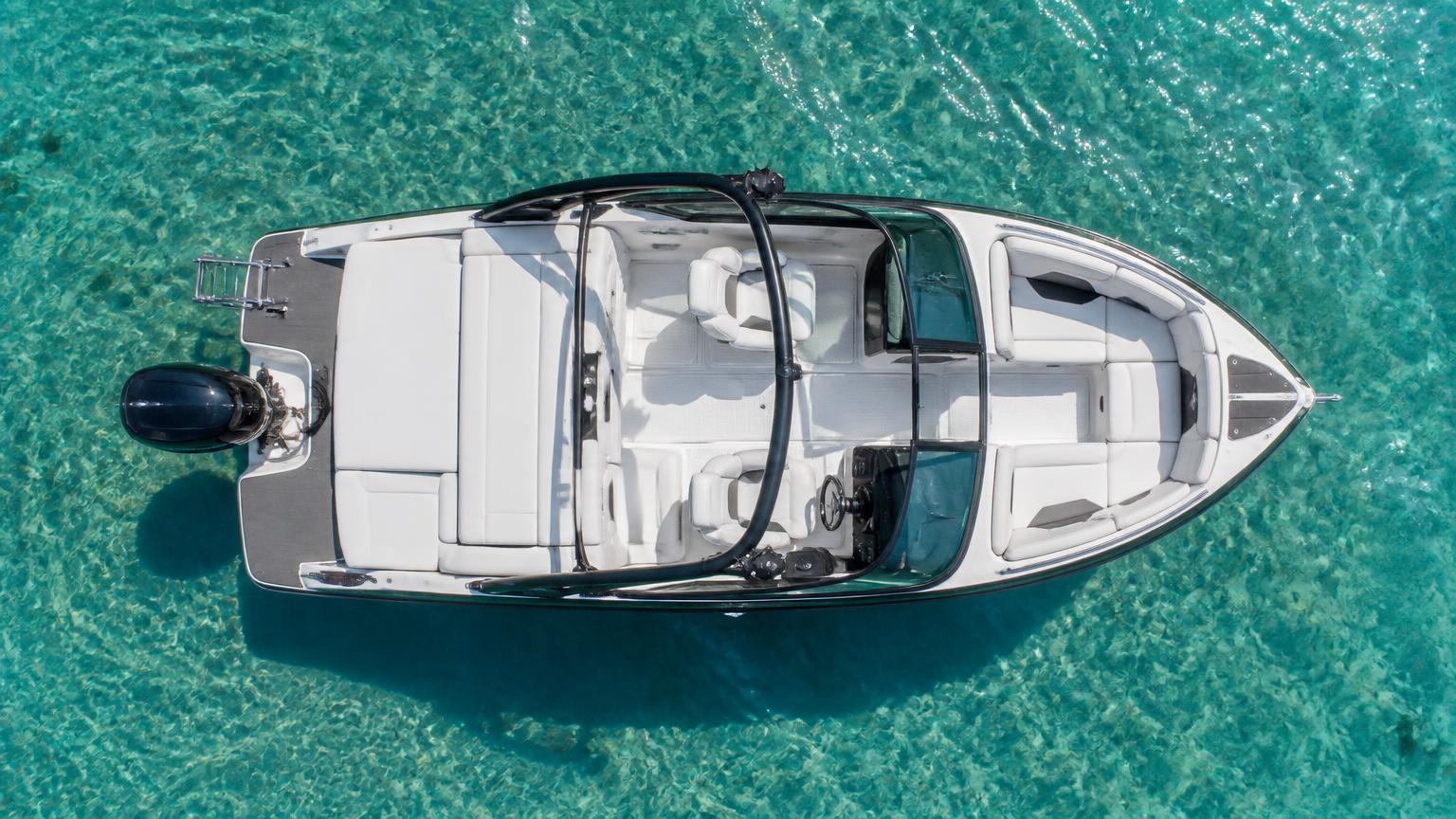
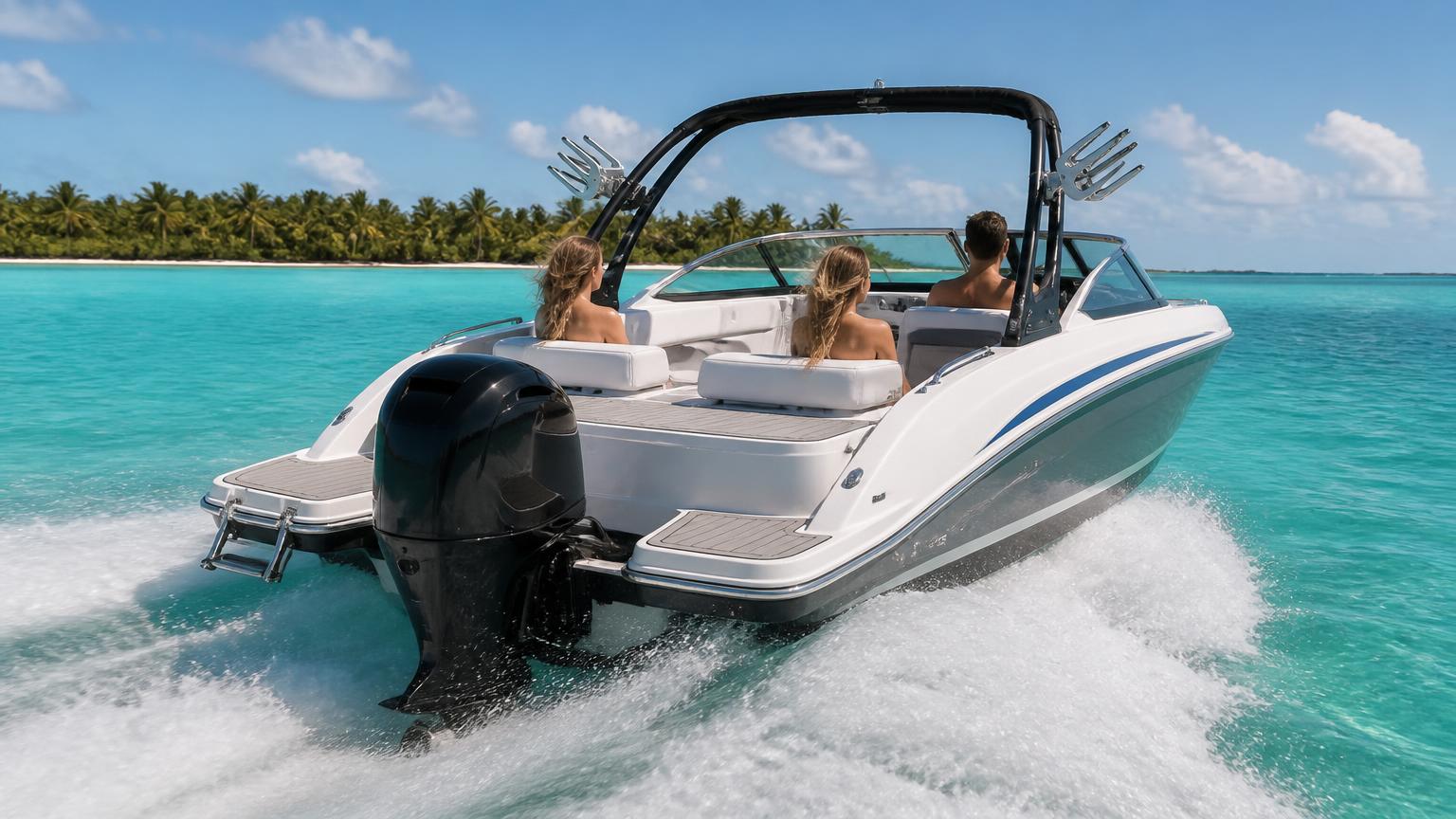
Bayliner VR5
The world's best selling bowrider size, Light, simple and easy to tow.
- Length
- 19 ft 9 in (6.02 m)
- Drive
- Outboard
- Seats
- 8 people / 1,150 lb
US$38,000 - US$52,000 new
Site Menu — Find Your Page
Bowrider Boats Mega Website

The Bénéteau Flyer 7 SUNdeck reinterprets the bowrider for Mediterranean day boating. At 7.2 m (23 ft 7 in) it prioritises sunbathing area, shade and swimming access over the deep American-style bow lounge.

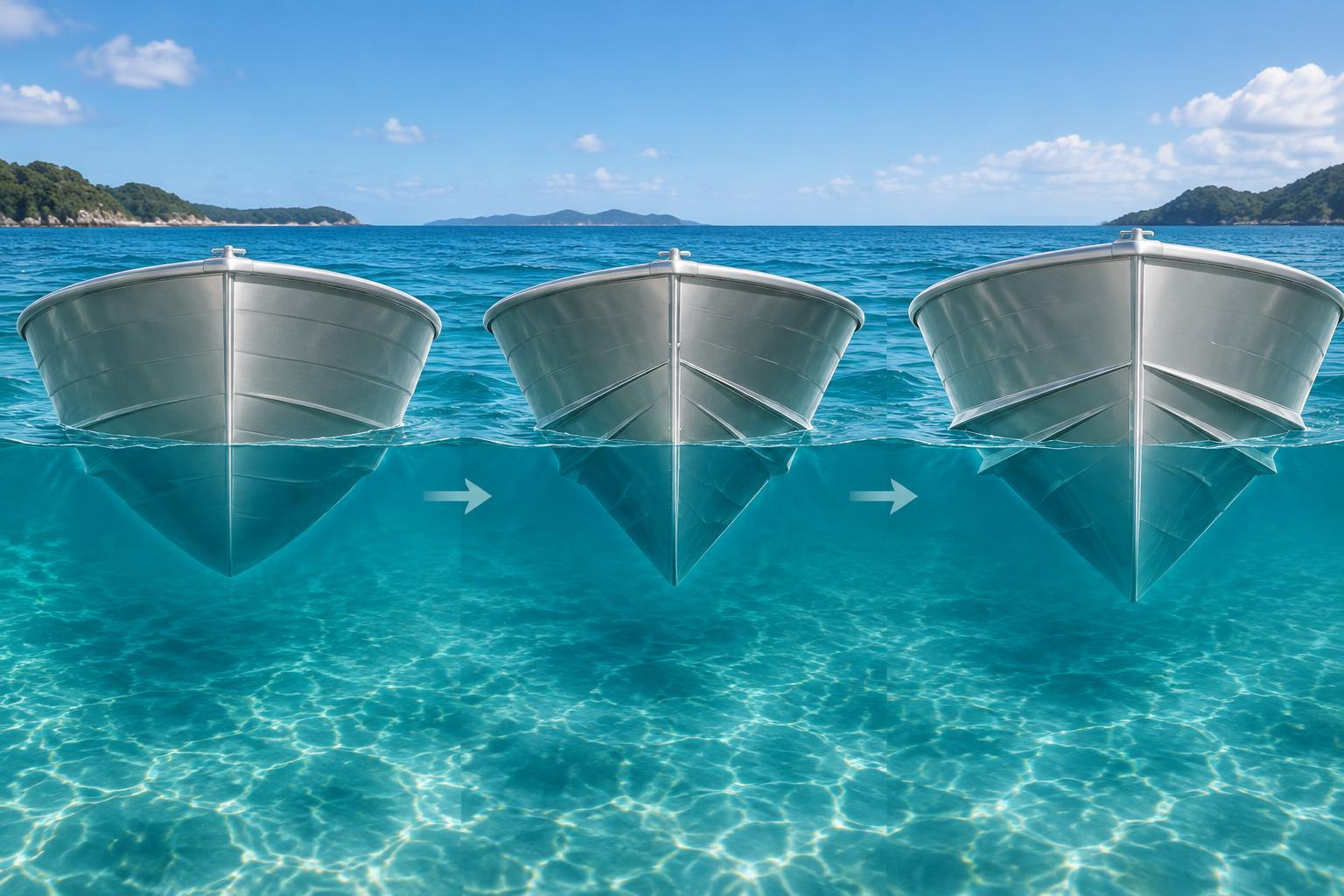
The Air Step hull is Bénéteau's signature. Air is channelled through ducts to the running surface, reducing drag and cushioning the ride. In practice, the boat feels lighter on the water and burns less fuel at cruise than its size suggests.

Layout is modular. The aft bench slides and converts to an aft-facing seat or a full sun lounge, the bow becomes a large sunpad with filler cushions, and there is a small enclosed console compartment with a portable head, which is rare and genuinely useful at this size.

Outboard power from 150 hp to 225 hp keeps the transom clean and the swim platforms usable on both quarters. A single 200 hp gives a comfortable 25 knot cruise with a 38-40 knot top end.

The Flyer is aimed at owners who anchor and swim more than they tow skiers. If your boating day involves a beach, a lunch and a swim ladder rather than a slalom course, this is the layout to look at. Check hull-side gel coat around fenders and the condition of the deck sunpad cushions on used boats.

The world's best selling bowrider size, Light, simple and easy to tow.
US$38,000 - US$52,000 new

The refined mainstream benchmark: quiet, dry, and beautifully finished for the money.
US$72,000 - US$95,000 new

A premium 25-foot bowrider renowned for its deep seating, convertible lounges, refined ride and exceptional finish.
US$155,000 - US$210,000 new
Featured Boat of the Week

This week we are putting the Bayliner Bayliner DX2000 in the spotlight, and it earns the spot. At 20 ft 2 in (6.16 m) long on a 8 ft (2.44 m) beam, this is a bowrider that reads the water well and still feels roomy enough for a full day out. A 20-foot deck-boat-width bowrider with outboard power and a huge social cockpit. Power comes from 115-150 hp mercury fourstroke outboard through a outboard package, and the fibreglass hull keeps the ride settled when the afternoon breeze puts a chop on the surface.
Seating is rated for 8 people, so there is space for family, friends, towels, eskies and the tow rope without anyone climbing over gear. Owners tend to buy it for family, water ski, leisure — which is exactly where it shines. Fuel is 30 us gal (114 l), and on the second-hand and new market you should expect to land somewhere around US$42,000 - US$58,000 new depending on hours, trailer and options.
Our full deep dive covers the layout in detail: bow lounge comfort, helm ergonomics, the rear entertaining area, storage that actually swallows a weekend, plus standard features, popular options and honest notes on where the boat compromises. If the Bayliner DX2000 is on your shortlist, start there — and check back next week, because the featured boat changes every week as we complete more full model reviews.
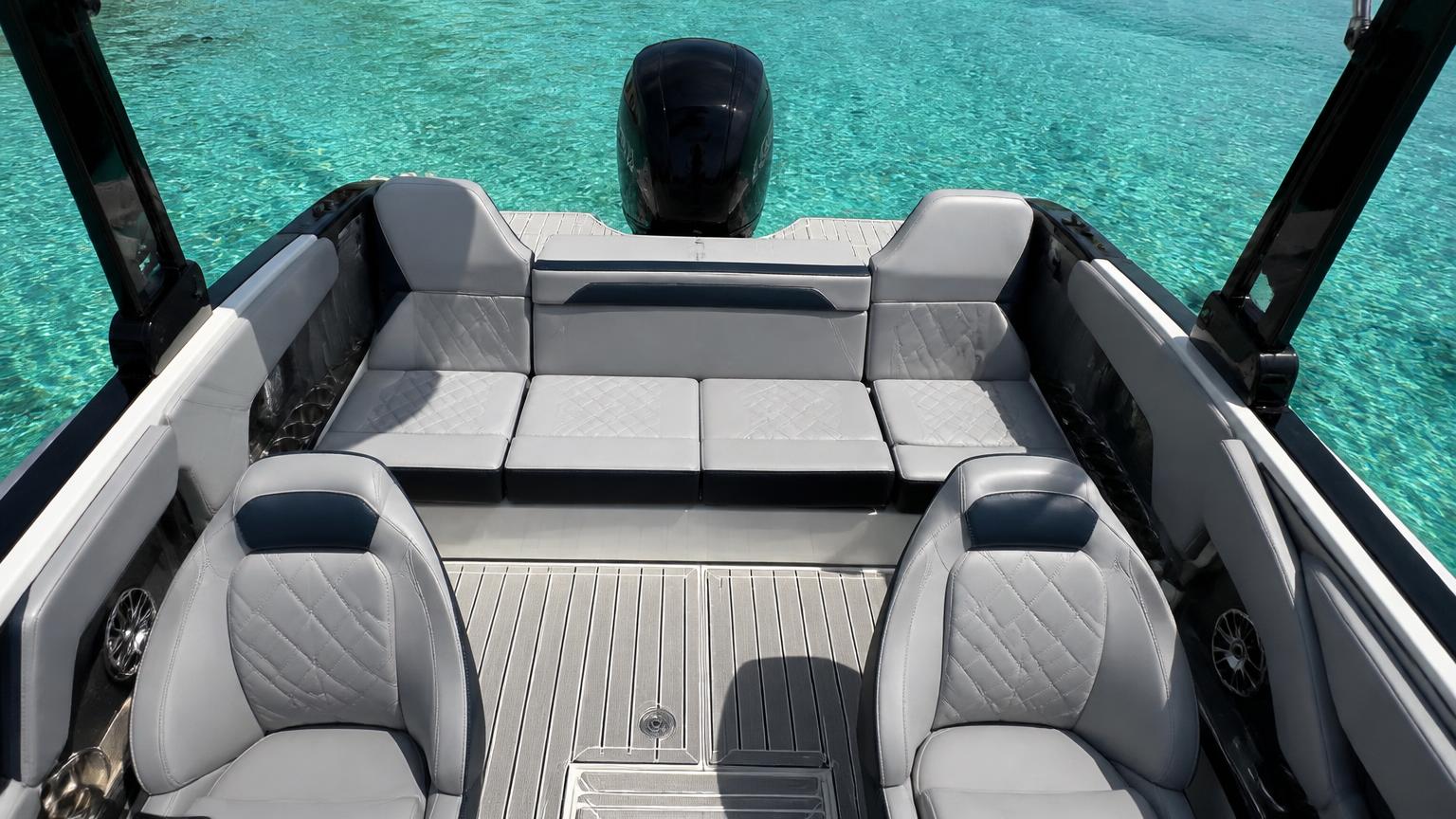
Featured Bowrider Article
Ownership

Boats do not die of old age; they die of neglect. A well-kept bowrider can still be in service after thirty or forty years, while a badly stored one can be uneconomic at twelve. Knowing which parts have a clock on them lets you buy and own accordingly. A quality fibreglass hull that has been kept covered, repaired promptly and stored out of water can last forty years or more. The laminate itself rarely fails; what fails are the plywood or composite parts inside it — stringers, bulkheads, floors and transom cores — when water finds a way in through unsealed fittings or damaged gelcoat. Aluminium hulls are similarly long-lived and often outlast their fittings entirely. Their enemies are galvanic corrosion, especially from stray current in marinas or missing anodes, and fatigue cracking around welds on hard-worked boats. Both are inspectable and repairable. A modern four-stroke outboard serviced on schedule commonly reaches 2,500-4,000 hours before major work, which for a family boat used fifty hours a year is decades of life. Petrol sterndrive engines have similar potential, though the drive leg, bellows and gimbal components need renewal along the way. In practice most engines are replaced because parts availability, electronics or economics turn against them…
Read the full article