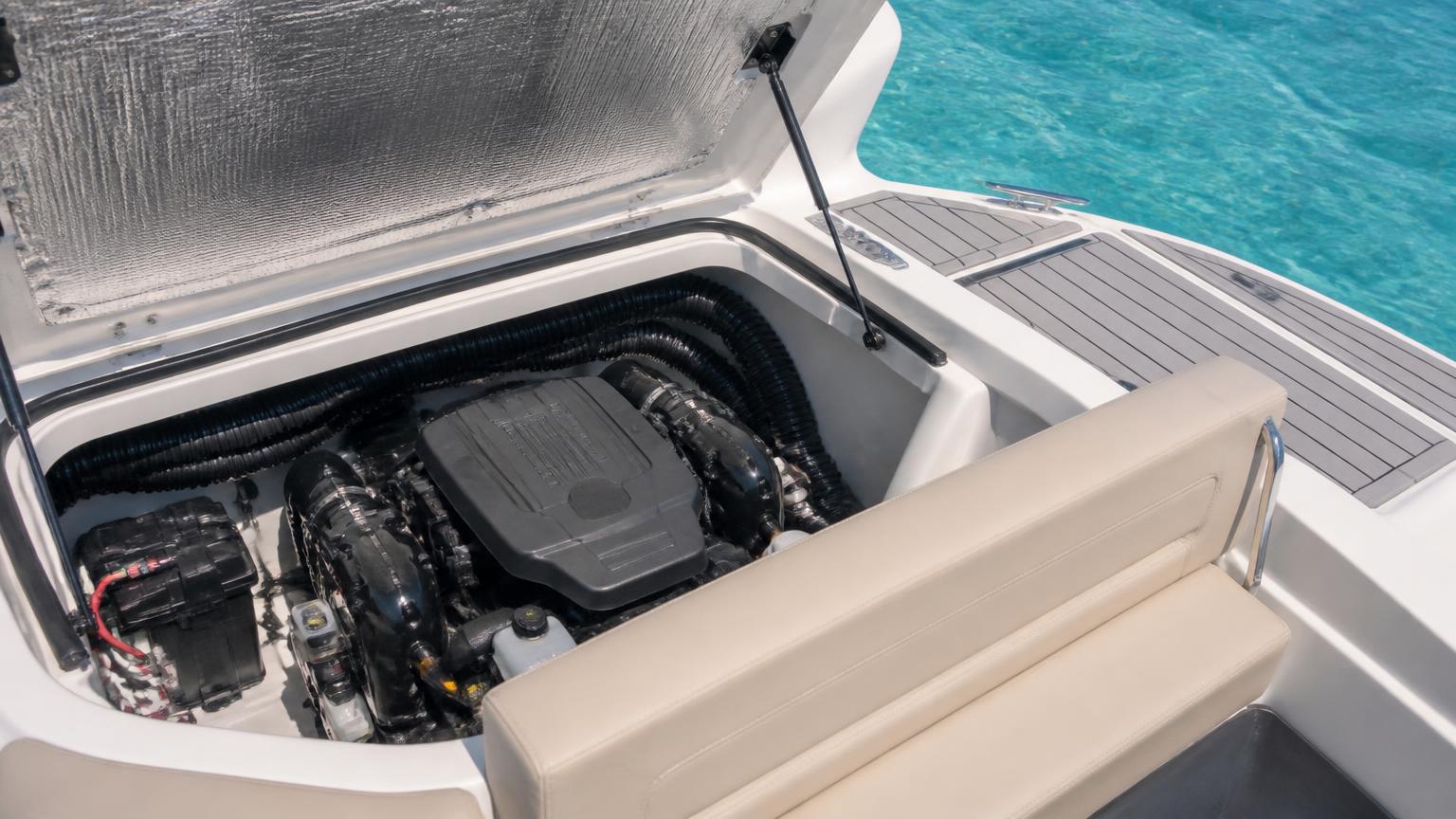
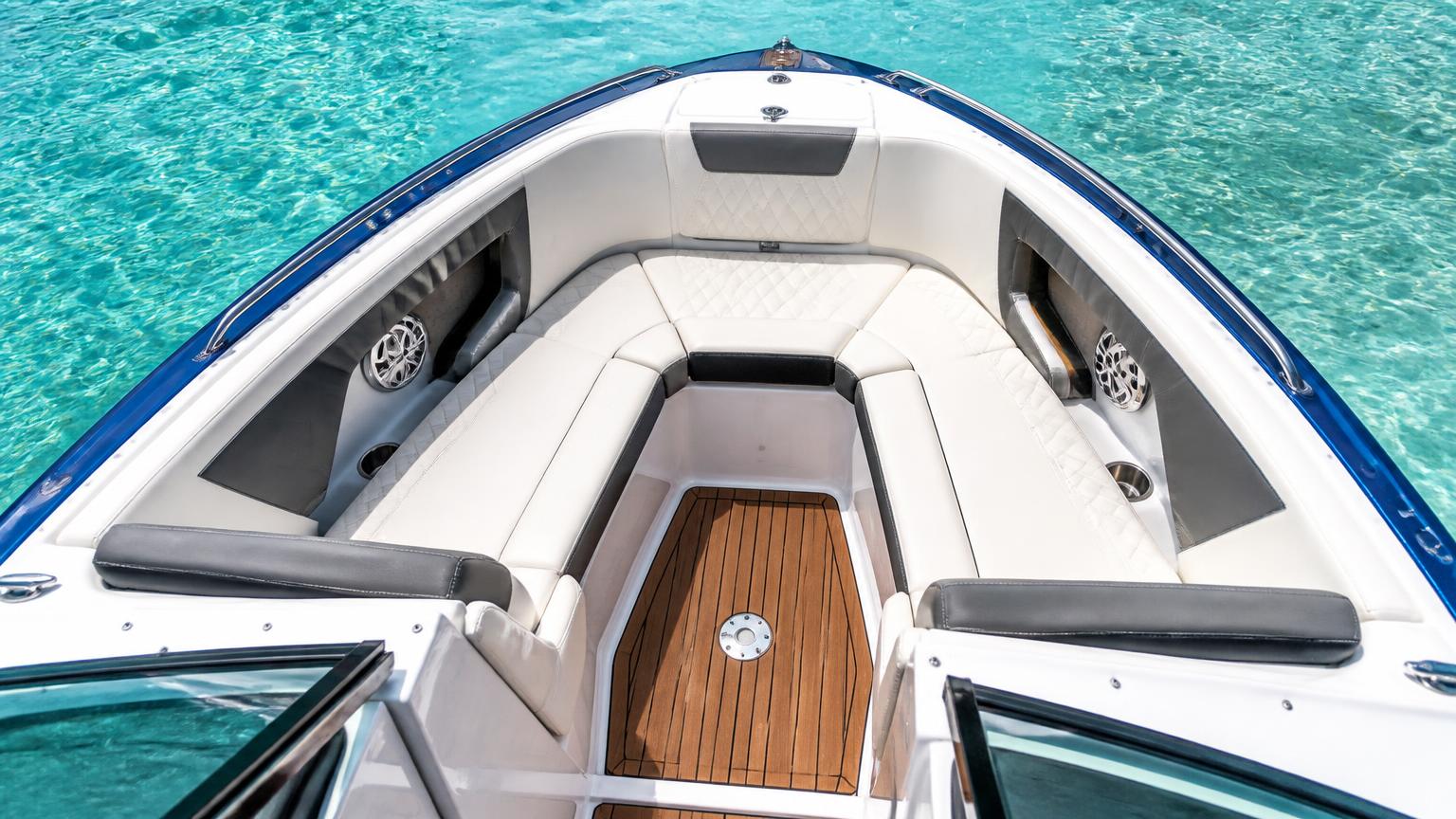
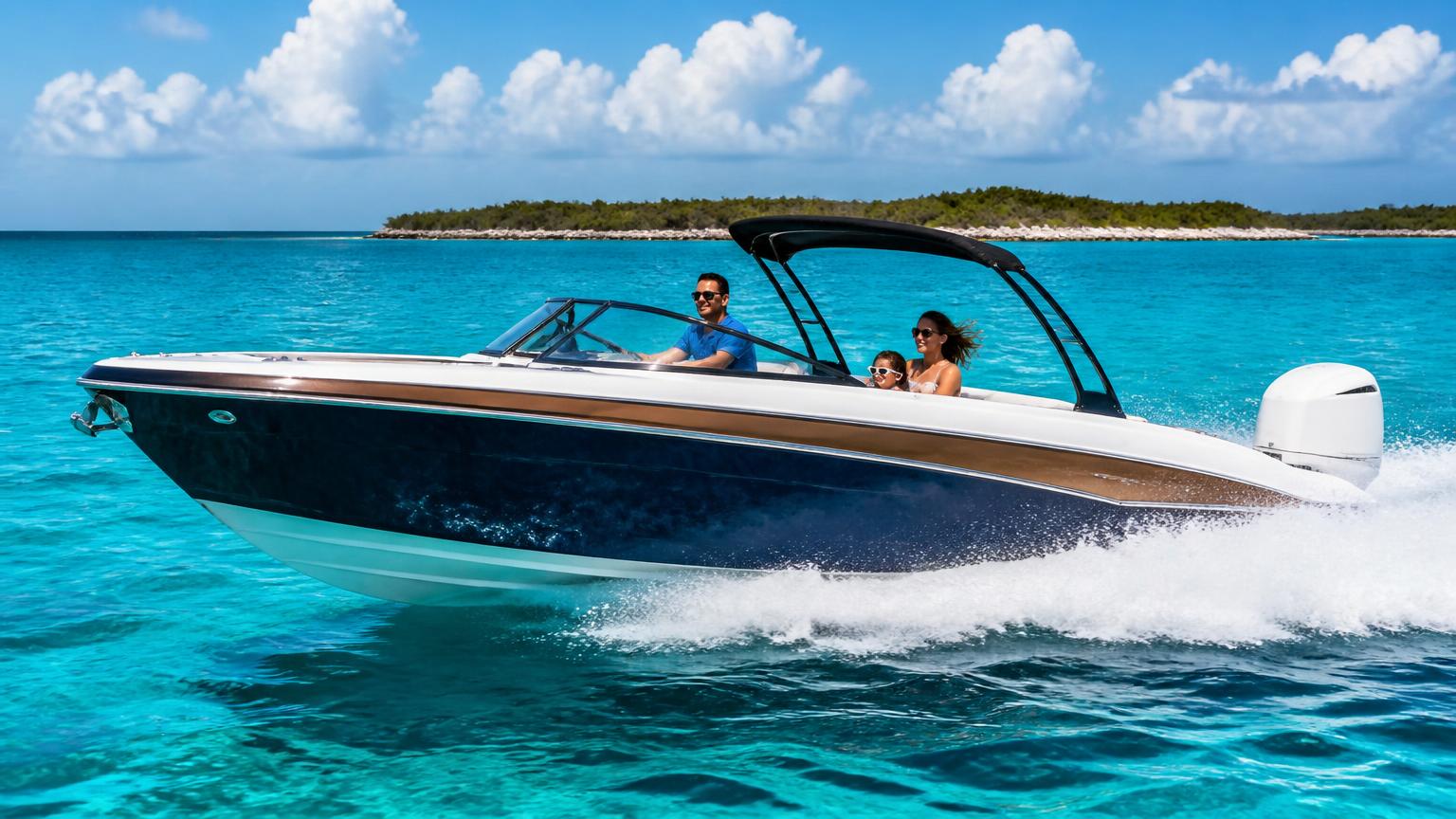
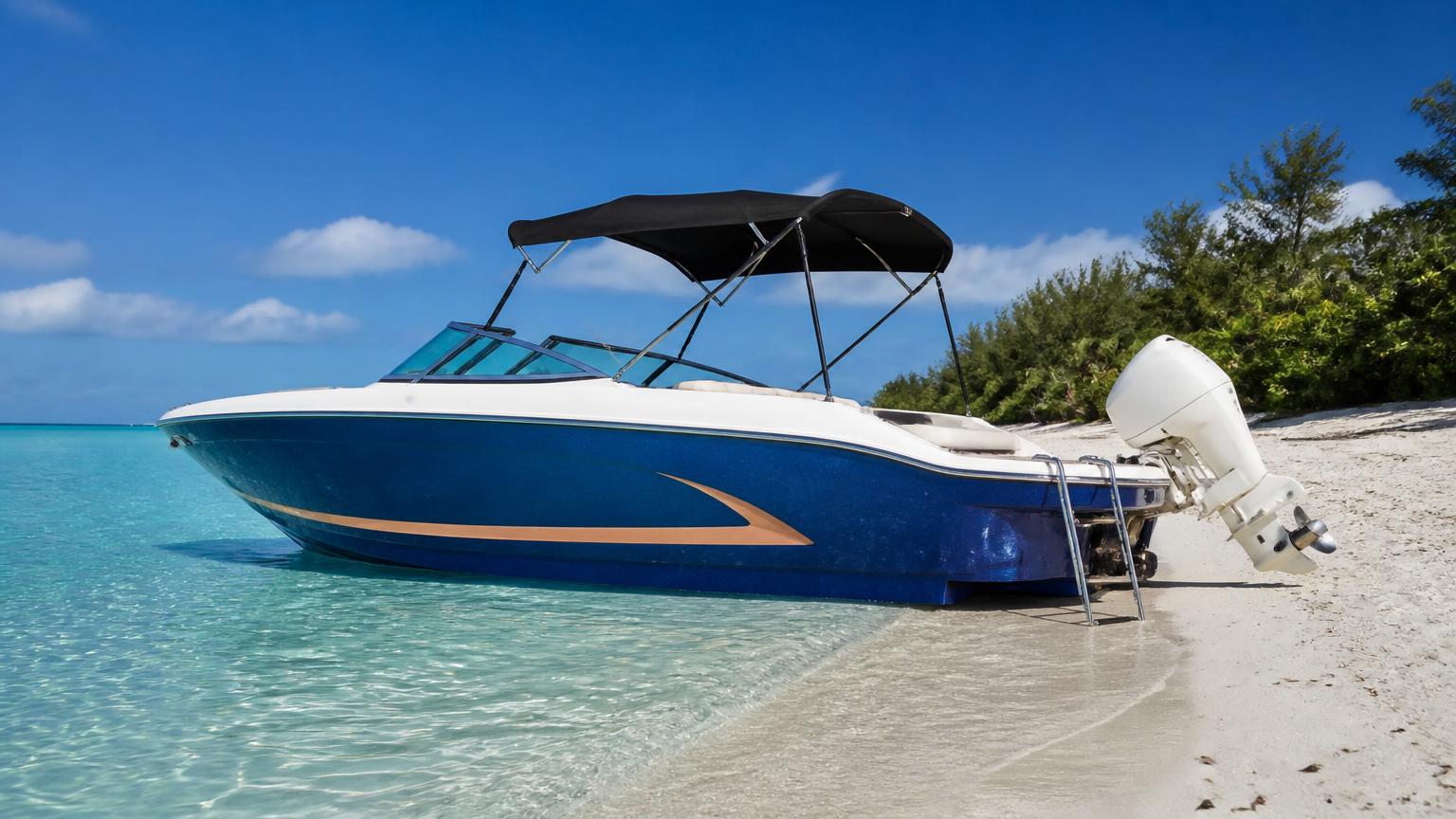
Crestliner Vision 1600
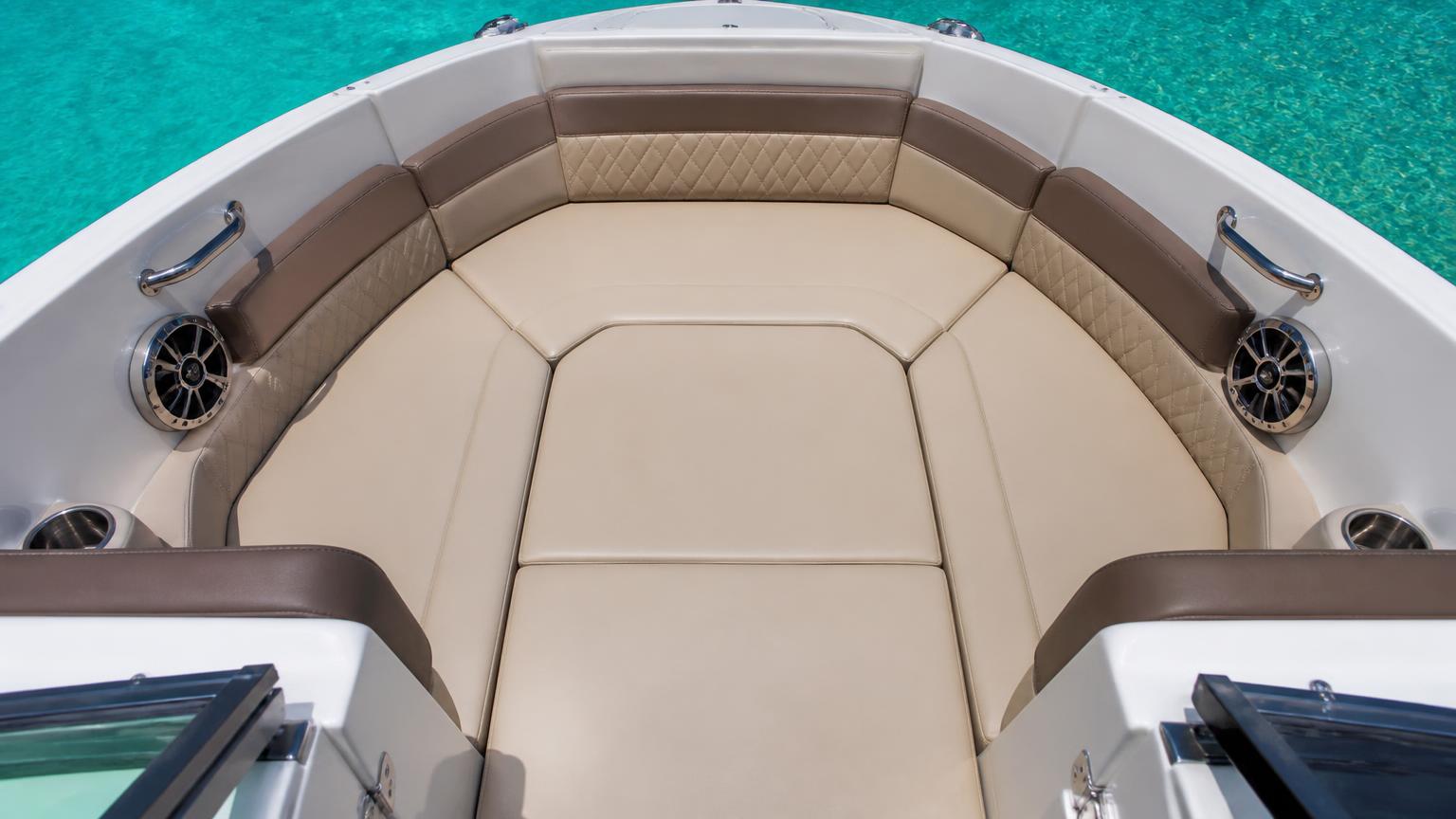
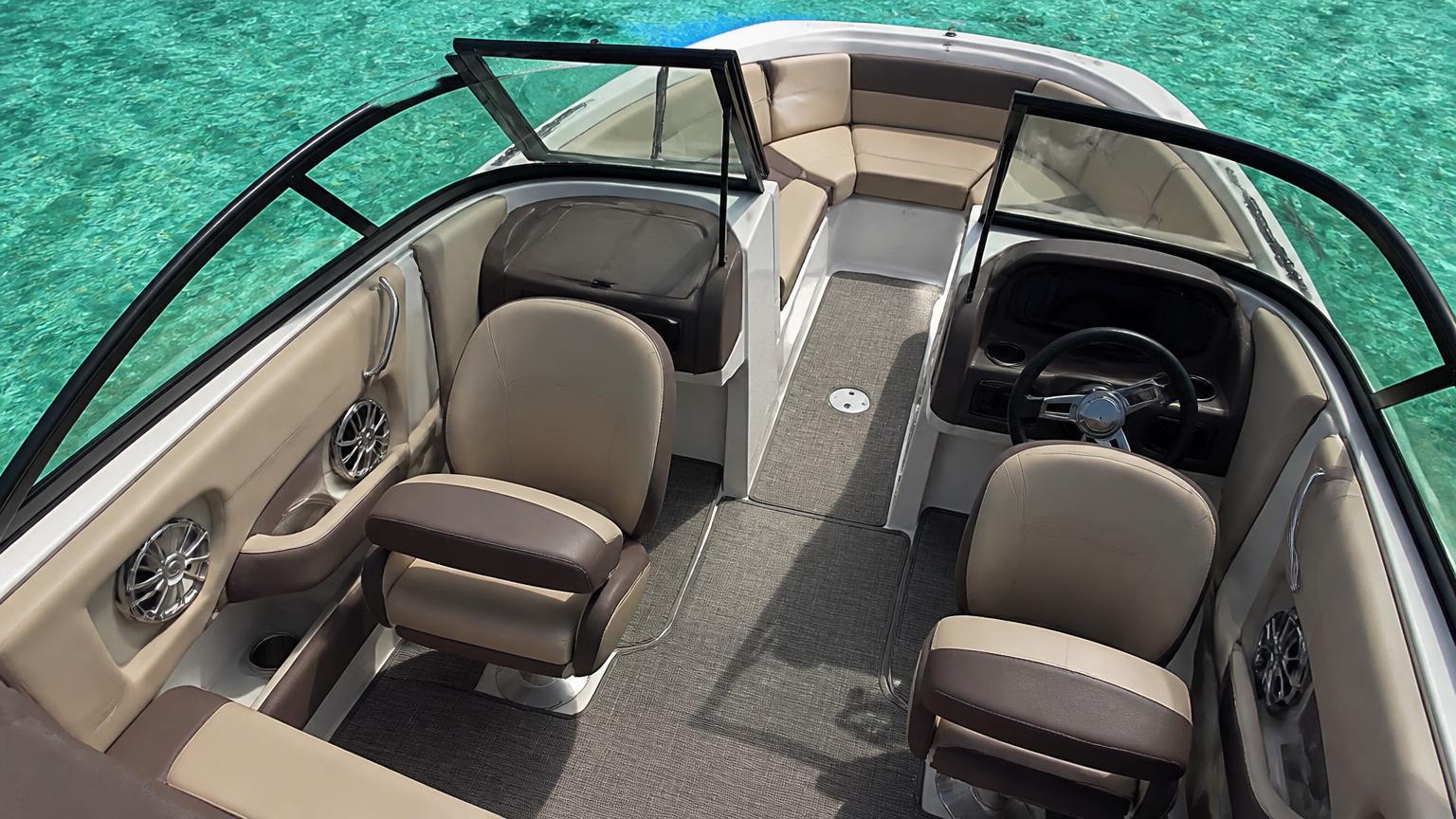
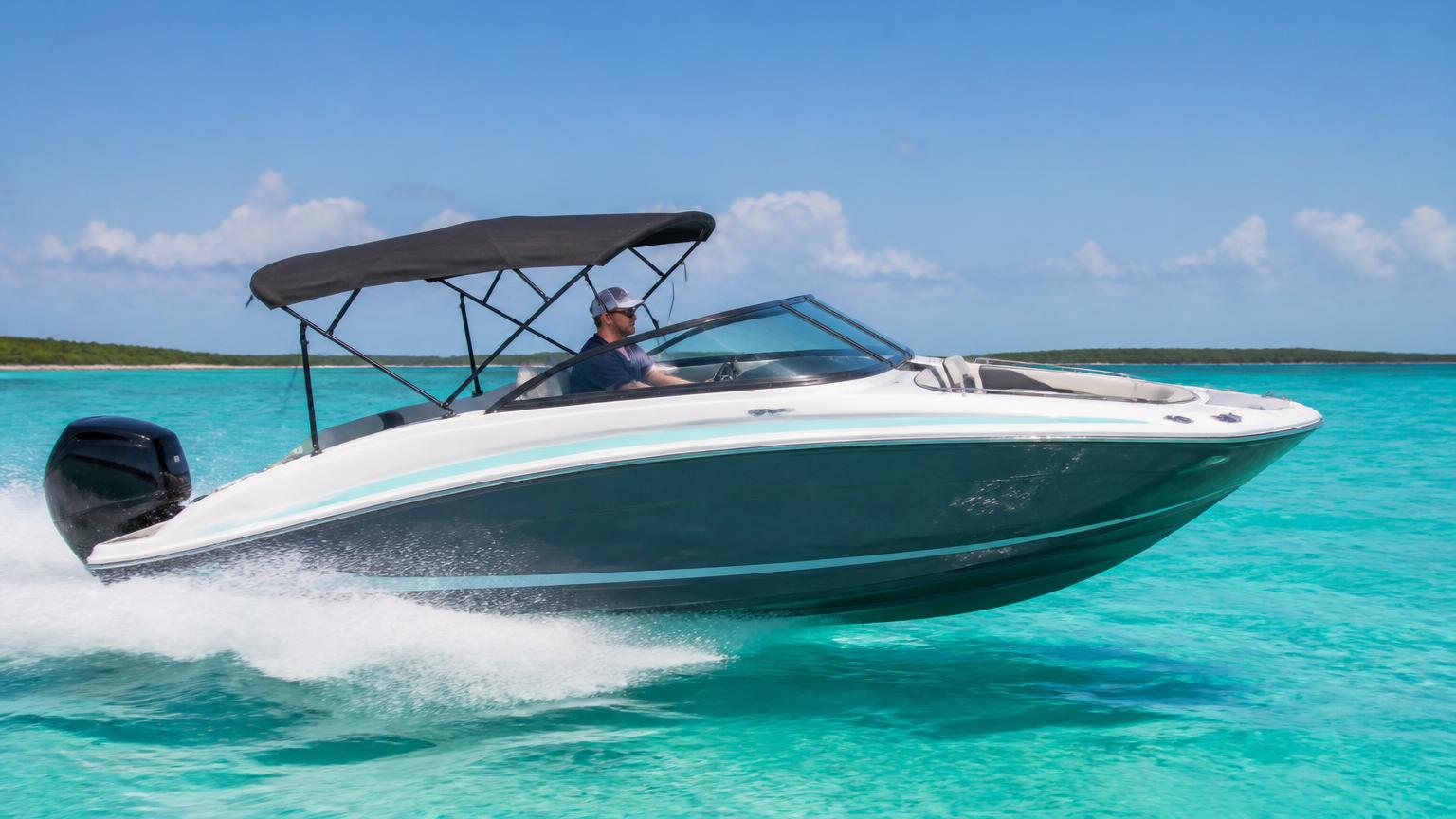
16.0 ft aluminium Crestliner bowrider with outboard power — mid range pricing and a classic convertible bowrider layout.
- Length
- 16 ft (4.88 m)
- Drive
- Outboard
- Seats
- 8 people
US$31,000 - US$41,000 new
Site Menu — Find Your Page
Bowrider Boats Mega Website

United States · since 1946
Heavy-gauge welded aluminium runabouts and bowriders built for hard freshwater use.
Crestliner has been building boats in United States since 1946, and like almost every long-lived boat builder the story starts small: a workshop, a handful of tradespeople, and local customers who wanted something better than what they could buy. The founding generation built to order, learned from every boat that came back for repair, and turned those lessons into a production range once demand outgrew the shed. As volumes grew, hand-built one-offs gave way to tooled production, and the company moved from making boats to engineering them: hull moulds or jigs, repeatable laminate or welding schedules, dealer support and a proper spare parts chain.
The move into bowriders was a natural one. As watersports boomed, buyers wanted one boat that could tow, cruise, fish and entertain, and the open-bow layout was the only configuration that genuinely did all four. Crestliner adapted its existing hulls to the open-bow format, then began designing specifically for it — walk-through screens, convertible cushions, under-seat lockers and transom lounges — and bowriders have been a core part of the range ever since.

Aluminium is the reason this brand exists in the form it does. Hulls are pressed or welded from marine-grade plate and sheet, which makes them light for their length, tough against rocks, ramps and beach landings, and cheap to repair when something does go wrong. A dented alloy hull is a panel job, not an insurance write-off. The trade-off is a firmer ride in short chop and a plainer interior than moulded fibreglass, which is exactly the compromise the target owner is happy to make.
Crestliner builds some of the heaviest-gauge aluminium hulls in the American market, using a one-piece welded design with a full-length extruded keel that resists the oil-canning and flex of lighter pressed alloy boats. The result is a bowrider that feels solid underfoot and takes rocky ramps, log strikes and winter storage without complaint. The Vision and Rally series carry conventional bowrider layouts — padded bow seating with removable cushions for casting, walk-through screen, swivel helm chairs and a rear bench over dry storage — while retaining the fishing utility that Crestliner's freshwater buyers demand, including livewells and rod storage on some models. Mercury outboard power is standard, keeping weight aft manageable and maintenance simple. Crestliner's strength is durability rather than luxury: interiors are practical, and the boats are designed to be hosed out. For families who fish as much as they cruise and want a hull that will still be sound in twenty-five years, Crestliner is a compelling aluminium option.

Ask anyone at a boat ramp to name a Crestliner and you will hear Vision 1600, Rally 1650, Vision 1700. These are the boats that built the brand's reputation, and each one is documented on its own page on this site with specifications, layout notes, engine options and a real-world price guide.
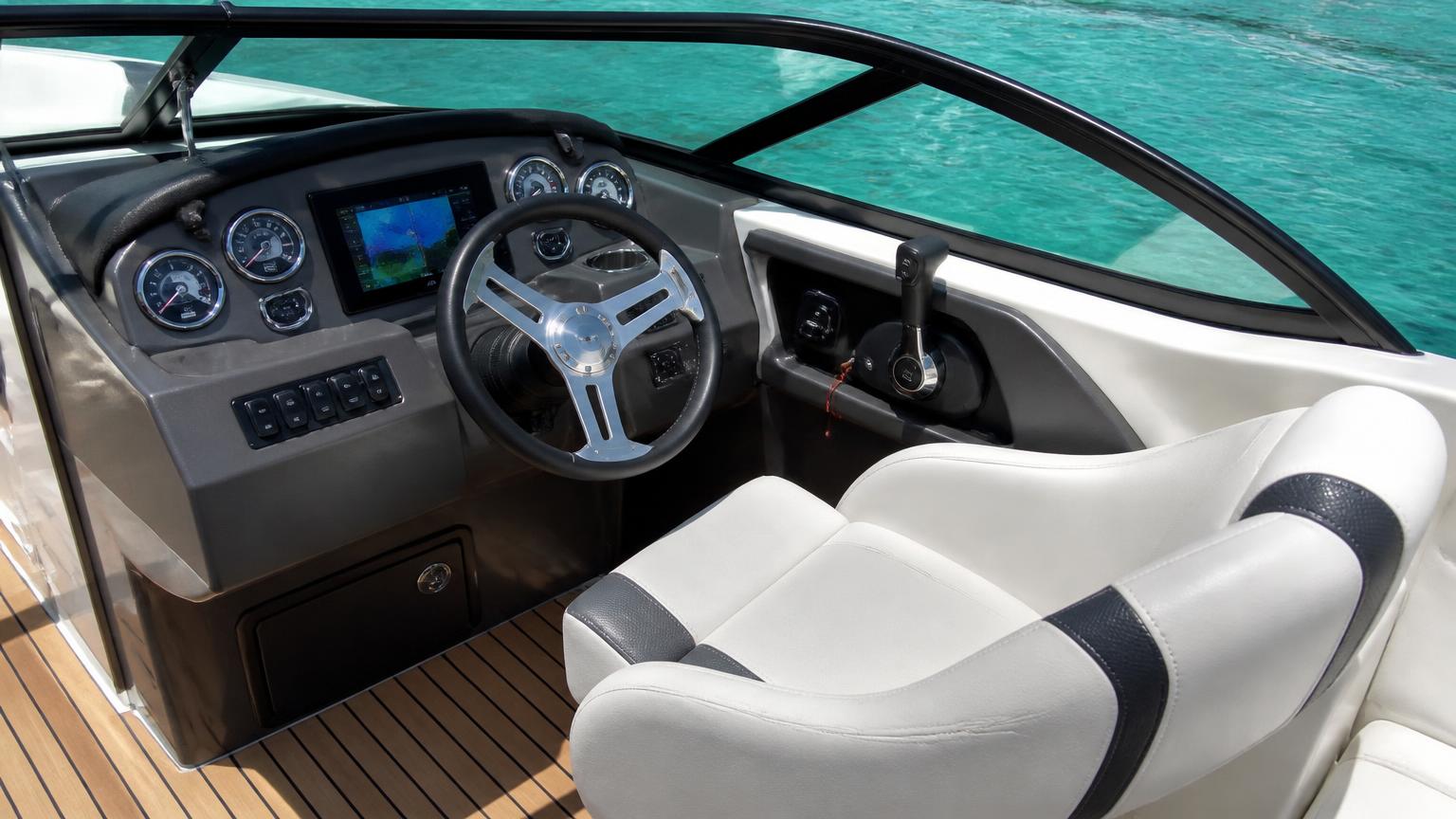
The Crestliner Vision 1600 is the model most buyers start with, and it sets the template for the rest of the range: open bow seating, a walk-through windscreen, a helm and companion seat amidships and a convertible transom lounge. Moving up the range adds beam and freeboard rather than just length, and beam is what you actually feel — a wider boat carries more people comfortably, stays flatter at rest and gives deeper lockers under the seats. Trim levels layer on top of the hull sizes, so the same hull can be bought as a plain family boat or fully optioned with tower, sound system and premium upholstery.
Crestliner is particularly recognised for Vision 1600, Rally 1650, Vision 1700 — and the full list of every model, series and range we have documented from this builder appears further down this page.

Crestliner's core market is North America — the Great Lakes, the inland reservoirs, the Florida and Gulf coasts, and the Pacific Northwest — where a bowrider is the default family boat and watersports drive the specification. Dealer networks are dense, which is a real advantage for owners: parts, warranty work and trade-in values are all easier when there is a dealer within a couple of hours. Boats are exported widely into Europe, Australia and the Middle East, and the used market outside America is well stocked with grey-import examples.
Being a North America builder matters more than it sounds. Boats are designed around the water their designers use, so the Crestliner range reflects North America conditions in freeboard, deadrise, cockpit drainage and seating priorities. If you boat somewhere similar, the boat will feel like it was designed for you — because it was.

Heavy-gauge welded aluminium runabouts and bowriders built for hard freshwater use. Longevity is its own achievement in this industry: boat building is brutally cyclical, and a company trading since 1946 has survived multiple recessions, fuel shocks, ownership changes and complete generational shifts in what buyers want from a family boat. Very few marine brands manage that without either moving upmarket or being absorbed and quietly retired.
Crestliner sits within the Brunswick group alongside Lund and Bayliner, so parts and dealer support are well established.
The brand is known in the trade for Vision 1600 and Rally 1650, and among owners for something less measurable: boats that get used every weekend instead of sitting on the driveway. That is the highest compliment a family bowrider can be paid.
Day to day, a Crestliner bowrider is judged on the small things. How quickly can two people get it off the trailer and back on again? Where do the wet towels, the ski rope and the cooler live? Is there shade at midday, and somewhere dry for phones and keys? Alloy decks hose out in seconds and dry fast, which matters when the boat goes back on the trailer wet. These boats are set up so a single adult can launch, retrieve and pack up without help, which in practice is the difference between a boat that gets used most weekends and one that stays in the driveway.
Running costs are modest for the class. Modern four-stroke outboards are frugal, quiet and simple to service, and a day of cruising with a couple of ski sets rarely troubles the fuel budget. Insurance, storage and trailer registration are the same as any comparable trailer boat, and because Crestliner is a recognised name, both insurers and finance companies value the boats without argument.
Mid-market pricing buys the sweet spot most families end up in: better upholstery foam, deeper lockers, more standard equipment and a more refined hull than entry-level boats, without the premium-brand asking price. Resale is usually steady because these boats are the most in-demand size and specification on the second-hand market.
Whatever you buy, inspect it the same way. Check the transom for flex with the drive or outboard lifted, tap the floor and stringers for softness, look hard at the bilge for staining and weeping, run the engine to temperature and confirm steering and trim work through their full travel. Upholstery seams and covers are the first things to fail on a boat stored outside, and they are also the most expensive cosmetic items to put right. On aluminium, check the welds along the chines and transom, and look for corrosion where dissimilar metals meet.
Finally, buy the layout rather than the badge. Sit in the bow, sit at the helm, sit on the transom lounge and imagine a full day aboard with your own family. Crestliner builds mid range aluminium bowriders with outboard power, and if that combination matches the water you use and the way you use it, this is a brand that will serve you for years and sell on well when you are ready for the next one.
Specifications, pricing guides and honest notes on each Crestliner bowrider.

16.0 ft aluminium Crestliner bowrider with outboard power — mid range pricing and a classic convertible bowrider layout.
US$31,000 - US$41,000 new

16.5 ft aluminium Crestliner bowrider with outboard power — mid range pricing and a classic convertible bowrider layout.
US$33,000 - US$43,000 new

17.0 ft aluminium Crestliner bowrider with outboard power — mid range pricing and a classic convertible bowrider layout.
US$35,000 - US$46,000 new
Featured Boat of the Week

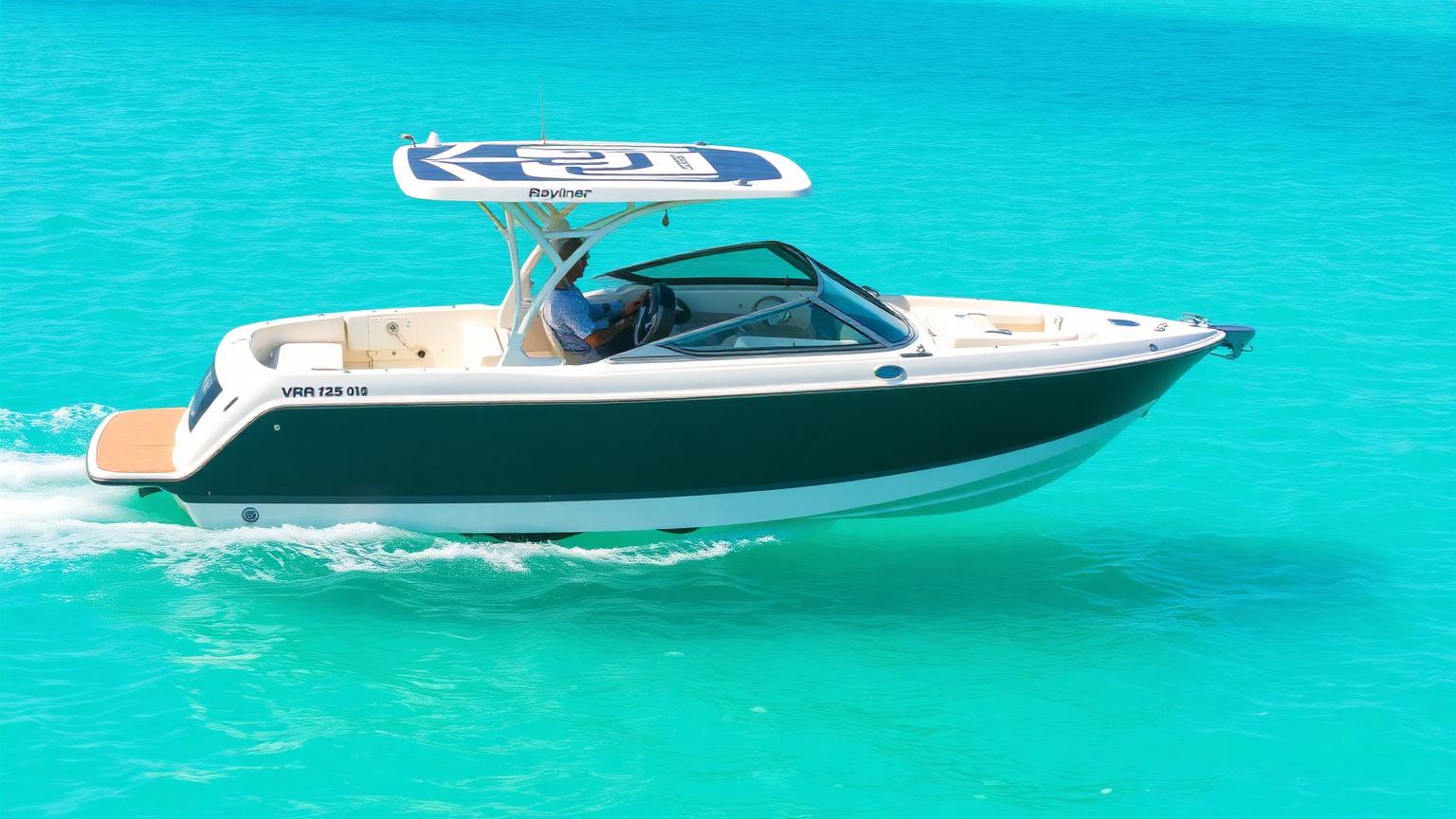
This week we are putting the Bayliner Bayliner DX2000 in the spotlight, and it earns the spot. At 20 ft 2 in (6.16 m) long on a 8 ft (2.44 m) beam, this is a bowrider that reads the water well and still feels roomy enough for a full day out. A 20-foot deck-boat-width bowrider with outboard power and a huge social cockpit. Power comes from 115-150 hp mercury fourstroke outboard through a outboard package, and the fibreglass hull keeps the ride settled when the afternoon breeze puts a chop on the surface.
Seating is rated for 8 people, so there is space for family, friends, towels, eskies and the tow rope without anyone climbing over gear. Owners tend to buy it for family, water ski, leisure — which is exactly where it shines. Fuel is 30 us gal (114 l), and on the second-hand and new market you should expect to land somewhere around US$42,000 - US$58,000 new depending on hours, trailer and options.
Our full deep dive covers the layout in detail: bow lounge comfort, helm ergonomics, the rear entertaining area, storage that actually swallows a weekend, plus standard features, popular options and honest notes on where the boat compromises. If the Bayliner DX2000 is on your shortlist, start there — and check back next week, because the featured boat changes every week as we complete more full model reviews.
Featured Bowrider Article
Ownership

Maintenance is where boat ownership either stays fun or turns into a chore. Two boats of the same size can differ enormously in how many hours and dollars they demand each season, and almost all of that difference comes down to three choices: hull material, drive type and how much complexity you buy. A painted or bare aluminium hull is the low-maintenance benchmark. There is no gelcoat to oxidise, no osmosis risk, and abrasion at the ramp is cosmetic rather than structural. A hose-down after saltwater use, an anode check and an annual inspection of welds and rivets covers most of it. Fibreglass asks for more. Gelcoat needs washing, polishing and waxing to stay glossy, and neglected gelcoat chalks within a few seasons. Chips need filling before water reaches the laminate. It is not difficult work, but it is recurring work. Polyethylene and thermoplastic bowriders sit in a category of their own: essentially maintenance-free skins that shrug off knocks, at the cost of styling options and resale depth. An outboard hangs outside the boat, tilts clear of the water when parked, and needs an annual service that is broadly comparable to a car service: oil, filters, plugs, gear oil, impeller and anodes. Nothing about it…
Read the full article