Smoker Craft Ultima 172
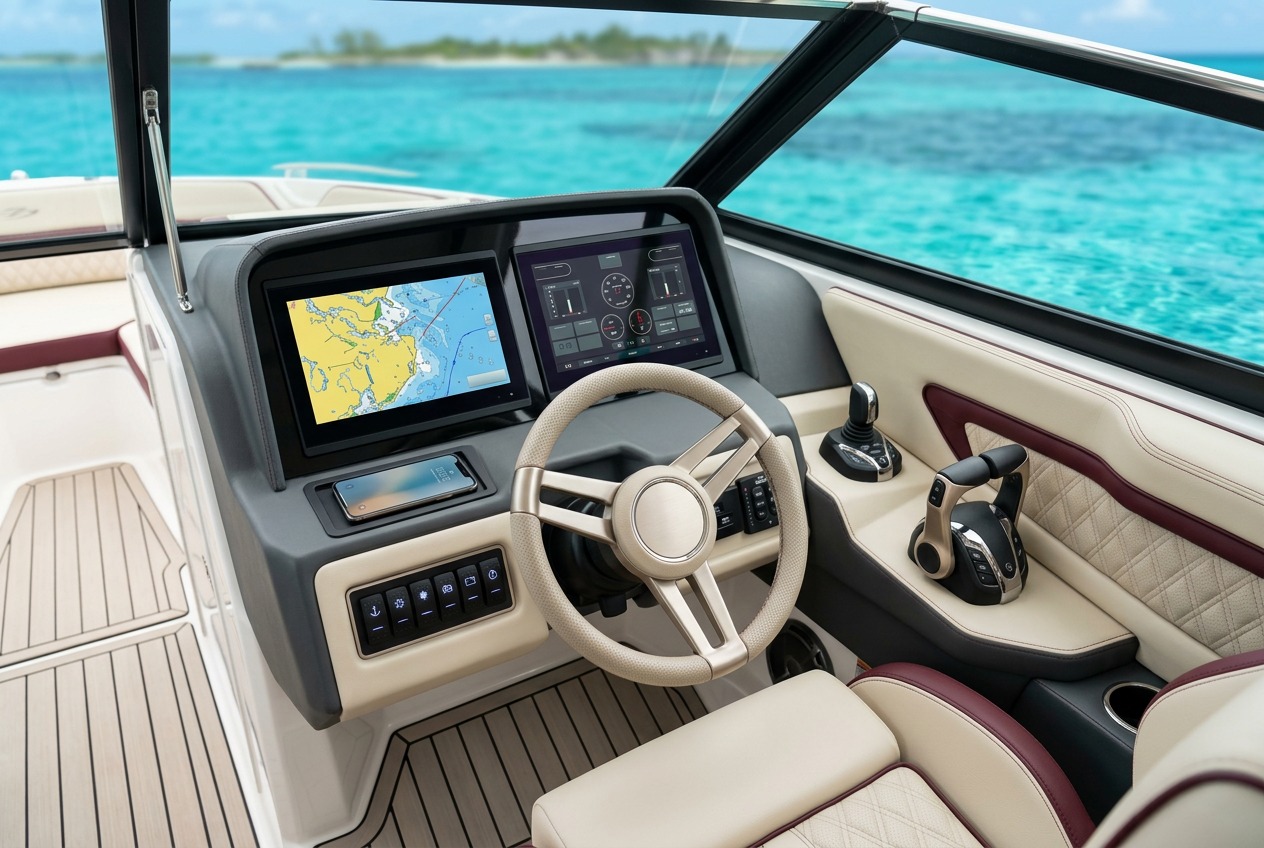
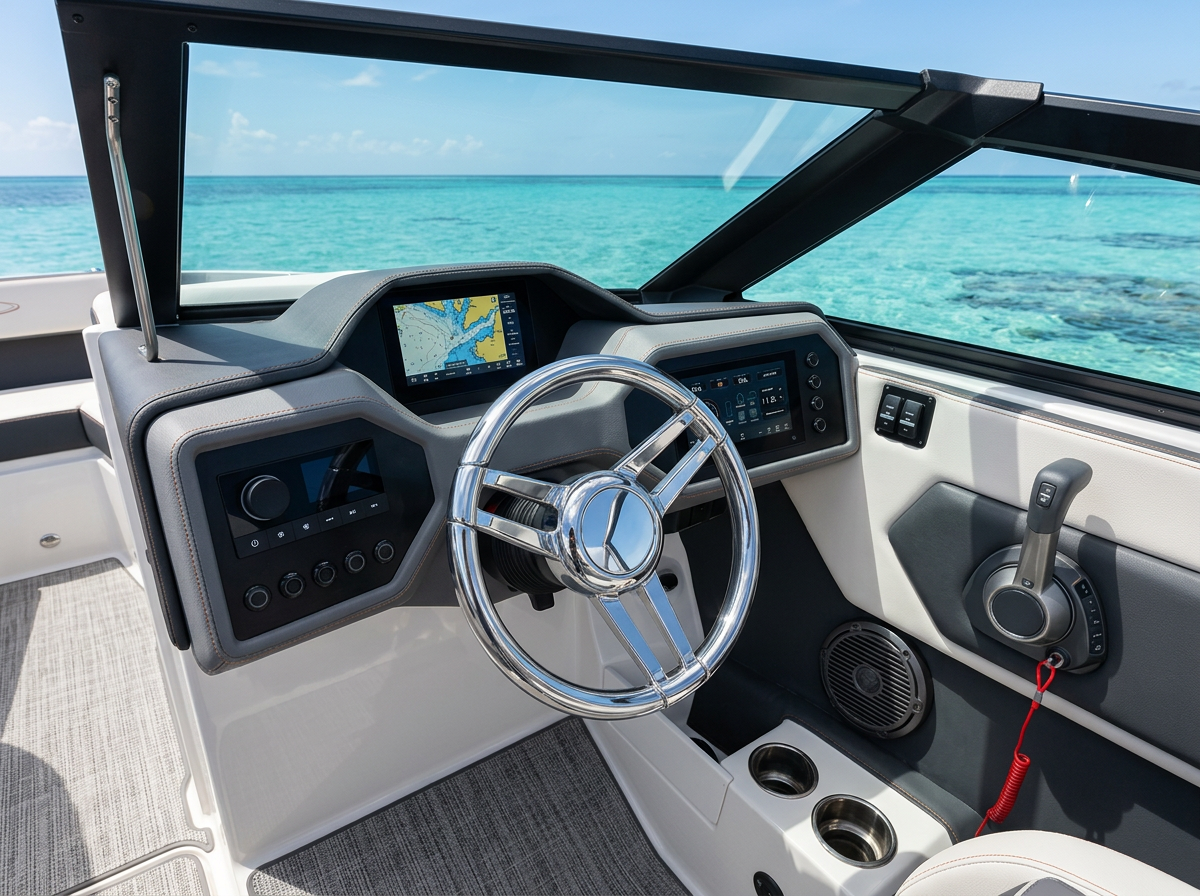
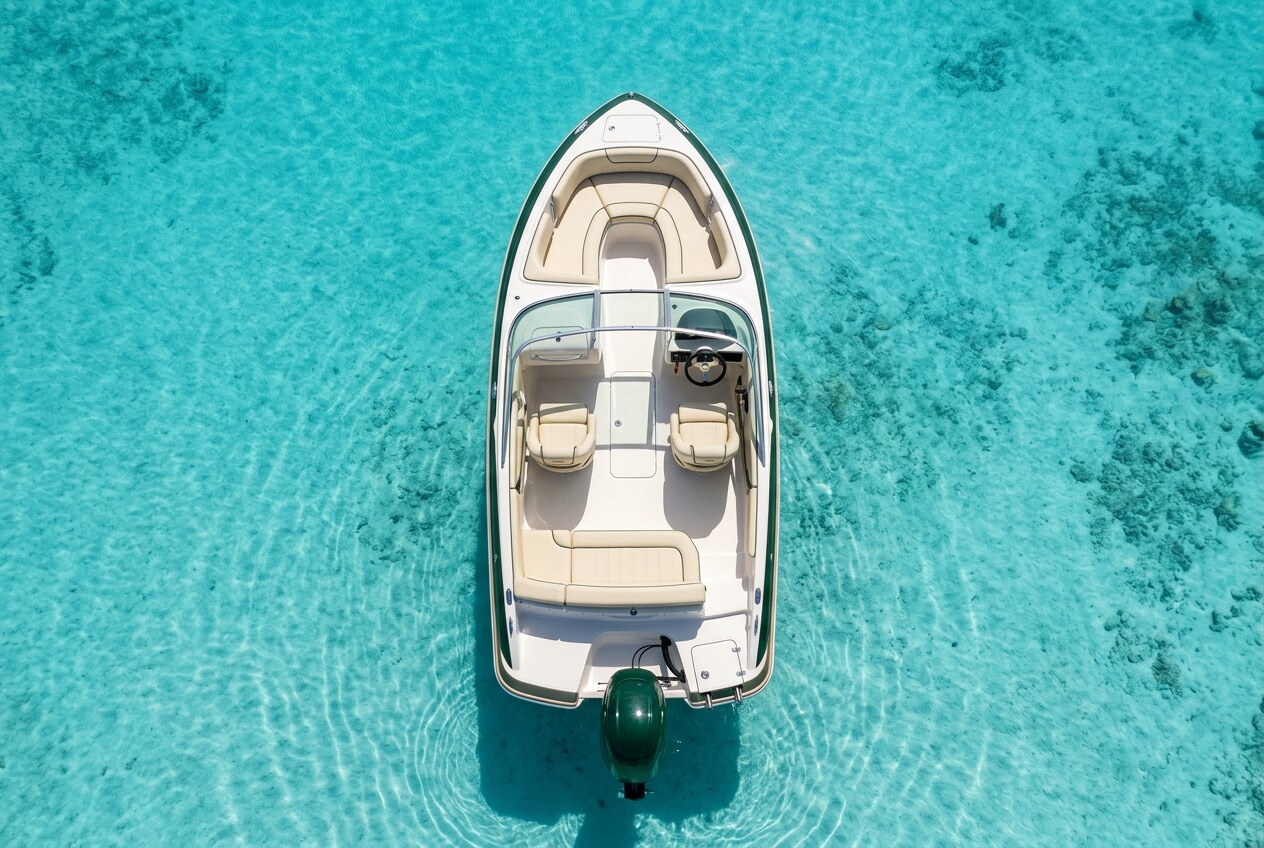
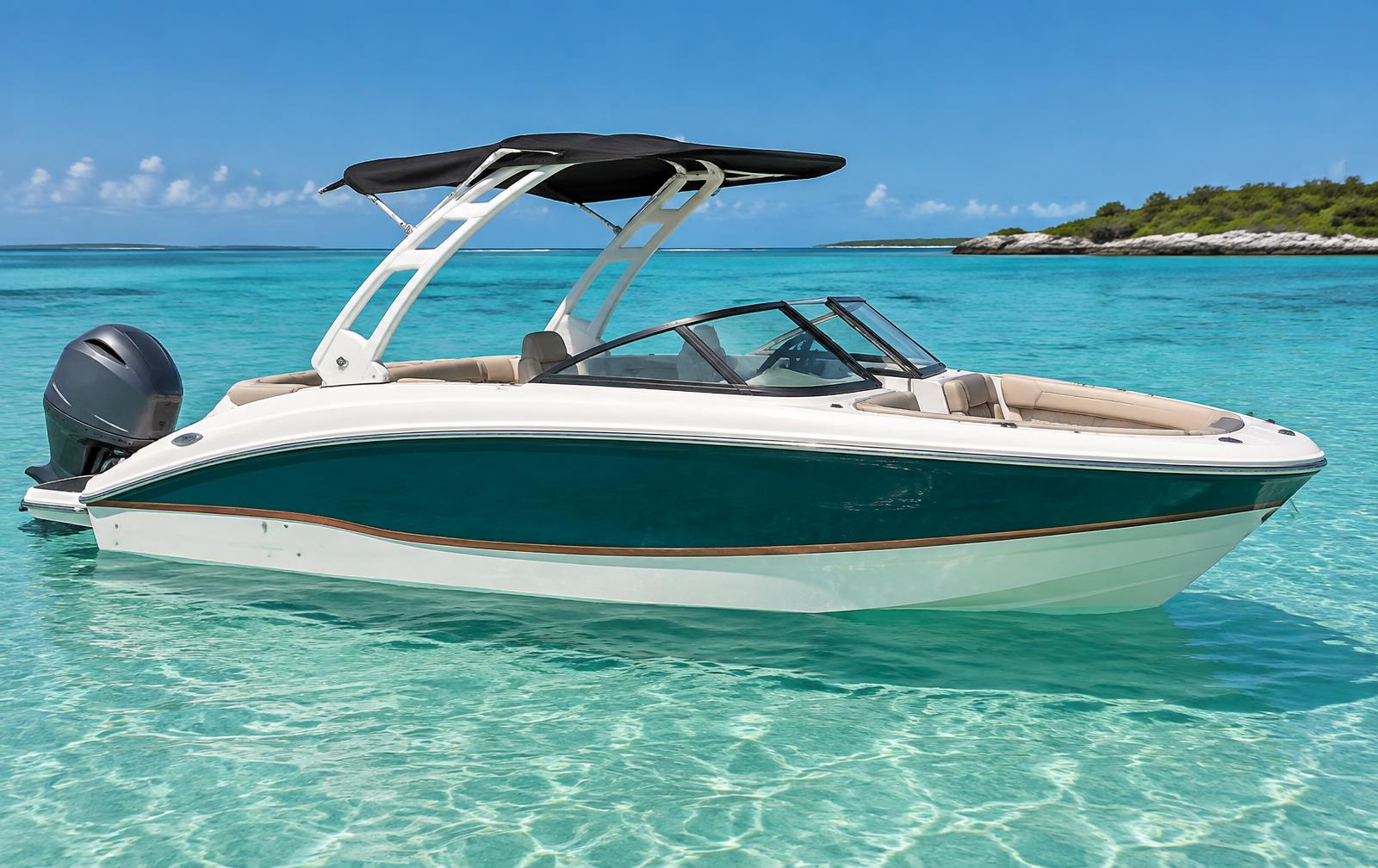
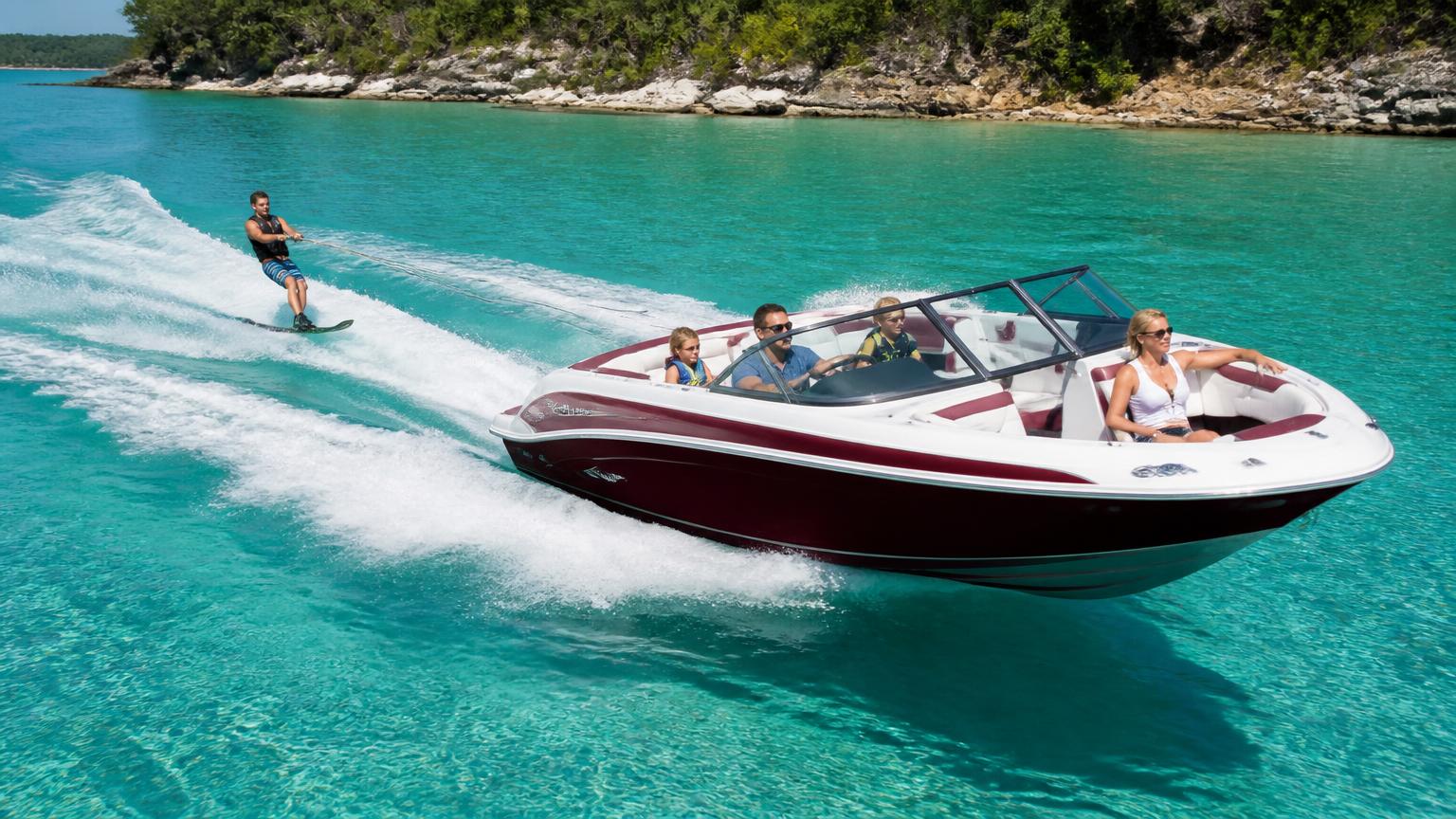
17.2 ft aluminium Smoker Craft bowrider with outboard power — entry level pricing and a classic convertible bowrider layout.
- Length
- 17 ft 2 in (5.24 m)
- Drive
- Outboard
- Seats
- 9 people
US$31,000 - US$42,000 new
Site Menu — Find Your Page
Bowrider Boats Mega Website

United States · since 1957
Family-owned Indiana builder producing versatile alloy fish-and-cruise bowriders.
Smoker Craft has been building boats in United States since 1957, and like almost every long-lived boat builder the story starts small: a workshop, a handful of tradespeople, and local customers who wanted something better than what they could buy. The early boats were built for the water on the doorstep, which is why the brand's hulls still carry the fingerprints of that home coastline decades later. As volumes grew, hand-built one-offs gave way to tooled production, and the company moved from making boats to engineering them: hull moulds or jigs, repeatable laminate or welding schedules, dealer support and a proper spare parts chain.
The move into bowriders was a natural one. Families wanted seating forward of the windscreen rather than a closed foredeck, and the bowrider layout delivered more usable space per foot than anything else on the market. Smoker Craft adapted its existing hulls to the open-bow format, then began designing specifically for it — walk-through screens, convertible cushions, under-seat lockers and transom lounges — and bowriders have been a core part of the range ever since.

Aluminium is the reason this brand exists in the form it does. Hulls are pressed or welded from marine-grade plate and sheet, which makes them light for their length, tough against rocks, ramps and beach landings, and cheap to repair when something does go wrong. A dented alloy hull is a panel job, not an insurance write-off. The trade-off is a firmer ride in short chop and a plainer interior than moulded fibreglass, which is exactly the compromise the target owner is happy to make.
Smoker Craft is a family-owned Indiana builder that has been producing aluminium boats for nearly seventy years, and its Pro Angler, Ultima and Sunchaser lines include several genuine bowrider layouts. The company's speciality is the fish-and-cruise compromise: a boat with proper padded bow seating and a walk-through screen for family days, but with removable cushions, rod storage, livewells and casting decks so it converts to a fishing platform in minutes. Hulls are riveted or welded depending on model, with foam flotation and reinforced transoms, and the boats are light enough to tow easily behind a mid-size vehicle. Interiors are practical and hard-wearing rather than plush. Smoker Craft's strength is choice — the catalogue is unusually broad for a builder of its size — and value, with new package prices that undercut fibreglass equivalents substantially. On the used market they are inexpensive, durable and easy to repair, which makes them popular with families buying their first boat outright.

Ask anyone at a boat ramp to name a Smoker Craft and you will hear Ultima 172, Pro Angler 161, Sunchaser 820. These are the boats that built the brand's reputation, and each one is documented on its own page on this site with specifications, layout notes, engine options and a real-world price guide.
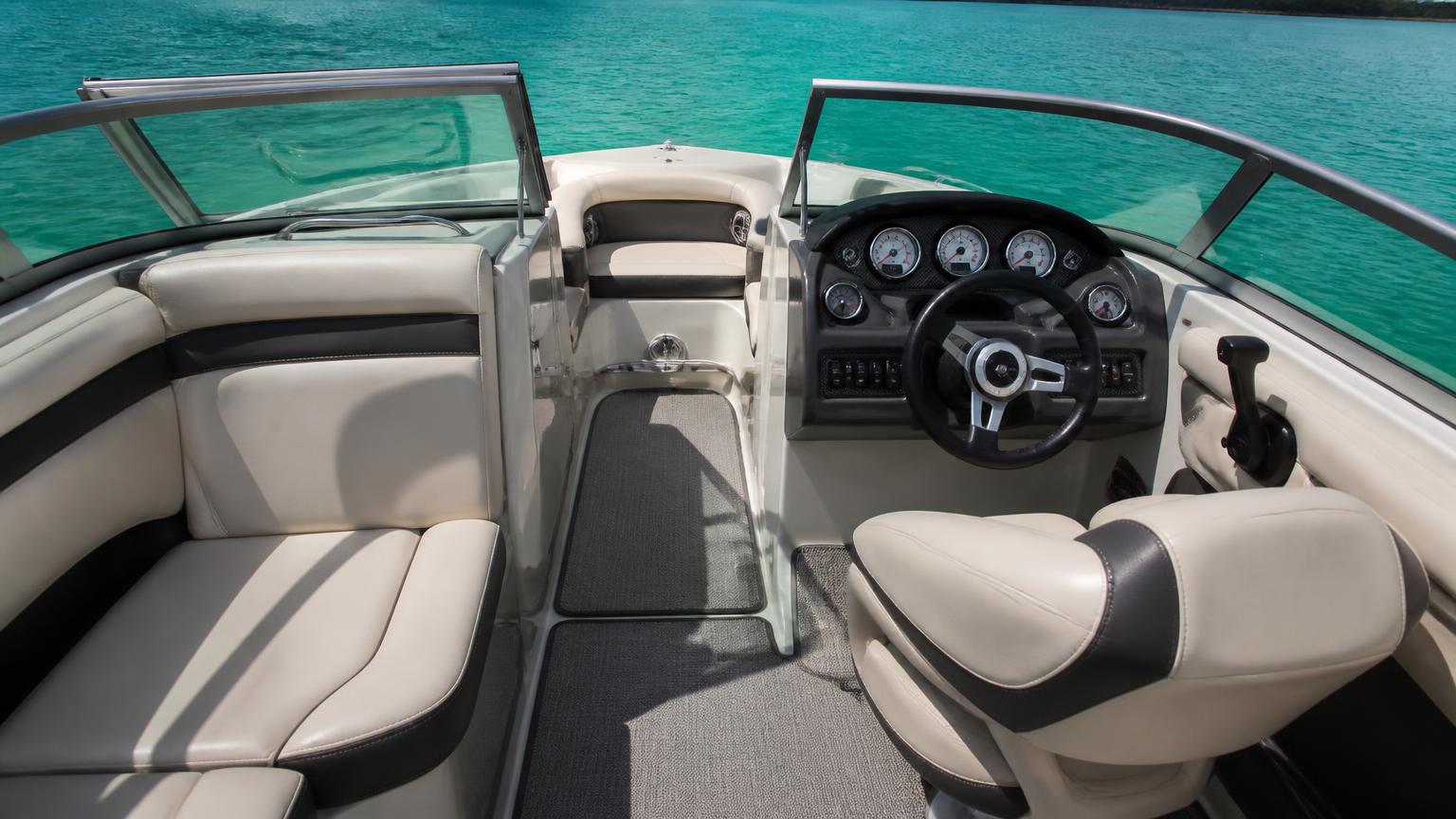
The Smoker Craft Ultima 172 is the model most buyers start with, and it sets the template for the rest of the range: open bow seating, a walk-through windscreen, a helm and companion seat amidships and a convertible transom lounge. Moving up the range adds beam and freeboard rather than just length, and beam is what you actually feel — a wider boat carries more people comfortably, stays flatter at rest and gives deeper lockers under the seats. Series naming follows length, so the numbers in the model name are the quickest guide to which boat suits your ramp, garage and tow vehicle.
Smoker Craft is particularly recognised for Ultima 172, Pro Angler 161, Sunchaser 820 — and the full list of every model, series and range we have documented from this builder appears further down this page.

Smoker Craft's core market is North America — the Great Lakes, the inland reservoirs, the Florida and Gulf coasts, and the Pacific Northwest — where a bowrider is the default family boat and watersports drive the specification. Dealer networks are dense, which is a real advantage for owners: parts, warranty work and trade-in values are all easier when there is a dealer within a couple of hours. Boats are exported widely into Europe, Australia and the Middle East, and the used market outside America is well stocked with grey-import examples.
Being a North America builder matters more than it sounds. Boats are designed around the water their designers use, so the Smoker Craft range reflects North America conditions in freeboard, deadrise, cockpit drainage and seating priorities. If you boat somewhere similar, the boat will feel like it was designed for you — because it was.

Family-owned Indiana builder producing versatile alloy fish-and-cruise bowriders. Longevity is its own achievement in this industry: boat building is brutally cyclical, and a company trading since 1957 has survived multiple recessions, fuel shocks, ownership changes and complete generational shifts in what buyers want from a family boat. Surviving that long usually means the company was early to a construction method or a layout that the rest of the market later copied.
Smoker Craft also owns Sylvan and Starcraft, giving it one of the widest aluminium ranges in North America.
The brand is known in the trade for Ultima 172 and Pro Angler 161, and among owners for something less measurable: boats that get used every weekend instead of sitting on the driveway. That is the highest compliment a family bowrider can be paid.
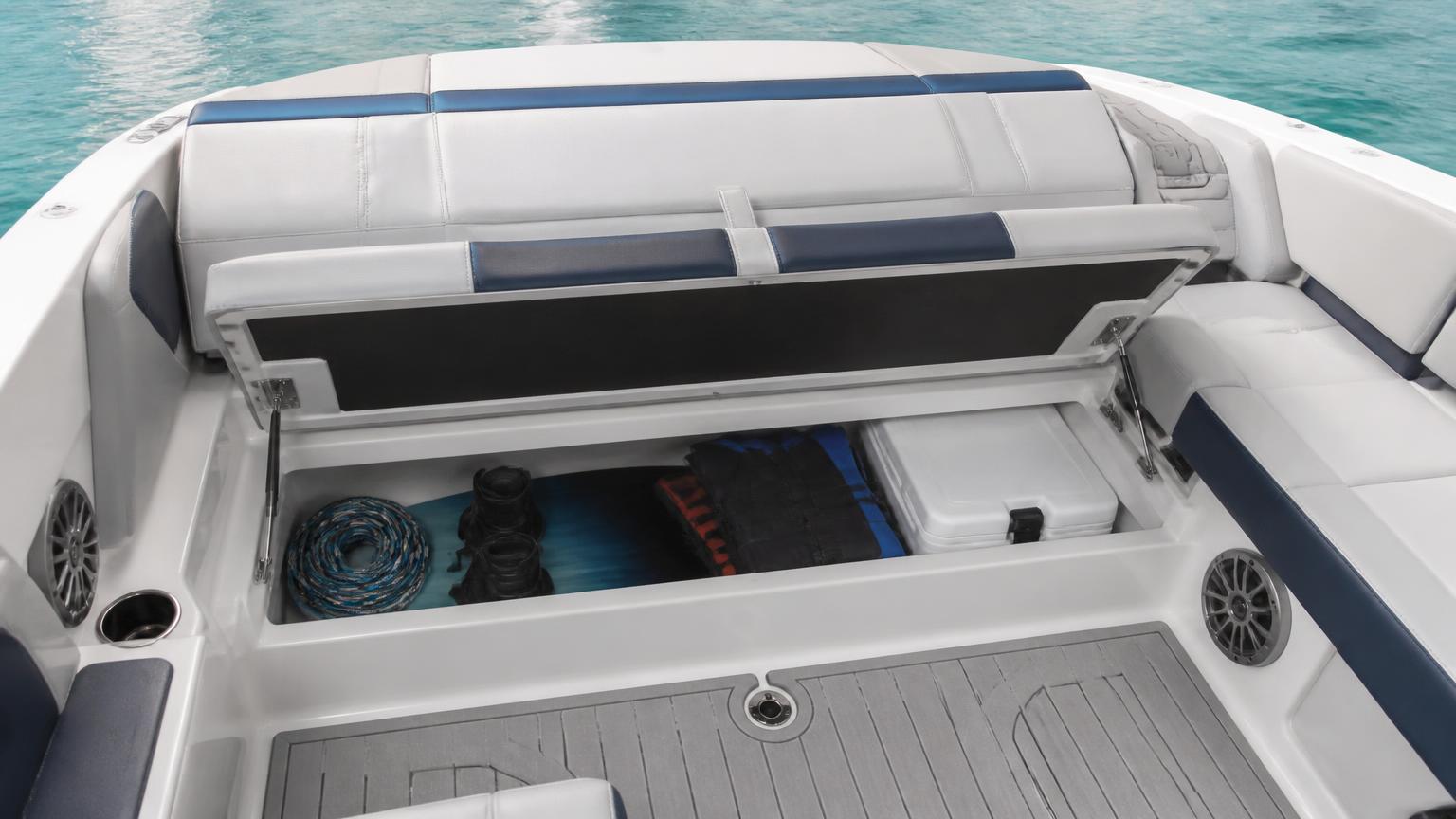
Day to day, a Smoker Craft bowrider is judged on the small things. How quickly can two people get it off the trailer and back on again? Where do the wet towels, the ski rope and the cooler live? Is there shade at midday, and somewhere dry for phones and keys? Alloy decks hose out in seconds and dry fast, which matters when the boat goes back on the trailer wet. These boats are set up so a single adult can launch, retrieve and pack up without help, which in practice is the difference between a boat that gets used most weekends and one that stays in the driveway.
Running costs are modest for the class. Modern four-stroke outboards are frugal, quiet and simple to service, and a day of cruising with a couple of ski sets rarely troubles the fuel budget. Insurance, storage and trailer registration are the same as any comparable trailer boat, and because Smoker Craft is a recognised name, both insurers and finance companies value the boats without argument.
Pricing sits at the accessible end of the market, and that is deliberate rather than accidental. Expect hard-wearing vinyl instead of stitched leather, moulded liners instead of joinery, and a sensible options list instead of a bespoke build sheet. What you get in return is the lowest realistic cost of entry into bowrider ownership, plus the cheapest running and servicing costs in the class.
Whatever you buy, inspect it the same way. Check the transom for flex with the drive or outboard lifted, tap the floor and stringers for softness, look hard at the bilge for staining and weeping, run the engine to temperature and confirm steering and trim work through their full travel. Upholstery seams and covers are the first things to fail on a boat stored outside, and they are also the most expensive cosmetic items to put right. On aluminium, check the welds along the chines and transom, and look for corrosion where dissimilar metals meet.
Finally, buy the layout rather than the badge. Sit in the bow, sit at the helm, sit on the transom lounge and imagine a full day aboard with your own family. Smoker Craft builds entry level aluminium bowriders with outboard power, and if that combination matches the water you use and the way you use it, this is a brand that will serve you for years and sell on well when you are ready for the next one.
Specifications, pricing guides and honest notes on each Smoker Craft bowrider.

17.2 ft aluminium Smoker Craft bowrider with outboard power — entry level pricing and a classic convertible bowrider layout.
US$31,000 - US$42,000 new

16.1 ft aluminium Smoker Craft bowrider with outboard power — entry level pricing and a classic convertible bowrider layout.
US$28,000 - US$37,000 new

26.9 ft aluminium Smoker Craft bowrider with outboard power — entry level pricing and a classic convertible bowrider layout.
US$64,000 - US$85,000 new
Featured Boat of the Week

This week we are putting the Bayliner Bayliner DX2000 in the spotlight, and it earns the spot. At 20 ft 2 in (6.16 m) long on a 8 ft (2.44 m) beam, this is a bowrider that reads the water well and still feels roomy enough for a full day out. A 20-foot deck-boat-width bowrider with outboard power and a huge social cockpit. Power comes from 115-150 hp mercury fourstroke outboard through a outboard package, and the fibreglass hull keeps the ride settled when the afternoon breeze puts a chop on the surface.
Seating is rated for 8 people, so there is space for family, friends, towels, eskies and the tow rope without anyone climbing over gear. Owners tend to buy it for family, water ski, leisure — which is exactly where it shines. Fuel is 30 us gal (114 l), and on the second-hand and new market you should expect to land somewhere around US$42,000 - US$58,000 new depending on hours, trailer and options.
Our full deep dive covers the layout in detail: bow lounge comfort, helm ergonomics, the rear entertaining area, storage that actually swallows a weekend, plus standard features, popular options and honest notes on where the boat compromises. If the Bayliner DX2000 is on your shortlist, start there — and check back next week, because the featured boat changes every week as we complete more full model reviews.
Featured Bowrider Article
Buying Advice

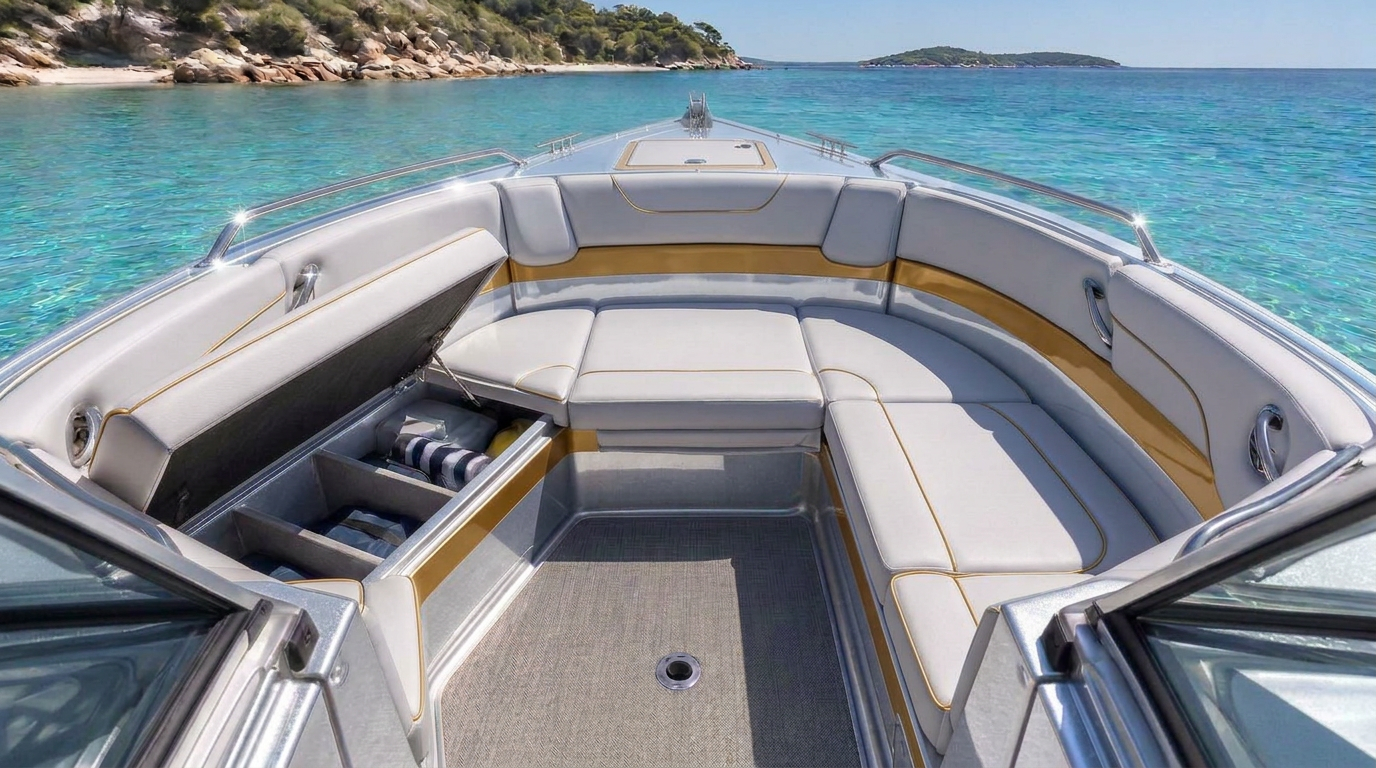
A 1998 bowrider and a 2026 bowrider look superficially similar: open bow, walkthrough windscreen, rear bench. Underneath, almost everything has changed. Knowing what improved, what did not, and what you actually pay for is the key to buying well at any budget. Older bowriders were commonly built with modest deadrise and simple running surfaces, tuned for calm lakes and easy planing. Modern hulls carry sharper entries, better-developed strakes and wider chines, giving a drier ride, flatter turns and more predictable behaviour in a chop. Aluminium has moved furthest. Pressed flat-panel hulls from the 1990s slapped in waves; today's roll-formed hulls carry curved, fine-entry bows that slice rather than pound. If ride comfort is your main complaint about older aluminium boats, a modern hull is a genuine step change rather than a marketing claim. Older bowriders were mostly sterndrive, often with carburetted petrol V6 or V8 engines. They were torquey and cheap to buy, but thirsty, and they demanded regular tuning. Modern outboard packages deliver similar performance while using noticeably less fuel and starting reliably every time. Fuel economy improvements are real. A modern 150-200 hp four-stroke pushing a 6 m hull at a relaxed cruise typically uses substantially less fuel per hour than an older…
Read the full article